Dear EAN members, friends, and colleagues,
For us at the European Academy of Neurology (EAN), one of the most significant things about each new year is that the forthcoming congress that we have all been working towards for so long can finally be referred to as this year’s congress. Now that we have turned the corner into 2026, this applies to the 12th Congress of the EAN, taking place in Geneva, Switzerland, on 27-30 June.
As we set our sights on this summit of science, I would like to give you a rundown of the details we already have in place and how you can prepare for this exciting event that kicks off in just under six months.
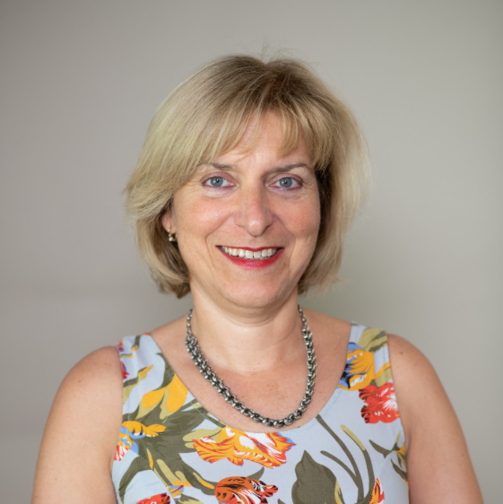
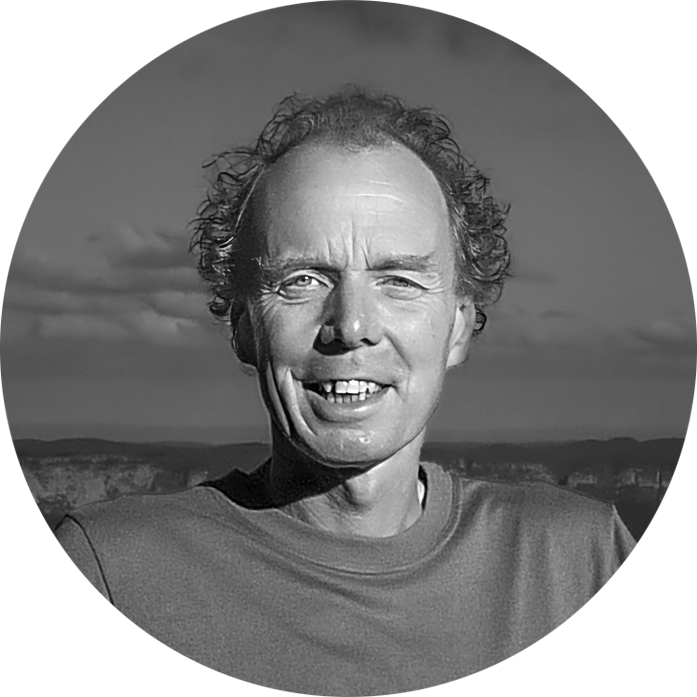
Chair of the Programme Committee
Most importantly right now, abstract submission and registration are both open! Although, abstract submission closes on 15 January 28 January, so I urge you to get your work submitted as soon as possible if you want to play a part in this year’s programme. Registration will of course be open for much longer, with early fees still available until 22 April and addition discounts for EAN Members who join or renew before 31 May (note: if you are joining the EAN for the first time, please allow two weeks for your application to be approved).
The key ingredients of the congress are always the scientific and educational content, and we have assembled another engaging, inspiring and informative programme for participants this year. Our Overarching Theme Brains, Bytes & Beyond: Tech in Neurology will explore the scope of how computing is finding its way into neurological practice, bringing a very timely and deeply fascinating topic into focus in several dedicated sessions and adding a thematic flavour to a selection of invited lectures at the congress.
Many of you will be looking forward to the Plenary Sessions, especially the Opening Session on the first day and the Presidential Symposium on the second day.
This year we are integrating the Brain Prize Lecture into the Opening Session, and we are proud to be welcoming Frank Winkler whose laboratory team in Heidelberg, Germany, used neuroscientific methods to develop a fundamentally new understanding of the most malignant brain tumours in adults, glioblastomas and brain metastases. His lecture on ‘Neural influences on brain tumor growth and therapy resistance’ I am sure will draw a lot of eager viewers to the Main Auditorium in Geneva.
The Presidential Symposium will welcome another outstanding selection of speakers to provide our popular named lectures. We are delighted to be presenting Manju Kurian, as the Anita Harding Award Lecturer, discussing ‘Navigating the translational arc for childhood-onset genetic movement disorders’; Daniela Berg delivering the Moritz Romberg Award Lecture on ‘What research and patients may teach us: Parkinson’s disease – a history and perspective of learning’; Riccardo Soffietti holding the Camillo Golgi Award Lecture on ‘Progress in gliomas: From histology to molecular biology and from surgery to precision therapies’; and John Rothwell presenting theCharles-Édouard Brown-Sequard Award Lecture on ‘Non-invasive neuromodulation in neurology’.
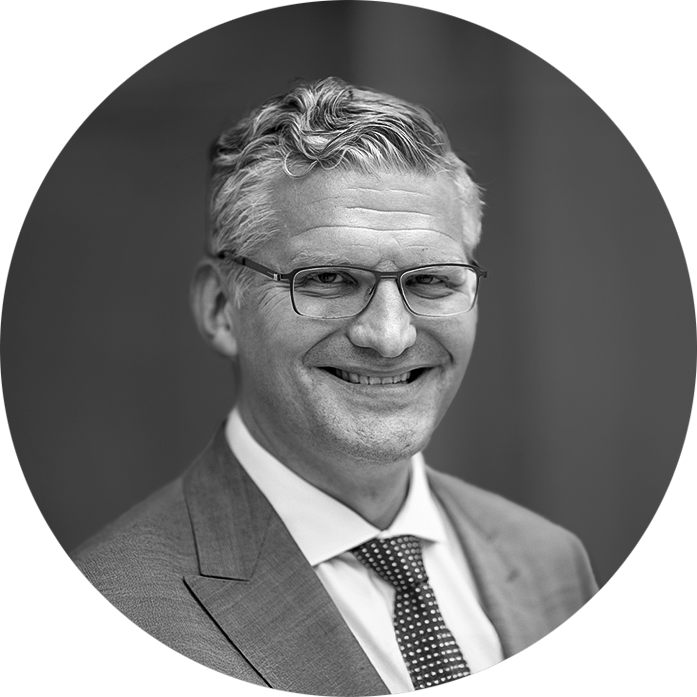

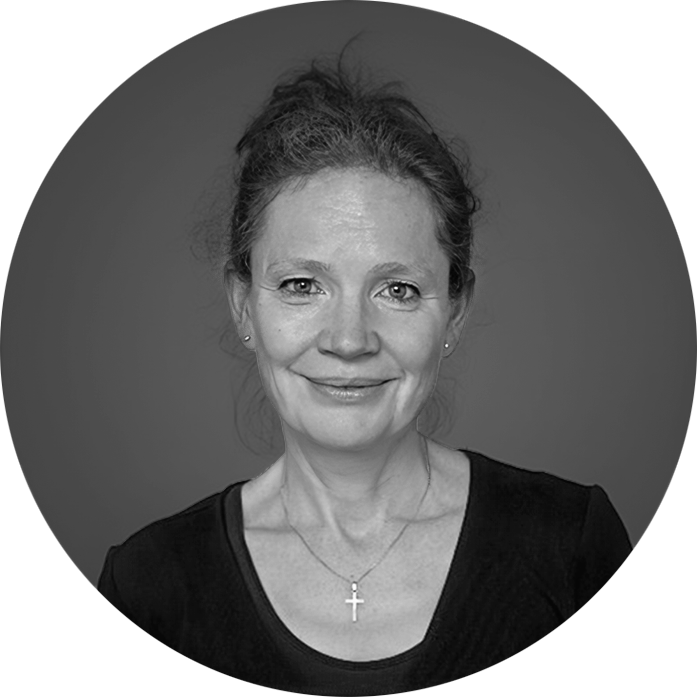
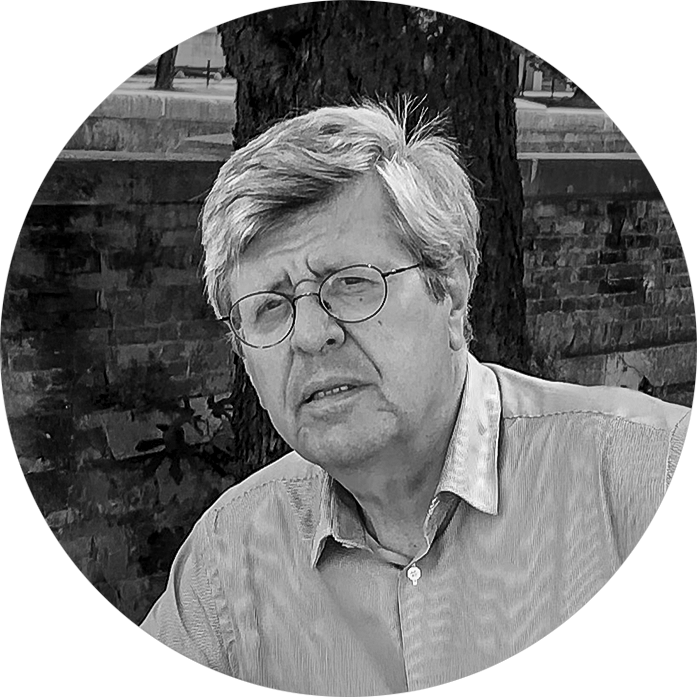
Pictured, left to right:
- Frank Winkler, The Brain Prize Lecture, “Neural influences on brain tumor growth and therapy resistance”
- Manju Kurian, Anita Harding Award Lecture, “Navigating the translational arc for childhood-onset genetic movement disorders”
- Daniela Berg, Moritz Romberg Award Lecture, “What research and patients may teach us: Parkinson’s disease – a history and perspective of learning”
- Riccardo Soffietti, Camillo Golgi Award Lecture, “Progress in gliomas: From histology to molecular biology and from surgery to precision therapies”
- John Rothwell, Charles Brown-Séquard Award Lecture, “Non-invasive neuromodulation in neurology”
We will also welcome many other societies to Geneva to enrich our congress with collaborations and special sessions. Representatives from numerous national neurological societies, subspecialty societies, patient organisations, and medical societies from other disciplines will be with us in Geneva, adding to the rich diversity of viewpoints and experiences contained in our programme.
As of last year, our bursary scheme is open to student members as well as resident and research members. This initiative offers free registration and accommodation for 240 applicants. Additionally, the EAN Tournament Finals continue to inspire young professionals by offering the opportunity to present at the congress and win free registration for the following year. For more information about these initiatives, please see our Grants & Awards page.
Finally, we are acutely aware that organising an event of this scale has a significant environmental impact. For that reason, we try wherever possible to mitigate that impact and we kindly ask you to bear this in mind yourself when planning your trip to Geneva as well as your travel within the city. Use of the Geneva public transport system is included in your registration, so I urge you to make use of this environmentally friendly and extremely convenient resource as much as you can. I also encourage you to consider offsetting your carbon footprint if you are flying to the congress. Please join us in our commitment to minimising the impact of our congress as much as possible.
For now, I would like to wish you a happy and healthy 2026 and I look forward to welcoming as many of you as possible to Geneva for what will again surely be the highlight of the year for the EAN!
Best wishes
Irena Rektorova
EAN Programme Committee Chair