by Prof. Evija Miglane, president of the Latvian Society of Neurology
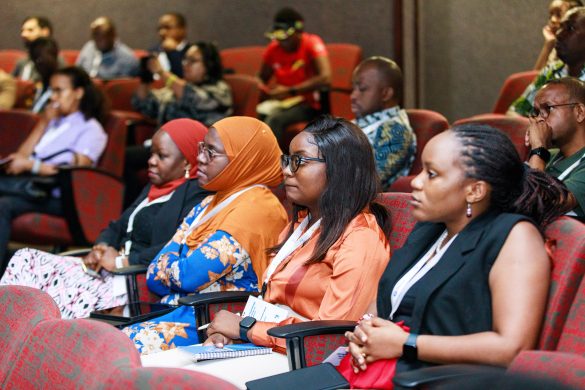
The Latvian Society of Neurology had the honour of hosting the EAN Regional Teaching Day in Riga, Latvia, on 6 November 2025. The event was organised as a pre-congress educational activity preceding the 11th Baltic Congress of Neurology (BALCONE 2025). More than 140 participants from all three Baltic states—Latvia, Lithuania, and Estonia—attended the meeting.
This one-day educational event focused on key neurological topics, including neuromuscular disorders, cerebellar ataxias, and the management of transient ischaemic attacks (TIA). In addition, participants received practical guidance on European research grants and training opportunities for young neurologists.
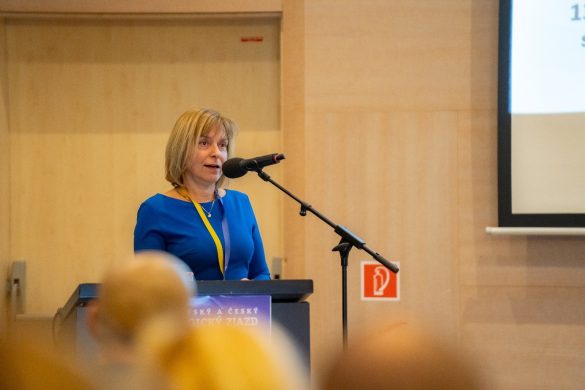
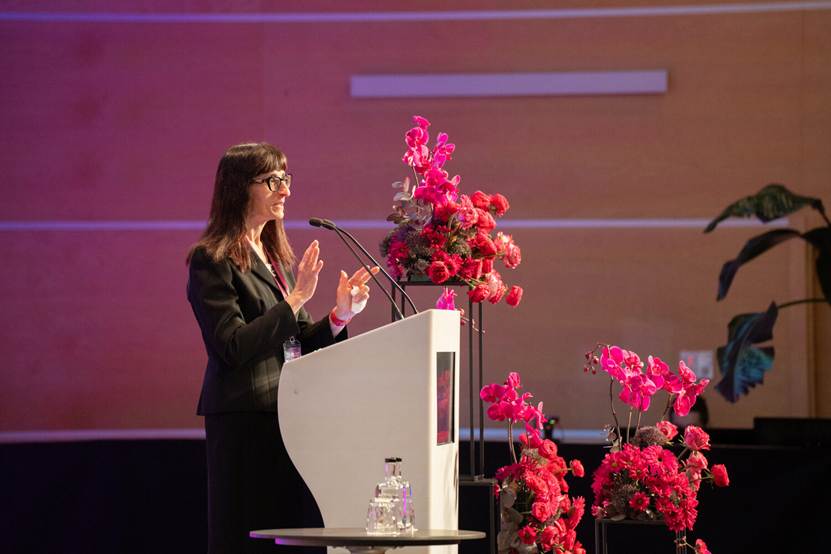
The meeting opened with a welcoming address by Prof. Elena Moro, President of the European Academy of Neurology. The EAN Teaching Day featured renowned international experts, including Prof. Antonio Toscano (Italy), Prof. Henry Houlden (United Kingdom), Prof. Ana Catarina Fonseca (Portugal), and Prof. Jānis Vētra (Latvia), who shared their extensive expertise in both clinical practice and academic development.
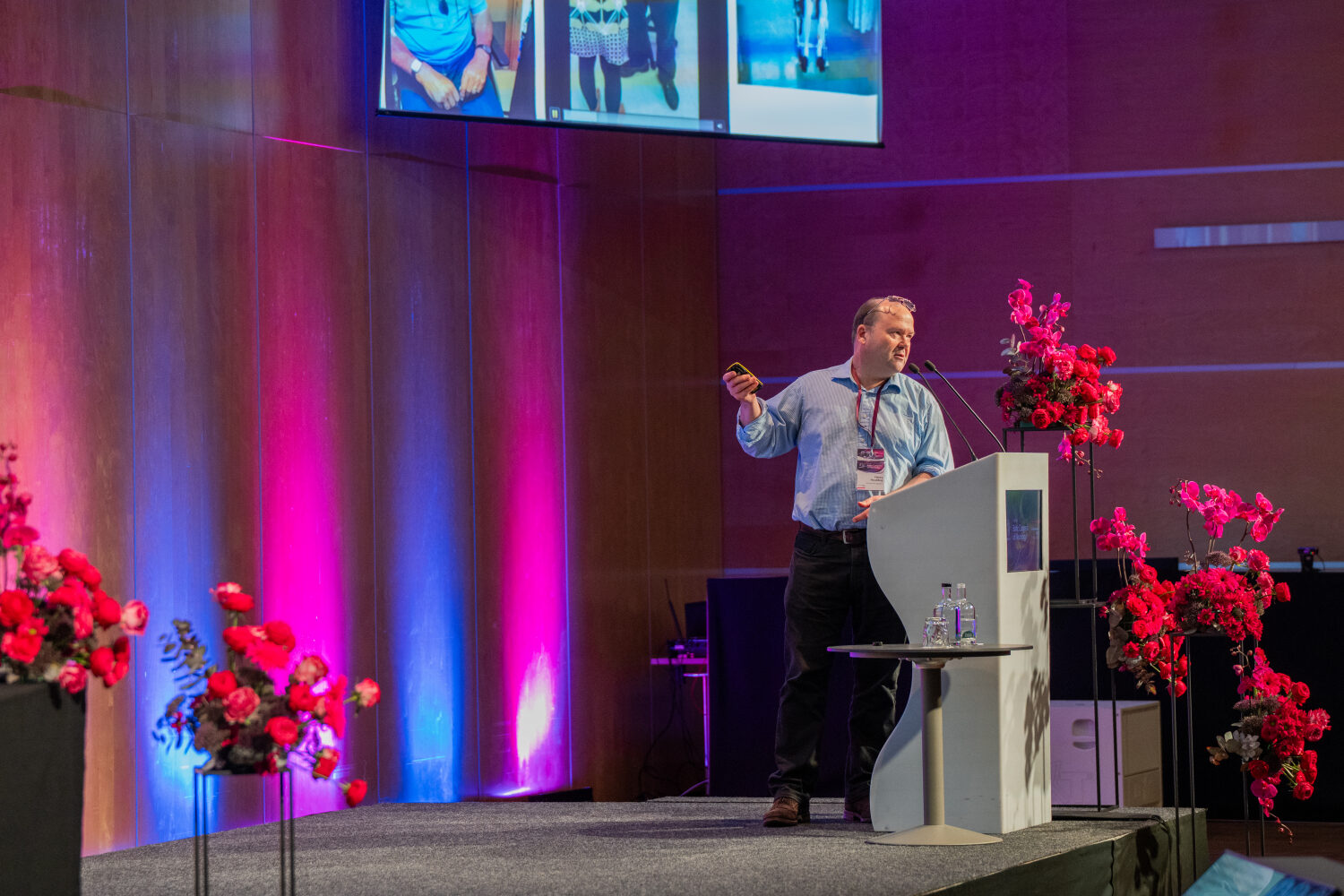
In his lecture on Challenges in Cerebellar Ataxia Molecular Diagnostics, Prof. Henry Houlden delivered a clear and engaging overview of the current challenges and the rapidly evolving landscape of molecular diagnostics in cerebellar ataxias. He simplified common problems encountered in genetic testing, making a complex topic accessible to a broad audience of neurologists.
A central theme of the presentation was the rapid advancement of sequencing technologies. Houlden placed particular emphasis on the growing role of long-read sequencing, highlighting its potential to detect previously elusive repeat expansions, structural variants, and complex genomic regions. He also underscored the significant progress made in recent years, during which numerous new genes associated with cerebellar ataxias have been identified, leading to important changes in diagnostic algorithms.
Overall, the lecture was informative, concise, and highly relevant to everyday neurological practice. It provided both a solid conceptual framework and up-to-date insights into the future of genetic diagnostics in cerebellar ataxia, making it a valuable contribution to the programme.
The workshop Discussion of Patient Cases, also led by Houlden, offered a comprehensive and engaging exploration of a broad spectrum of movement disorder cases. Through carefully selected clinical examples, he highlighted the most common clinical manifestations across different movement disorder groups, emphasising the importance of accurate phenotype recognition and early diagnostic reasoning.
Each case was accompanied by clear descriptions of hallmark features characteristic of specific diseases and syndromes. This structured approach helped participants better distinguish overlapping phenotypes and identify key diagnostic red flags in daily clinical practice.
In addition to clinical insights, the workshop effectively integrated molecular aspects of diagnosis. Houlden outlined relevant genetic findings, appropriate testing strategies, and diagnostic approaches for each condition, offering practical guidance on navigating molecular work-up in movement disorders. Overall, the workshop was highly informative, interactive, and clinically useful, reinforcing the link between phenotype recognition and modern molecular testing.
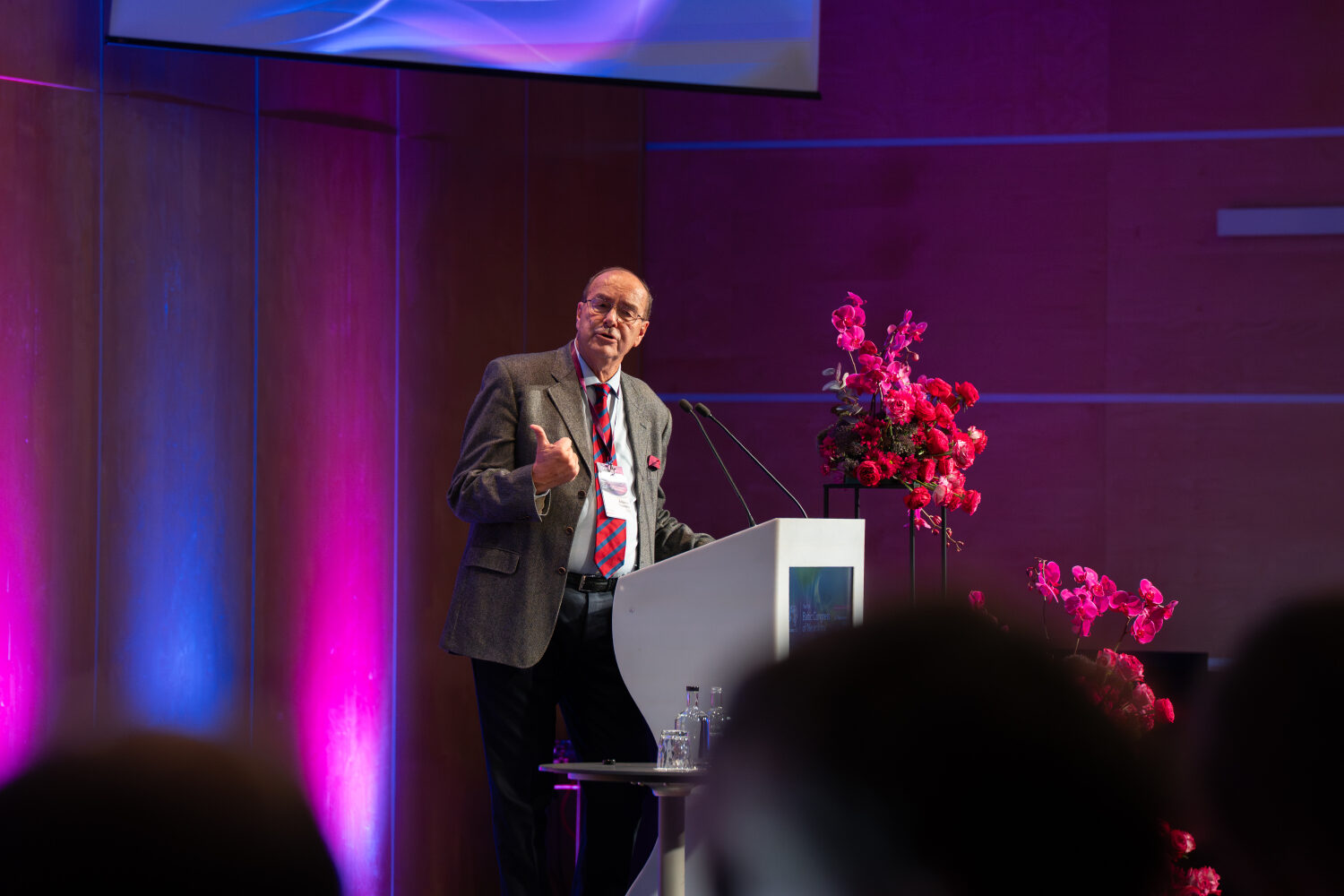
Prof. Antonio Toscano delivered a lecture on hyperCKemia and the modern diagnostic approach to myopathies, providing a comprehensive and highly practical overview of one of the most frequent yet clinically challenging findings in neuromuscular medicine. Drawing on the new EAN guidelines, he highlighted the importance of repeated creatine kinase (CK) measurements, appropriate diagnostic thresholds, and a structured, evidence-based workflow for patients with oligo- or asymptomatic hyperCKemia.
He emphasised the central role of next-generation sequencing in contemporary genetic diagnostics, the value of muscle MRI in detecting subclinical abnormalities, and the importance of avoiding unnecessary muscle biopsies when less invasive diagnostic methods are available. Toscano’s presentation stood out for its clarity, rich clinical case examples, and extensive expertise in rare neuromuscular disorders, making the session particularly valuable for both practicing neurologists and specialists caring for patients with muscle diseases.
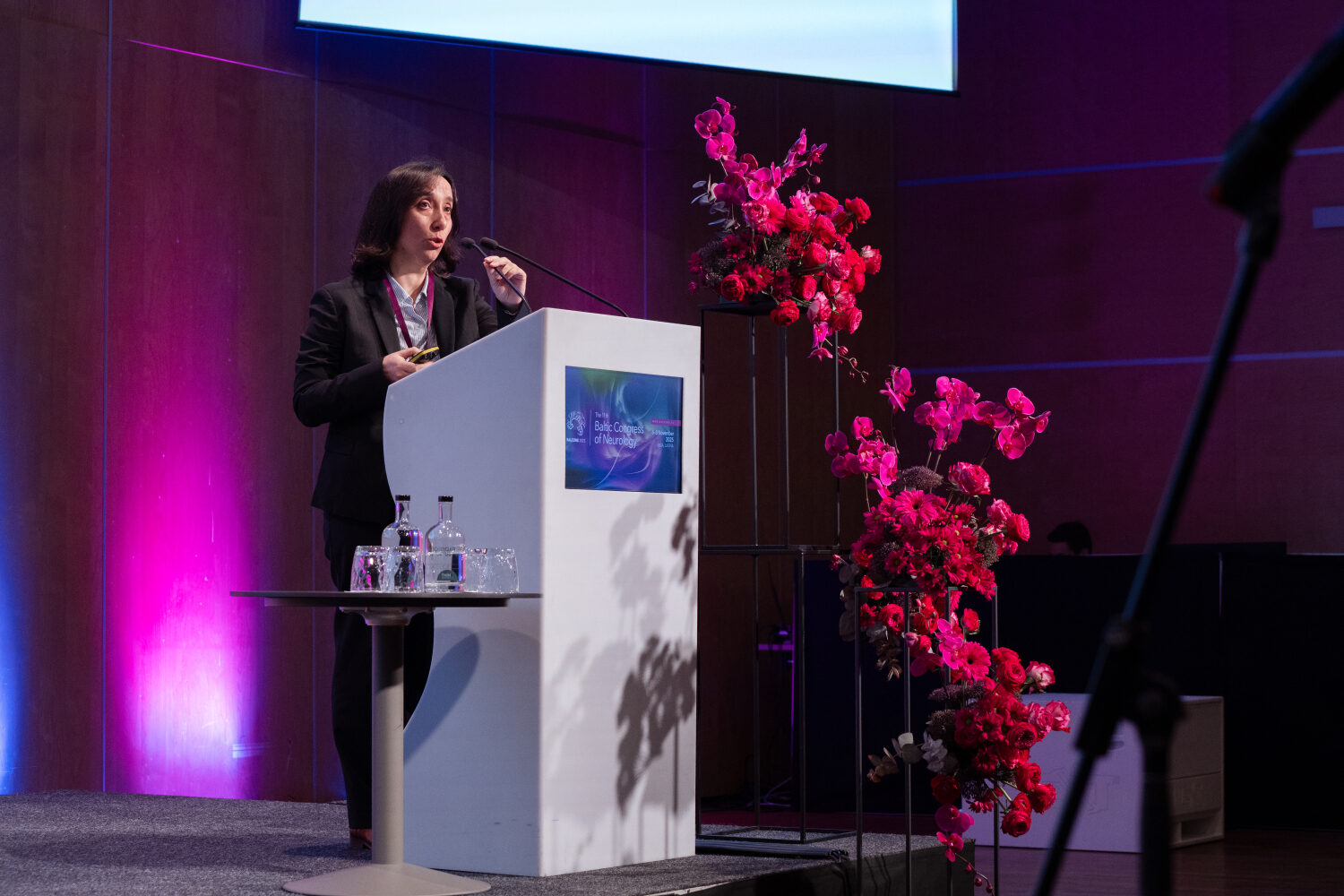
In her lecture on the Management of Transient Ischaemic Attack, Prof. Ana Catarina Fonseca discussed current guidelines for the treatment and care of patients with TIA, emphasising common pitfalls and challenges in clinical management. The lecture was well structured and highly accessible, with a strong focus on adherence to evidence-based principles while maintaining an individualised approach to patient care.
The practical session of the EAN Teaching Day further addressed revascularisation strategies for acute stroke patients in non-standard clinical situations and extended time windows, as well as predictors of poor outcomes.
The Latvian Society of Neurology expresses its sincere gratitude to the European Academy of Neurology for supporting this educational activity in the Baltic region and looks forward to continued and fruitful collaboration in the future.
To learn more about EAN Regional Teaching Events and many other activities, please visit the Educational Events section of the EAN website: Educational Events – ean.org