by Alicia González-Martínez, EAN Resident & Research Fellow Section Chair
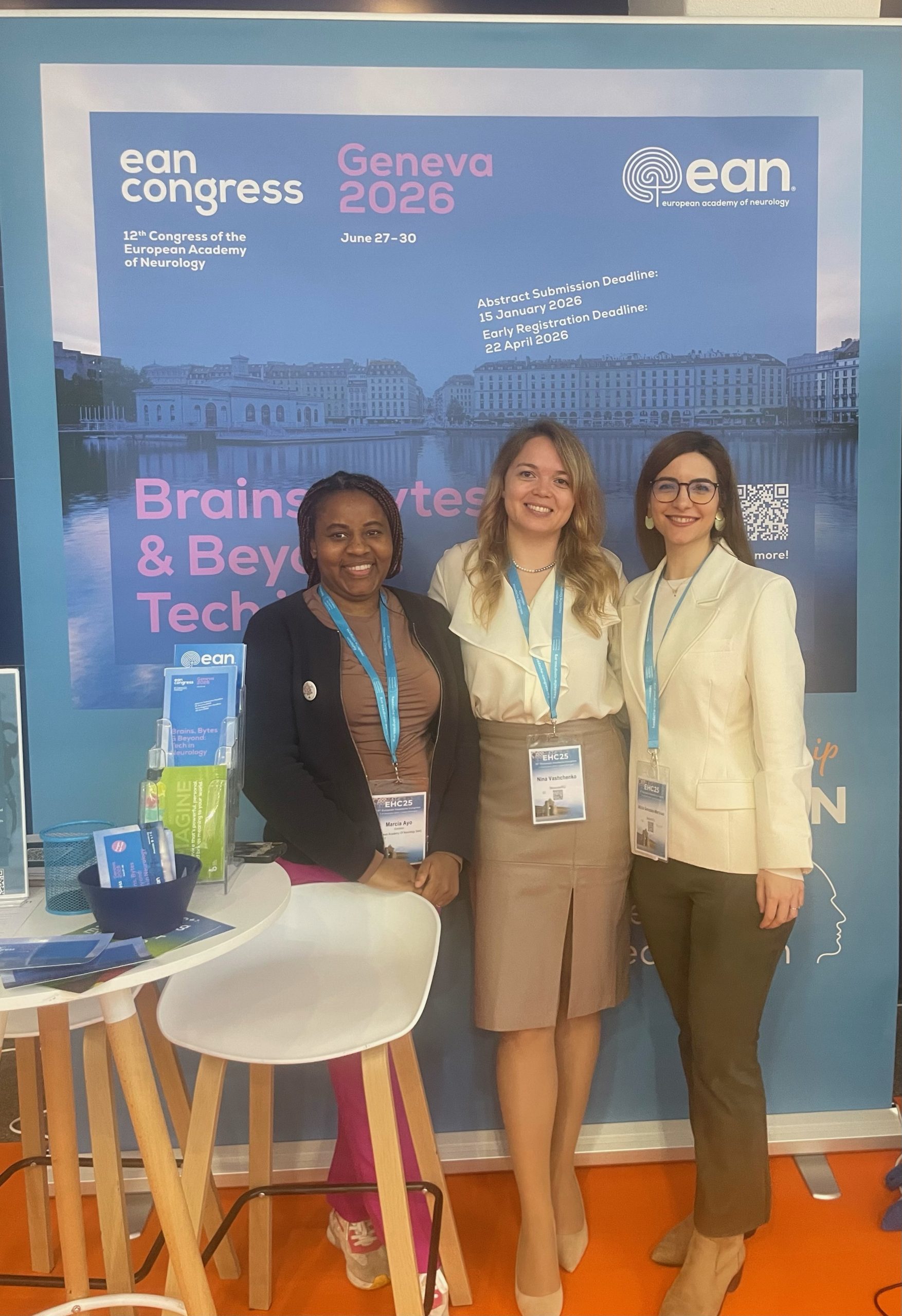
During the 19th European Headache Congress (EHC25), held on 3-6 December 2025 in Lisbon, a dedicated Headache Theater networking session highlighted how early-career clinicians and researchers are helping shape the future of headache medicine in Europe.
Organised by the Future Headache Experts (FHE) of the European Headache Federation (EHF), the session provided an open, interactive space to present European initiatives, foster collaboration, and highlight professional development opportunities across European neurological societies.
The Headache Theater brought together early-career neurologists, trainees, and researchers from across Europe. Its primary aim was to strengthen connections among young professionals, encourage cross-border collaboration, and ensure the next generation is actively engaged in the evolution of headache research, education, and clinical care.
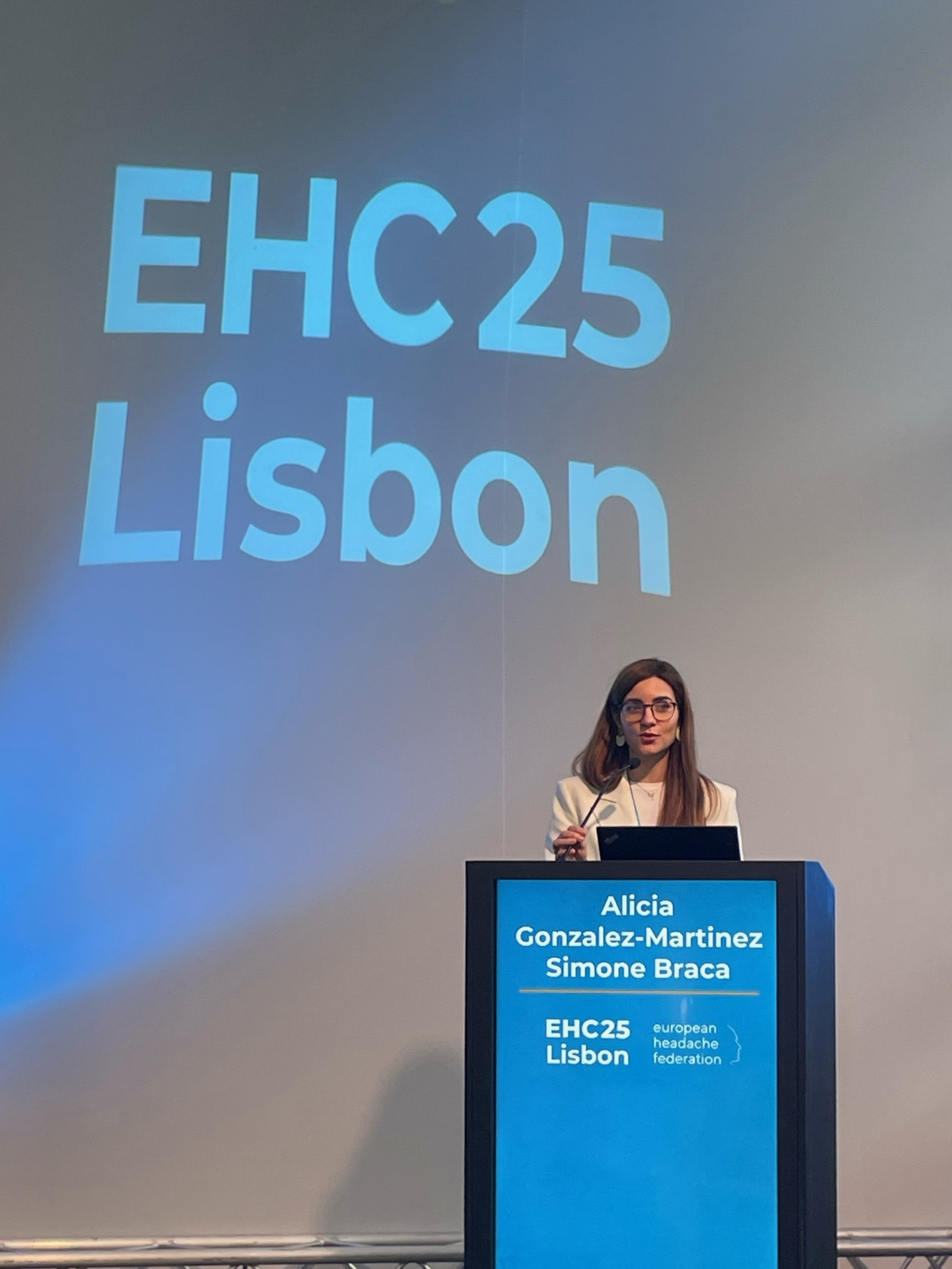
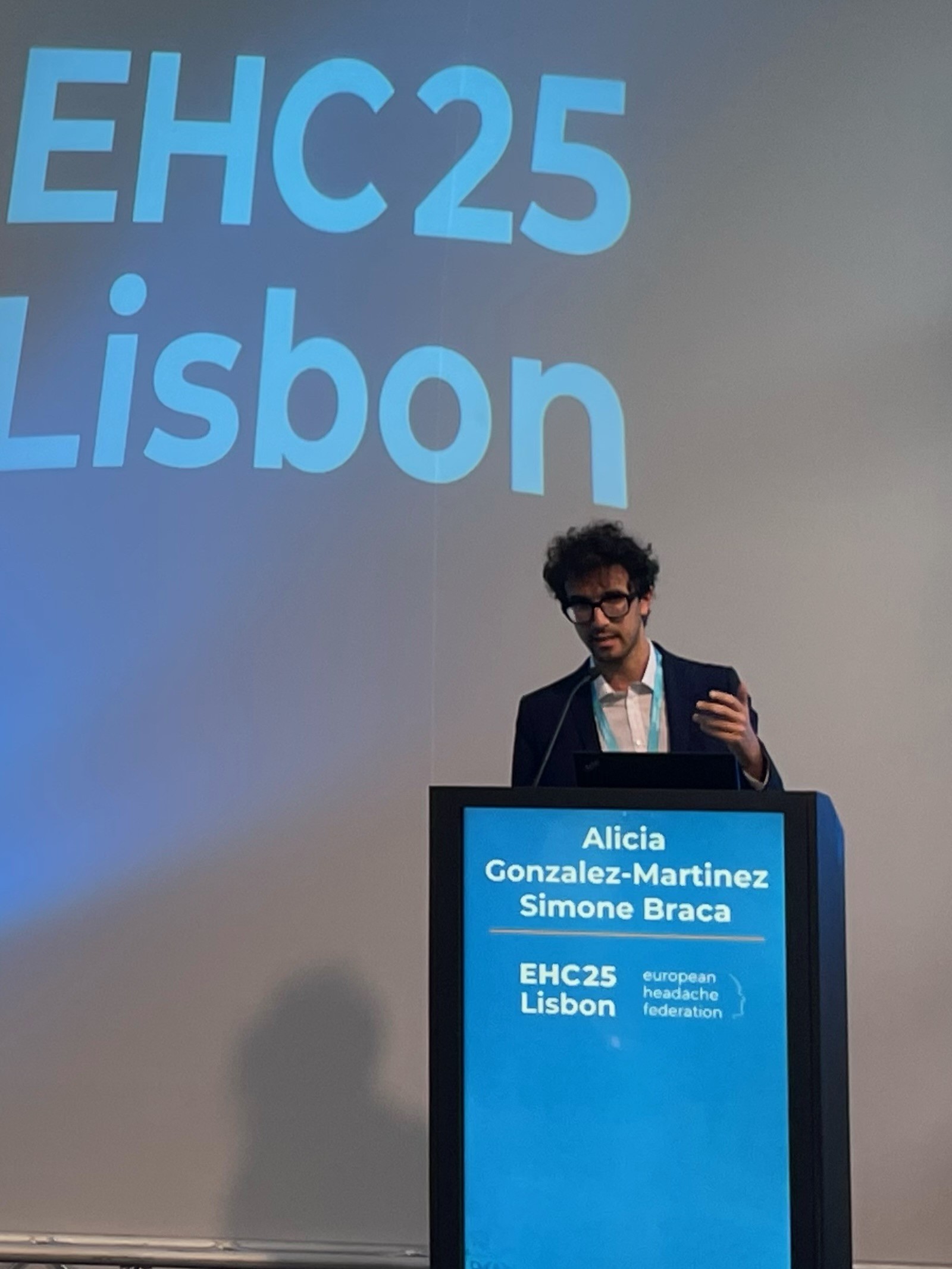
The session was jointly led by Alicia González-Martínez, Chair of the FHE and the EAN Resident & Research Fellow Section (RRFS), and Simone Braca, RRFS representative to the EAN Headache Panel. Together, they outlined ongoing and emerging European initiatives designed to support young professionals with a dedicated interest in headache disorders.
A central theme was the growing collaboration between the young sections of major European neurological organisations—specifically FHE and RRFS. This session reflected a shared commitment to education, mentorship, and scientific exchange among early-career specialists in headache. By aligning activities and creating opportunities, both organisations aim to reduce fragmentation and build a more cohesive European network for young headache experts.
Simone Braca highlighted the wide range of opportunities available through the EAN Resident & Research Fellow Section, including educational courses, fellowship programmes, and involvement in scientific panels. He emphasised that participation in RRFS activities not only strengthens individual career development, but also enables young neurologists to contribute to shaping European neurology and headache medicine at an institutional level.
Both speakers also underscored the importance of strengthening cooperation among younger generations of clinician-researchers. As headache disorders remain among the leading causes of disability worldwide, progress in the field will depend on sustained engagement, innovation, and leadership from early-career professionals. Networking sessions such as the Headache Theater were highlighted as essential environments where ideas can be exchanged, collaborations can begin, and future leaders can emerge.
The success of the Headache Theater at EHC 2025 reflects a broader trend within European neurology: increasing recognition of the need for structured support for young professionals. As preparations move forward for 2025–2026, the collaboration between EHF’s FHE and EAN’s RRFS is expected to expand further, offering new initiatives, joint projects, and educational pathways.
Overall, the Headache Theater demonstrated how targeted, youth-focused initiatives can play a pivotal role in advancing headache medicine. By investing in collaboration, mentorship, and a shared vision, European neurological societies are helping to ensure a strong and innovative future for headache care across Europe.