by Saara Ndinelago Neshuku-Nampala and Prof. Lawrence Tucker
The 15th Regional Teaching Course (RTC) in Sub-Saharan Africa took place at the Hage Geingob Campus of the University of Namibia (UNAM), in Windhoek, Namibia, from 27 to 29 November 2025, in collaboration with the Namibian Ministry of Health, and the Medical Sciences Department of UNAM. As has been the case since 2015, the 2025 RTC was jointly organised by the African Academy of Neurology (AFAN) and the European Academy of Neurology (EAN), with significant support from many partner organisations including the World Fededration of Neurology, American Academy of Neurology, Movement Disorders Society, International League Against Epilepsy (ILAE) and International Federation of Clinical Neurology, amongst others.

There is currently no career neurology training program in Namibia, and the country has only three practicing neurologists. Understandably, the RTC was very warmly received and there is no doubt that it raised awareness of the importance of brain health and demonstrated the need to establish a post-graduate neurology training programme in Namibia.
In all, 94 delegates from 20 sub-Saharan countries participated in the three-day event. Of these, 22 were neurology residents from 19 sub-Saharan countries, all of whom were all fully-sponsored by the EAN and its partner organisations. A further 15 residents from South Africa were sponsored by Cipla South Africa. The Namibian Ministry of Health and Social Services sponsored eleven medical officers, who practice in peripheral centres across Namibia, and several physicians, paediatricians and psychiatrists, practicing in Windhoek, also attended.
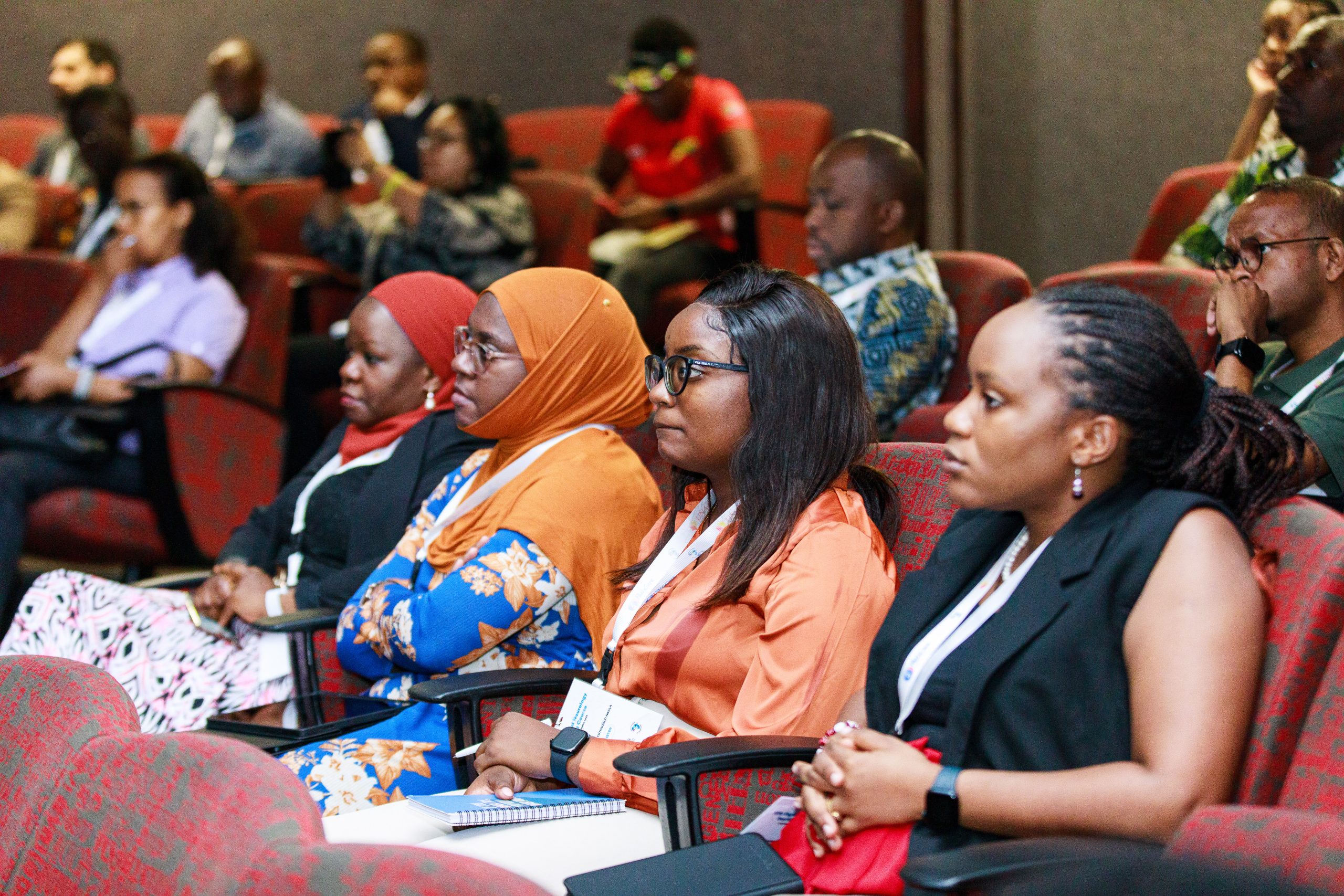
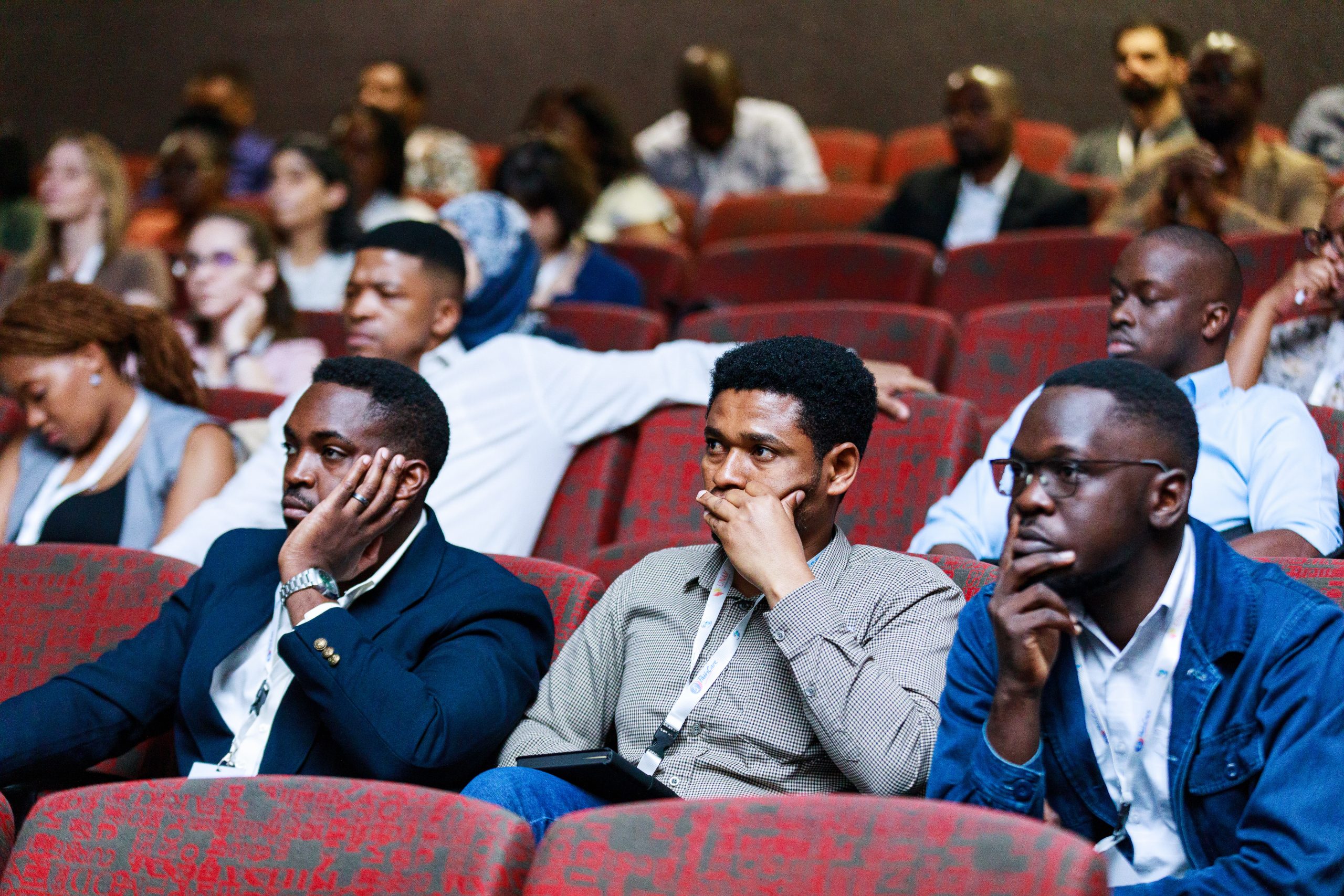
The international faculty of invited speakers was outstanding and comprised Africans, Europeans and Americans, who are all leaders in their respective fields.
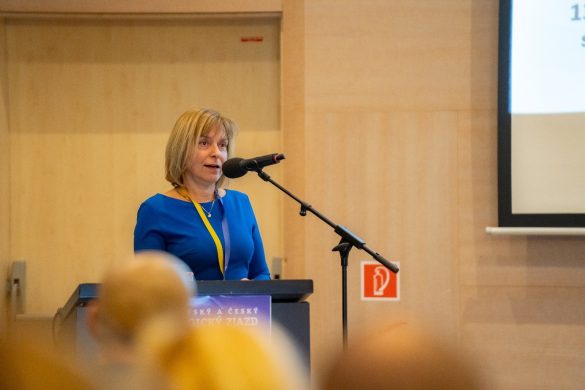
Dr Felicia Christians, Associate Dean of the UNAM School of Medicine, opened proceedings and emphasised the importance of holding an RTC in Windhoek. Prof. Paul Boon, Past President of the EAN, and Prof. Lawrence Tucker, President of AFAN, welcomed delegates on behalf of their respective organisations and stressed that delegates should aim to benefit not only from the excellent lecture programme and workshops provided by an exceptional international and continental faculty, but also actively network with the speakers and their colleagues.
The overarching theme was Promotion of Brain Health Awareness in Africa. Teaching involved didactic lectures during morning sessions followed by parallel practical workshops in the afternoons.
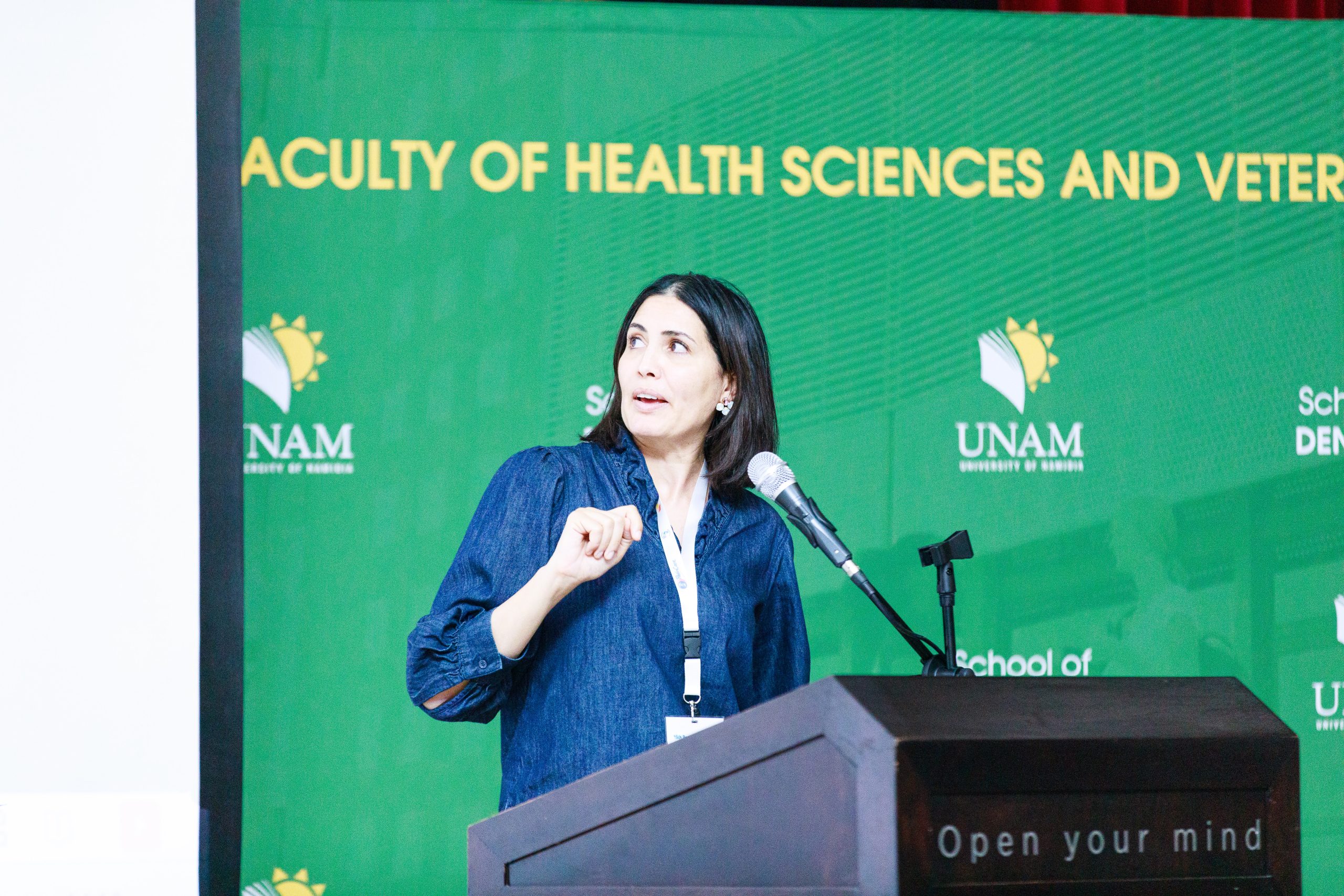
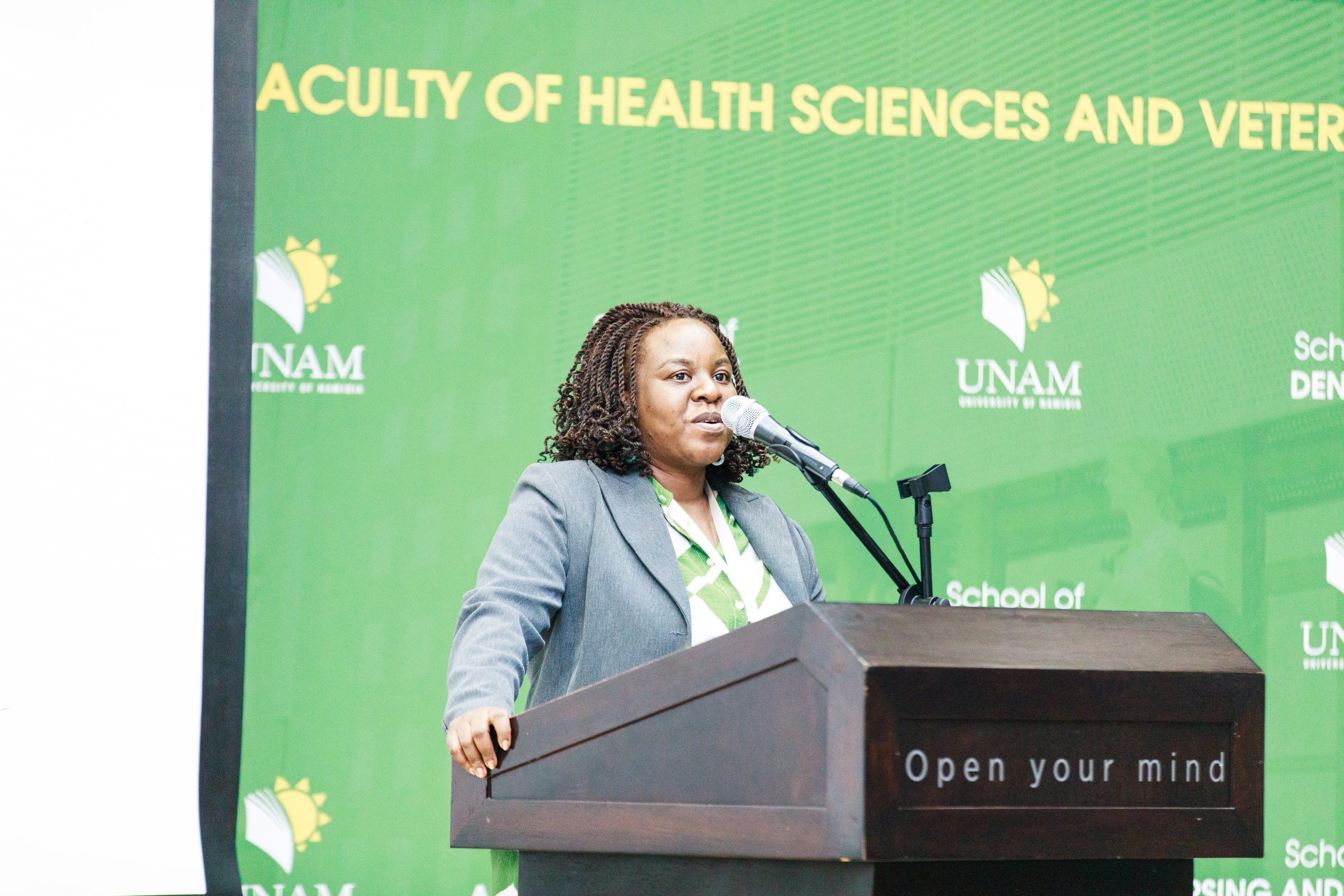


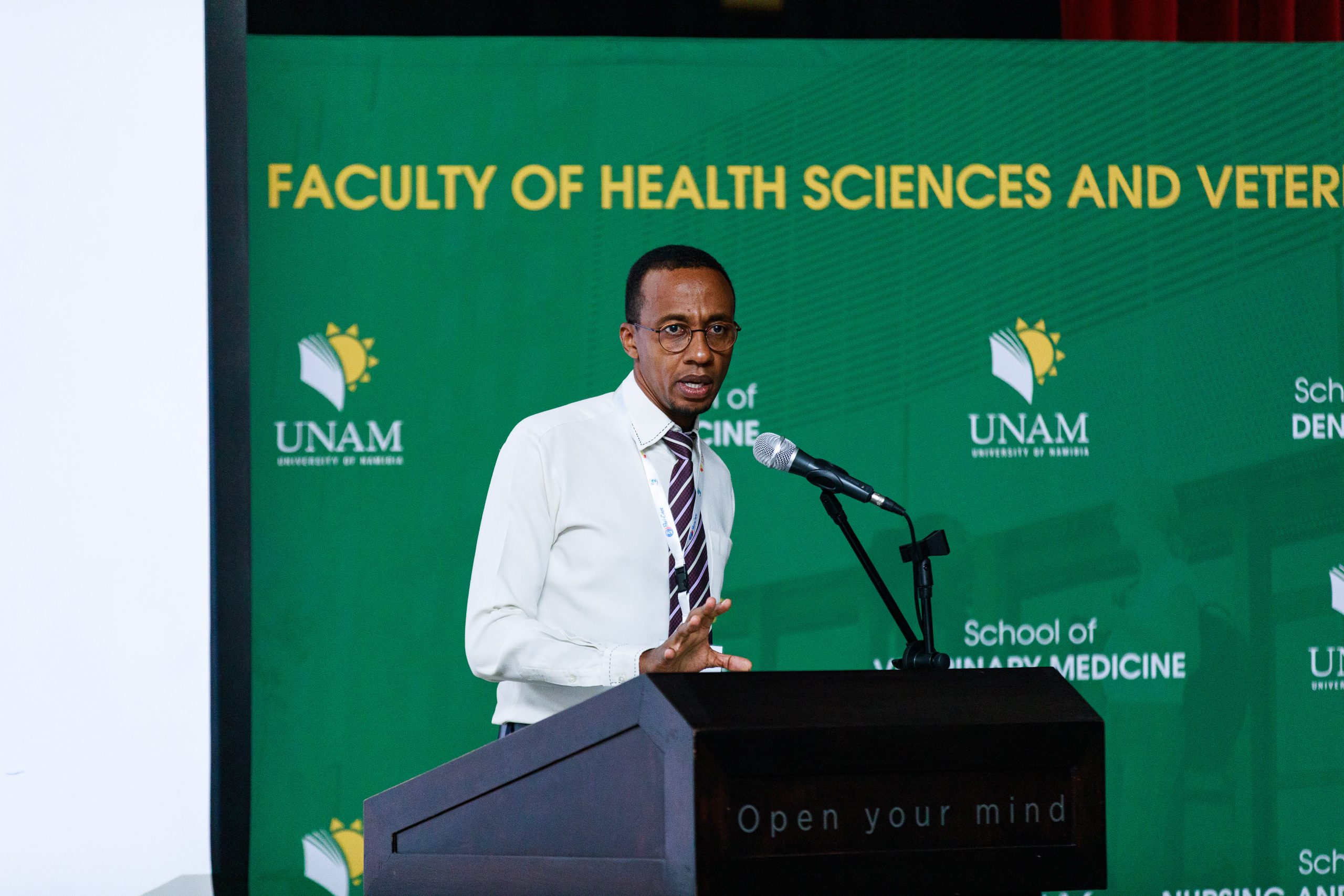


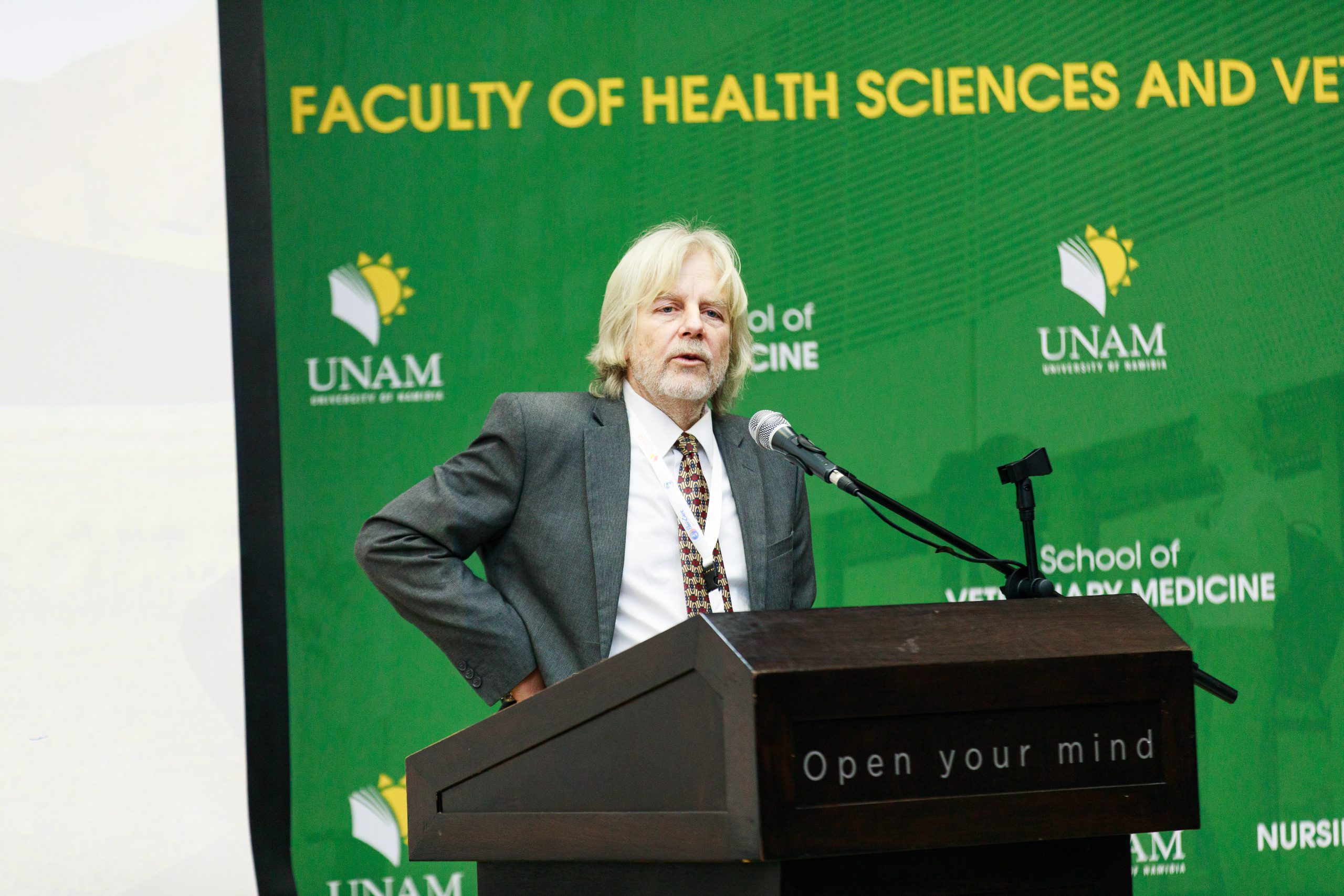

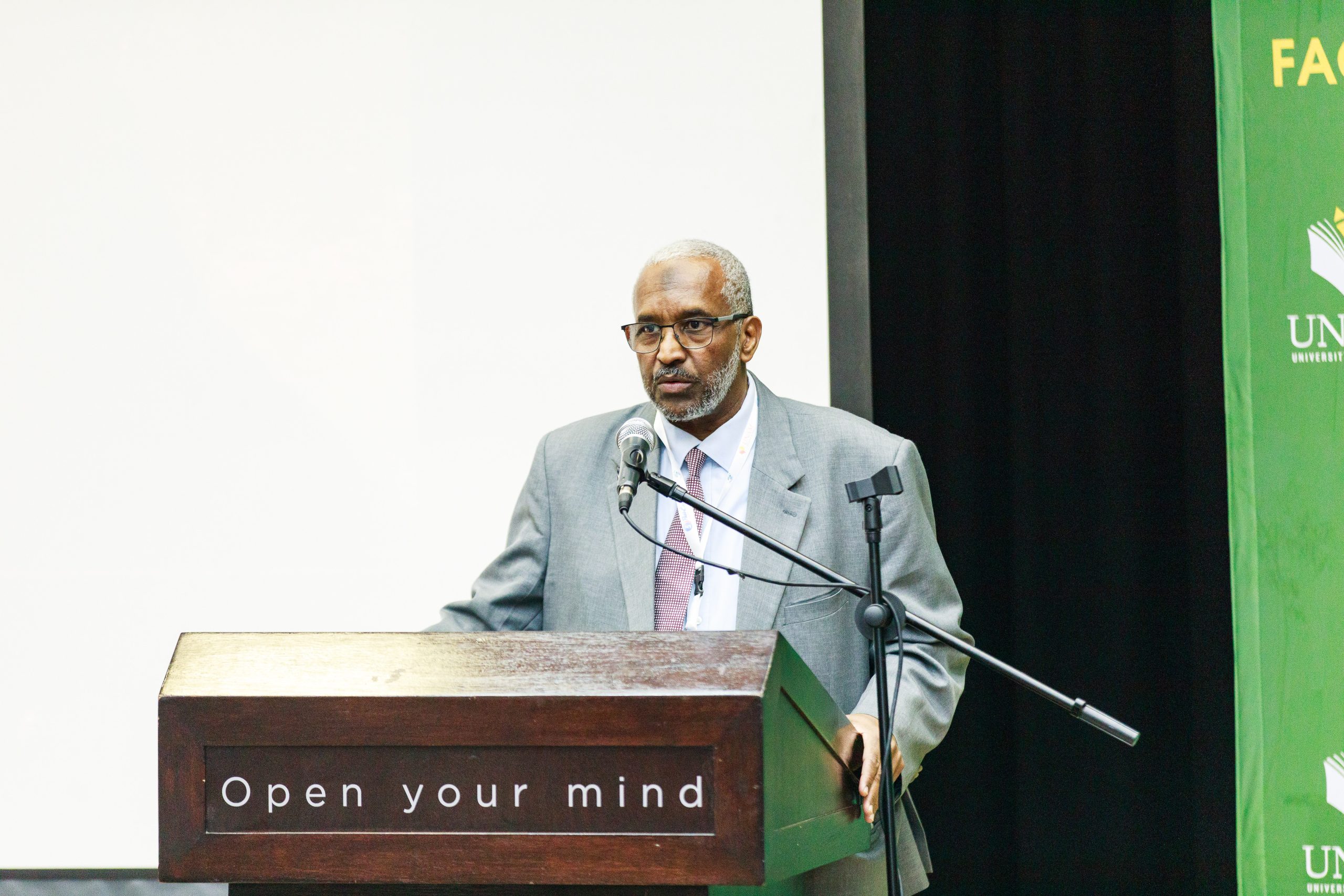
The first session dealt with Epilepsy in Africa: Current Research, Treatment Strategies and Access to Care. Prof. Boon (EAN, Belgium) initiated proceedings by dealing with Atypical Seizures, Mimics and Chameleons. He reviewed the most recent ILAE classification and presented several fascinating cases of patients presenting with unusual seizures, highlighting important aspects of their clinical history, seizure semiology, imaging and electroencephalograms (EEG). Prof. Jo Wilmshurst (ILAE, South Africa) spoke on paediatric seizure management in resource-limited settings, concentrating on the challenges and how these translate into the high burden of epilepsy in Africa. She also addressed the treatment gap and the serious problem of access to care. She emphasised the importance of obtaining a detailed description of seizure semiology from witness accounts, as well as the utility of smartphone videos when considering semiology to classify seizures, making the point that identifying the aetiology and early initiation of appropriate treatment are especially important in children.
During a session on Neuroinfectious Diseases in Sub-Saharan Africa, Prof. Suzaan Marais (AFAN, South Africa) and Prof. Erich Schmutzhard (EAN, Austria) provided excellent virtual presentations. Prof. Marais reminded attendees of the extraordinary high prevalence of tuberculosis (TB) and HIV in sub-Saharan Africa and provided valuable insights into the numerous presentations of TB infections of the CNS including meningitis, tuberculoma, myelopathy, radiculopathy and TB-IRIS. She offered practical advice on the investigation and management of these in sub-Saharan Africa and other resource limited settings. Prof. Schmutzhard provided an outstanding overview illustrating the broad spectrum of clinical neurological syndromes and radiological presentations which result from the wide range of bacterial, parasitic, viral and other infectious pathogens that occur in Africa and the global south.


In a session on Neurological Emergencies, Prof. Imen Kacem (AFAN, Tunisia) spoke on acute neuromuscular emergencies, presenting a wide variety of illustrative cases and extremely useful approaches to clinical examination, neurophysiological investigations and management. Dr Daniel Gams-Massi (AFAN, Cameroon) discussed seizure emergencies, focusing on status epilepticus (SE). He reviewed the current definition of SE, as well as its complications and the difficulty in recognizing non-convulsive SE where there is no access to EEG. He provided valuable advice on diagnosis, management and treatment of SE in Africa, highlighting challenges such as limited access to health care, anti-seizure medications, brain imaging and EEG. Prof. Athanase Millogo (AFAN, Burkina Faso) delivered a talk dealing with acute meningitis and encephalitis in resource constrained settings stressing the importance of early diagnosis and treatment.
During an excellent session on Movement Disorders, Dr David Brodie-Mends (MDS, Ghana) dealt with hypokinetic disorders, while Dr Nkechi Obianozie (MDS, Nigeria) covered hyperkinetic conditions. Both speakers provided insightful global and African perspectives with practical, up-to-date information on clinical diagnosis, investigation and management. Prof. Pille Taba (EAN, Estonia) ended this session with an extremely useful talk on Functional Movement Disorders.
Dr Jeremy Tanner (AAN, USA) delivered a pragmatic lunch time talk on How to Develop Research Protocols, addressing the important systematic steps to follow, and providing crucial tips directed primarily at neurology residents and early career neurologists.
During a session on Paediatric Neurology in Africa: Emerging Trends and Best Practices, Prof. Jo Wilmshurst delivered an overview of neuromuscular disorders in the African paediatric population. She included a summary of relevant genetics and detailed the challenges of dealing with these conditions in lower middle-income countries. Prof. Wilmshurst also spoke on Developmental Epileptic Encephalopathies: Diagnosis and Management, covering clinical features, aetiology, treatment, outcomes and genetics. Prof. Moustapha Ndiaye (AFAN, Senegal) concluded the session with an excellent overview of Neuroinfections in Children from an African Perspective, covering pathogenesis, available epidemiological data and clinical presentation, as well as appropriate investigation and management in poorly resourced regions.
A session titled Advances in Dementia: Diagnosis, Treatment, and Management in Africa began with an important virtual presentation by Prof. Raj Kalaria (International Brain Research Organization, Kenya), which dealt with Potentially Treatable Causes of Cognitive Impairment and Dementia in Africa. This was followed by Dr Jeremy Tanner discussing The Role of Neuroimaging in Early Diagnosis and Monitoring of Dementia. He stressed the importance of detailed history taking, neurological examination, and neurocognitive assessment, as well as neuroimaging where available. These speakers then led an interactive discussion with the delegates, dealing with challenges in early detection and diagnosis of Alzheimer’s disease in resource-limited settings, brain health education, and the importance of local advocates and champions to raise awareness.
Prof. Muaz Elsayed (AFAN, Sudan) delivered a very informative virtual presentation on CNS Demyelinating Disorders in Africa, touching on the epidemiology, clinical presentation, investigation, treatment and outcomes of immune-mediated, para-infectious and neurodegenerative demyelinating conditions.
During a session on stroke, Dr Vaja Zatjirua (AFAN, Namibia) provided an overview of the burden of stroke in Africa, as well as appropriate acute and post-acute stroke care in Africa and other resource-constrained environments. Prof. Osheik Seidi (AFAN, Sudan) dealt with Stroke Mimics and Chameleons, drawing particular attention to reasons why stroke symptoms may often be misinterpreted leading to late presentation.
A headache session included a practical presentation on Management of Acute Headaches in Africa by Dr Percy Kumire (Namibia), which concentrated on ‘red flags’ and sinister headaches in the African context. Dr Daniel Gams-Massi (AFAN, Cameroon) covered Chronic Headaches: Long-Term Management Strategies, Preventative Treatment and Patient Education in Africa.
During a session titled Brain Health and the IGAP in Africa, Prof. Steven Lewis (WFN, USA) and Prof. Lawrence Tucker (AFAN, South Africa) spoke on the many serious current and future challenges facing brain health globally, but especially in Africa and the Global South. They outlined proposed strategies to mitigate these, including the usefulness of the Intersectoral Global Action Plan for Epilepsy and Other Neurological Conditions (IGAP), as well as the necessity to expand neurology education across the African continent. Prof. Jo Wilmshurst and Prof Osheik Seidi elaborated on IGAP during a combined interactive discussion titled What Can IGAP Do For You, And What Can You Do For IGAP?”.
Practical Workshops
Each afternoon a variety of practical workshops were run in parallel. This ensured small groups with maximal participant engagement.
The first workshop, led by Prof. Paul Boon and Dr Vaja Zatjirua dealt with interpretation of neuroimaging (CT and MRI). This covered a wide spectrum of neuropathology including ischaemic and haemorrhagic stroke, neuroinfections, tumours and demyelinating conditions of the CNS.
Prof. Lawrence Tucker ran a workshop on Performing and interpreting EEGs in Africa. Using numerous illustrative EEG epochs, he emphasised the importance of not mistaking normal variants or artifacts as abnormalities.


Two practical hands-on neurophysiology workshops were held, dealing with nerve conduction studies (NCS) and needle electromyography (EMG). They were run by Dr Melody Asukile (AFAN, Zambia), Dr Kate McMullen (AFAN, South Africa), Prof. Imen Kacem and Dr Saara Neshuku (AFAN, Namibia), all of whom have extensive clinical neurophysiology experience. Two EMG machines were made available pro bono by a medical equipment company and participants performed routine nerve conduction and EMG studies on volunteers within the group.
A practical workshop led by Prof. Seidi and Dr Desmond Koffie (AFAN, Ghana) dealt with Stroke Assessment, Diagnosis and Acute Management. Several small-group, patient-based workshops also proved very popular. During these, residents shared several of their pre-prepared clinical cases, which were then discussed with faculty. A workshop which drew particular interest addressed The Role of Genetics in Neurological Disorders: Implications for Africa. This was led by Prof. Imen Kacem, who highlighted the increasing recognition of the high prevalence of various neurogenetic diseases in Africa.
Prof. Steven Lewis (WFN, USA) ran a practical workshop dealing with the clinical, neurological examinations, which proved particularly useful and very entertaining. He provided invaluable insights into examination techniques and touched on common mistakes made during the examination.
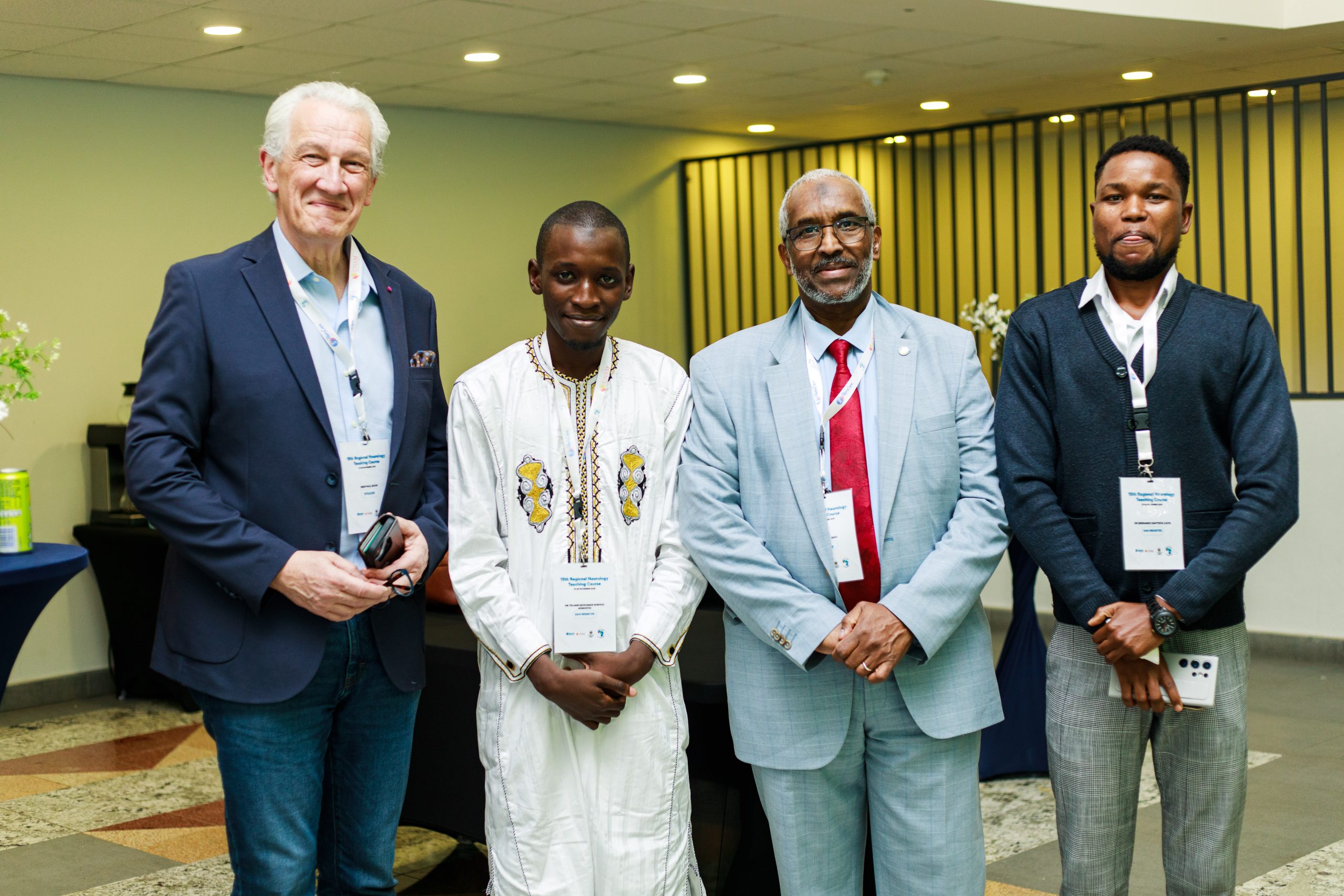
A very successful networking event was held on the second evening, during which delegates and faculty interacted in a relaxed environment, and a separate faculty dinner provided an opportunity for enjoyable interaction between the speakers.
The RTC concluded with an examination for delegates in the form of multiple-choice questions submitted by the faculty. A delegate feedback survey was distributed and, overall, responses were very complimentary. All speakers were presented with certificates of appreciation.