Alina Dospayeva, Almaty, Kazakhstan
Hosting department: Koç University Research Center for Translational Medicine; Istanbul, Türkiye
Supervisor: Prof. Ayse Altintas
Since the beginning of medical school, I have been fascinated by the complexity of the nervous system as the brain is the most interesting and complex organ in the human body, full of undiscovered research. I see great potential in this field not only from a clinical perspective, but also from the intersection with medical technological innovation, particularly in Brain-Computer Interfaces, Deep Brain Stimulation, and AI-driven neuroimaging.
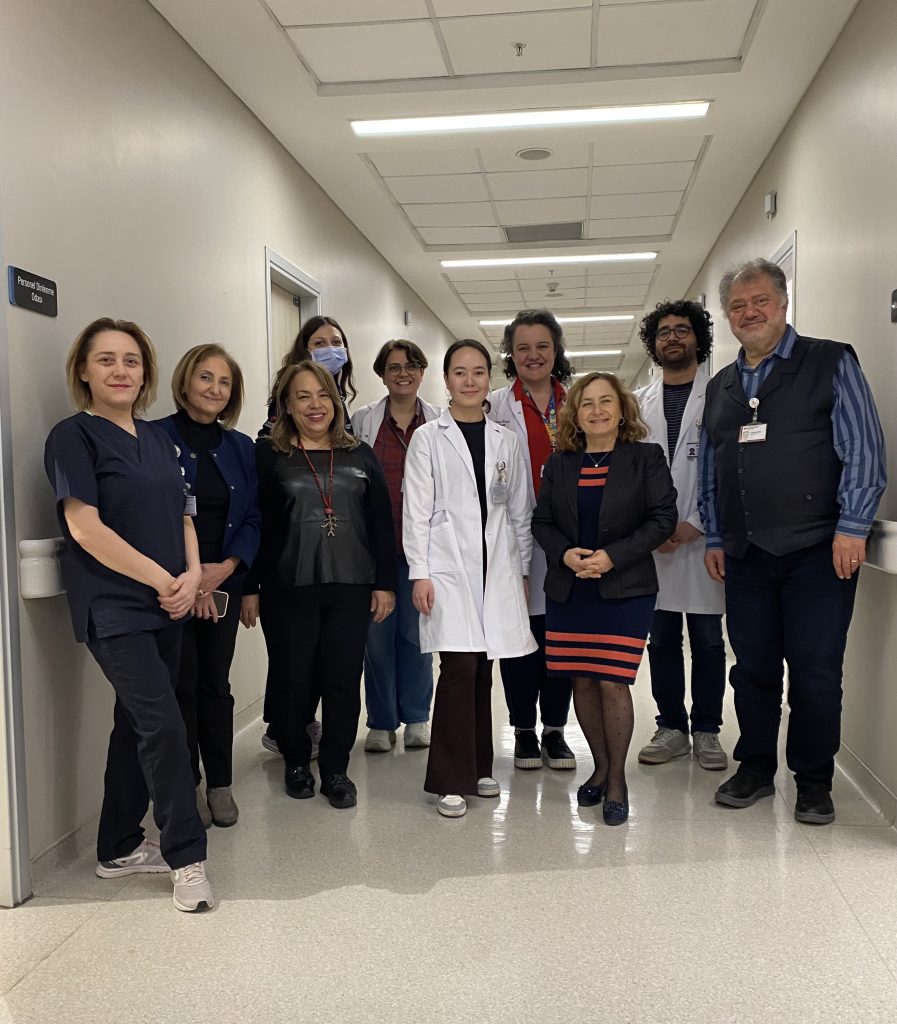
Participating in a clinical observership at Koç University Hospital during my final year of medical school has been a transformative milestone in my educational and professional journey. This experience offered me a profound immersion into a world-class healthcare system, bridging the gap between high-level clinical practice and cutting-edge translational research. Under the mentorship of Prof. Dr. Ayşe Altıntaş, I was privileged to witness the integration of clinical and academic excellence at the Koç University Research Center for Translational Medicine (KUTTAM).
The program was exceptionally structured, my daily routine involved a strategic balance between outpatient consultations and inpatient rounds, where I gained significant exposure to demyelinating diseases, movement disorders, vascular neurology, neuromuscular diseases, and dementia. My mentors provided invaluable guidance in refining my clinical reasoning, focusing not only on diagnostic precision but also on the nuanced understanding of pathogenesis and the latest evidence-based therapeutic updates. A highlight of the weekly academic calendar was the interdisciplinary neuroradiology meetings for discussing complex cases, which significantly sharpened my ability to interpret neuroimaging.
Working alongside renowned experts whose academic publications I had previously studied was an inspiring experience. I gained hands-on insight into the Movement Analysis Laboratory (KU-Motion), where the gait analysis for patients with cerebellar ataxia were analysed using advanced motion capture technologies. I also had the opportunity to observe and learn the technical and diagnostic fundamentals of electromyography and electroencephalography.
I also joined the daily case presentations and clinical seminars within medical school with other medical students. To conclude my observership, I had the honor of presenting a clinical case report to the department, which allowed me to receive direct feedback from leading experts.
The professional and friendly atmosphere at the hospital made a good impression on me. I am deeply grateful to the entire team of physicians and residents for their warm reception and for sharing their knowledge so generously. I felt supported in following my interests and sharing my ideas with the team. Beyond the knowledge and skills acquired, I have gained lifelong role models.
I would like to express my sincere gratitude to the European Academy of Neurology for providing this invaluable opportunity, and to the Department of Neurology at Koç University Hospital for an experience that has profoundly shaped my professional future.
Klaudia Augustyn, Olsztyn, Poland
Hosting department: Fondazione IRCCS Istituto Neurologico “Carlo Besta”; Milan, Italy
Supervisor: Prof. Anna Bersano, Dr. Benedetta Storti
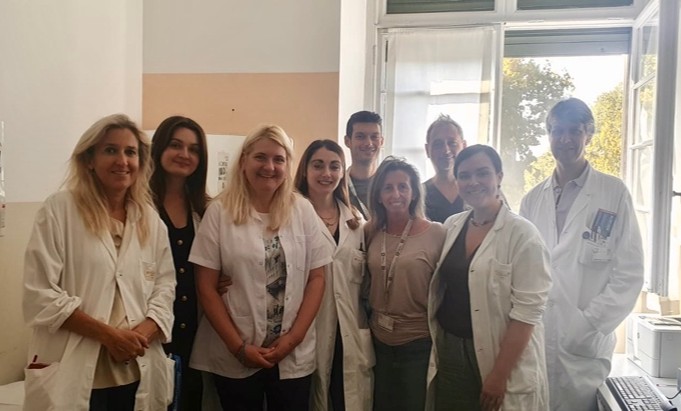
I am deeply honored to have received the European Academy of Neurology’s Student Teaser Fellowship, which provided an exceptional opportunity to join the Fondazione IRCCS Istituto Neurologico “Carlo Besta” in Milan, a leading center for neurological research and clinical care in Europe. My fellowship took place within the U.O. Malattie Cerebrovascolari under the guidance of Prof. Anna Bersano and Dr. Benedetta Storti.
From my first day, I was inspired by the seamless integration of advanced clinical care and rigorous research that defines this center. I actively engaged in both clinical and research activities, attending morning clinical rounds to observe the multidisciplinary approach to patient care and to gain insight into complex decision-making for cerebrovascular disorders. My participation in outpatient clinics dedicated to cerebrovascular diseases further deepened my understanding of diagnostic pathways and therapeutic strategies for conditions that are often challenging to identify and manage.
Additionally, I visited the laboratory of Prof. Laura Gatti, where I learned about ongoing research into biomarkers in cerebrovascular diseases. I contributed to projects on cerebral artery dissection, led by Dr. Irene Scala, and on cerebral amyloid angiopathy, supervised by Dr. Benedetta Storti. My primary roles included clinical data analysis and active participation in project discussions. I was encouraged to formulate and pursue research questions, strengthening my ability to connect clinical observations with scientific inquiry and to critically evaluate study design and methodology.
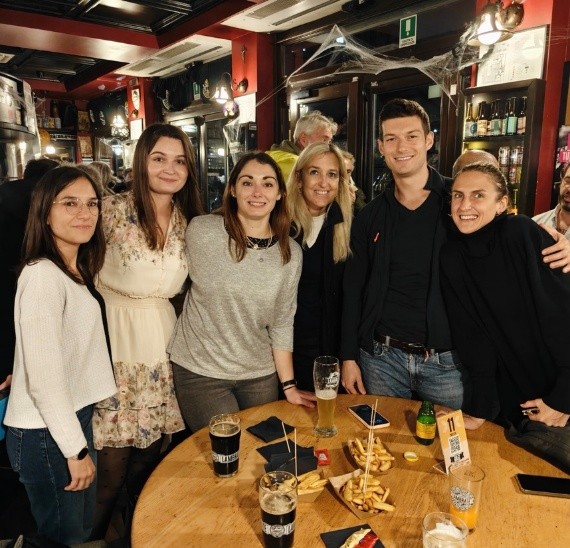
Beyond professional development, this fellowship was also a profoundly meaningful personal experience. The team welcomed me warmly and fostered an environment of intellectual curiosity, collaboration, and mutual respect. I was encouraged to ask questions, share ideas, and participate fully in both clinical and research discussions. This supportive atmosphere nurtured my growth as a student, clinician, and researcher, and enabled lasting professional relationships.
This fellowship enhanced my knowledge and skills in vascular neurology and reinforced my commitment to further training and research in this field. It clarified my vision of the neurologist I aim to become: one who integrates clinical expertise, scientific rigor, teamwork, and empathy in patient care.
I am deeply grateful to Prof. Anna Bersano, Dr. Benedetta Storti, Prof. Laura Gatti, and Dr. Irene Scala for their guidance, mentorship, and support. Their dedication to patient care and research has been truly inspiring. I also thank the entire U.O. Malattie Cerebrovascolari team for welcoming me as a valued member of the group.
Finally, I wish to express my sincere appreciation to the European Academy of Neurology for granting me this opportunity. The Student Teaser Fellowship has been invaluable in broadening my horizons, expanding my clinical and research skills, and fostering professional connections that will shape my future career in neurology.
Grazie mille!
Muhiddin Furkan Kilic, Ankara, Türkiye
Hosting department: Addenbrooke’s Hospital Cambridge Biomedical Campus; Cambridge, United Kingdom
Supervisor: Dr. Timothy Rittman
I had the opportunity to work under the guidance of Dr. Tim Rittman at Cambridge University from July 4th to August 18th. As a final-year medical student and aspiring researcher-neurologist, this experience profoundly shaped both my medical career and personal development.
My internship consisted of two main parts: clinical and research. In the clinical part, I joined the memory and PSP clinics, where I discussed cases with consultants and deepened my clinical knowledge. Observing how patients, who are the very source of our research, are approached in such clinics gave me valuable insight into how clinical research can be holistic and patient-centred. I also attended daily clinical meetings, which created opportunities to engage with the whole team and hear diverse perspectives on the cases. These experiences showed me not only the day-to-day workings of a clinic, but also how research and clinical care can be seamlessly integrated.
In the research part, I worked on a project that we defined together with Dr. Rittman, focusing on the effectiveness of normative modelling on the QMIN-MC and ADNI datasets. This project allowed me to develop valuable skills, including coding in Python, data analysis, principal component analysis (PCA), and applying normative modelling using the PCNToolkit package. The joy I felt during the learning process confirmed once again that I belong to this field.
The guidance I received from Dr. Rittman shaped my perspective on becoming a scientist, and I came to see him as a role model. The support from both him and the research team was crucial for my growth during this period.
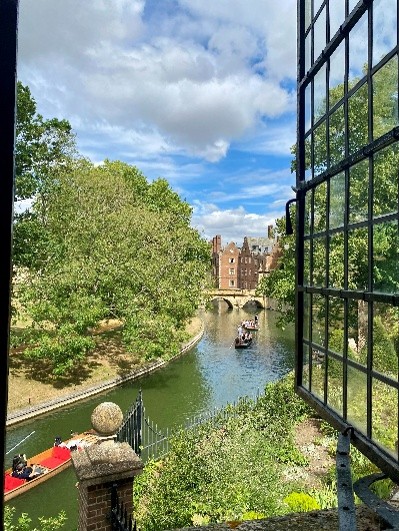
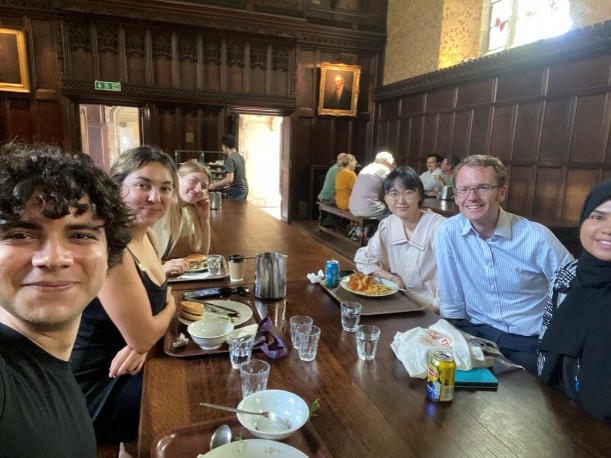
Cambridge itself was another transformative element. The city’s unique academic culture, with its historic colleges, intellectual environment, and sense of tradition, created the perfect place to study. Whether punting on the river or having lunch with colleagues in a hall that has stood for centuries, these experiences refreshed my mind and inspired me between study sessions. The whole experience often felt as though I was living in an entirely different world, almost on another planet, where every moment was steeped in history, discovery, and inspiration.
Although my time in Cambridge lasted only six weeks, it had an impact far greater than its length. It strengthened my commitment to pursuing a career at the intersection of clinical neurology and research, and it shaped me in ways that years of study alone could not. I am deeply grateful to the European Academy of Neurology for making this invaluable opportunity possible.