The 8th EAN Autumn School was held on 21-25 October and took place in the beautiful city of Vienna, Austria for the second time. The EAN was delighted to welcome 60 participants from 24 countries: Albania, Armenia, Bosnia and Herzegovina, Bulgaria, Cyprus, Egypt, Finland, France, Georgia, Germany, Greece, Ireland, Italy, Lithuania, Moldova, Poland, Portugal, Romania, Russia, Spain, Switzerland, Türkiye, Ukraine and the UK.
We would like to express our thanks to the fantastic faculty, coming from Austria, Belgium, Italy, Spain, The Netherlands and United Kingdom.
The programme for 2026 covered the following:
Day 1 – Paresis
Day 2 – Fatigue and fatigability
Day 3 – Non-motor symptoms in parkinsonism (co-organised with the International Parkinson and Movement Disorder Society)
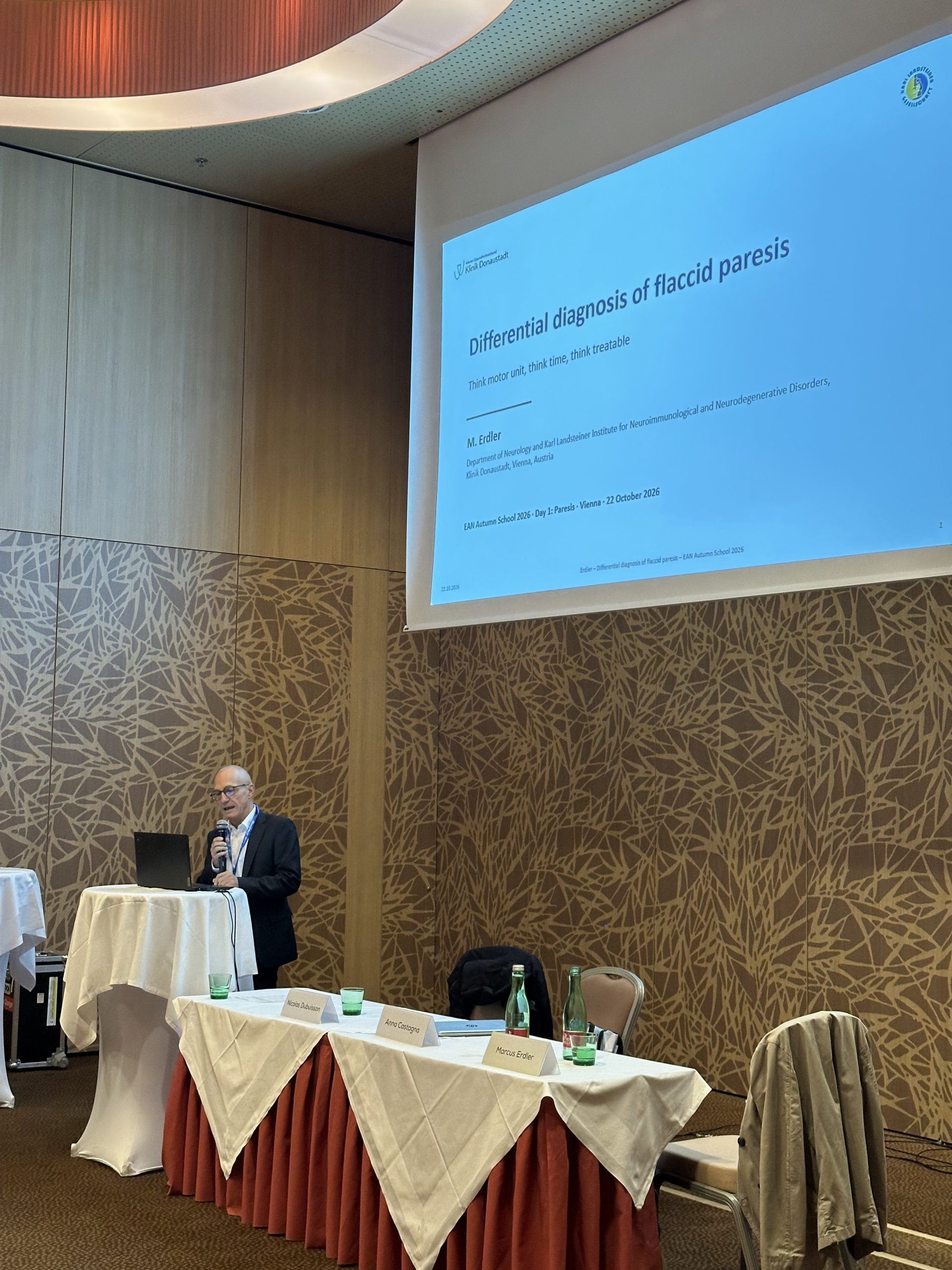
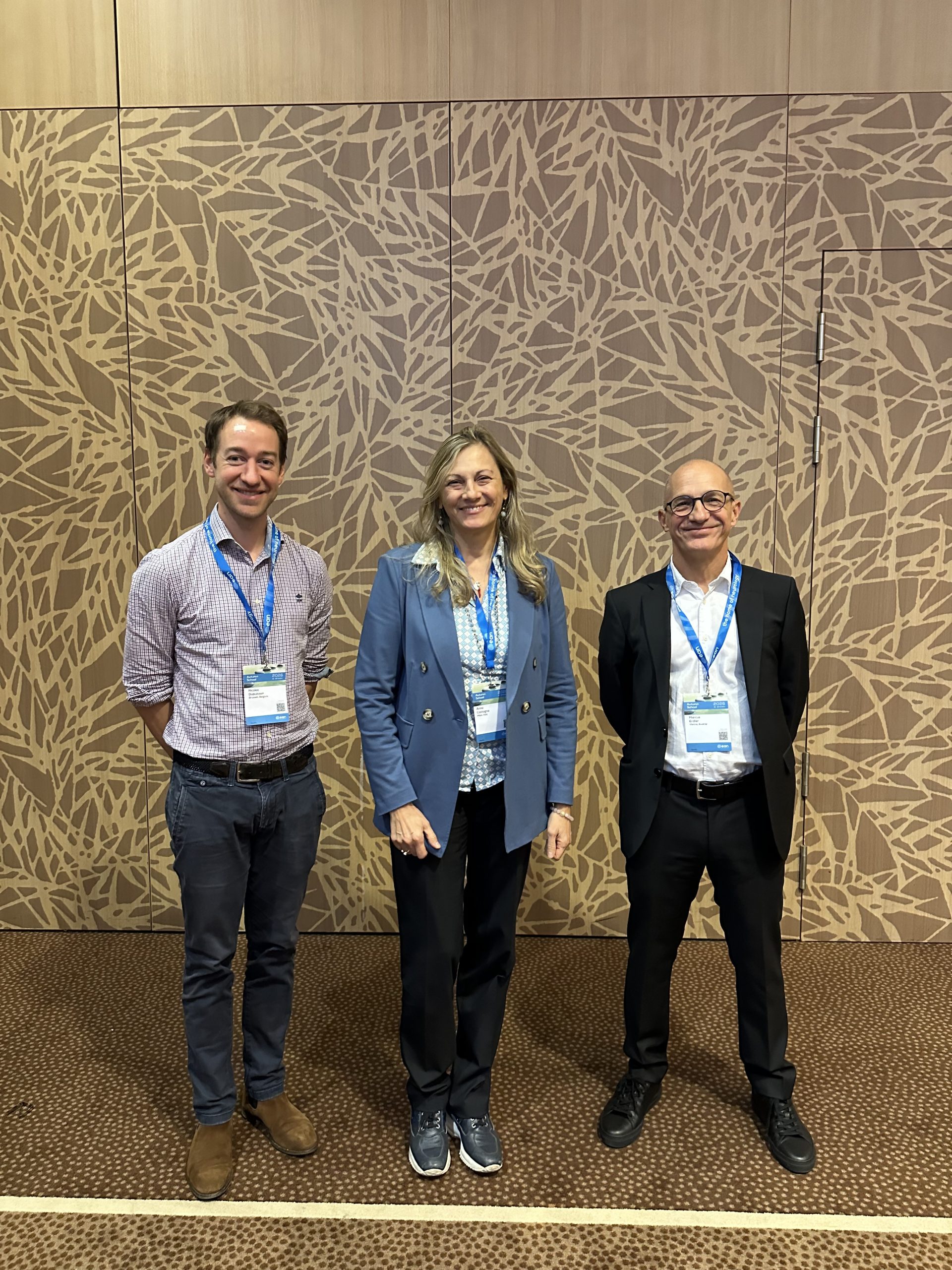
On the first day, Nicolas Dubuisson (Brussels, Belgium) started the school lectures with his presentation on ‘Clinical examination of paresis’; Anna Castagna (Milan, Italy) talked about ‘Differential diagnosis of spasticity’ and Marcus Erdler (Vienna, Austria) covered ‘Differential diagnosis of flaccid paresis ‘.
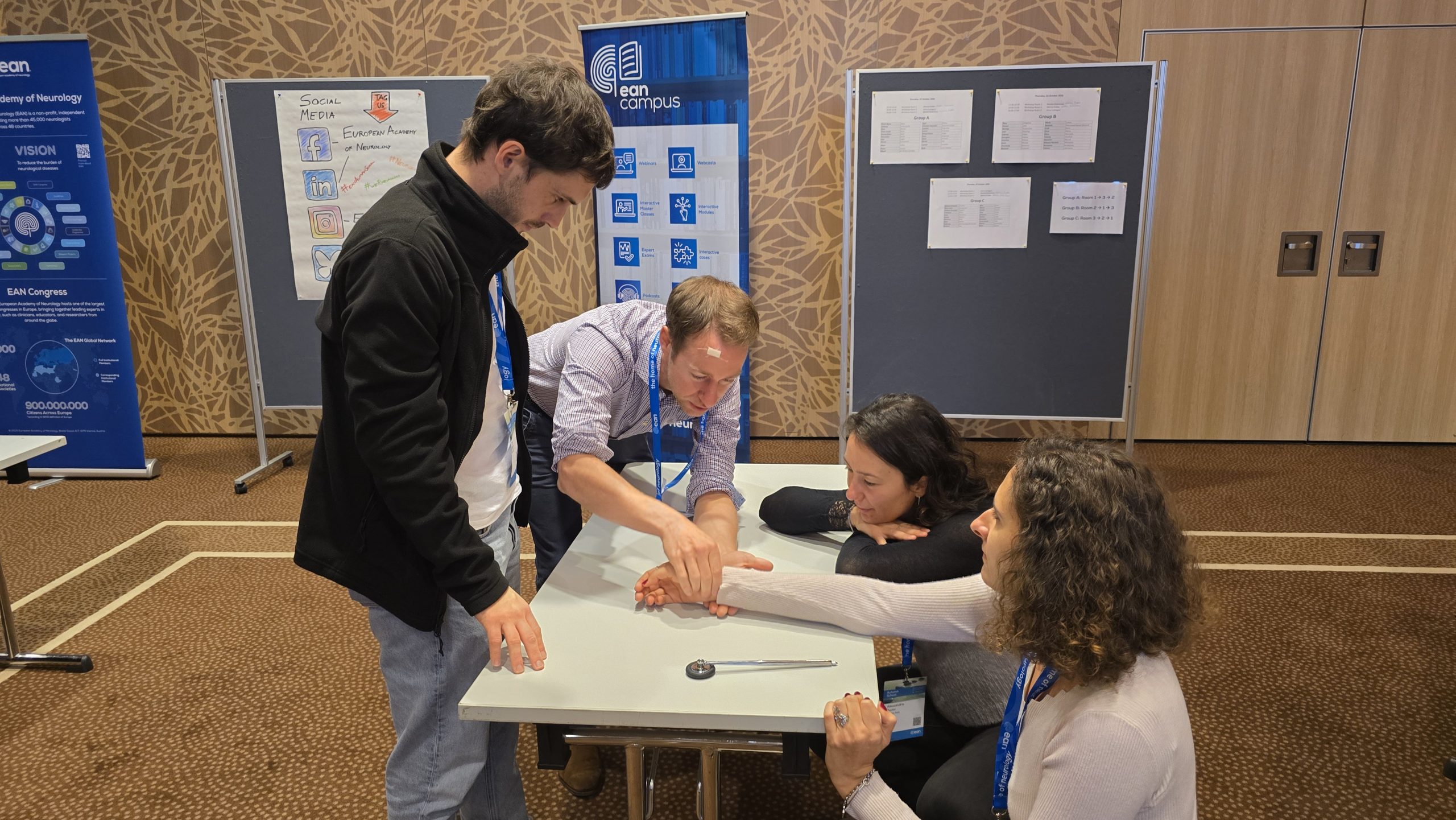
The afternoon workshops gave the participants the opportunity learn about ‘Clinical approach to paresis’, and discuss ‘Clinical management of spasticity with multimodal tailored treatment’. Another session was ‘Weak, wasted or floppy? Neuromuscular cases from childhood to adulthood –SMA, dystrophinopathies and treatable mimics’.

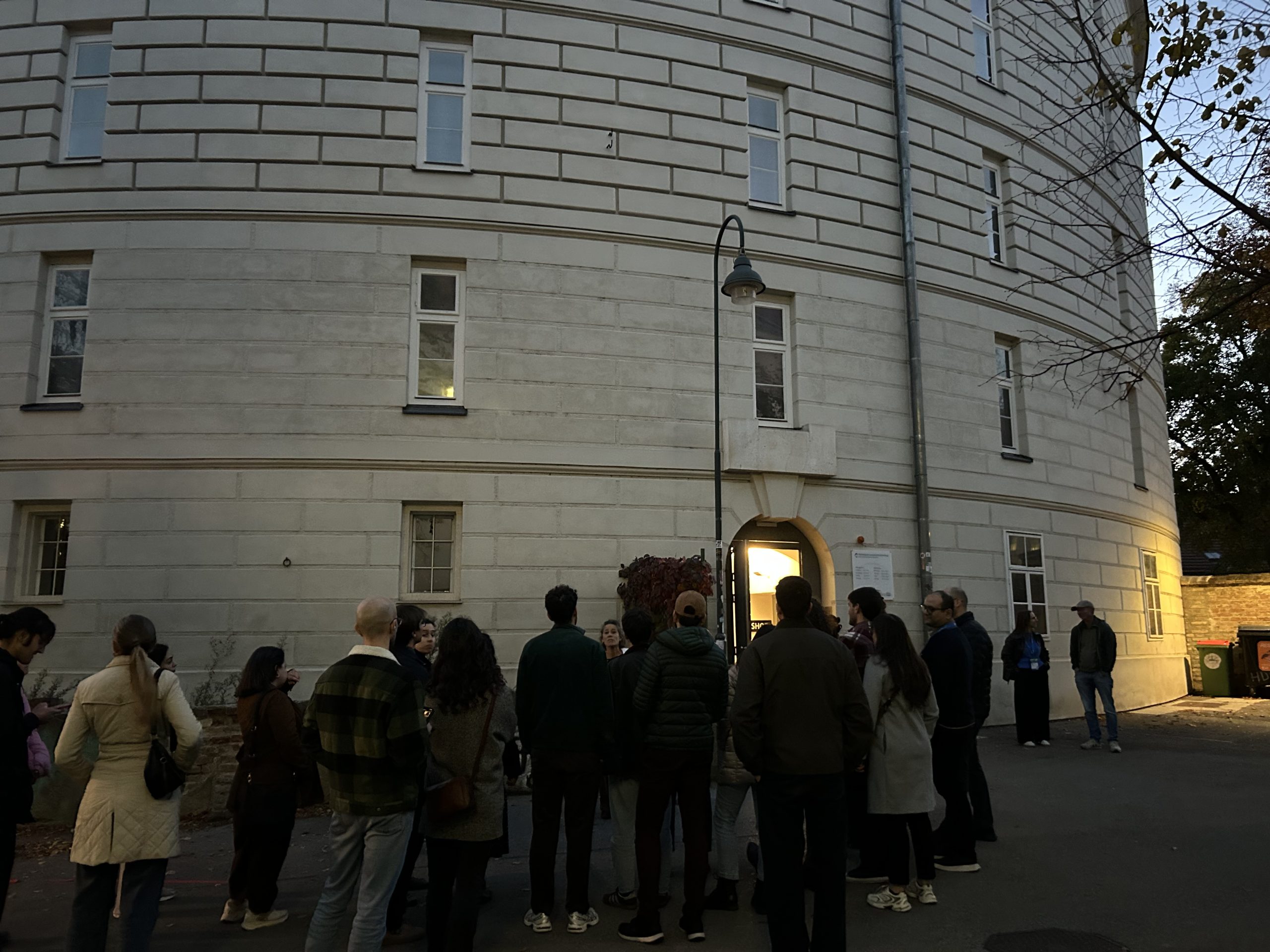
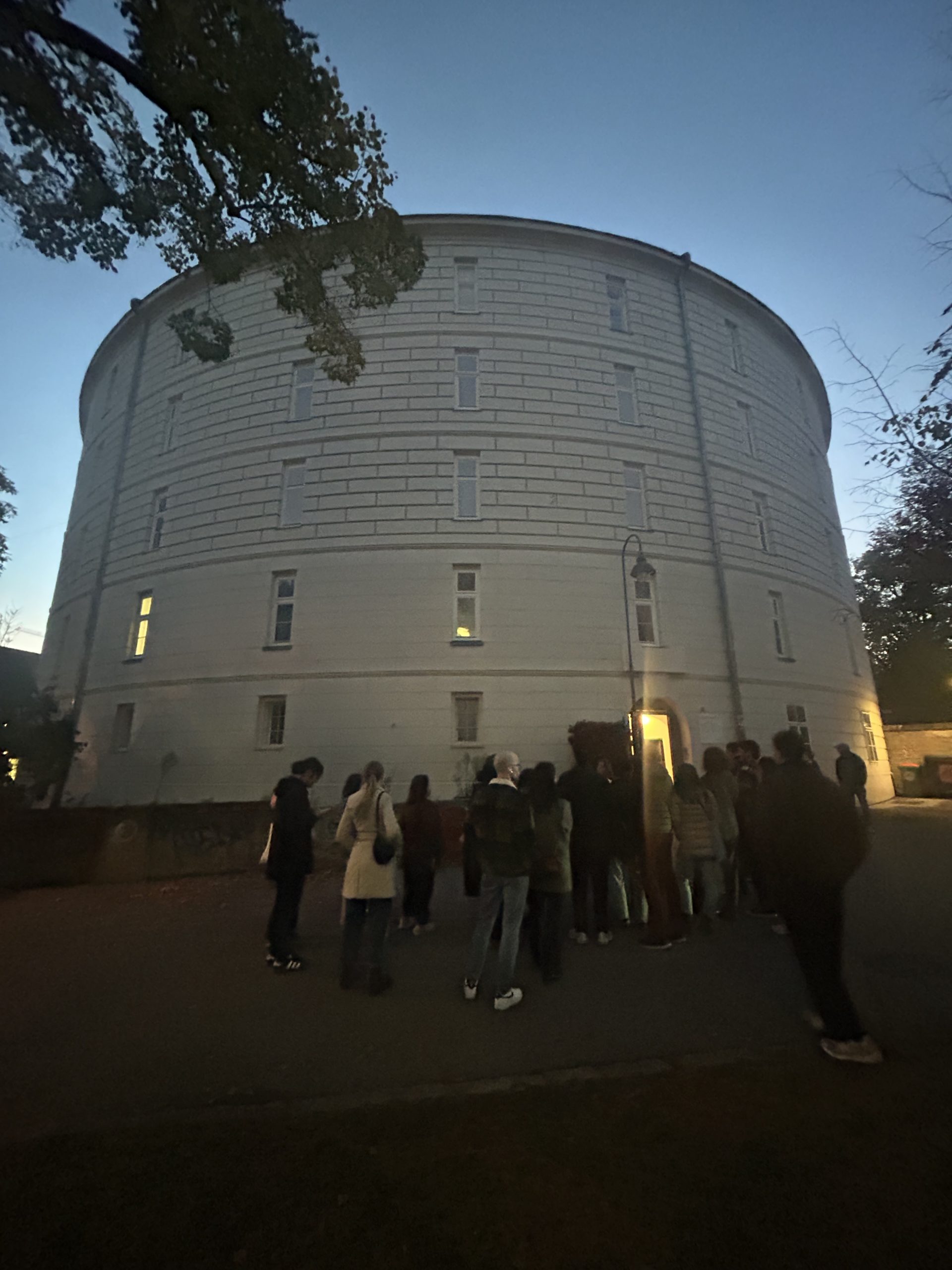
After the lectures were finished, the whole group went to the well-known Narrenturm, a building which houses the pathological-anatomical collection. The collection comprises almost 50,000 objects, including medical-historical instruments and it is considered the world’s largest collection of pathological specimens. The guided tour was followed by a relaxed evening with a traditional Austrian dinner.
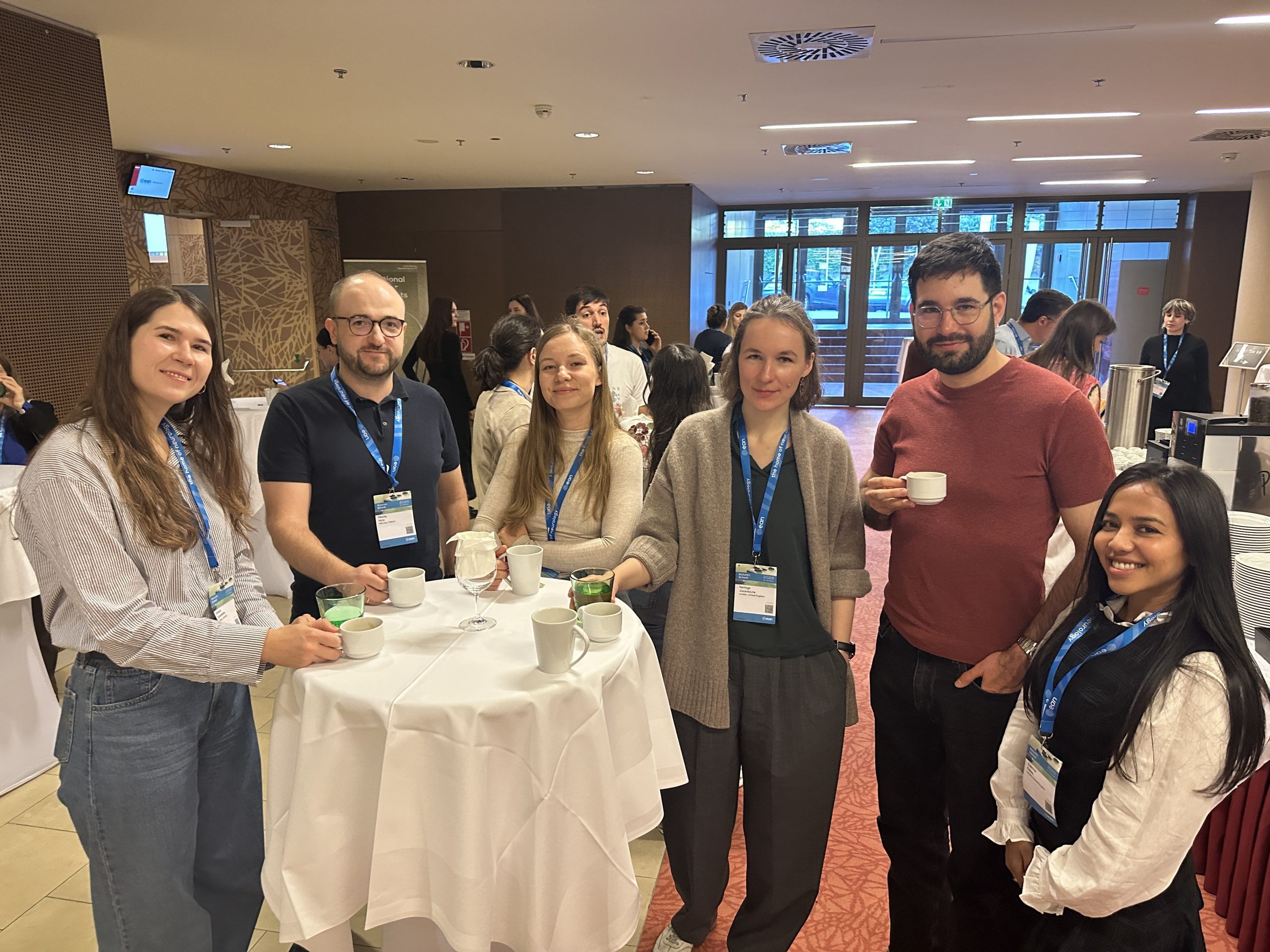
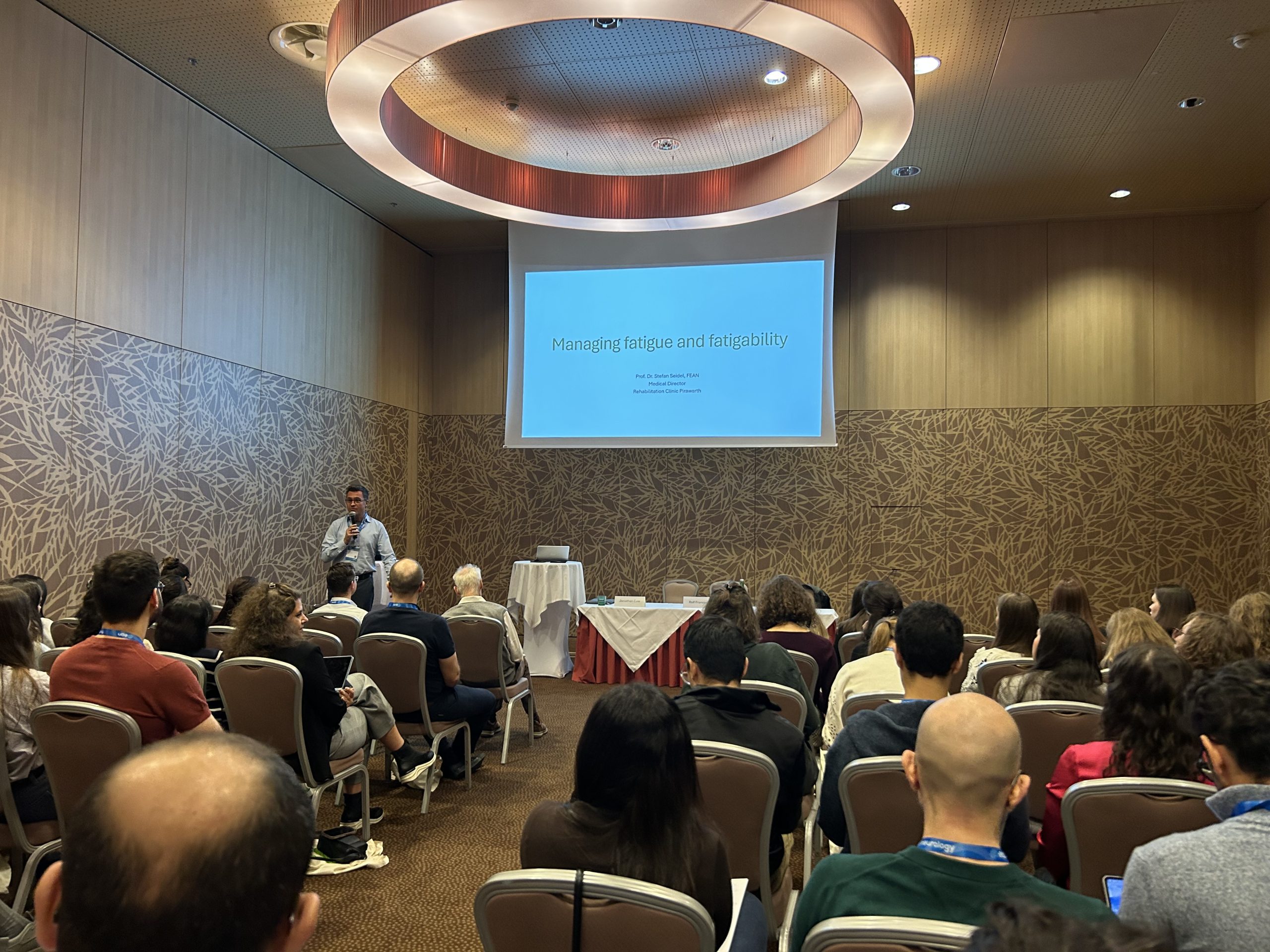
On day two the speakers addressed different aspects of fatigue and fatigability: Jonathan Cole (Poole, UK) held spoke about ‘Signs and symptoms’, Rolf Fronczek (Leiden, The Netherlands) focused on ‘Differential diagnosis’ and Stefan Seidel (Vienna, Austria) informed participants about ‘Management of fatigue and fatigability.
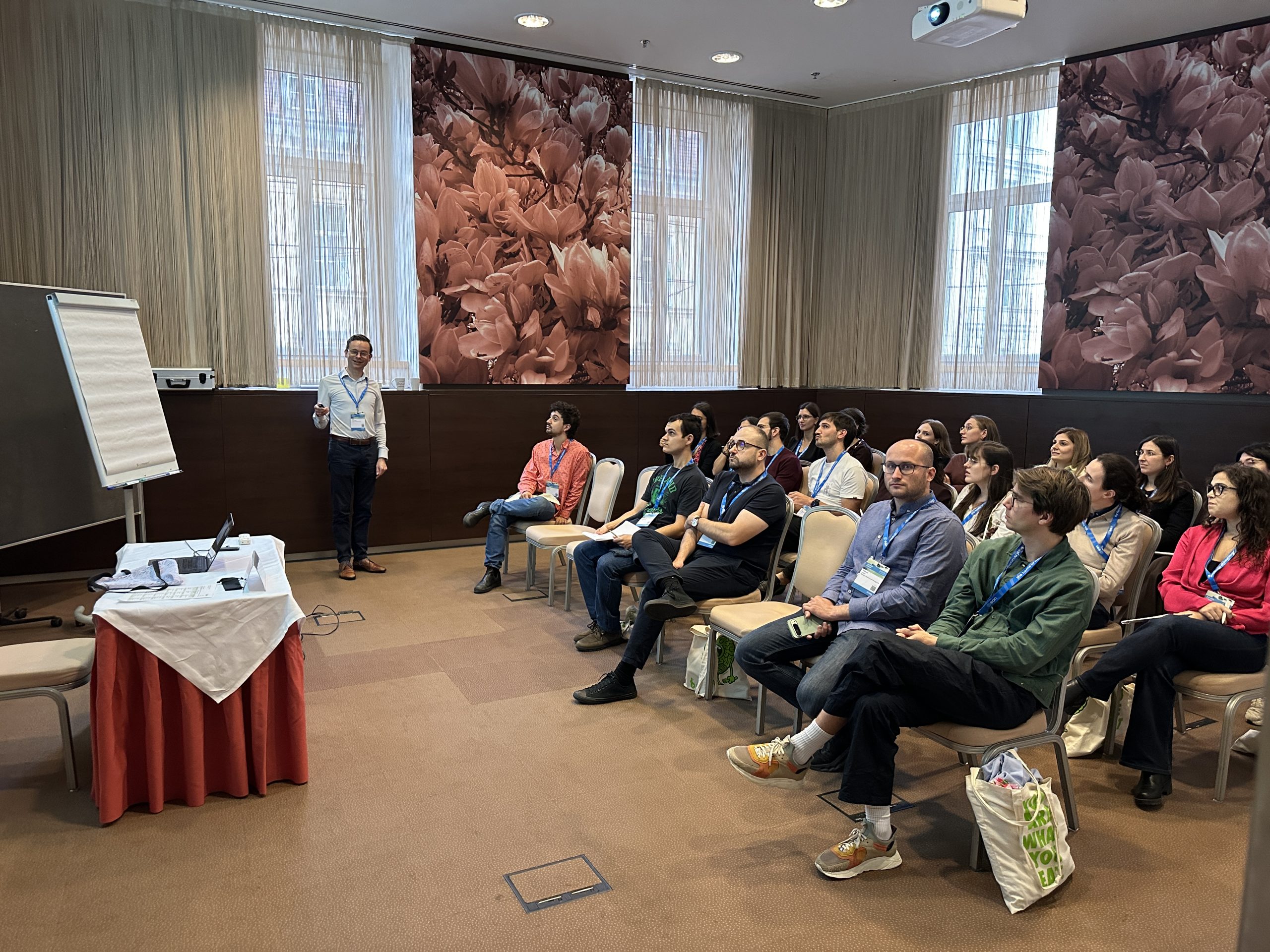
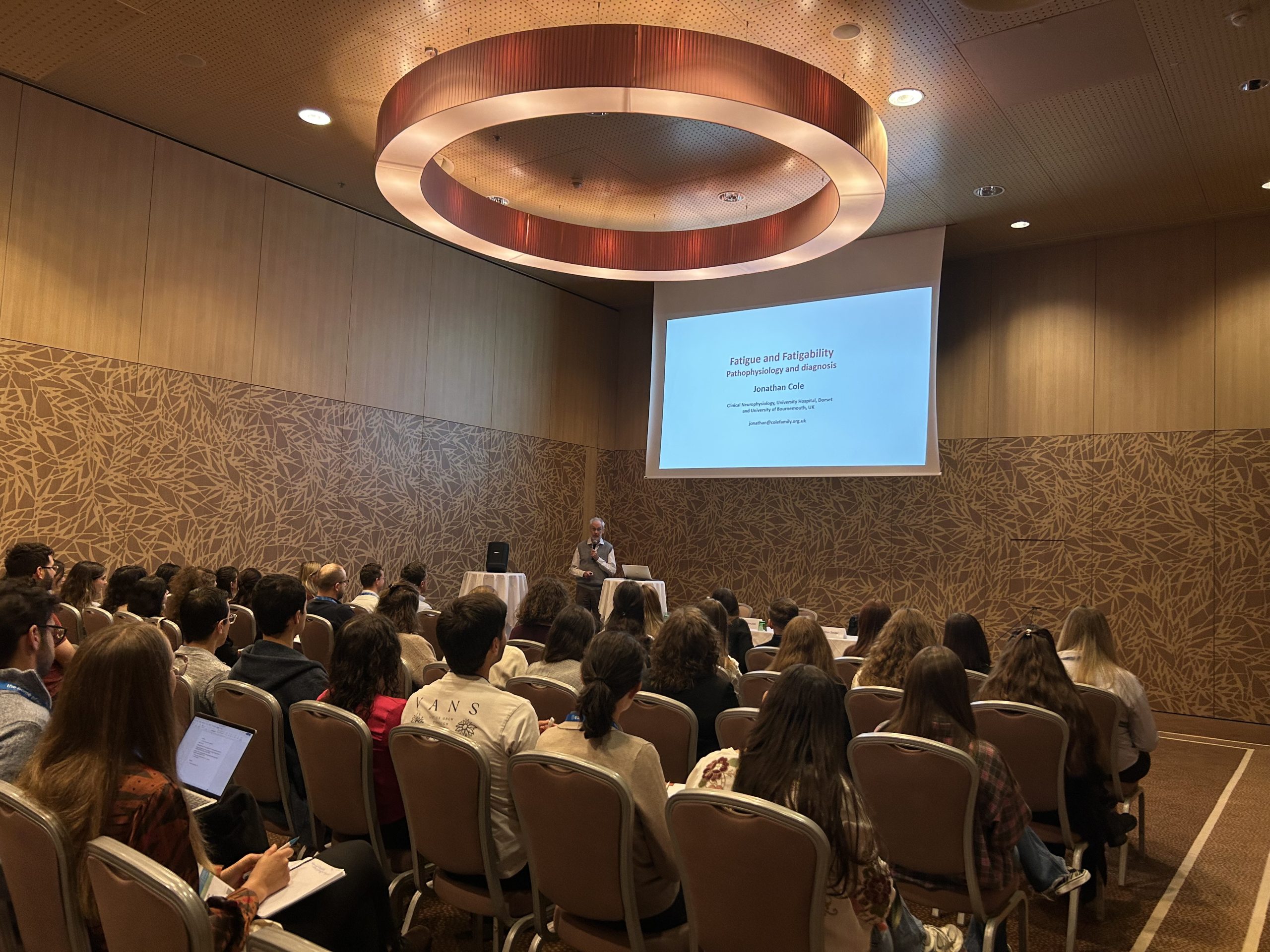
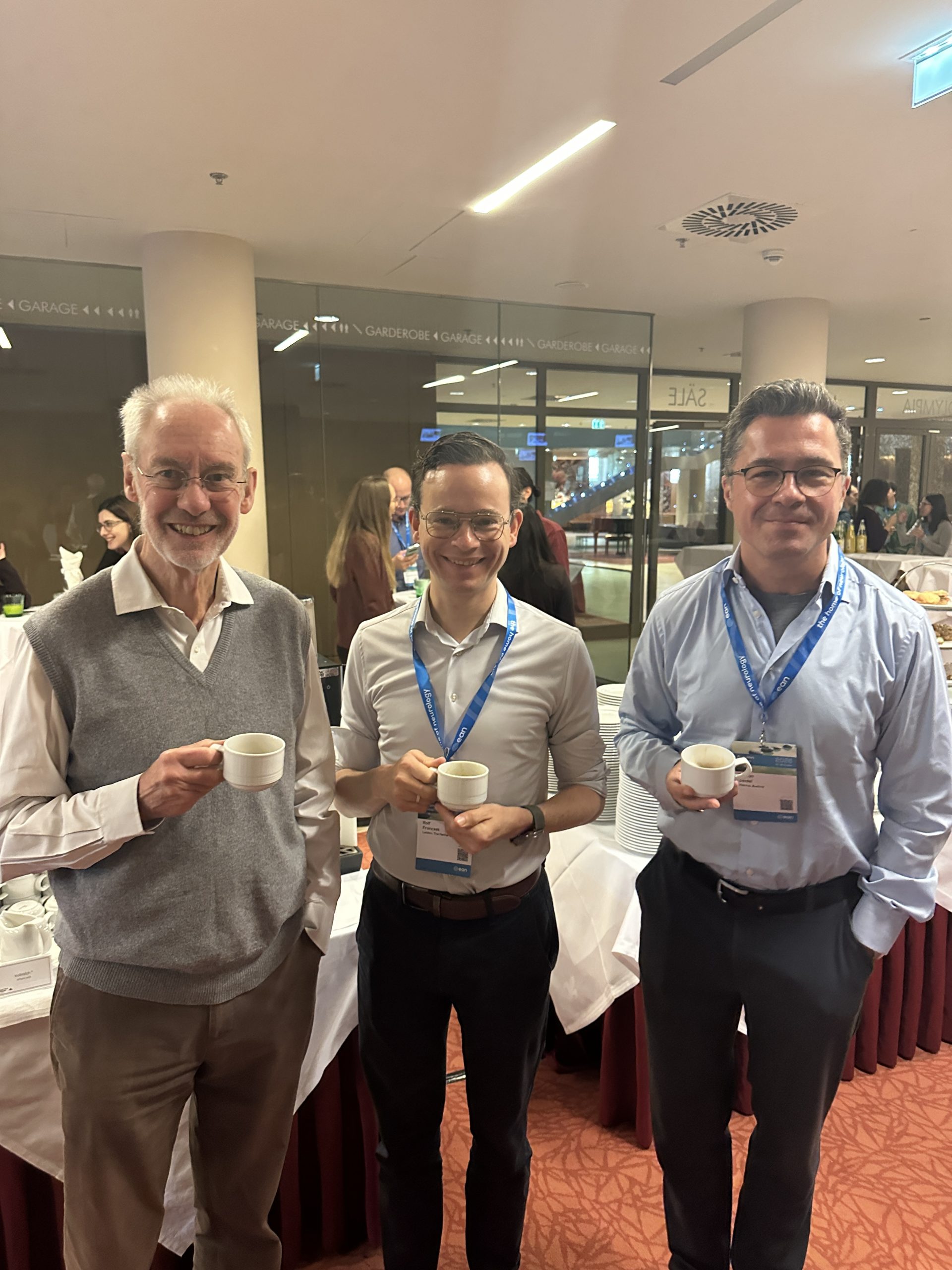
During the afternoon workshops, the participants discussed the most interesting cases in the clinical experience of the faculty under the headings ‘Fatigue; definition, diagnosis and physiology’, ‘Sleepy & fatigued – Interactive cases’ and ‘Managing fatigue in patients with neurological diseases’.
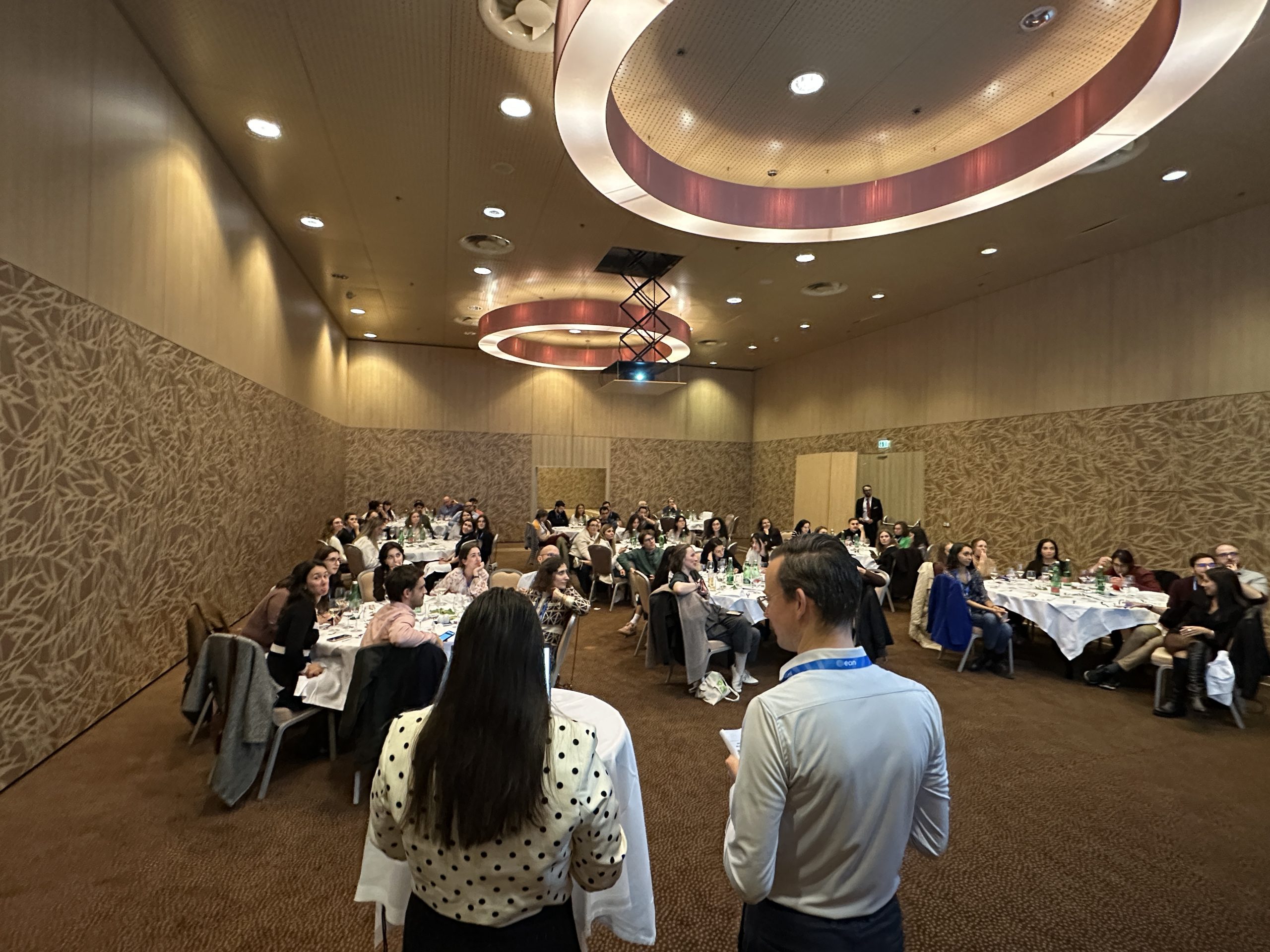
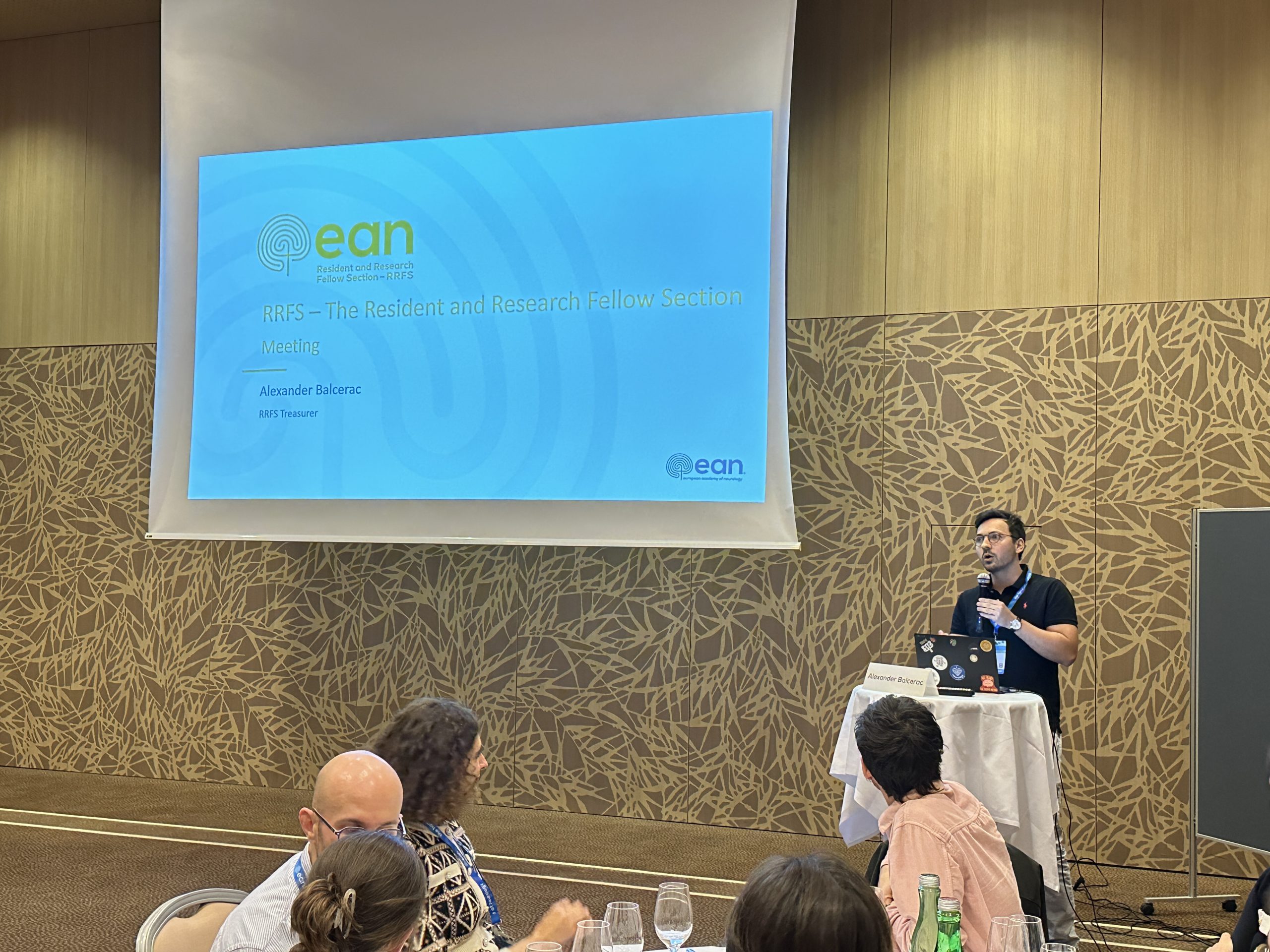
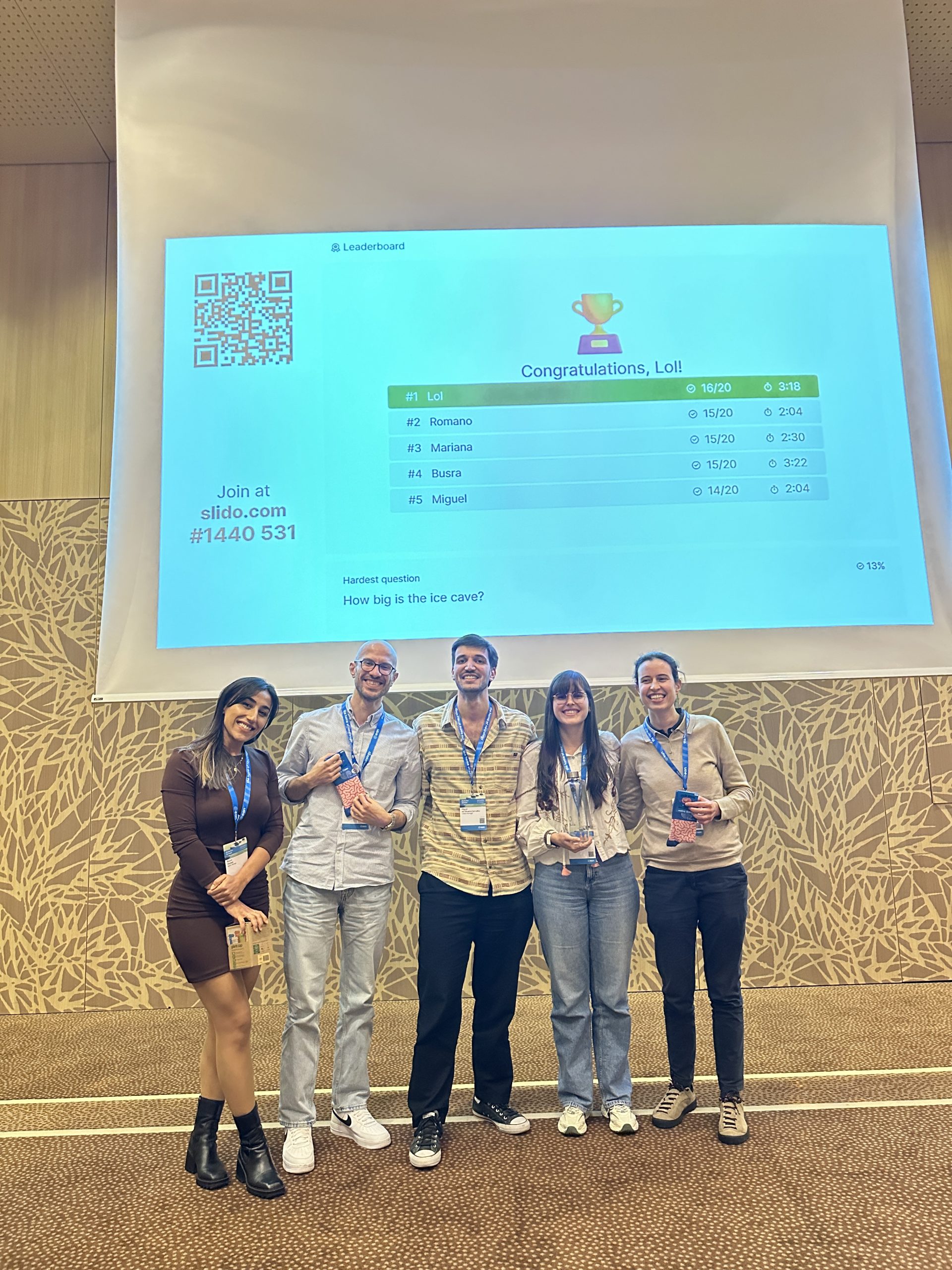
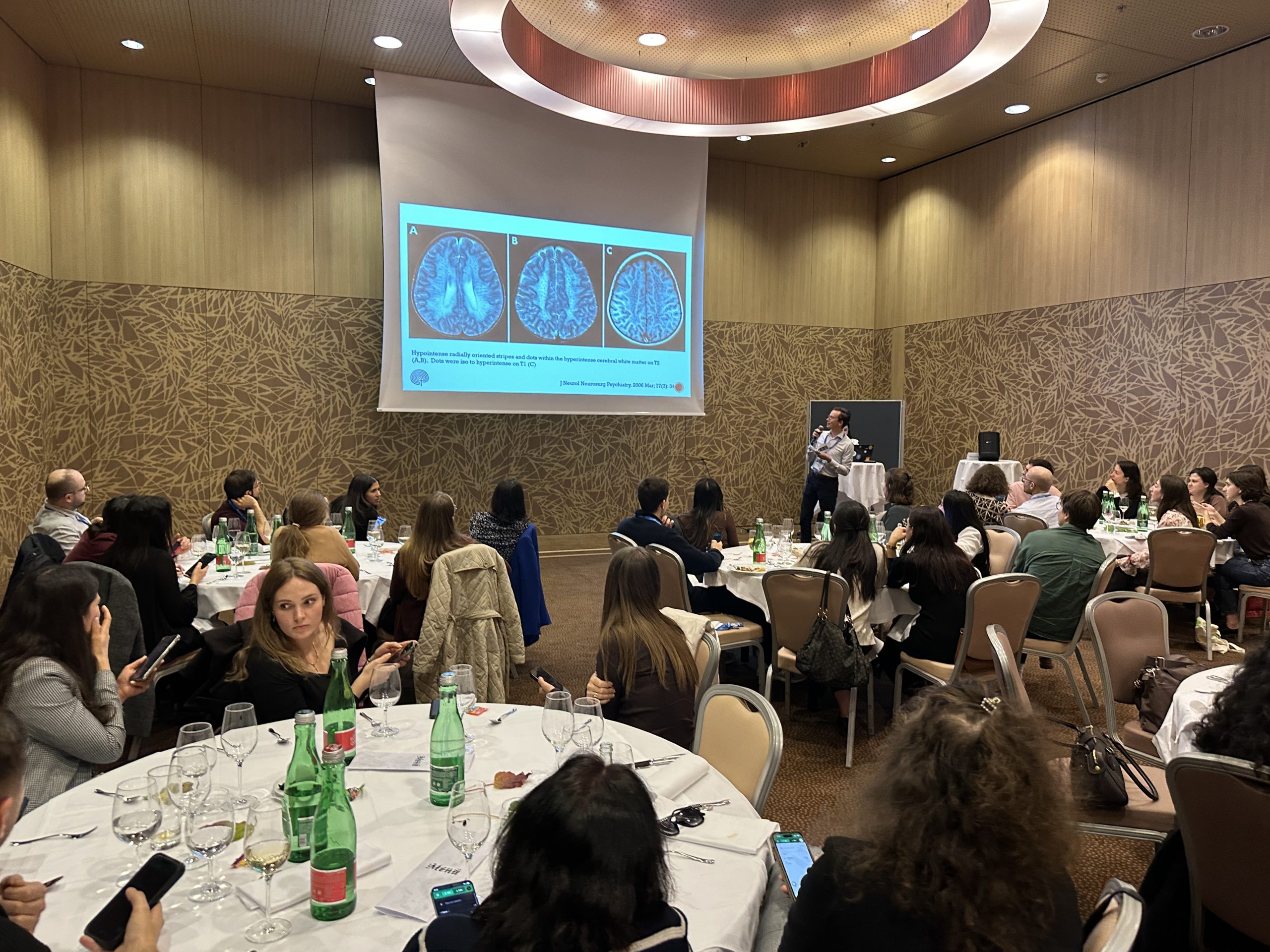
In the evening, participants were treated to a ‘Scientific Dinner’, which kicked off with a presentation by Alexander Balcerac (Paris, France), covering the possibilities for junior neurologists as EAN Resident and Research Fellow Section members (RRFS) and the opportunities in education, research and career development.
While enjoying a nice three-course meal, the attendees took part in a fun and educational quiz, testing their knowledge of neurology, Austria, and the EAN.
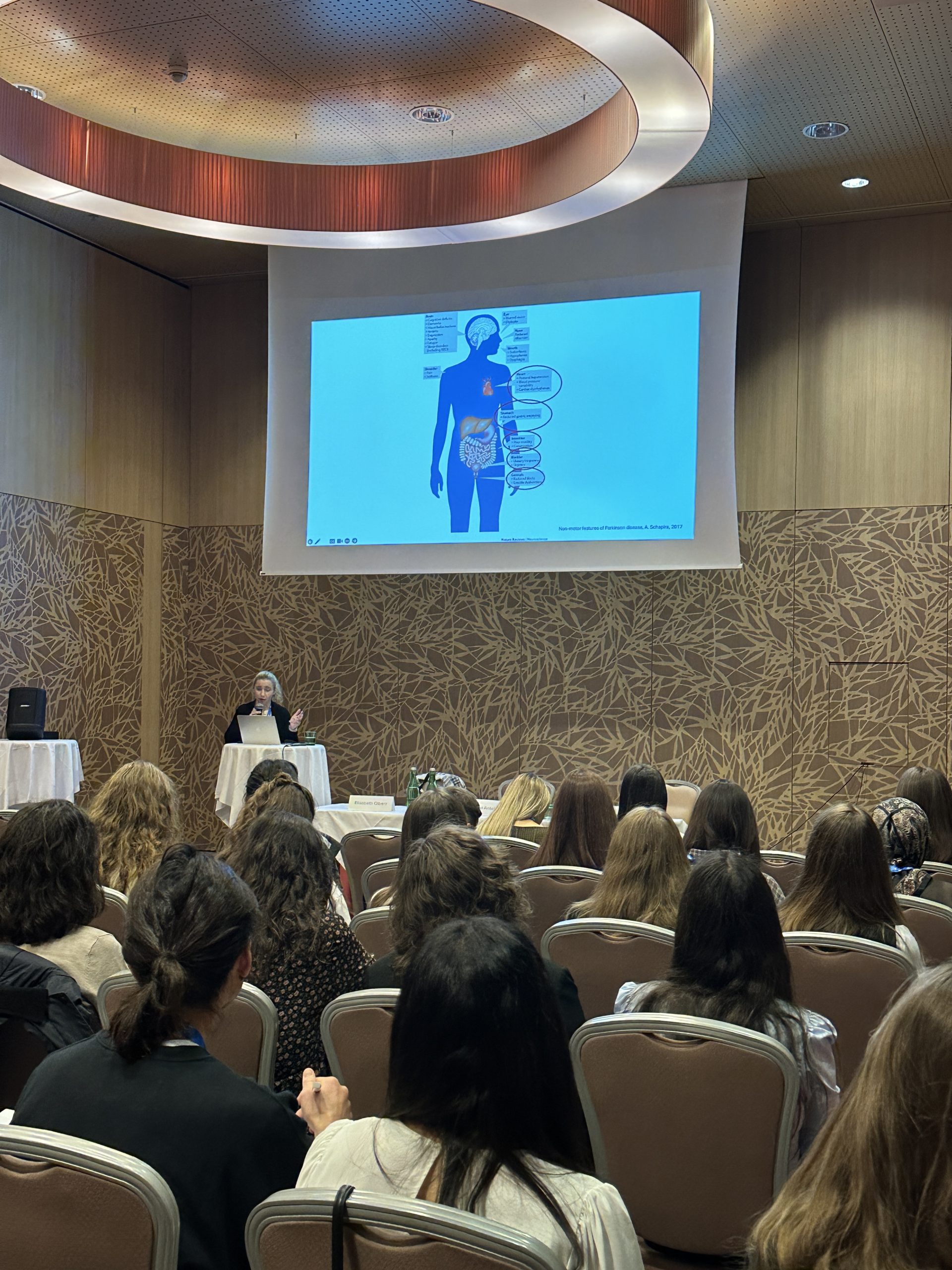
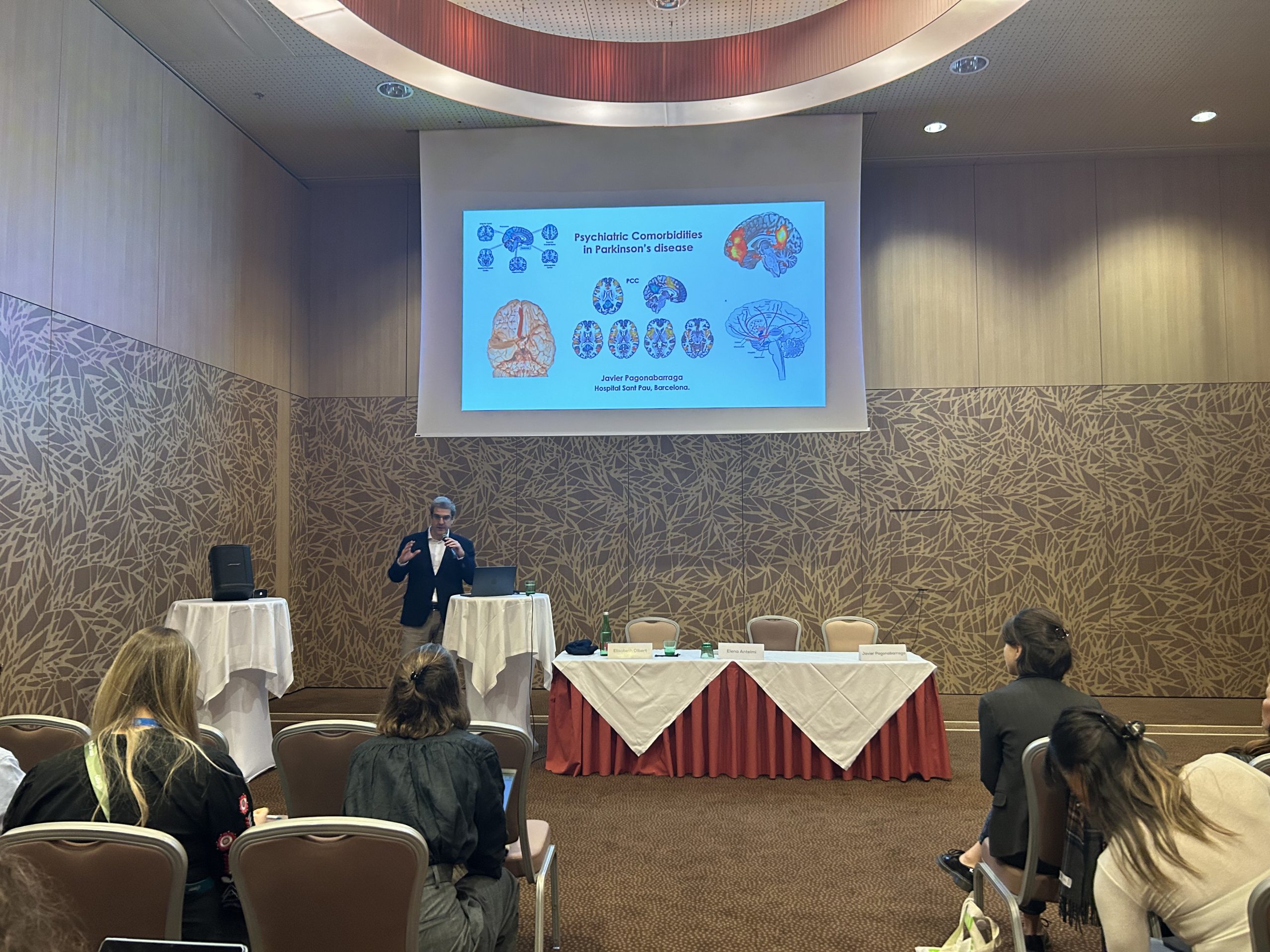
On the third and final day, which was co-organised with the International Parkinson and Movement Disorder Society, non-motor symptoms in parkinsonism were covered by the faculty. Elisabeth Olbert (Tulln, Austria) started with a lecture on ‘Clinical presentation of autonomic dysfunction’; Elena Antelmi (Verona, Italy) presented ‘Sleep related symptoms’; and Javier Pagonabarraga (Barcelona, Spain) talked about ‘Psychiatric comorbidities’.
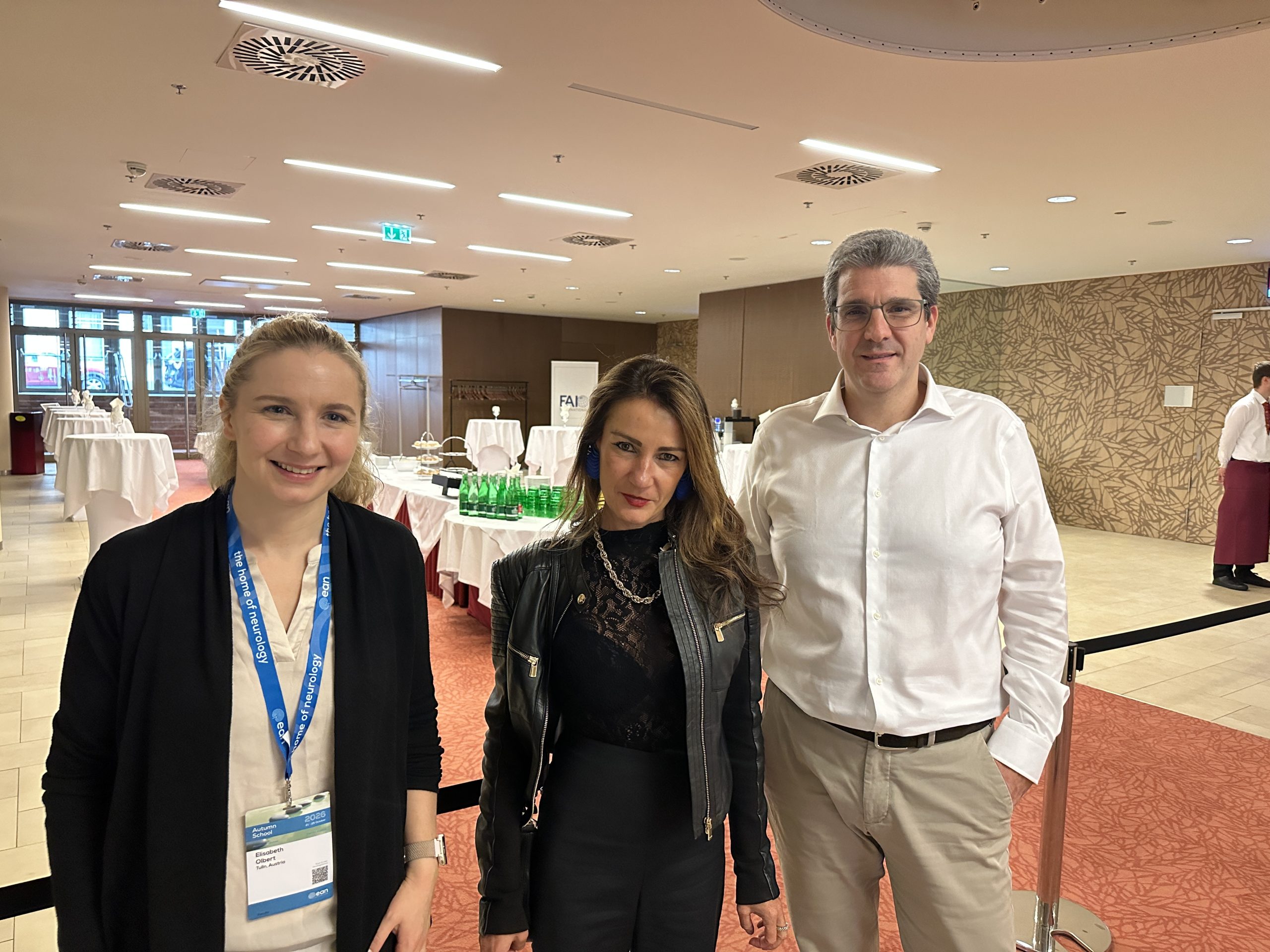
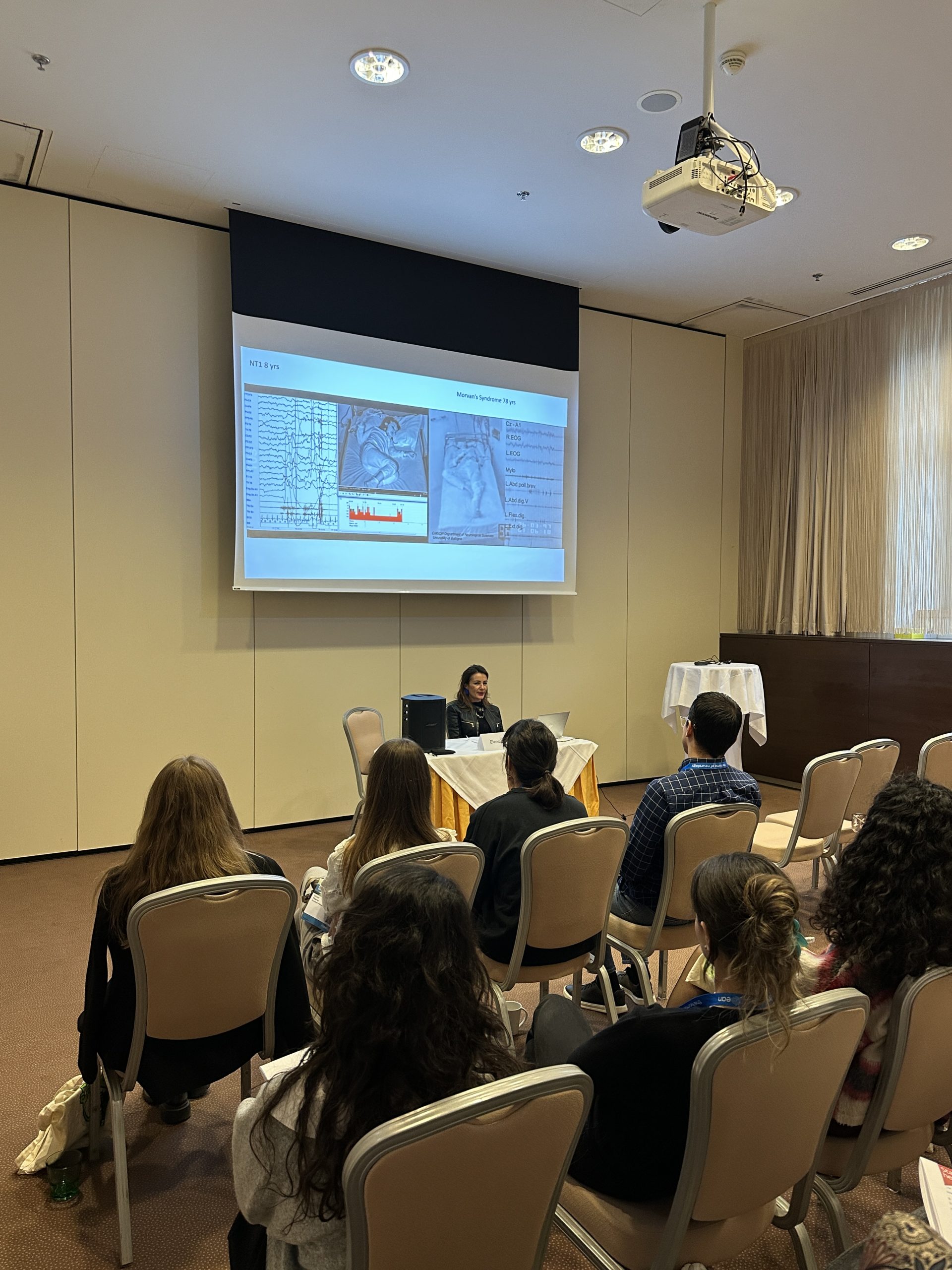
In the afternoon workshops the participants again had the chance to take part in interactive discussions on ‘Autonomic Dysfunction in Neurology’; were able to see ‘Video-cases of sleep disorders in parkinsonism’; and learned more about ‘Neuropsychiatry in daily practice: recognising and managing mood disorders and psychotic symptoms’.
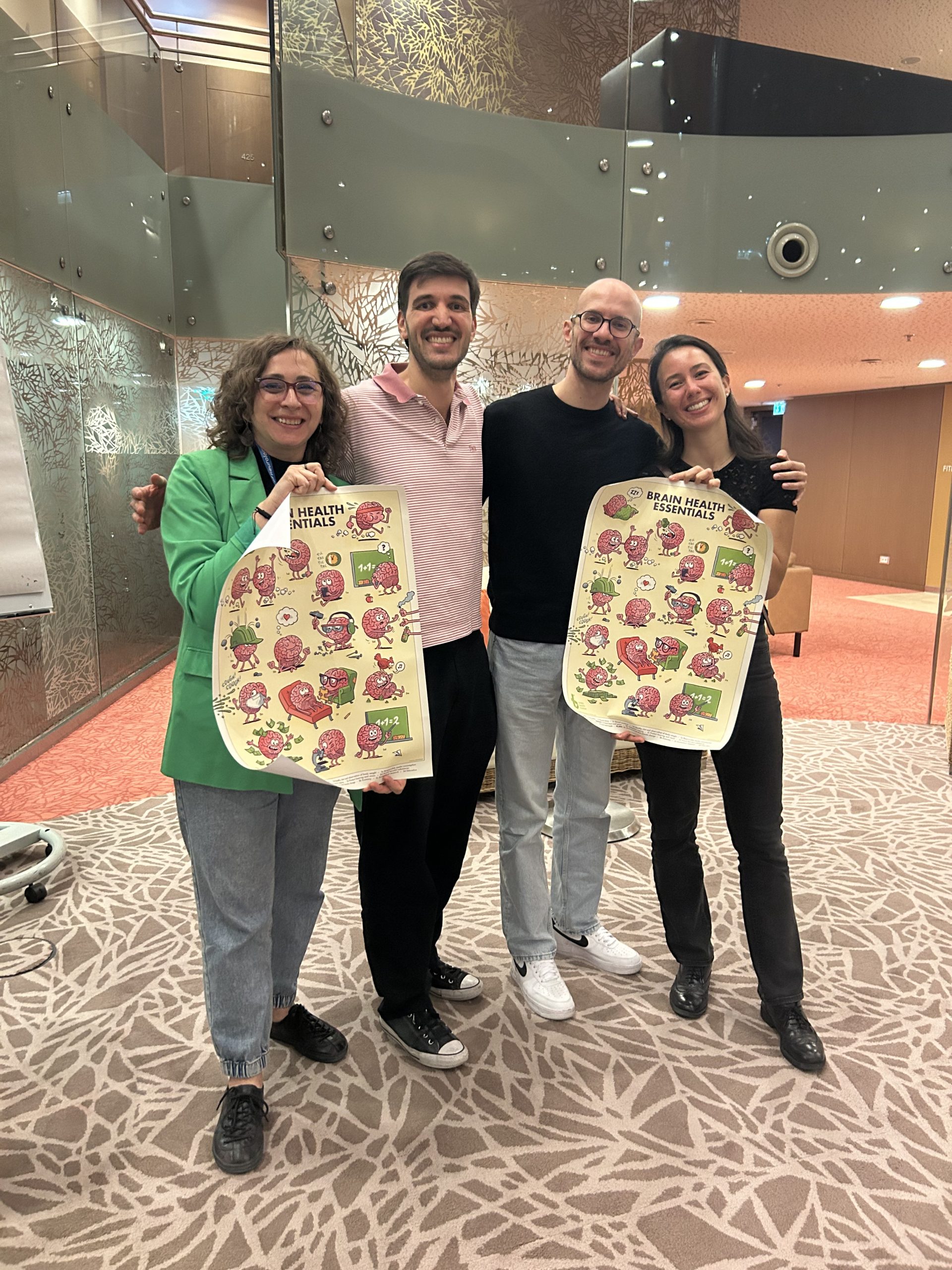
After a successful exam, the participants received their certificates of attendance and celebrated their success at a relaxed farewell reception. We even had four participants who passed the exam with 100%, who each received our brain health poster as a gift.
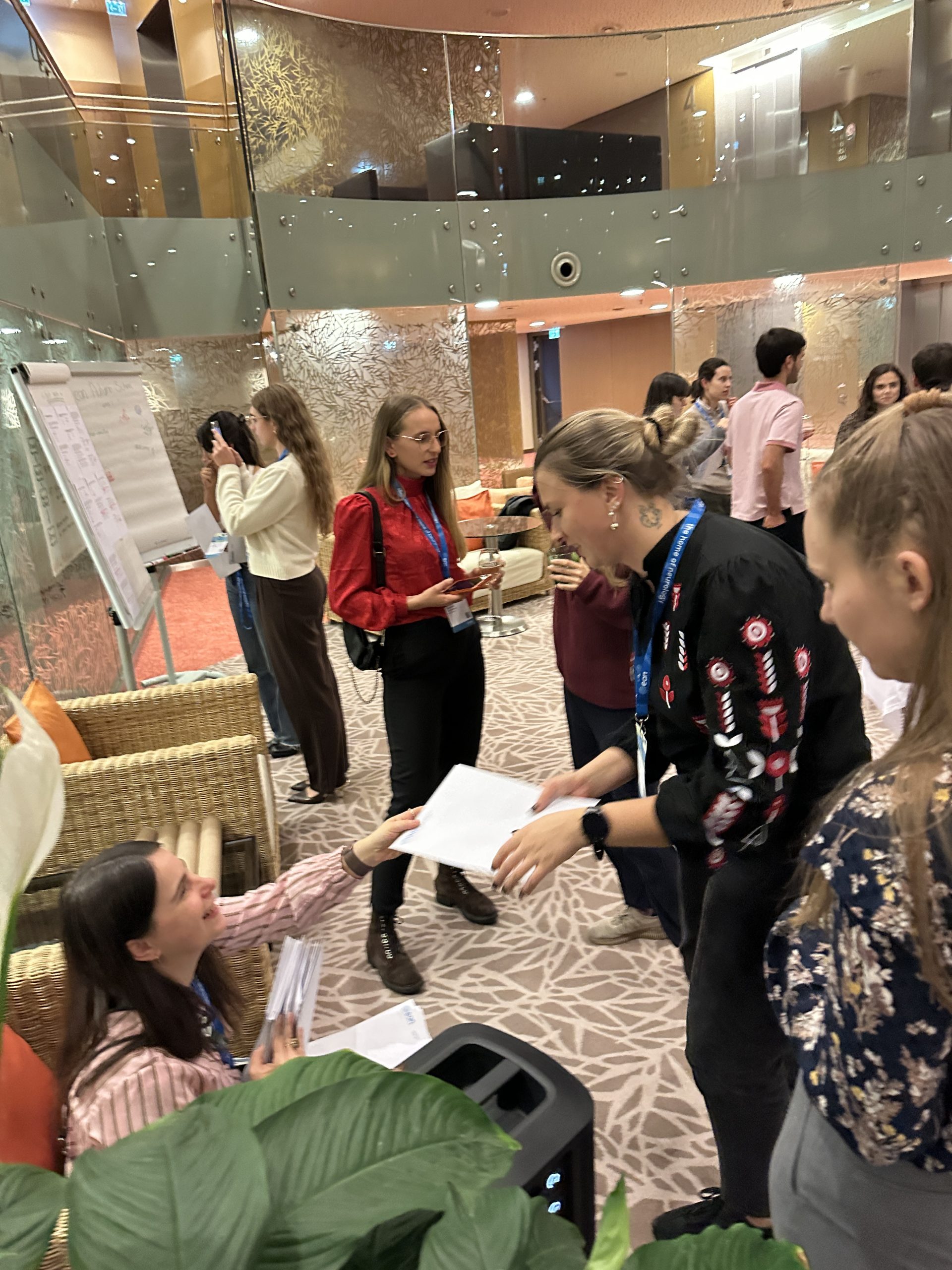
We cordially thank all our speakers for joining us and hope all participants made the most of the opportunity to learn and network with colleagues and the faculty. We look forward to seeing all of you again soon at future EAN events.
If you are interested in participating in one of the EAN Schools, you now have the opportunity to apply for the next EAN Spring School in May 2027. Application opens on 1 December and the deadline for applications is 31 January 2027. More information can be found at Spring School – ean.org.