by Isabella Colonna
Every year on 10 November, UNESCO celebrates World Science Day for Peace and Development, highlighting the importance of science in society and its contribution to peace, sustainable development and international cooperation.
The day provides an opportunity to reflect on how scientific research is not confined to laboratories, universities or research institutions, but has a tangible impact on societies and people’s lives. Scientific collaboration can transcend political borders, fostering dialogue and cooperation even despite geopolitical tensions, and helping address shared global challenges. The exchange of knowledge and information is essential to this process, serving as a bridge between science and society.
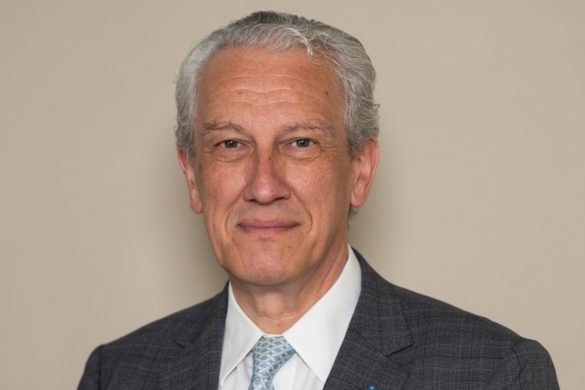
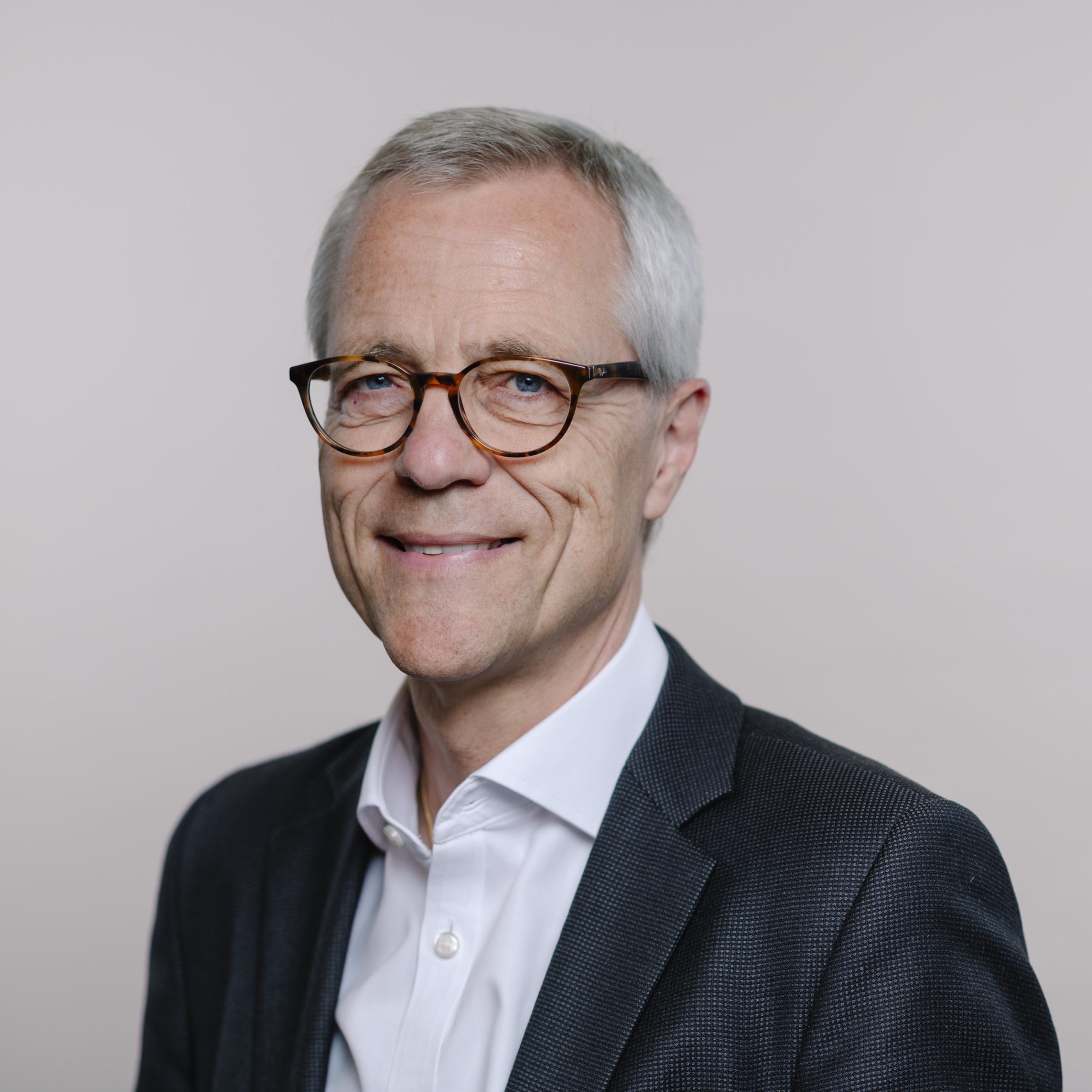
On this occasion, we explore how neurological research can advance our understanding of brain health and contribute to a healthier and more equitable society, through a conversation with Prof. Gereon R. Fink, Chair of the EAN Scientific Committee.
eanNews: In a world increasingly shaped by geopolitical tensions, how can international collaboration in neurology help build bridges between countries and contribute to peace and development? What role does the EAN Scientific Committee play in fostering such scientific collaboration?
Gereon Fink: Brain health is a universal human priority that transcends political boundaries. Neurological disorders affect populations across all geographic and socioeconomic lines. Scientific cooperation keeps open critical channels of dialogue and trust when political avenues become increasingly strained.
The EAN Scientific Committee fosters collaborations among experts across dozens of specialised scientific panels and 48 European national neurological societies, representing more than 45,000 neurologists. It aligns these collaborations with the Brain Health Mission and the World Health Organization’s Intersectoral Global Action Plan on Epilepsy and Other Neurological Disorders (IGAP).
eanNews: How can neurological research help raise public awareness of brain health, and how can scientific findings be better communicated to make brain health a greater priority for healthier, more equitable and sustainable societies?
GF: Beyond disease-centric research and care, neurologists increasingly focus on life-course prevention, which is central to the Brain Health Mission. Furthermore, scientific research increasingly demonstrates that brain health is not merely the absence of neurological disease, but a positive, dynamic state of cognitive, emotional, and social functioning across the entire lifespan.
Communicating this shift empowers individuals and policymakers to view brain health as a lifelong asset that can be actively preserved and enhanced. Translating science into actionable public health will allow modification of risk factors such as hypertension, physical inactivity, metabolic health, sleep hygiene, and environmental stressors, thereby preventing stroke or vascular dementia.
Communicating these evidence-based targets clearly makes prevention tangible. The Brain Health Mission translates complex neuroscientific findings into actionable guidance for public consumption, educational curricula, and policy dialogue.
The EAN also addresses structural health disparities. Access to early neurological diagnostics, disease-modifying therapies, and specialised care varies widely across the European regions and socioeconomic strata. Framing brain health as a fundamental equity issue ensures that public awareness translates into political pressure for equitable healthcare resource allocation.
eanNews: Looking ahead, what is the most important change you would like to see in neurology over the next decade to ensure that scientific progress translates into meaningful benefits for society as a whole?
GF: The single most transformative shift over the next decade must be moving from reactive intervention after irreversible neural loss to early, pre-symptomatic detection and targeted disease modification. Advances in fluid biomarkers, advanced neuroimaging, and digital health tools will enable clinicians to identify neurodegenerative and neuroinflammatory processes long before overt clinical decline occurs.
However, scientific innovation alone is insufficient if healthcare systems remain reactive. Over the next ten years, national health authorities must adopt a ‘Brain Health in All Policies’ framework—integrating neurological prevention into urban planning, education systems, occupational health standards, and general primary care.
Finally, scientific progress is only truly successful when it reaches everyone. The most vital imperative for neurology in the coming decade is ensuring that diagnostic breakthroughs, digital health solutions, and targeted therapies are made globally affordable and accessible, closing the gap between research centres and underserved communities worldwide.
Special thanks to Prof. Fink for sharing his insights and reflections. As we celebrate World Science Day for Peace and Development, this interview highlights that science is not only about advancing knowledge, but also about building connections, fostering cooperation and improving people’s lives.
In neurology, working together across borders is essential to making brain health a global priority and ensuring that scientific progress translates into meaningful benefits for all. Ultimately, science can serve as a bridge between countries, institutions and communities, contributing to a healthier, more equitable and peaceful world.