by Nicholas J. Gutowski
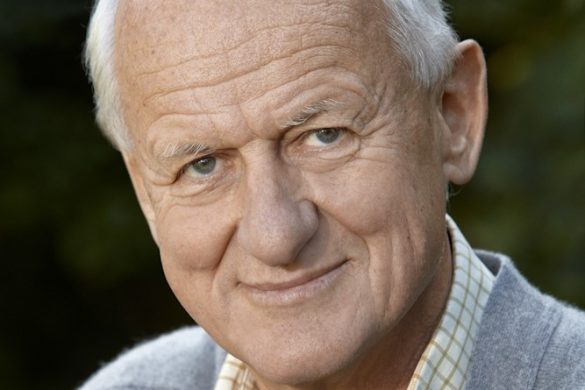
Dr Christopher Gardner-Thorpe MD, FRCP, FRCPE, FACP, FEAN, FRSM, consultant neurologist, medical historian, educator, and author, passed away peacefully on 1 July 2026, aged 84.
Born in Portsmouth on 22 August 1941, Christopher obtained his primary medical degree from St Thomas’ Hospital, London, in 1964. He undertook postgraduate training in neurology in Southampton, Leeds, and Newcastle, where he also trained in neurophysiology, under John Walton, later Lord Walton of Detchant. These formative years established the foundations of a distinguished career dedicated to neurological practice, education, and scholarship.
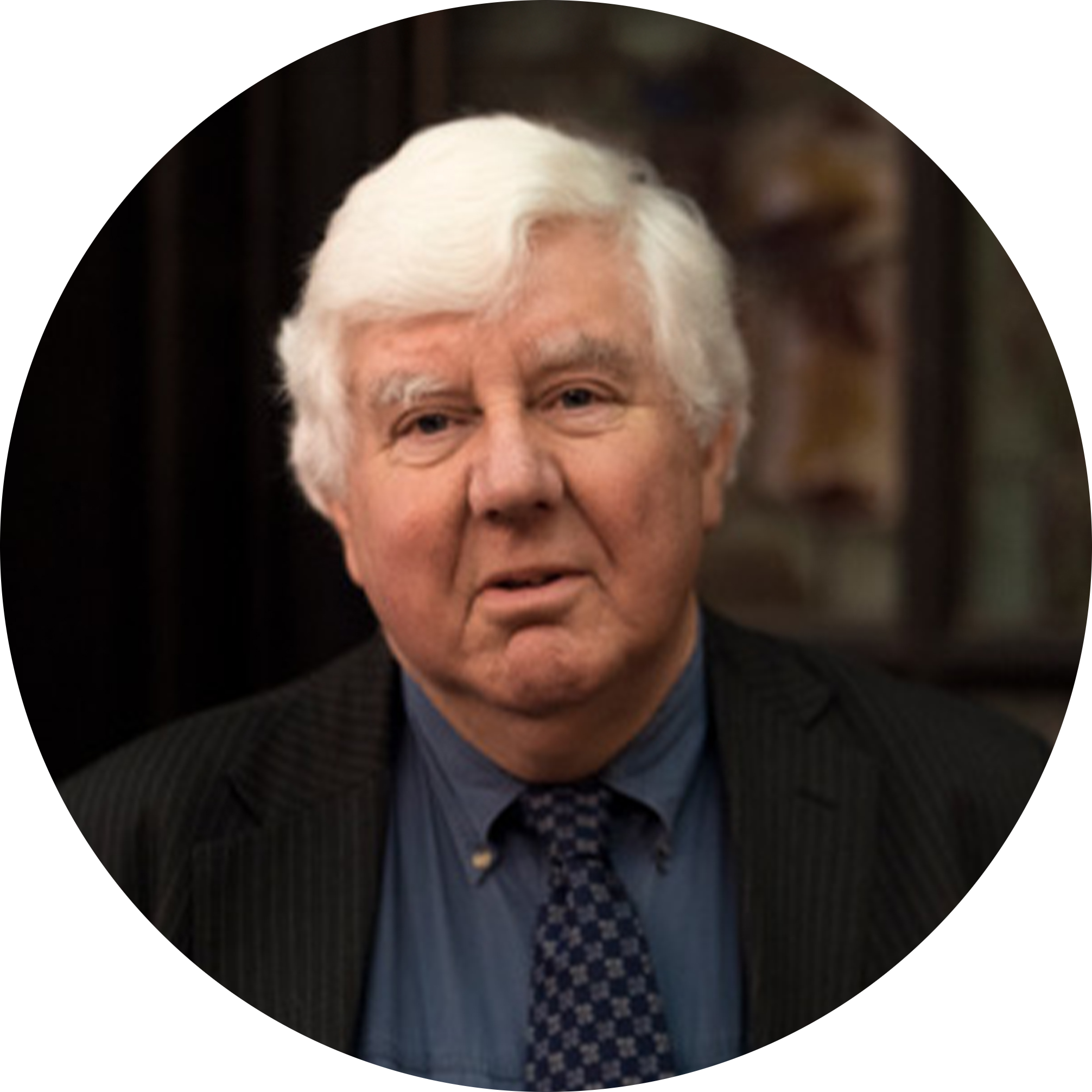
An enthusiastic hill walker, Christopher was drawn to Exeter when a consultant neurologist post became available in 1974, serving North and East Devon with nearby Dartmoor National Park offering an irresistible attraction. He arrived as the region’s single-handed consultant neurologist and remained until his retirement from the National Health Service in 2006. During those three decades he transformed neurological services, developing a thriving department with specialist trainees, local medical students, and close links to the University of Exeter as it established an internationally recognised neuroscience programme.
Christopher was an exceptional clinician, organiser, mentor, teacher, and colleague. At a time when women were still underrepresented in neurology, he was known for creating a welcoming and supportive environment for female trainees. His generosity with his time, encouragement, and wisdom influenced generations of neurologists, many of whom credit him with shaping their careers. Christopher identified and investigated the large family associated with what is now recognised as spinocerebellar ataxia type 11 (SCA11).
Beyond his clinical work, Christopher played leading roles in local, regional, national, and international neurological organisations. He was active within the Association of British Neurologists, the European Federation of Neurological Societies (EFNS), the World Federation of Neurology, and later became a founder member of the European Academy of Neurology in 2015, being acknowledged a Fellow in 2019. He organised the Association of British Neurologists’ first meeting of the new millennium in Exeter, remembered as an outstanding scientific meeting complemented by an exceptional programme of cultural and social events. He also established the West of England Seminars in Advanced Neurology, which became an important annual educational forum.
Christopher cultivated extensive international collaborations, welcoming European medical students, and neurology trainees from across Europe through the EFNS. His influence extended well beyond Europe through educational and professional links in Africa and Australia, including his longstanding collaboration with Prof. John Pearn.
Retirement from the NHS did little to slow him. He continued practising, including as a visiting consultant neurologist to the British Army in Germany, while devoting increasing time to his many scholarly interests. A passionate medical historian, he served as President of the Royal Society of Medicine’s History of Medicine Section and held numerous editorial positions, most notably as Editor of the Journal of Medical Biography for thirteen years. He was also a trustee of several local and national organisations and served for many years as Patron of the Devon and Cornwall Lupus Support Group.
Christopher’s intellectual curiosity extended far beyond neurology. He authored books, including works on Dartmoor and Exeter, advised The British Library, contributed commentary to The Times, undertook medicolegal work, and maintained lifelong interests spanning both the arts and sciences. He delighted in bringing people together and was renowned for organising memorable social gatherings.
His civic and professional commitments reflected the breadth of his interests. He was a Freeman of the City of London and a Lieutenant, Liveryman of the Worshipful Company of Barbers, an Esquire of the Order of St John, and a member of the Worshipful Society of Apothecaries, where he also served as teacher, director, examiner, and President of the Faculty of the History and Philosophy of Medicine and Pharmacy. Although he enjoyed staying at the Savile Club during visits to London, Dartmoor always remained closest to his heart, and he treasured every opportunity to spend time at his cottage there.
Christopher was an avid collector of rare medical books and a distinguished bibliophile. In 2025 he donated an exceptional collection of historic medical works to Exeter Cathedral Library, adding substantially to one of the country’s largest historic medical collections. His remarkable collection relating to James Parkinson, includes an exceptionally rare copy of the landmark 1817 Essay on the Shaking Palsy, together with Parkinson’s works on geology and palaeontology and publications by Jean-Martin Charcot, who later gave Parkinson’s disease its name. The donation reflected Christopher’s lifelong commitment to preserving and sharing medical history for future generations.
Those who knew Christopher will remember not only his remarkable professional achievements but also his kindness, humility, generosity, warmth, and genuine interest in helping others. His intellectual breadth was extraordinary, and he moved effortlessly between medicine, history, literature, education, and public service. Above all, he was a gifted mentor whose influence continues through the many doctors, historians, medical writers, and students whose lives and careers he enriched.
Christopher is survived by his much-loved children, Catherine, Damian, James, Anne, and Helen, and by his cherished grandchildren, Rebecca, Amelia, Jessica, Katia, Ned, Ella and Lily.
His legacy lives on through the neurological services he helped build, the generations he taught, the historical scholarship he preserved, and the countless people whose lives were made richer by his friendship, wisdom, and generosity.