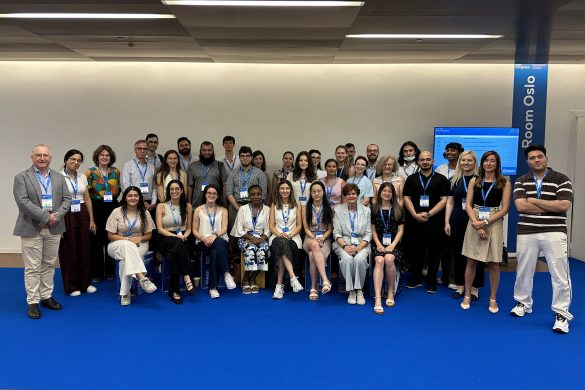
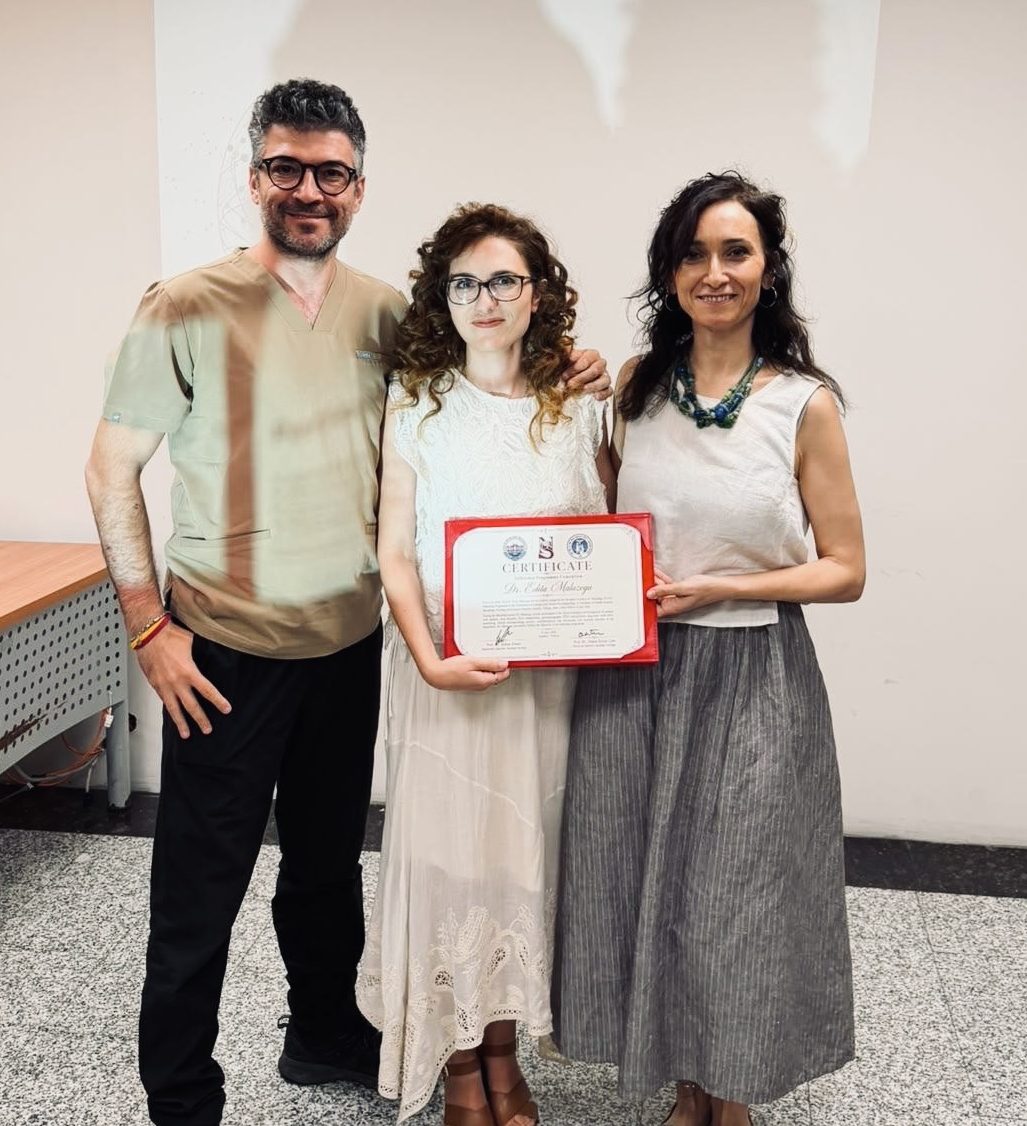
Edita Malazogu, Prishtina, Kosovo
Hosting department: University of Health Sciences, Sancaktepe Şehit Prof. Dr İlhan Varank Training and Research Hospital, Istanbul, Türkiye
Supervisor: Assoc. Prof. Dr Özdem Ertürk Çetin
As I complete my three-month EAN Clinical Fellowship, I look back on this experience with a deep sense of appreciation for everything it has offered me, both professionally and personally. From my first day at Şehit Prof. Dr İlhan Varank Training and Research Hospital in Istanbul, Türkiye, I was welcomed with exceptional kindness. I was incredibly fortunate to be mentored by Prof. Özdem Ertürk Çetin, whose dedication to education, patient care, and mentorship has profoundly influenced both my professional and personal development. She developed an outstanding training programme, thoughtfully adapting it to my learning needs and ensuring every day was educational, engaging, and supportive.
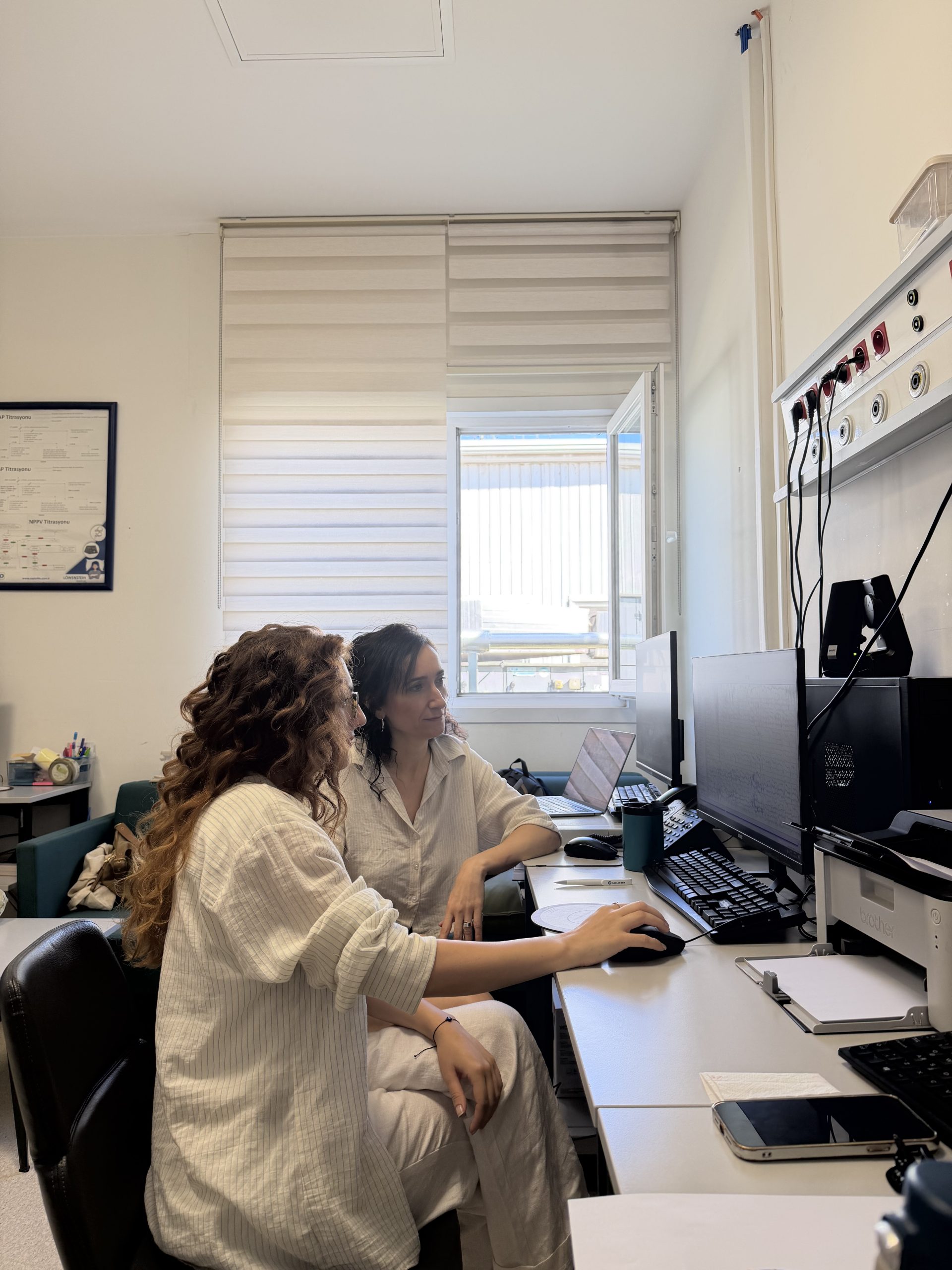
My training included routine and video-EEG interpretation, epilepsy diagnosis and management, outpatient clinics, and weekly lectures conducted in English. Knowing my interests, Prof. Ertürk also arranged for me to gain experience in polysomnography (PSG) with the highly skilled and dedicated Dr Bahar Çalışkan, as well as exposure to procedures such as botulinum toxin injections that were not available during my residency training. One particularly memorable experience was visiting İstanbul University-Cerrahpaşa, to observe the multidisciplinary presurgical evaluation of patients being considered for epilepsy surgery.
Academically, I was fully integrated into the department, attending resident presentations and actively participating in discussions. Towards the end of my fellowship, I presented a lecture on Periodic Discharges in EEG. I was also included in ongoing academic work, such as preparing a scientific manuscript on Epilepsia Partialis Continua. My EAN Buddy, Gözde D. Kocaman, was not only a source of support but also a wonderful friend throughout my fellowship.
Beyond the professional experience, I was also deeply grateful for the opportunity to experience the beauty and culture of Türkiye. The warmth of its people, rich history, wonderful cuisine, and the many beautiful places I had the chance to visit made my stay truly special.
I sincerely thank the European Academy of Neurology for making this life-changing experience possible. Without the EAN, I would never have had the privilege of learning from such an exceptional mentor and team. I leave this fellowship with new knowledge, greater confidence and lifelong friendships. I hope to carry what I have learned back to my home country, Kosovo, and use it to contribute to meaningful improvements in epilepsy care and clinical neurophysiology.
Thank you, EAN, for believing in young neurologists and for creating opportunities that truly change lives.
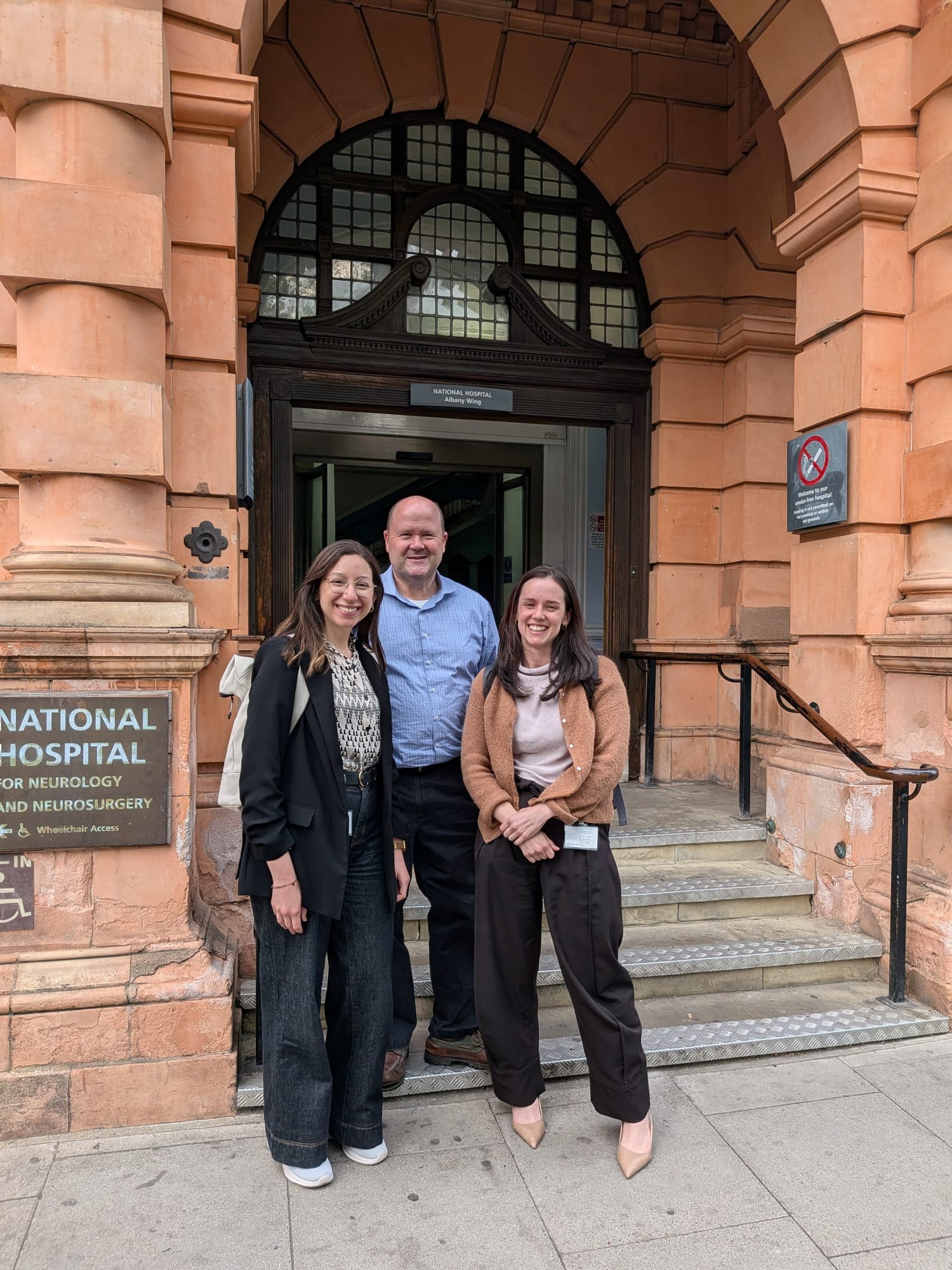
Maeve Bradley, Dublin, Ireland
Hosting department: Neurogenetics department, National Hospital Neurology and Neuroscience, Queen Square, UK
Supervisor: Prof. Henry Houlden
I completed an EAN Clinical Fellowship in Neurogenetics at the National Hospital for Neurology and Neurosurgery (NHNN), Queen Square, under the supervision of Prof. Houlden. The fellowship was an extremely valuable experience and gave me exposure to a wide range of inherited neurological conditions and new research areas in a highly specialist referral centre.
During the placement I attended specialist neurogenetics clinics, MDT meetings, MSA clinics, and departmental teaching. I had the opportunity to see patients with hereditary neuropathies, ataxias, movement disorders, hereditary spastic paraplegias (HSP), mitochondrial disorders, other rare neurogenetic conditions and undiagnosed challenging cases. It was particularly useful to observe the application of modern genetic testing and how this influenced diagnosis and management. It also demonstrated how collaboration between clinical and research teams speeds up translation of new genetic discoveries.
One of the most beneficial aspects of the fellowship was gaining a better understanding of the practical side of neurogenetics and the future directions (long-read, optical genome mapping etc.).
This fellowship has allowed the development of further collaborations between my department and NHNN. For example, I completed an HSP review with Prof. Houlden using case examples both from my department in Dublin and some I met while I was with him. I also have linked with researchers to send samples from challenging cases I had met in Dublin to see whether the novel genetic and biomarker research approaches can assist in finding an accurate diagnosis.
The teaching environment at Queen Square was excellent and everyone in the department was very welcoming and supportive throughout the fellowship. The experience has improved my confidence with suspected inherited neurological disease and will be very relevant to my clinical practice in Ireland.
I am very grateful to the EAN for funding this fellowship and to Prof. Houlden and the neurogenetics team for their teaching and hospitality during my stay.
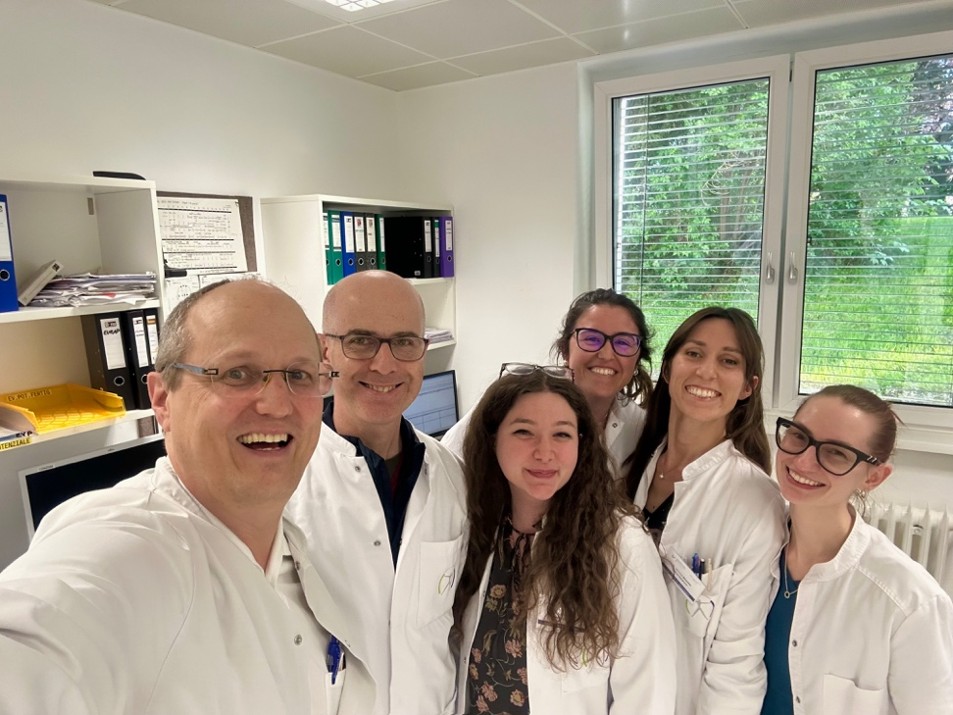
Evelina Korsaka, Riga, Latvia
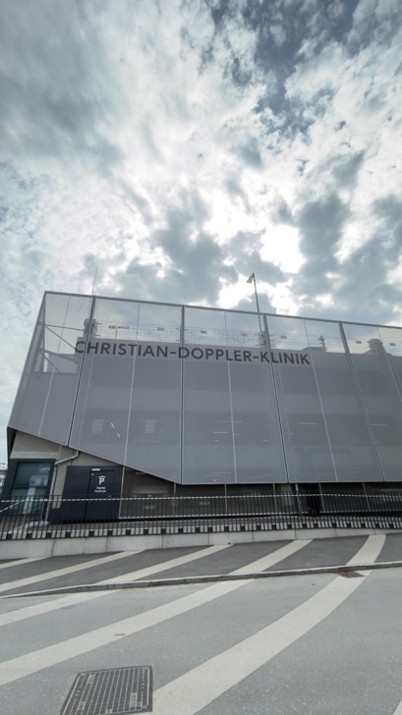
Hosting department: Department of Neurology, Paracelsus Medical University, Christian Doppler Clinic, Salzburg, Austria
Supervisor: Priv. Doz. Dr med. univ. Giorgi Kuchukhidze, PhD
During my EAN Clinical Fellowship, my main focus was EEG and epilepsy. I spent most of my time interpreting EEG recordings. One of the most valuable parts of this experience was the opportunity to review EEGs together with experts on a daily basis and to better understand the clinical reasoning behind EEG interpretation. Compared to daily practice in Latvia, a substantially larger number of EEG examinations are performed here each day, which provided exposure to a much broader spectrum of EEG findings and clinical cases.
I also had the opportunity to become familiar with additional investigation methods such as SSEP, MEG and SPECT, which are currently not available in Latvia, but would be valuable in my field of work.
Another valuable part of the fellowship was attending outpatient epilepsy clinics, which provided insight into how epilepsy care is organised in Austria and allowed me to compare it with our clinical practice in Latvia. I also particularly enjoyed participating in epilepsy case conferences/consilium meetings, which were both interesting and highly educational.
In addition to larger clinical concepts, I also gained many smaller practical insights and everyday tips and tricks that could be valuable to integrate into our practice in Latvia. For example, I especially appreciated the culture of regularly sharing interesting EEG and epilepsy cases among colleagues for discussion and learning. I also learned practical aspects of patient management, including medication choices, dosing strategies, and approaches to long-term epilepsy care. Furthermore, I became acquainted with international collaboration and research initiatives, including the EURAP registry for pregnant women with epilepsy, which could also be integrated into our centre in Latvia.
During the visit, I also prepared an abstract for the American Epilepsy Society conference regarding the frequency of LPDs and GPDs in de novo status epilepticus and their possible association with later development of epilepsy. This project was both clinically interesting and also trained my EEG interpretation skills. Additionally, I led the clinic’s first Journal Club session, presenting and discussing the article ‘Association of Peri-Ictal MRI Abnormalities with Mortality, Antiseizure Medication Refractoriness, and Morbidity in Status Epilepticus’.