The Brain Health Mission (BHM) aims to translate scientific knowledge into real-world prevention. A key challenge is making complex concepts such as sleep and brain health tangible and relevant for everyday life.
Sleep is essential for brain function and is increasingly recognised as a modifiable factor associated with brain health. At the same time, it remains difficult to communicate, often abstract, and shaped by social and environmental conditions.
At the EAN Congress 2026, the Dream-in-Experience, recently awarded with the Kepler Award for Excellence in Science Communication, introduces a new way of addressing this challenge. Developed by a clinical and research team in neurology at Kepler University Hospital, in collaboration with artists and designers Andreas Strauss and Reinhard Gupfinger, the project explores how sleep and brain health can be communicated beyond traditional formats. Building on this interdisciplinary approach, Strauss developed the spatial concept and capsule suites, while Gupfinger gives visual and acoustic form to the medical data. Together, this interplay creates a bridge between medical research, spatial experience and artistic interpretation, opening up additional perspectives on sleep, brain health and sleep justice.
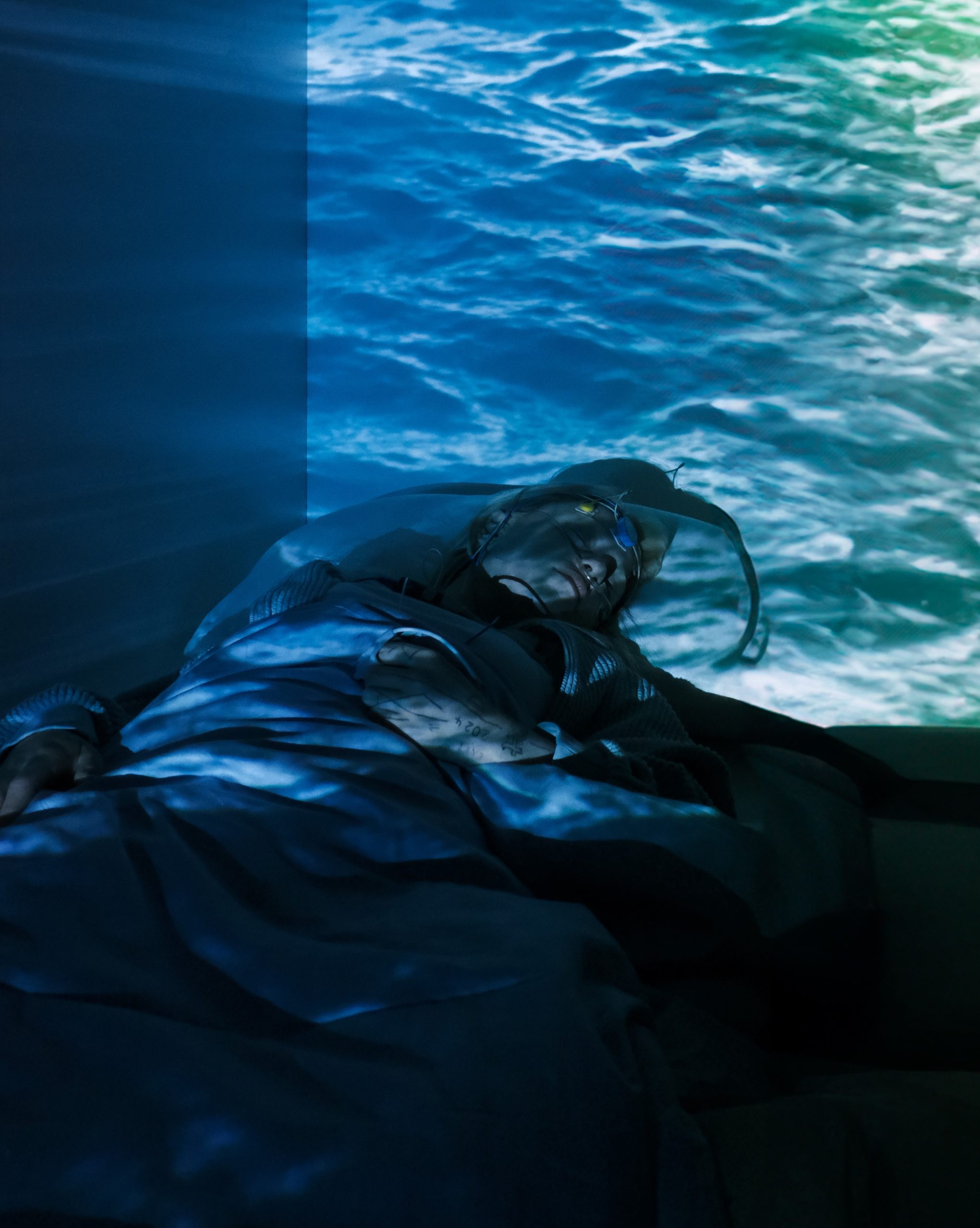
The capsule acts as a translation tool, transforming basic sleep-related biosignals such as EEG rhythms and breathing into immersive sound and visual environments. Visitors can explore the experience both inside the capsule and through surrounding visual and auditory elements. This ensures access even without entering the capsule itself.
In this way, sleep is no longer presented as abstract data, but as perception. Participants are invited to experience sleep as a lived phenomenon and to reflect on its relevance for brain health and daily life. By making sleep tangible, the installation supports awareness and encourages reflection that can extend into everyday behaviour and clinical dialogue.
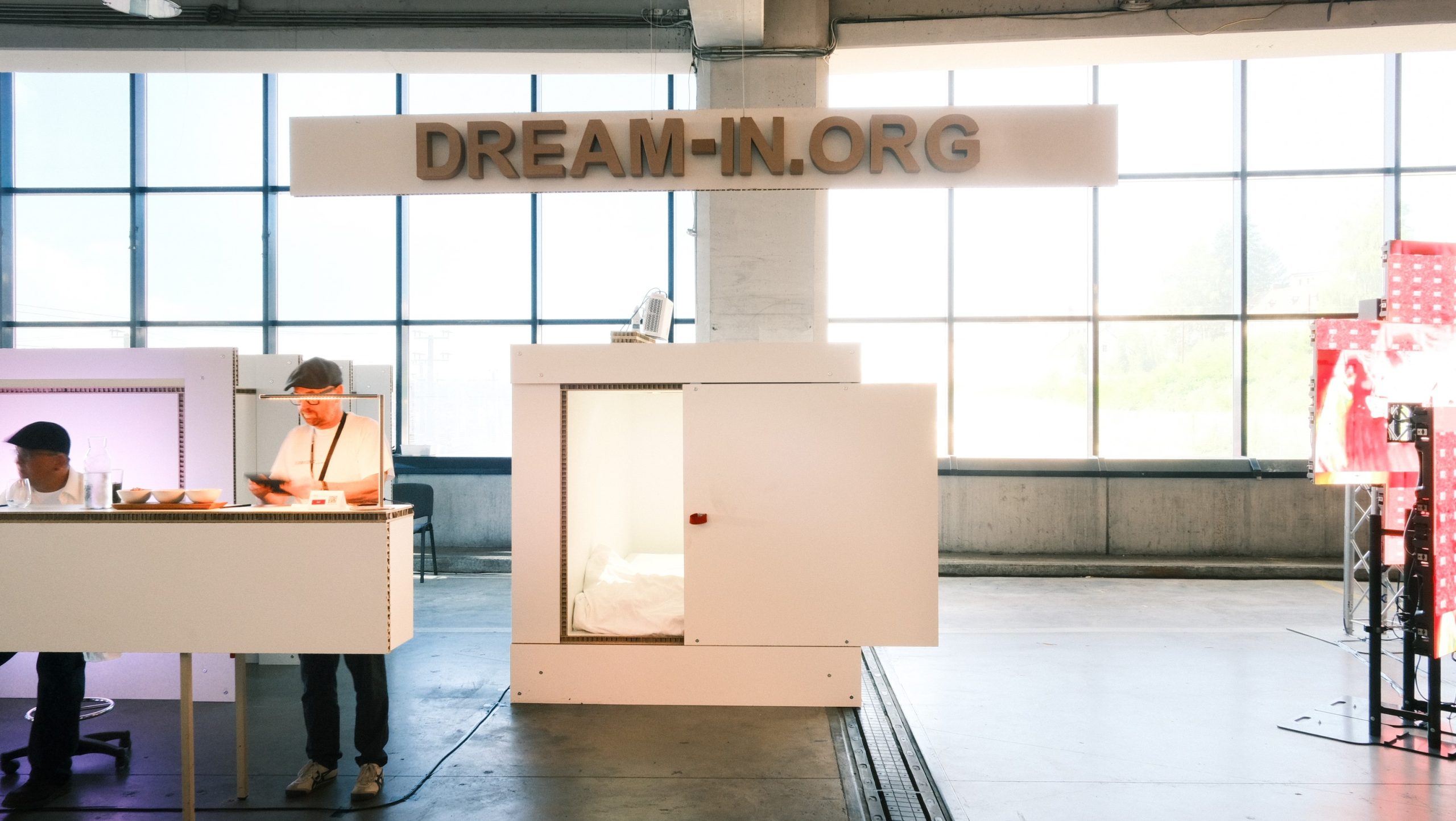
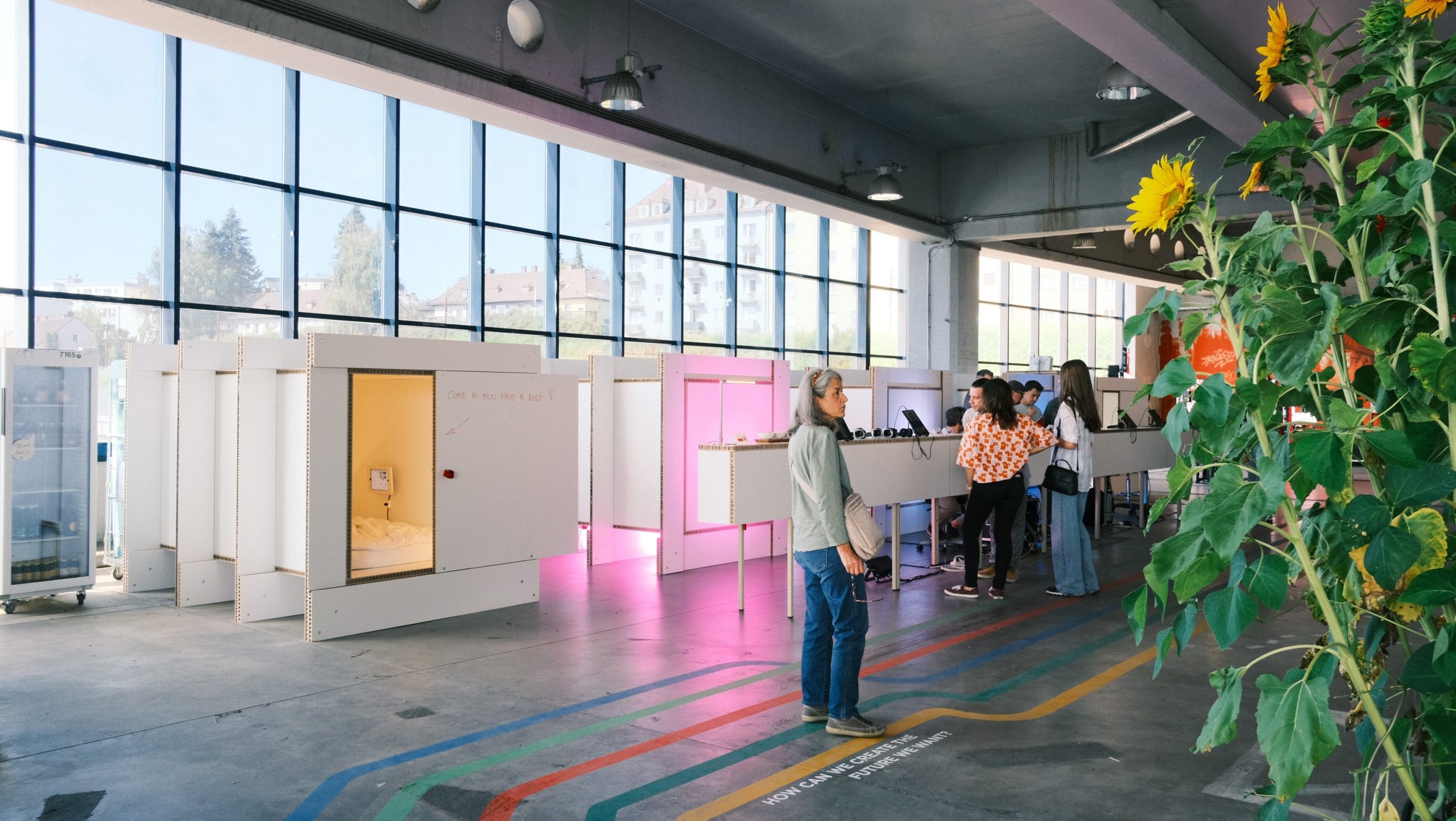
Located at the Brain Health and Sustainability Booth, the Dream-in-Experience capsule complements the scientific programme of the congress by adding an experiential dimension. It translates knowledge into perception, reinforcing the role of sleep as a key pillar of brain health prevention, while offering a practical entry point for discussion in both personal and professional contexts.
At the same time, it opens a broader and more human perspective: not everyone has the same conditions to sleep well. Work, stress, environment, and social circumstances all shape how, and how well, we sleep. By making sleep visible and tangible, the experience invites reflection on this ‘sleep inequality’ and its consequences for brain health.
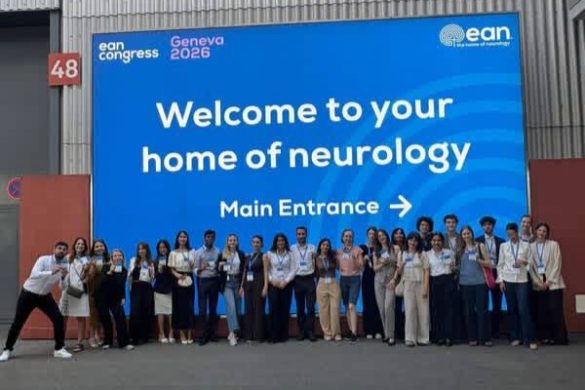
If you’ll be attending the EAN Congress 2026, make sure to stop by our booth to experience the Dream-In-Experience first hand.