by Mihai Radu Ionescu, Colentina Clinical Hospital, Bucharest, Romania
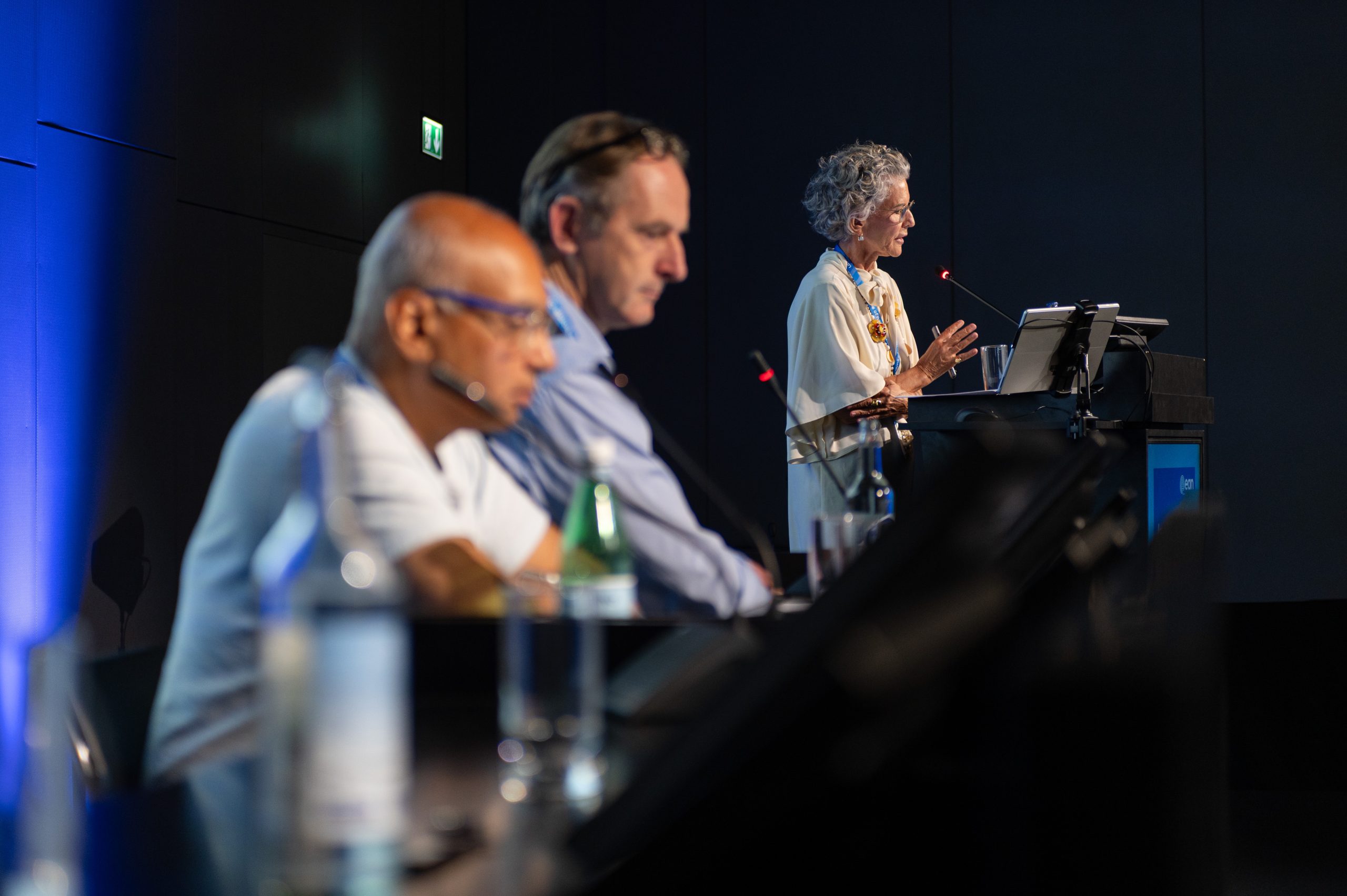
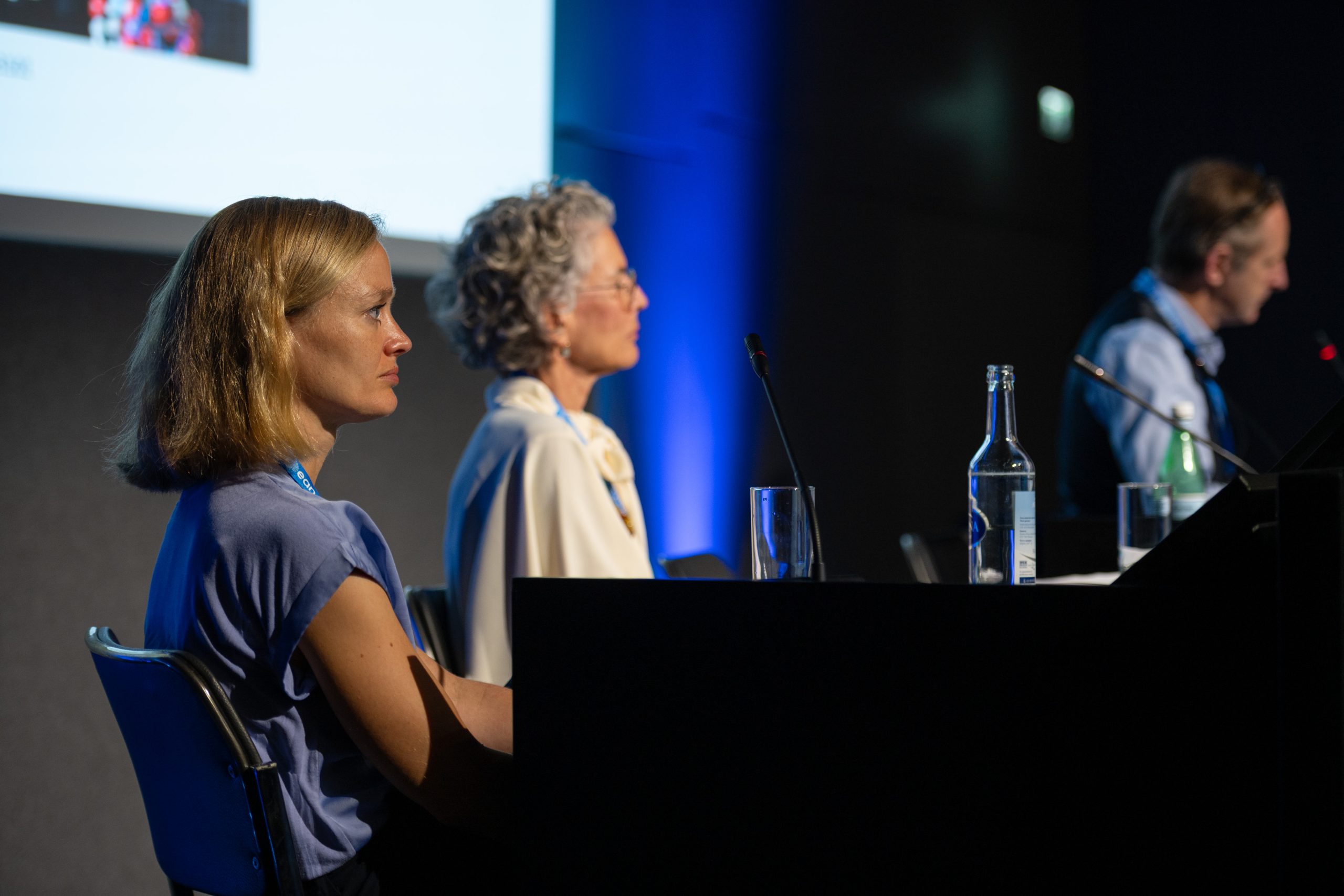
Despite at least five parallel sessions, it was evident that personalised care drew significant interest at the EAN Congress 2026, with only a handful of empty seats remaining at the very back of the room. This session was co-organised by the EAN and Neurotorium.org a free brain awareness and educational website founded by the Lundbeck Foundation.
Eva Schaffer (University of Kiel, Germany) opened the session with a presentation on the shift from empirical to personalised prevention in Parkinson’s disease. The main talking point was on the concept of the exposome (“the totality of exposure of an individual over the course of their lifetime”) and its influence on both the risk of developing Parkinson’s disease as well as subsequent disease progression. While genetic risk factors remain non-modifiable as of yet, environmental exposures are not.
Schaffer highlighted reliable evidence linking pesticide exposure to increased Parkinson’s disease risk as well as faster cognitive and motor decline. She also reviewed other components of the exposome such as caffeine consumption, diagnosis of diabetes, air pollution and lack of physical activity.
A key message was strongly underscored: physical activity is currently the only disease modifying intervention available for Parkinson’s disease, yet it is still not used as such in routine practice.
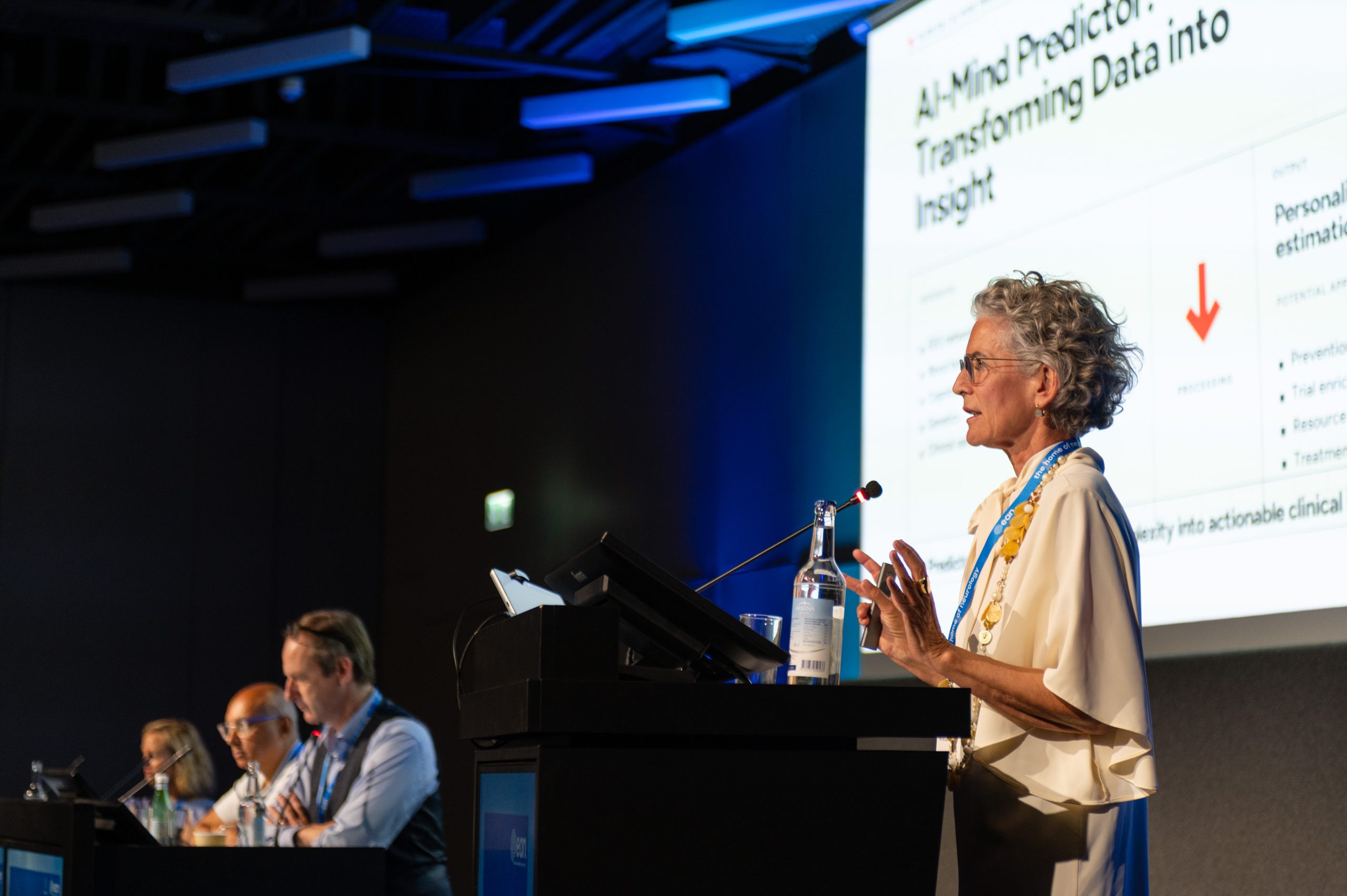
Ira Haraldsen (Oslo University Hospital) discussed how AI, biomarkers and ethical leadership are reshaping neurological care. She argued that the traditional approach to neurodegenerative diseases, might already be outdated, largely reactive rather than predictive. She advocated for a biology-driven, systems-based model of medicine, noting that many neurodegenerative diseases are increasingly recognised as multi-system disorders rather than isolated brain pathologies. Haraldsen emphasised that integrating AI with large-scale prospective data input, ideally at a healthcare system-level might dramatically change the diagnostic paradigm. This could allow ‘in-silico’ modelling, not only for predicting disease progression but also treatment response ultimately allowing clinicians to tailor interventions accordingly for each patient and their predicted response.
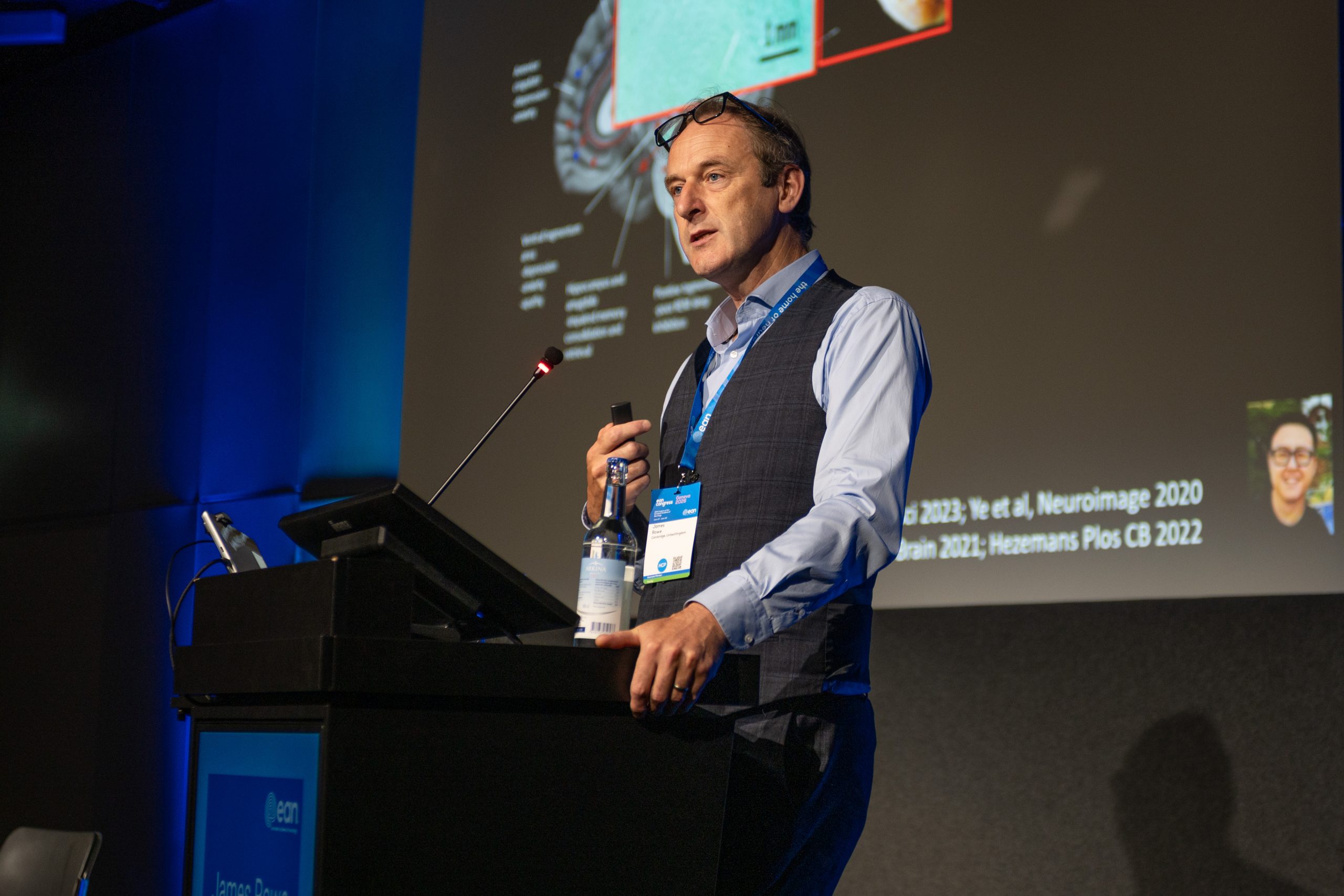
James Rowe (University of Cambridge, UK) who also chaired the session, presented his work on neurochemistry in neurodegenerative disorders. He showcased several of his studies on noradrenergic neurotransmission, which can be reliably imaged using 7-Tesla MRI in Parkinson’s disease and progressive supranuclear palsy (PSP) as well as the effects of atomoxetine (a selective norepinephrine reuptake inhibitor) on these pathways.
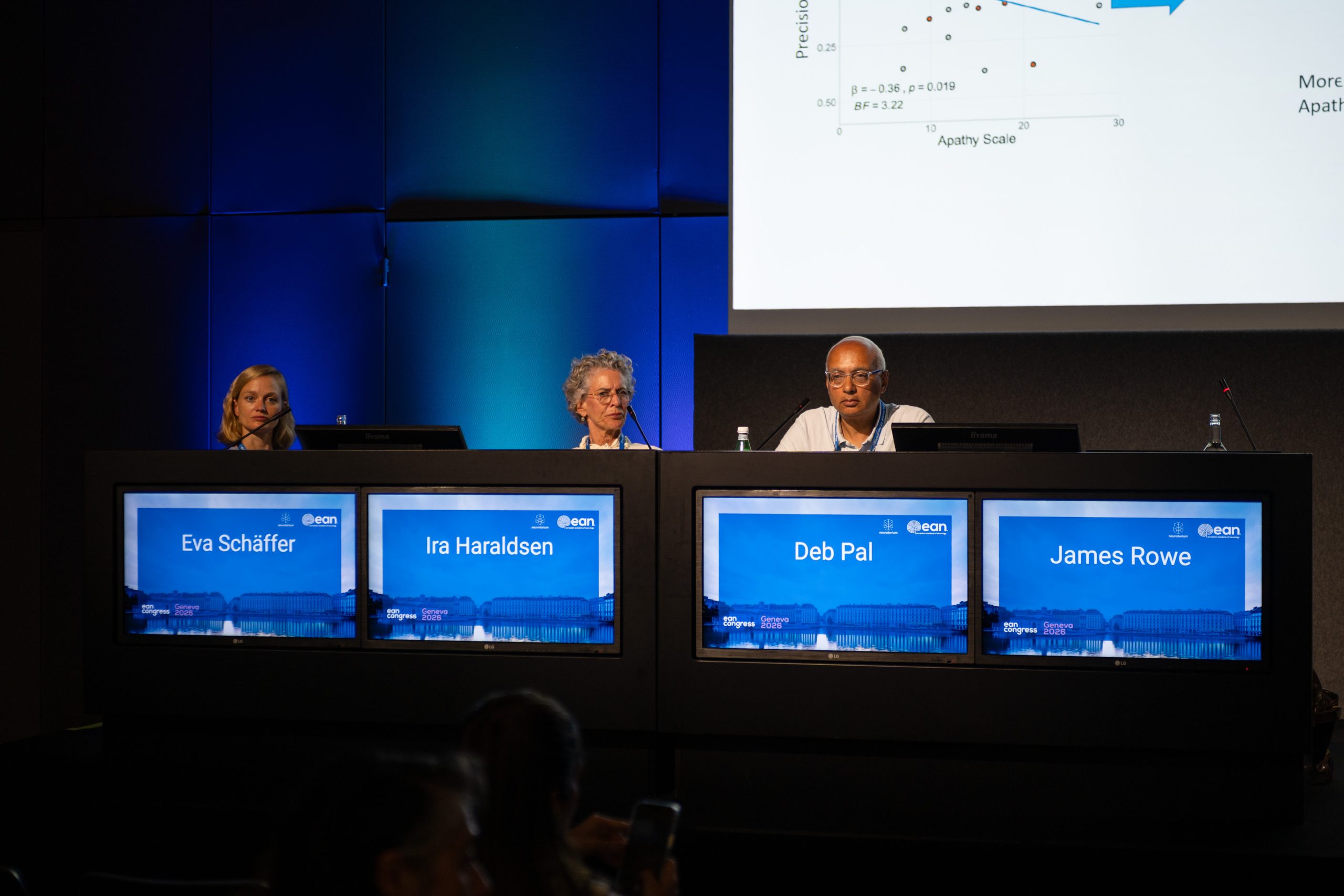
In the second part of his talk, Rowe turned to GABAergic neurotransmission. He presented evidence that GABA agonists (e.g. zolpidem) and GABA reuptake inhibitors (e.g. Tiagabine) can improve apathy in PSP without inducing sleepiness – a typical effect in healthy individuals. This paradox is likely explained by the baseline reduction of GABA levels in PSP and thus GABA agonists may adjust GABA levels to normal levels rather than exceeding them and inducing sleepiness, as seen in healthy individuals.
The final speaker, Deb Pal (King’s College London) addressed the subject of precision medicine in epilepsy. He began his talk by outlining the genetic complexity of epilepsy and the surge of discoveries afforded by next-generation sequencing, with over 900 genes already identified in developmental epileptic encephalopathies.
Pal made a compelling case for developing polygenic risk scores for epilepsy and for shifting from a purely seizure and syndromic epilepsy classification toward one grounded on biology and pathophysiology. Tailoring treatment to these endophenotypes, he argued, is likely to yield greater therapeutic benefit than current approaches.
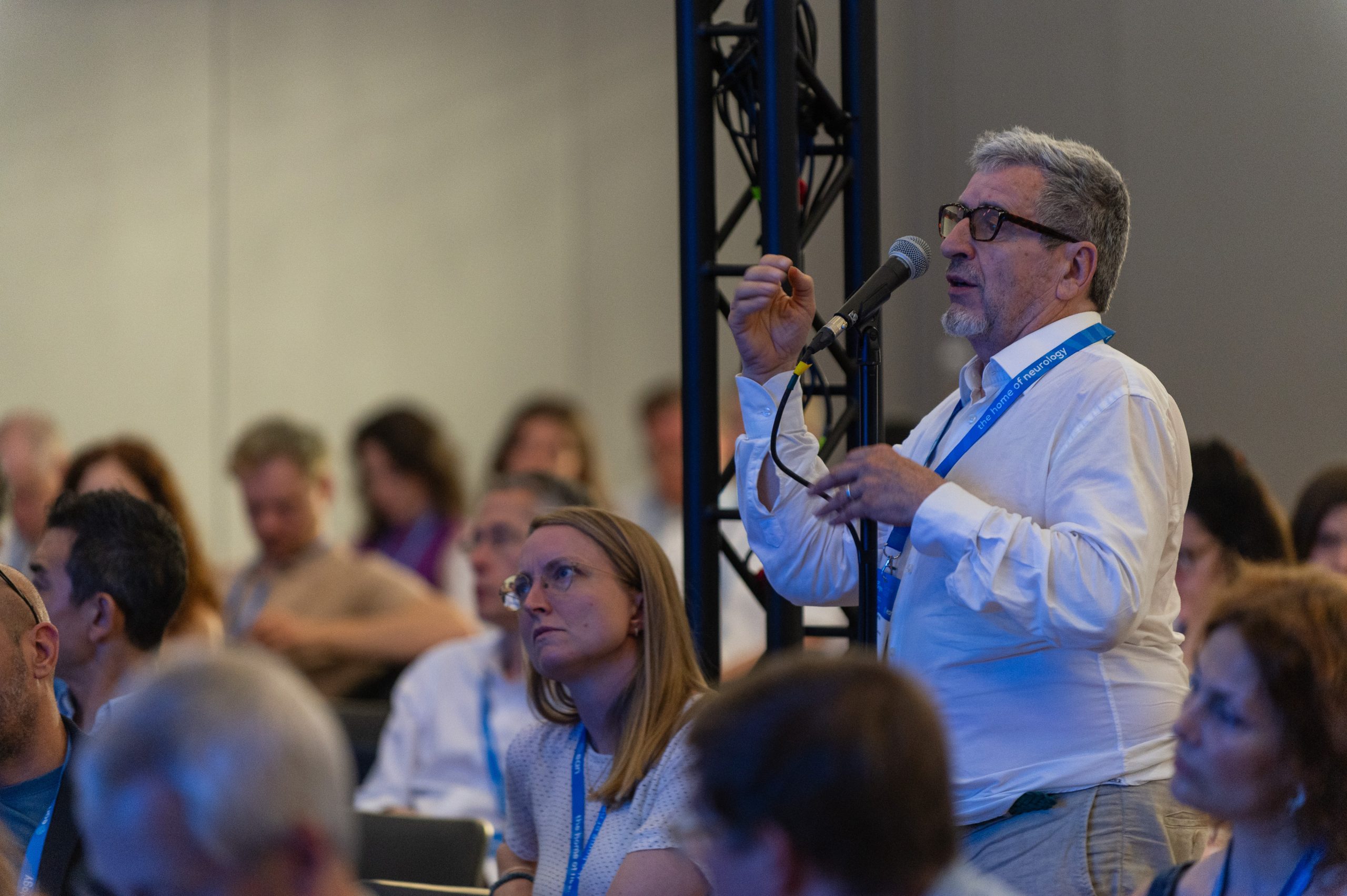
The session concluded with numerous questions from the audience as well as some online participants, underscoring the interest personalised care holds for a lot of practicing neurologists.