While awareness of brain health continues to grow worldwide, the conversation is increasingly shifting towards how this momentum can translate into political recognition and coordinated action.
At the Global Brain Coalition’s Brain Days, which took place alongside the 81st United Nations General Assembly (UNGA81) during High-level Week, policymakers, scientists, clinicians, patient advocates and international organisations gathered to discuss how brain health can move higher up the global policy agenda. Across discussions on prevention, research, artificial intelligence, brain capital and the brain economy, one idea kept resurfacing: brain health is not only a healthcare concern, but a foundation for education, productivity, economic resilience and social wellbeing.
That shift is behind growing international momentum towards a United Nations resolution for the brain, an initiative being spearheaded by the European Brain Council. The proposal reflects a push to give brain health greater visibility within global policy at a time when countries are facing ageing populations, workforce pressures and growing neurological and mental health needs.
The question is also about breaking down boundaries. Neurology and mental health have traditionally been addressed through separate policy and healthcare structures, while prevention, education, research and social policy have often operated in parallel. Speakers at Brain Days called for a more collaborative approach, bringing together governments, health professionals, researchers, patient organisations, civil society and other sectors.
Kailash Bhatia, President of the European Academy of Neurology, highlighted the importance of breaking down these traditional silos, investing in prevention and early action, and moving beyond discussion towards practical collaboration across sectors.
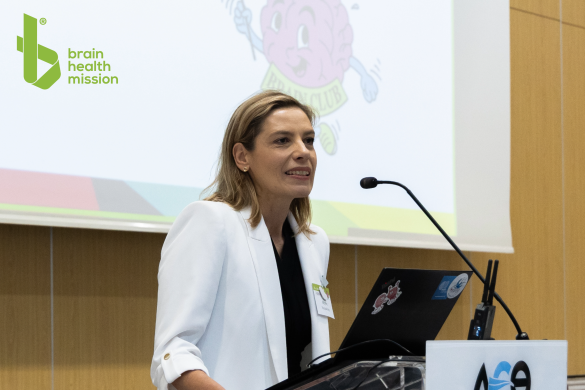
The Brain Health Mission (BHM), led by the European Academy of Neurology (EAN), contributed to this discussion with a session titled From Awareness to Action: Building a Global Movement for Brain Health. The session brought together perspectives from neurology, psychiatry, public health and lived experience, and examined how a more coordinated global movement could translate growing recognition into action.
That action also needs to include the people who will live with the consequences of today’s policy decisions. Joanna Lai, Health Specialist at UNICEF, emphasised the importance of involving young people not only in conversations about brain health, but in shaping the policies and approaches that affect them. Young people are often highly informed and expressive on these issues, she noted, and youth-led partnerships can give them a meaningful role in policy design.
This broader participation reflects the scale of the challenge. Building brain health into policy cannot sit with one profession, one health system or one generation. It requires collaboration across sectors and a recognition that the brain is connected to many of the priorities already shaping national and international policy.
The ambition extends beyond the two days in New York. As governments and international institutions consider the priorities that will shape the next phase of global health and development policy, advocates for brain health are seeking to ensure that the brain is part of that conversation.
The message from New York was not that the brain health agenda needs more awareness. It is that the time has come to turn awareness into political commitment.
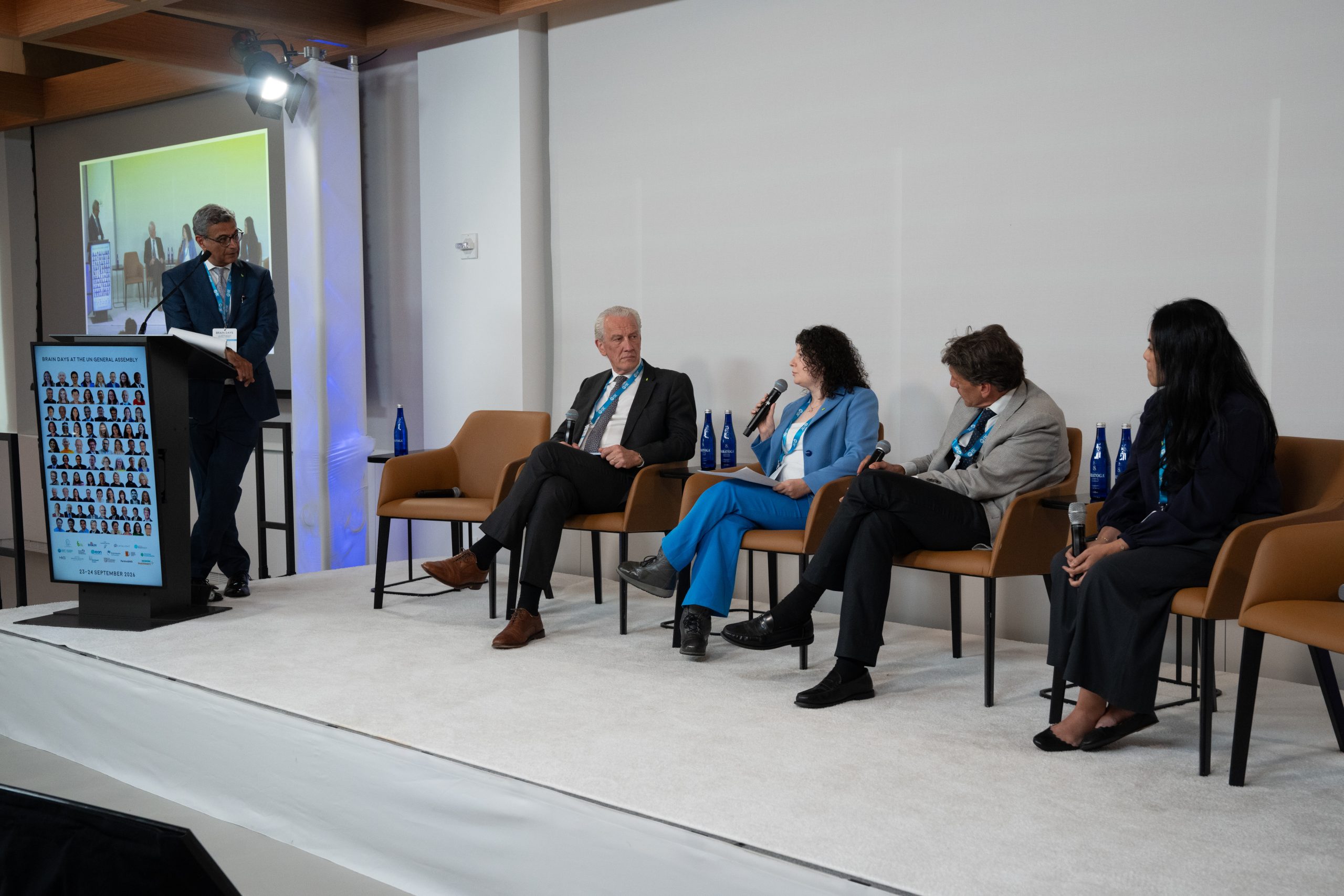
Pictured: BHM Session moderated by EAN President Kailash Bhatia; Panellists: Paul Boon, Co-Chair of the Brain Health Mission; Arabela Acalinei, Vice President of the European Federation of Neurological Associations; Celso Arango, President-Elect of the European Psychiatric Association; and Joanna Lai, Health Specialist at UNICEF