1 October 2026 | Bad Hofgastein, Austria
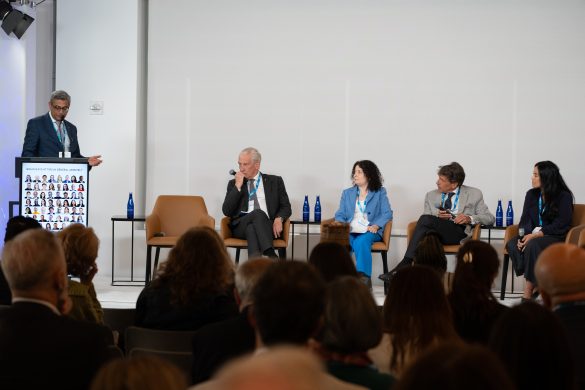
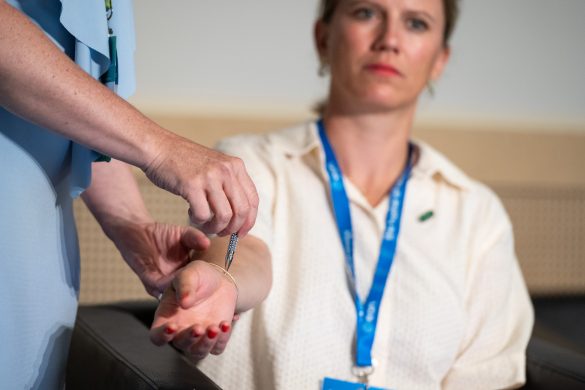
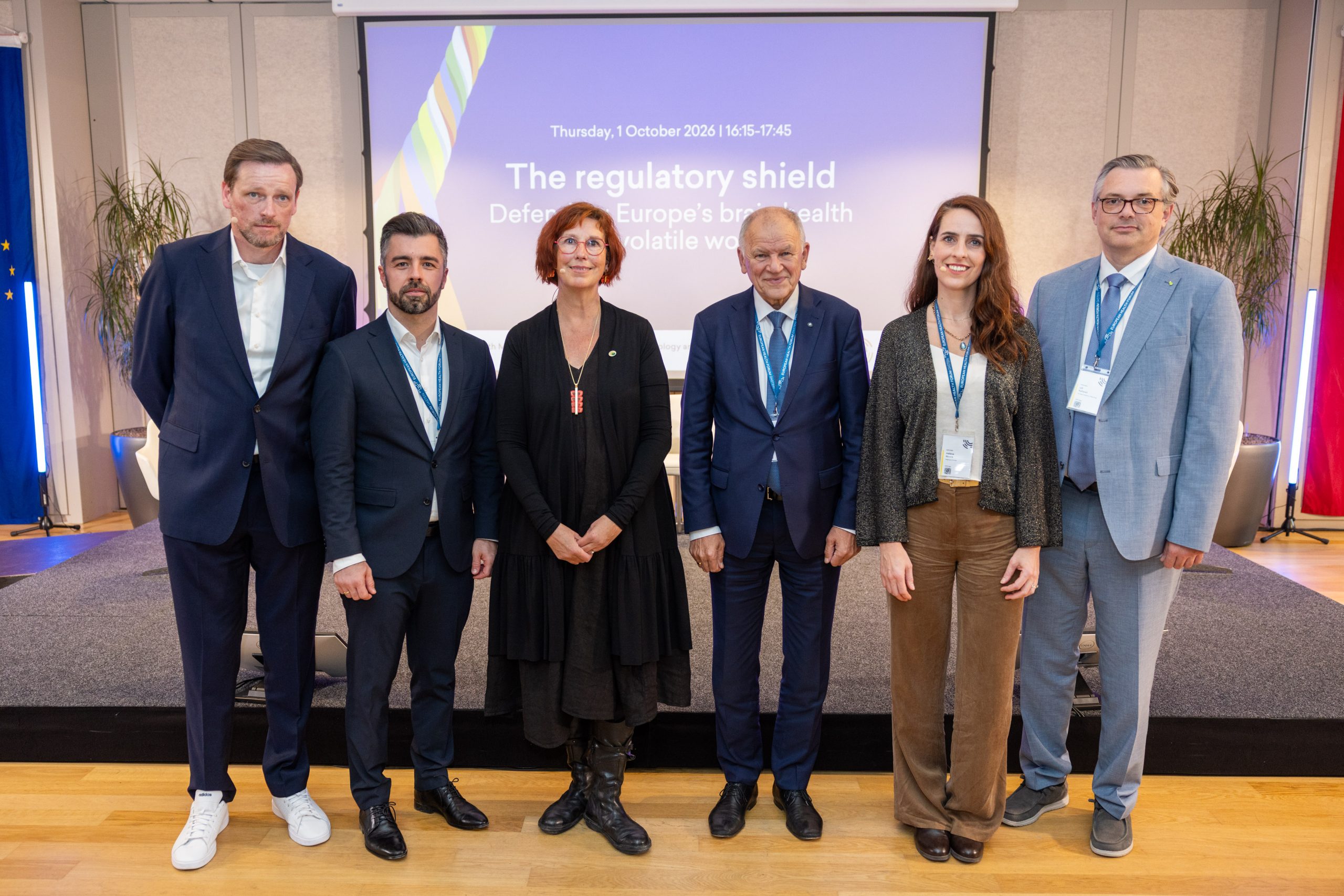
At the 2026 European Health Forum Gastein (EHFG), the Brain Health Mission, the European Academy of Neurology (EAN), and the Health and Environment Alliance (HEAL) convened a high-level session titled The Regulatory Shield: Defending Europe’s Brain Health in a Volatile World. Bringing together policymakers, clinicians, researchers, patient advocates and public health experts, the discussion explored how Europe’s environmental and chemical regulations contribute to protecting brain health across the lifespan.
Set against the backdrop of growing debates around competitiveness, simplification of regulation and Europe’s future resilience, the session examined how Europe can reduce administrative burdens while preserving essential health protections. Air-quality standards and REACH (Registration, Evaluation, Authorisation and Restriction of Chemicals) regulation on chemicals and pesticide controls provided concrete examples, with particular attention to neurological consequences that may only become apparent years or decades after exposure.
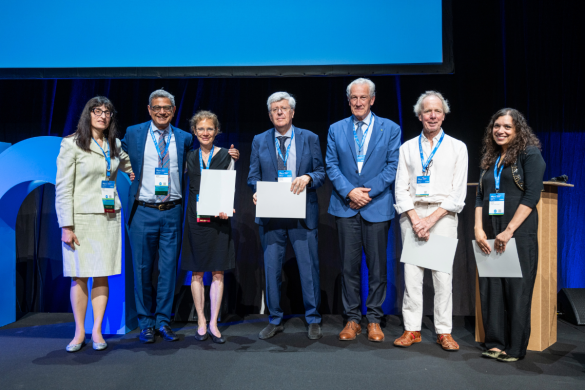
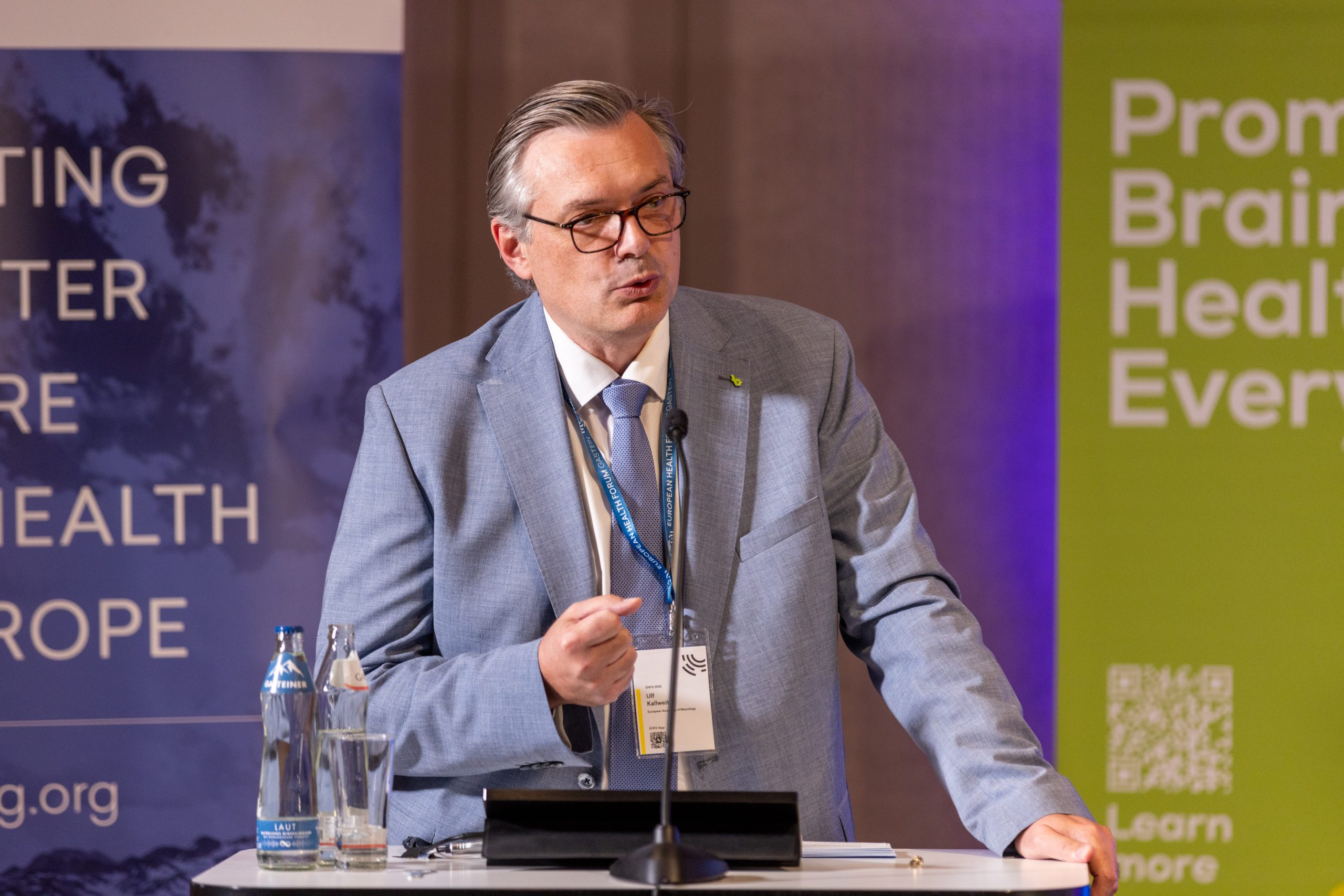
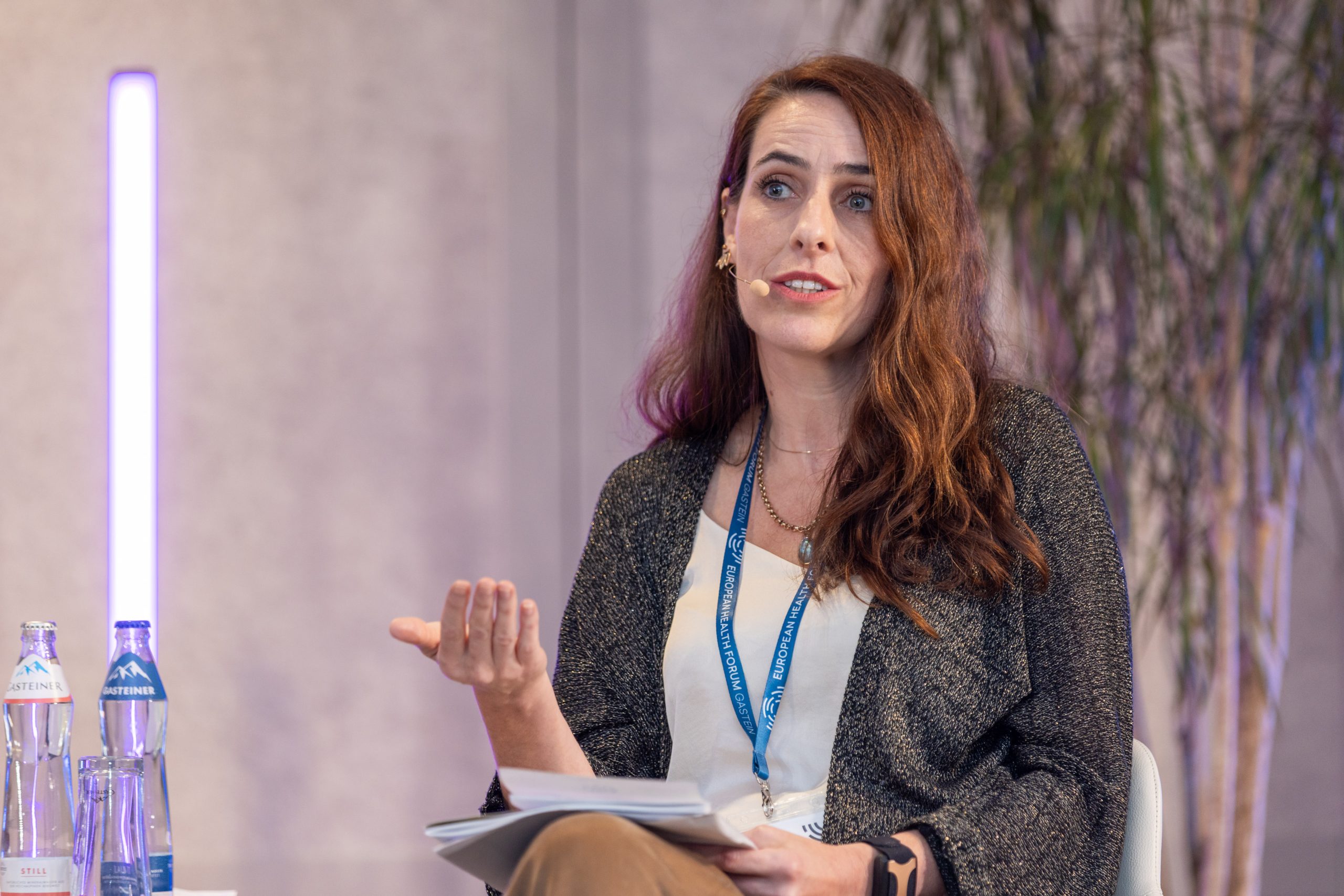
Ulf Kallweit, Co-Chair of the EAN Environmental Influences in Neurology Task Force, provided the scientific perspective on environmental influences on brain health, while MEPs András Kulja (EPP) and Vytenis Andriukaitis (S&D) explored the political choices around prevention, competitiveness and long-term health costs in a conversation moderated by Michael Crean, Deputy Executive Director of the European Academy of Neurology. Génon Jensen and Hélène Nicora brought environmental health policy and patient perspectives from the Health and Environment Alliance (HEAL) and Parkinson’s Europe, complemented by a video contribution from Wytze Russchen on living with Parkinson’s. Building on these perspectives, the discussion opened to the audience through a town hall debate, where participants considered whether the EU’s high environmental and chemical safety standards should be seen as a strategic shield for human health rather than an obstacle to economic competitiveness. Votes taken before and after the debate captured a shift in views, with some participants revising their initial position following the exchange.
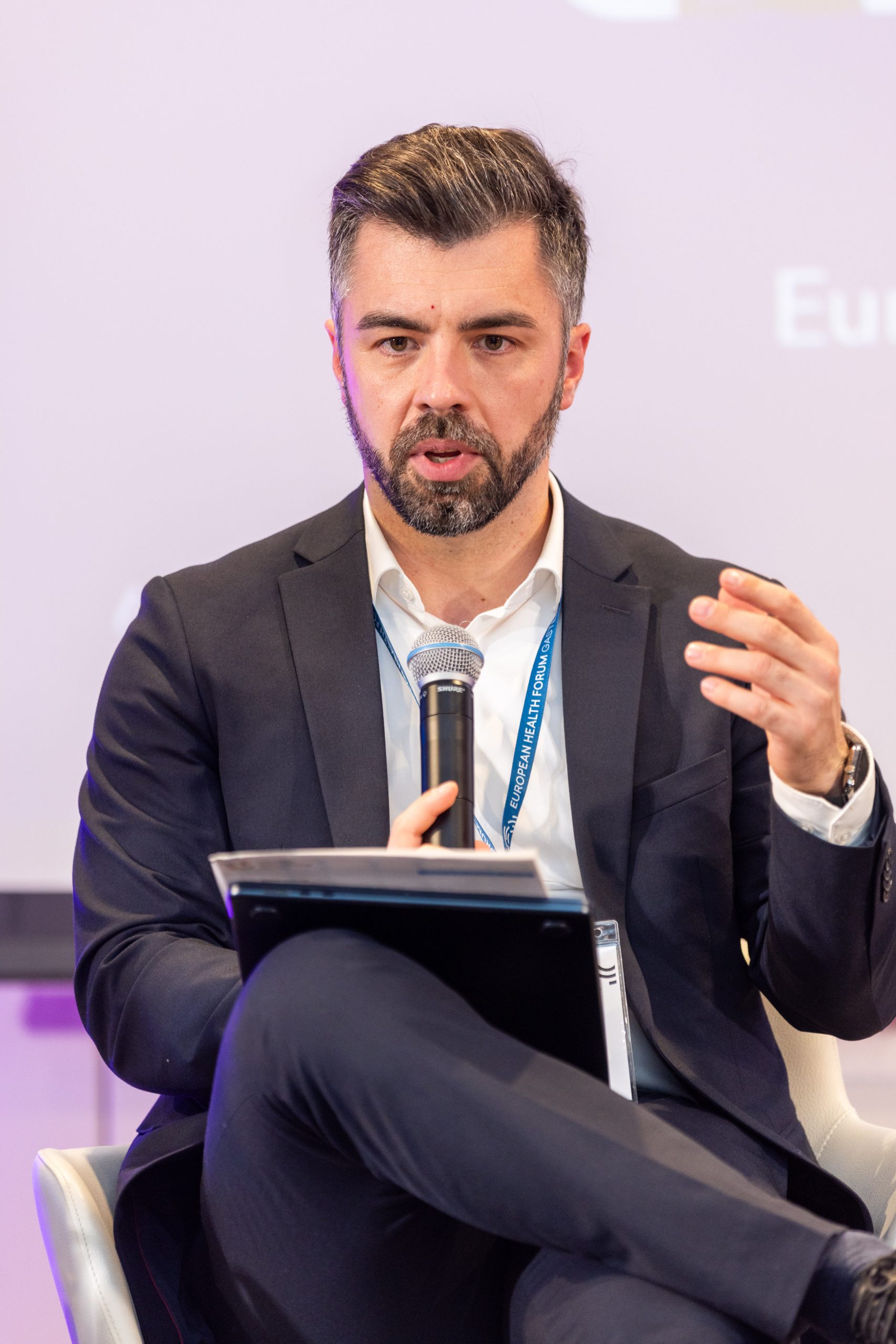
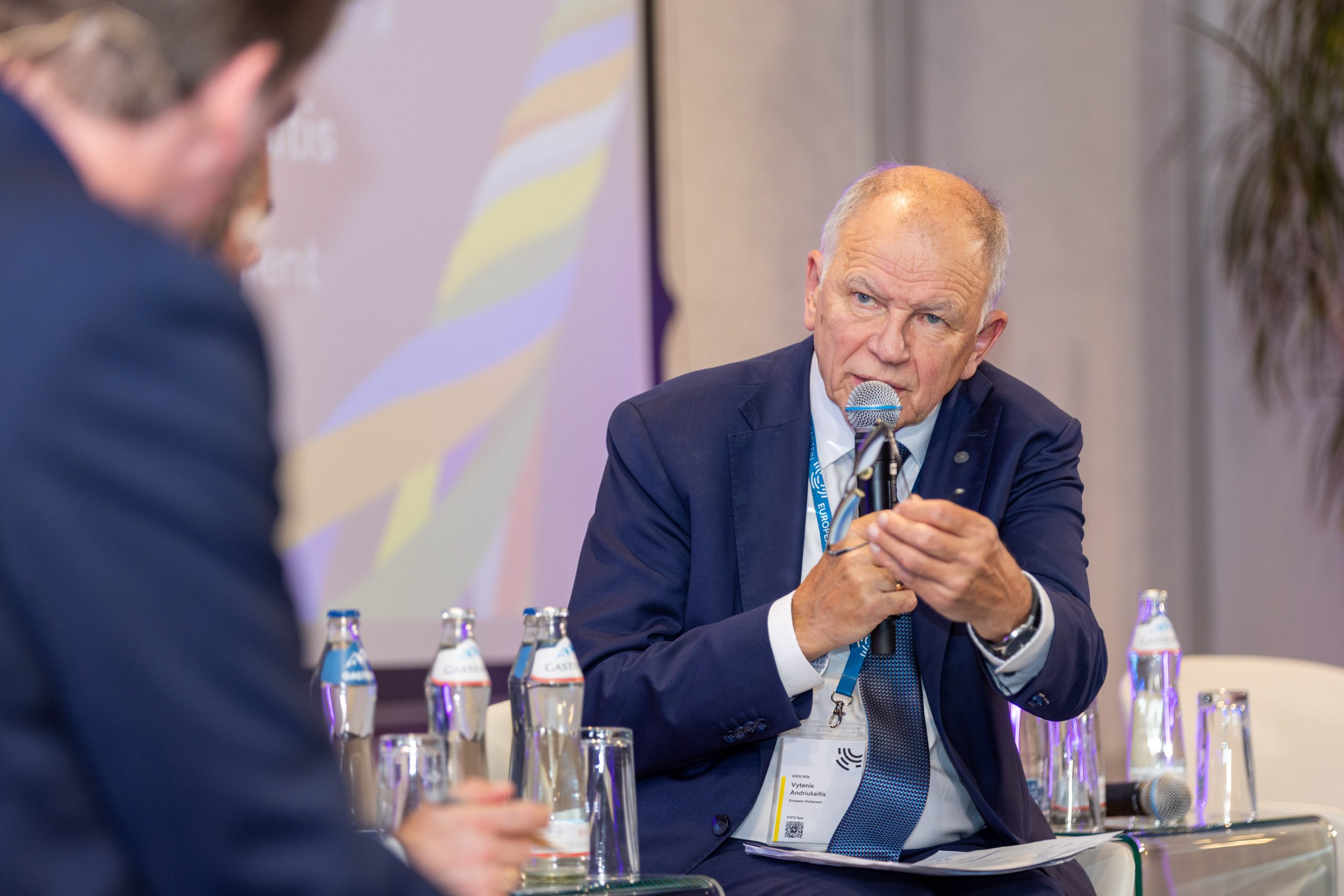
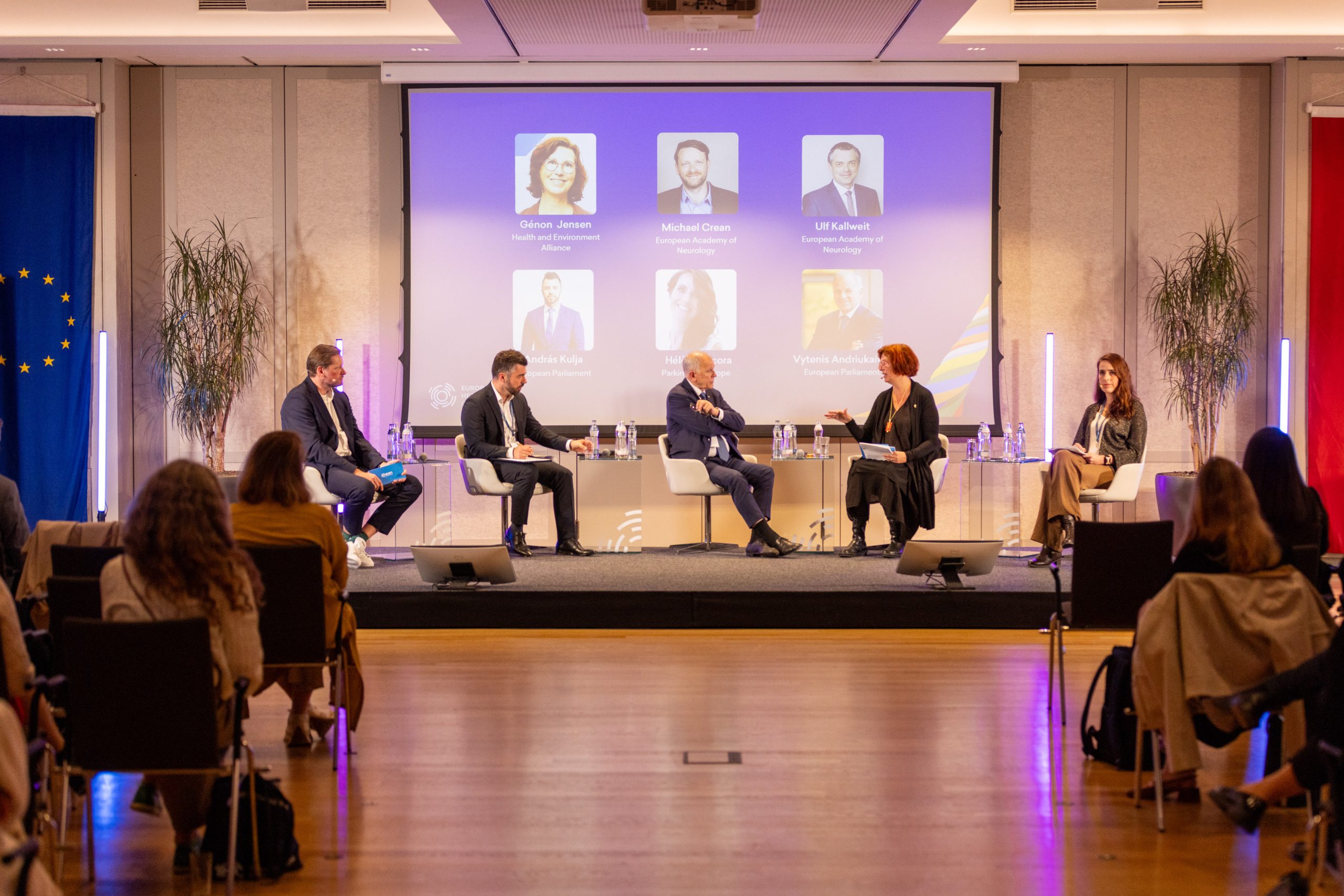
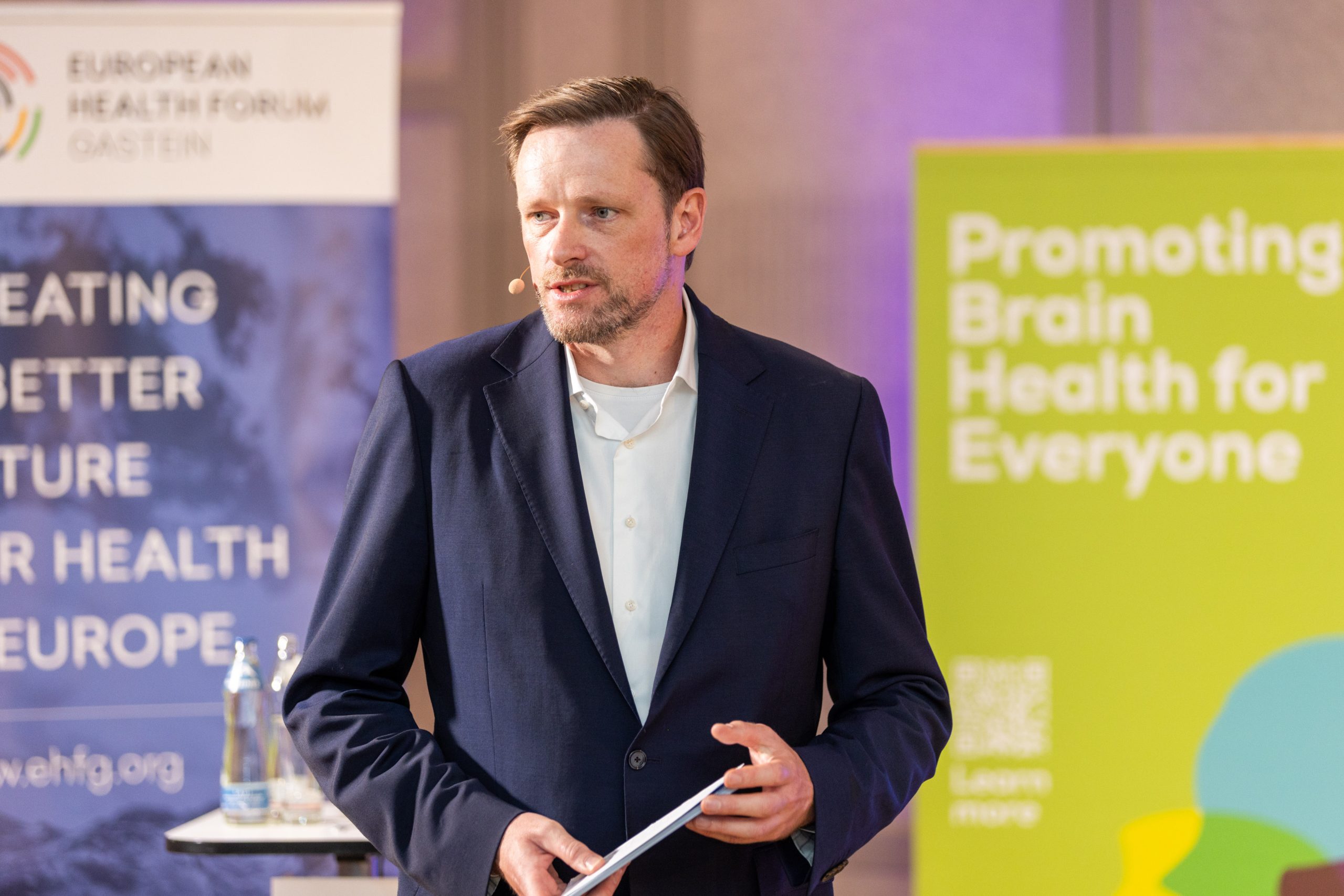
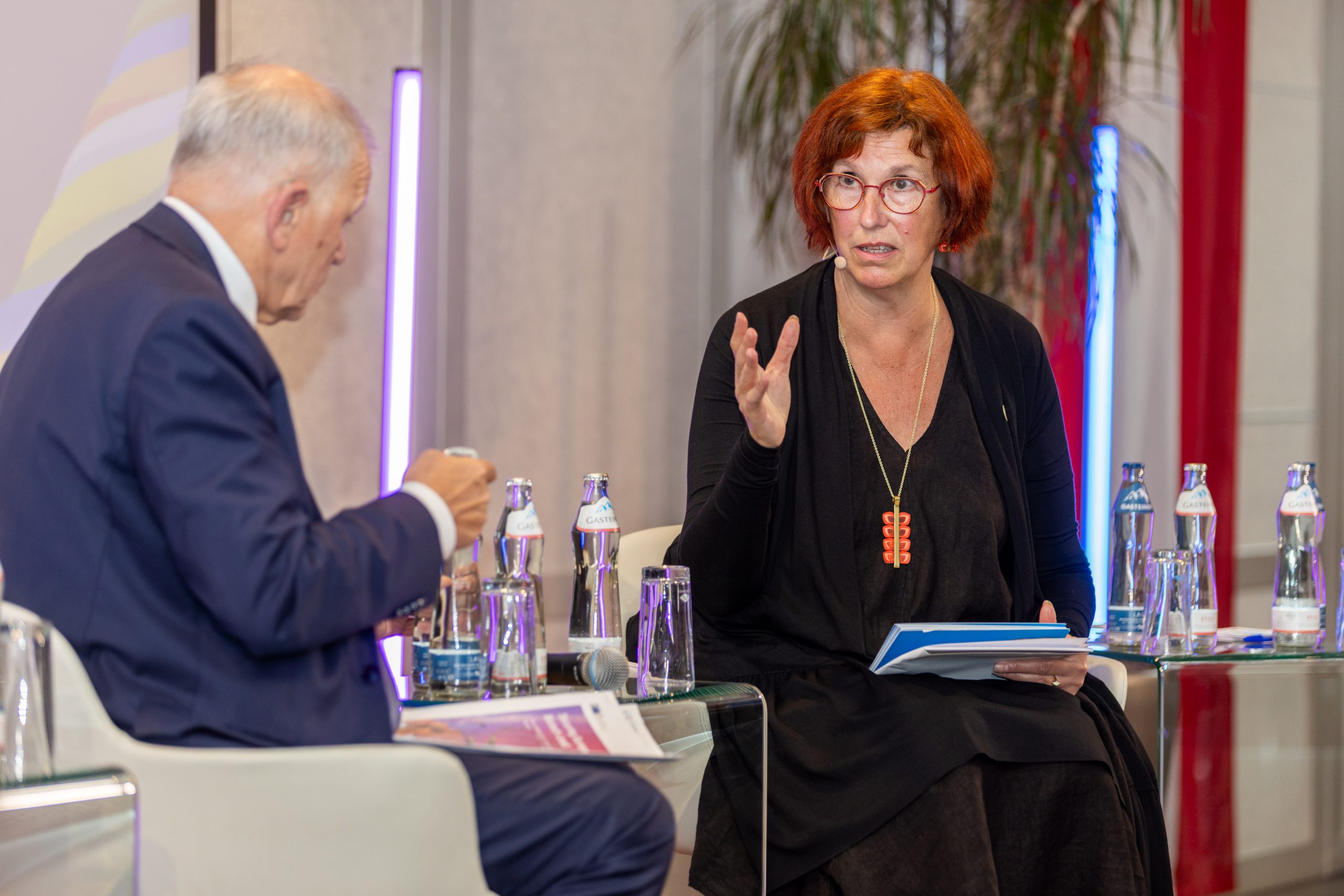
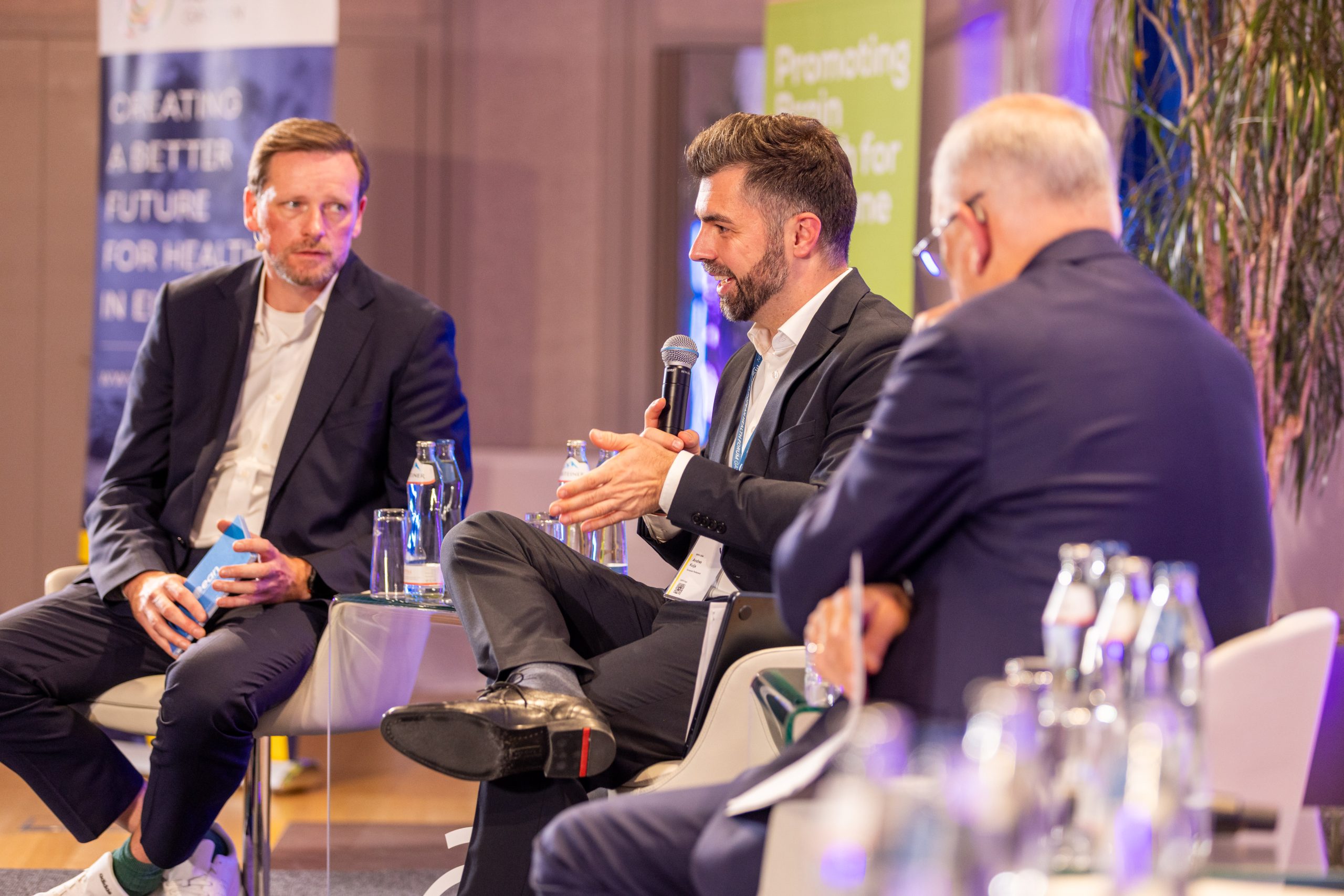
A recurring theme throughout the discussion was the need to view brain health not merely as a health issue, but as a strategic societal asset. MEP Andriukaitis emphasised prevention and the importance of maintaining strong environmental, food safety and air-quality standards. MEP Kulja highlighted how brain health underpins independence, decision-making, productivity, and quality of life. Their contributions connected the case for effective health protection with the wider social and economic value of safeguarding brain health. These messages highlighted a practical implication for policymaking: decisions about environmental risks should account for their long-term consequences for people’s health, independence and participation in society, alongside immediate economic considerations.
Reflecting this focus on long-term protection, Hélène Nicora, Director General of Parkinson’s Europe, delivered a clear appeal to policymakers: “We really ask European decision makers, please, when it comes to assessing some hazardous, potentially dangerous substance, follow the better be safe than sorry approach. Follow the precautionary principle.”
The conversation also reinforced the Brain Health Mission’s growing focus on the relationship between brain health, sustainability and societal wellbeing, highlighting the importance of cross-sector collaboration in addressing challenges that no single discipline or stakeholder can solve alone. By bringing brain health into one of Europe’s leading health policy forums, the session helped position brain health within broader discussions on public policy, environmental protection and long-term societal resilience. It demonstrated how conversations traditionally centered on regulation, sustainability and competitiveness are also conversations about protecting the health and potential of future generations. Through this dialogue, the Brain Health Mission continued its efforts to ensure that brain health is recognised not only as a medical priority, but as a foundation for a healthier, more prosperous and more sustainable Europe.
Catch up on the full discussion on protecting Europe’s brain health: The regulatory shield – YouTube