By Prof. Meryem Aslı Tuncer, Chair, Neuroimmunology Working Group, Turkish Neurological Society
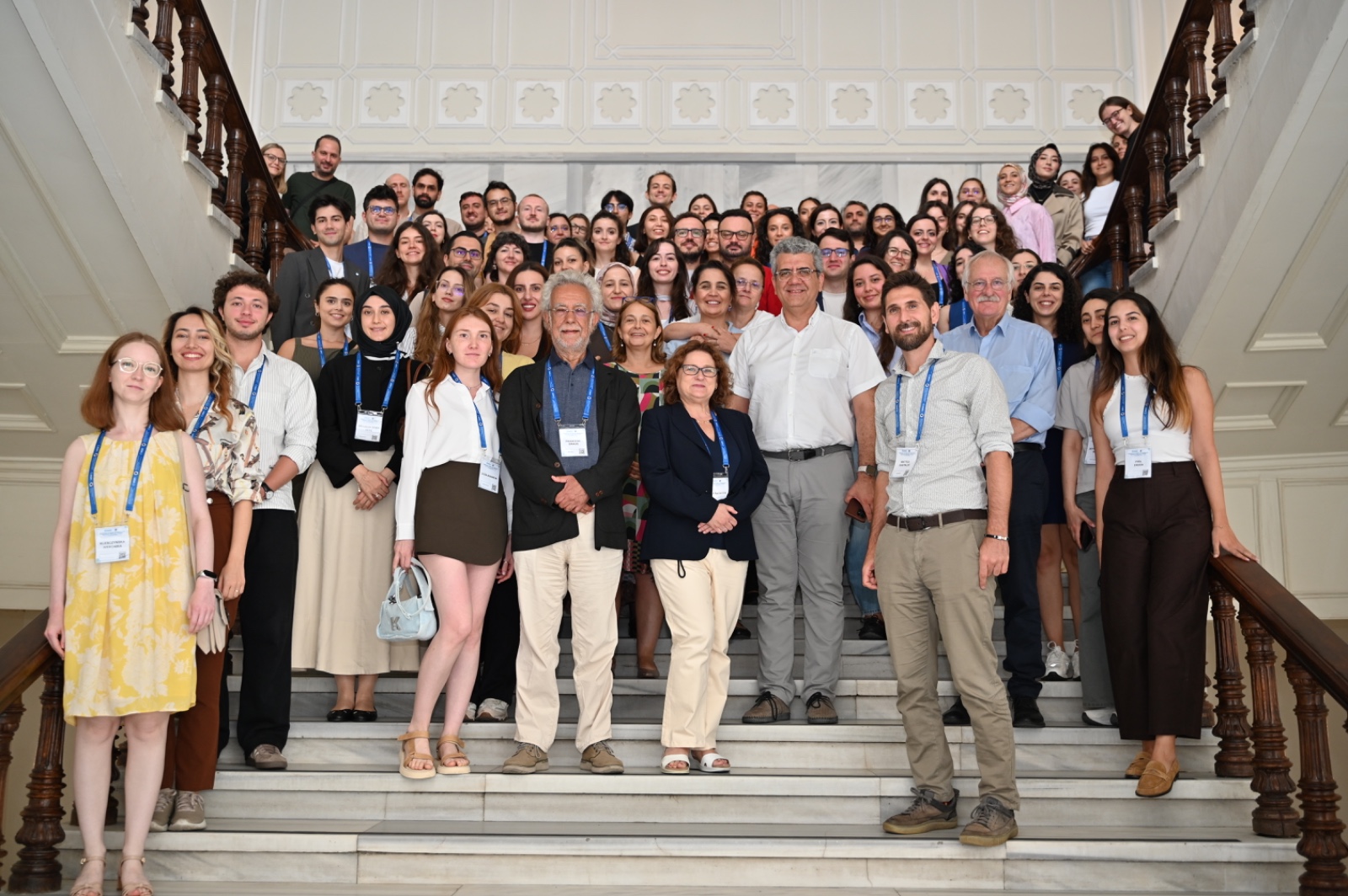
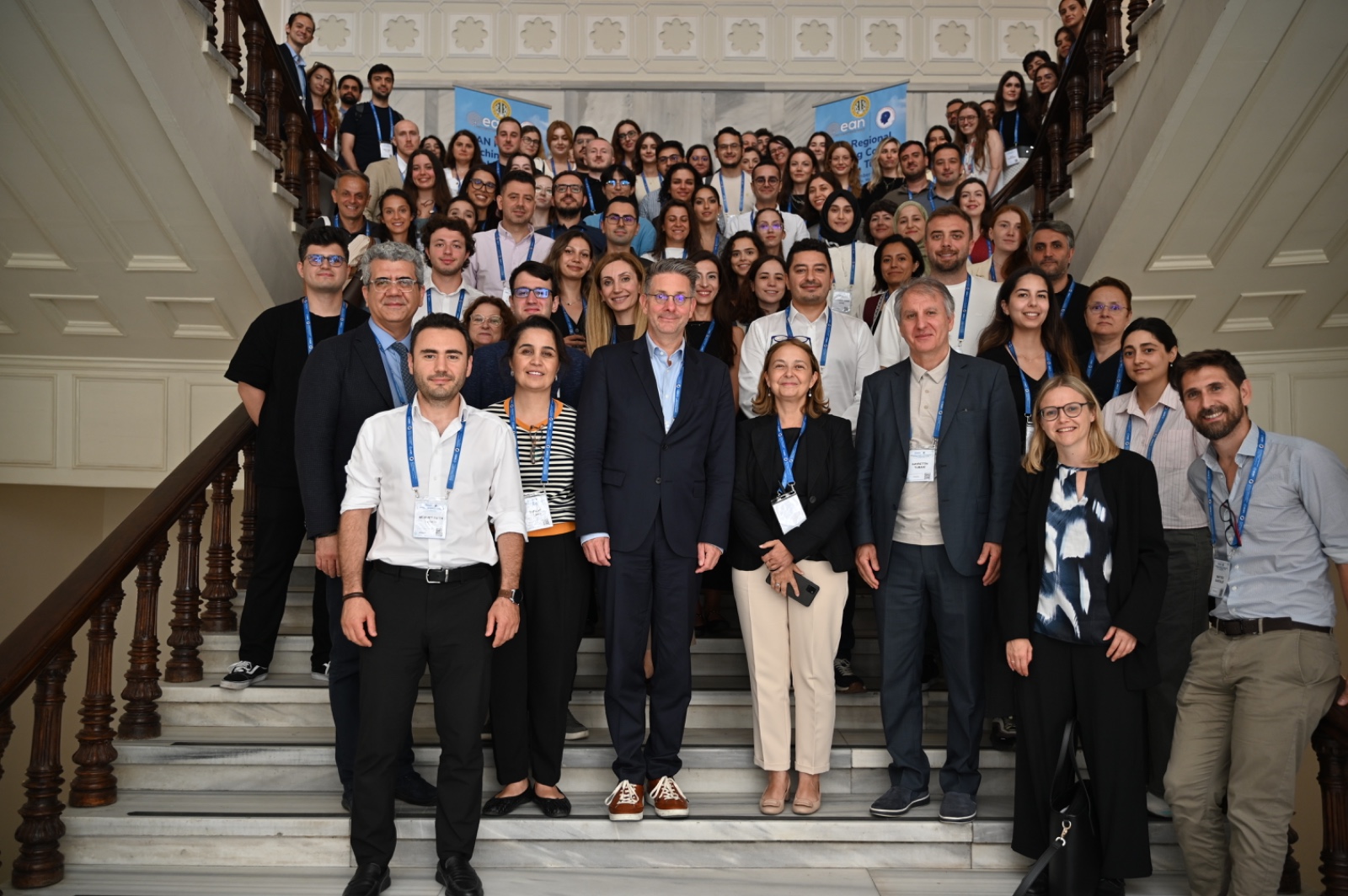
The EAN Regional Teaching Course (RTC), organised in collaboration with the European Academy of Neurology (EAN), the Turkish Neurological Society, and its Neuroimmunology Working Group, was held on 3-5 September 2026 at Istanbul University, Beyazıt Campus, in Istanbul, Türkiye.
The three-day course brought together 110 participants and 11 speakers, including eight international faculty members, and was conducted entirely in English. Designed primarily for neurology residents, early-career neurologists, and neurologists with a particular interest in neuroimmunology, the course combined state-of-the-art lectures with interactive, case-based teaching and practical discussions. Its central focus was the integration of clinical, laboratory, and neuroimaging biomarkers into the diagnosis and management of neuroimmunological disorders.
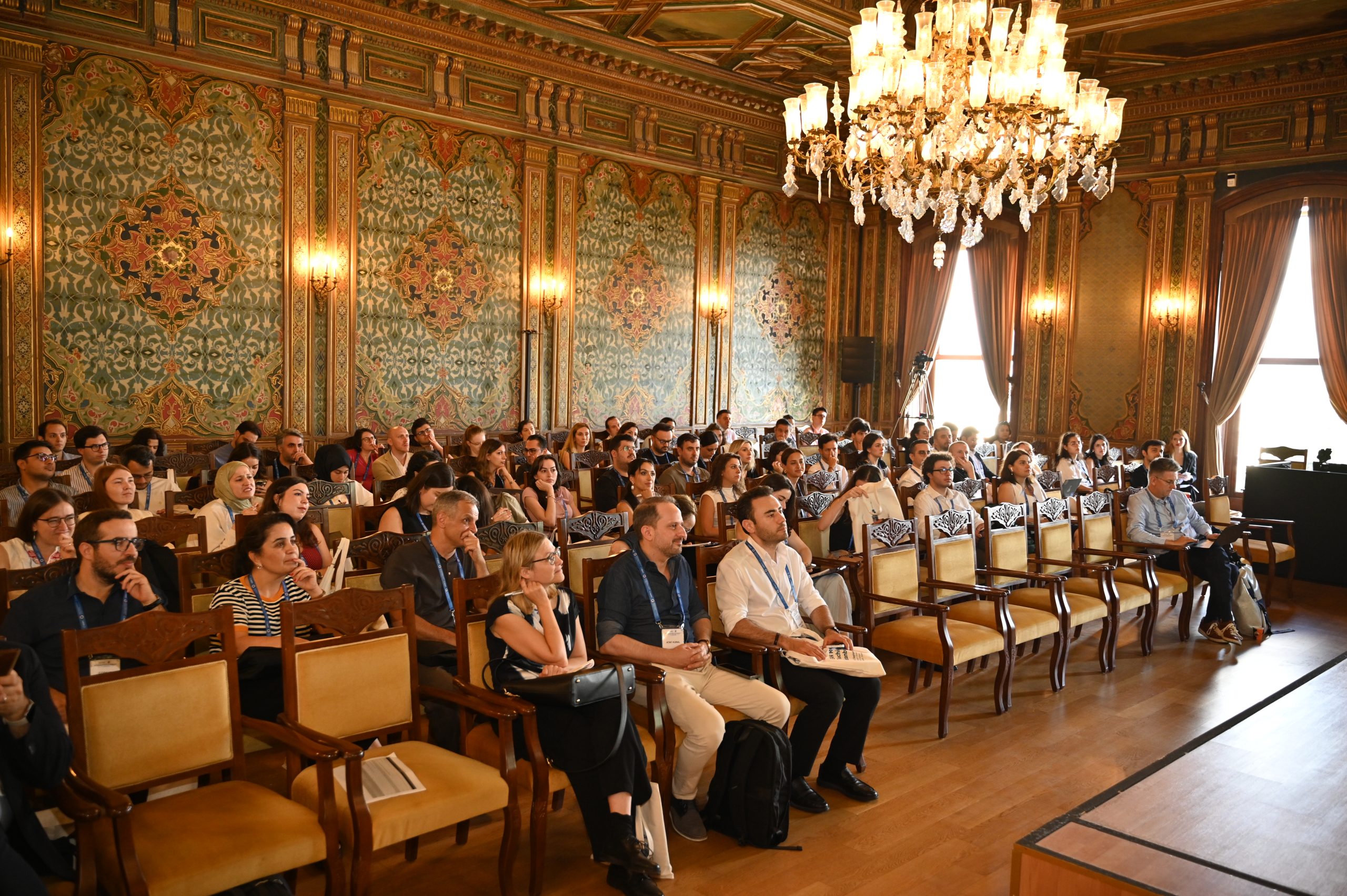
The course opened with welcoming remarks from Prof. Irena Rektorova, EAN President-Elect, who joined the ceremony online and highlighted the role of EAN educational initiatives in supporting neurological training and international collaboration. Prof. Murat Terzi, President of the Turkish Neurological Society, also addressed the participants remotely. Prof. Meryem Aslı Tuncer, representing the Turkish Neurological Society Neuroimmunology Working Group, welcomed the faculty and participants on behalf of the local organisers. Prof. Murat Kürtüncü, Vice Dean of Istanbul University Faculty of Medicine, also contributed to the opening ceremony.
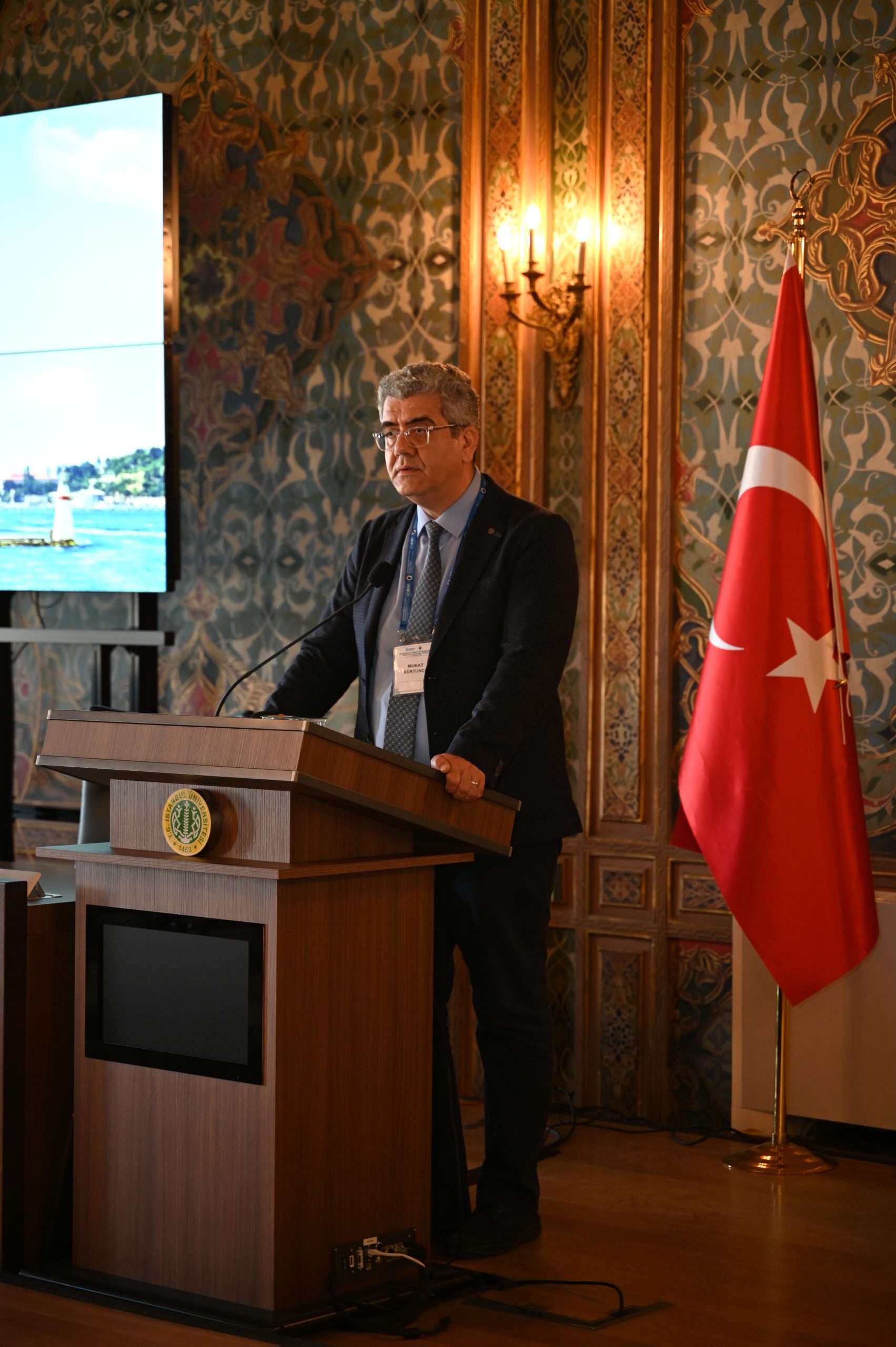
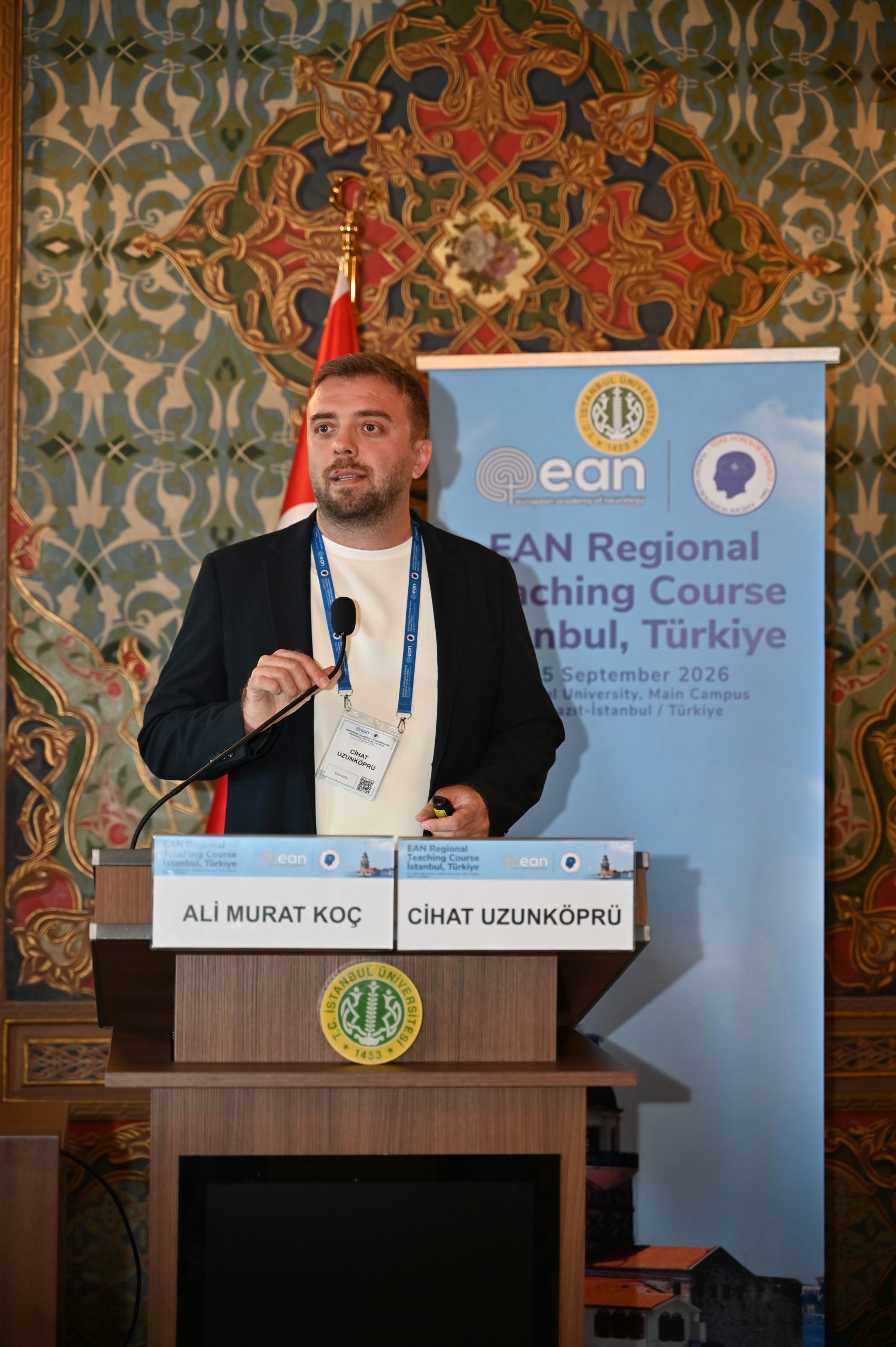
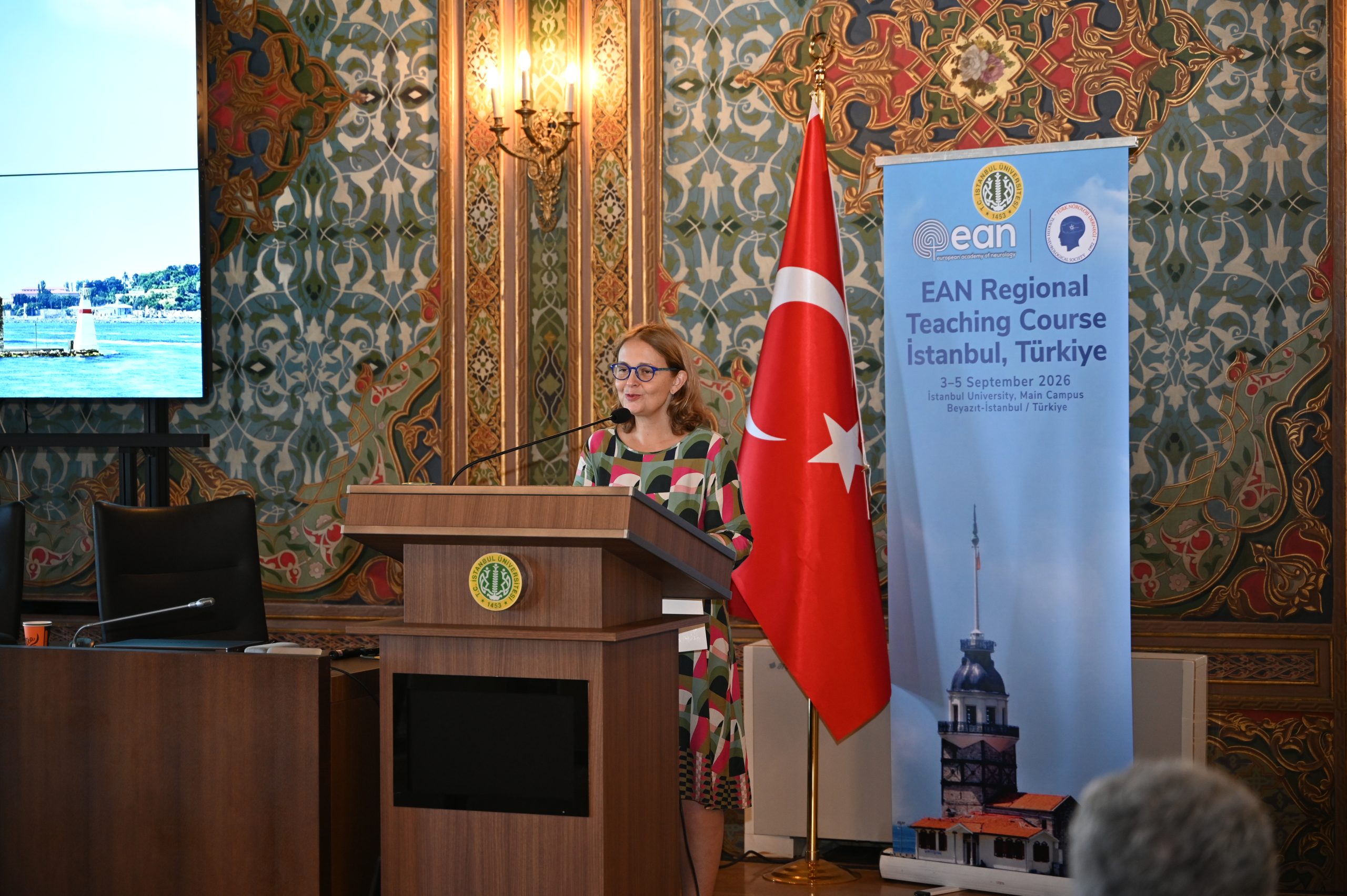
The scientific programme was structured around three major areas of contemporary neuroimmunology, with one principal theme addressed on each day of the course.
The first day focused on biomarkers in multiple sclerosis (MS) and their integration with clinical and neuroimaging findings. Lectures reviewed serum and cerebrospinal fluid biomarkers, contemporary approaches to radiological diagnosis and differential diagnosis, imaging markers associated with disease progression, and emerging advanced neuroimaging techniques. The afternoon sessions translated these concepts into clinical practice through case-based workshops addressing the interpretation of laboratory biomarkers and imaging patterns in patients with suspected or established MS.
The second day was devoted to neuromyelitis optica spectrum disorder (NMOSD) and related antibody-mediated central nervous system disorders. The faculty discussed the pathophysiological basis of antibody-mediated demyelinating diseases, AQP4-IgG and MOG-IgG testing, the clinical implications of antibody results, and the integration of laboratory findings with clinical and radiological phenotypes. Interactive workshops provided participants with the opportunity to work through diagnostic challenges and to discuss how biomarker findings can inform differential diagnosis and therapeutic decision-making.
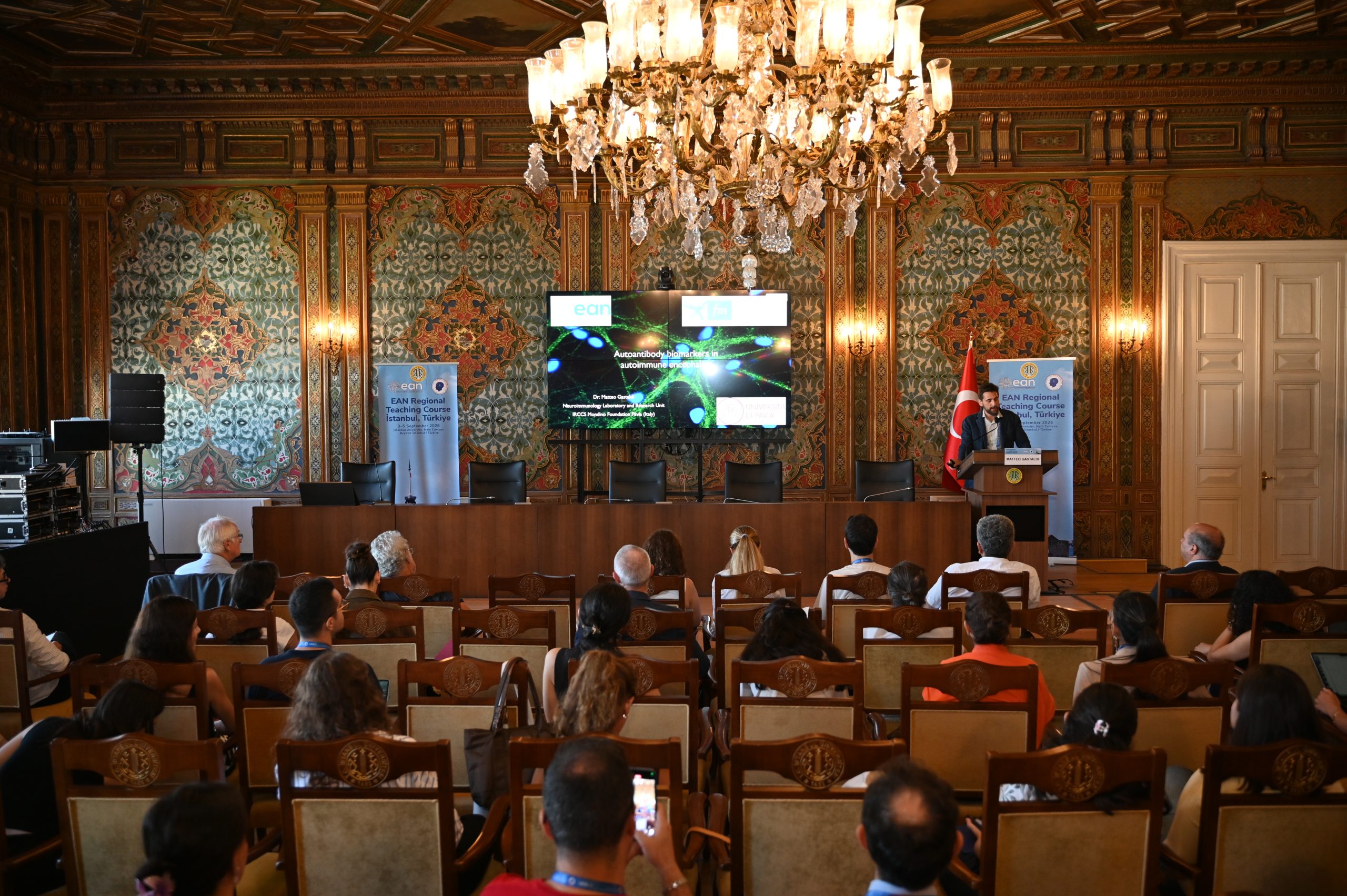
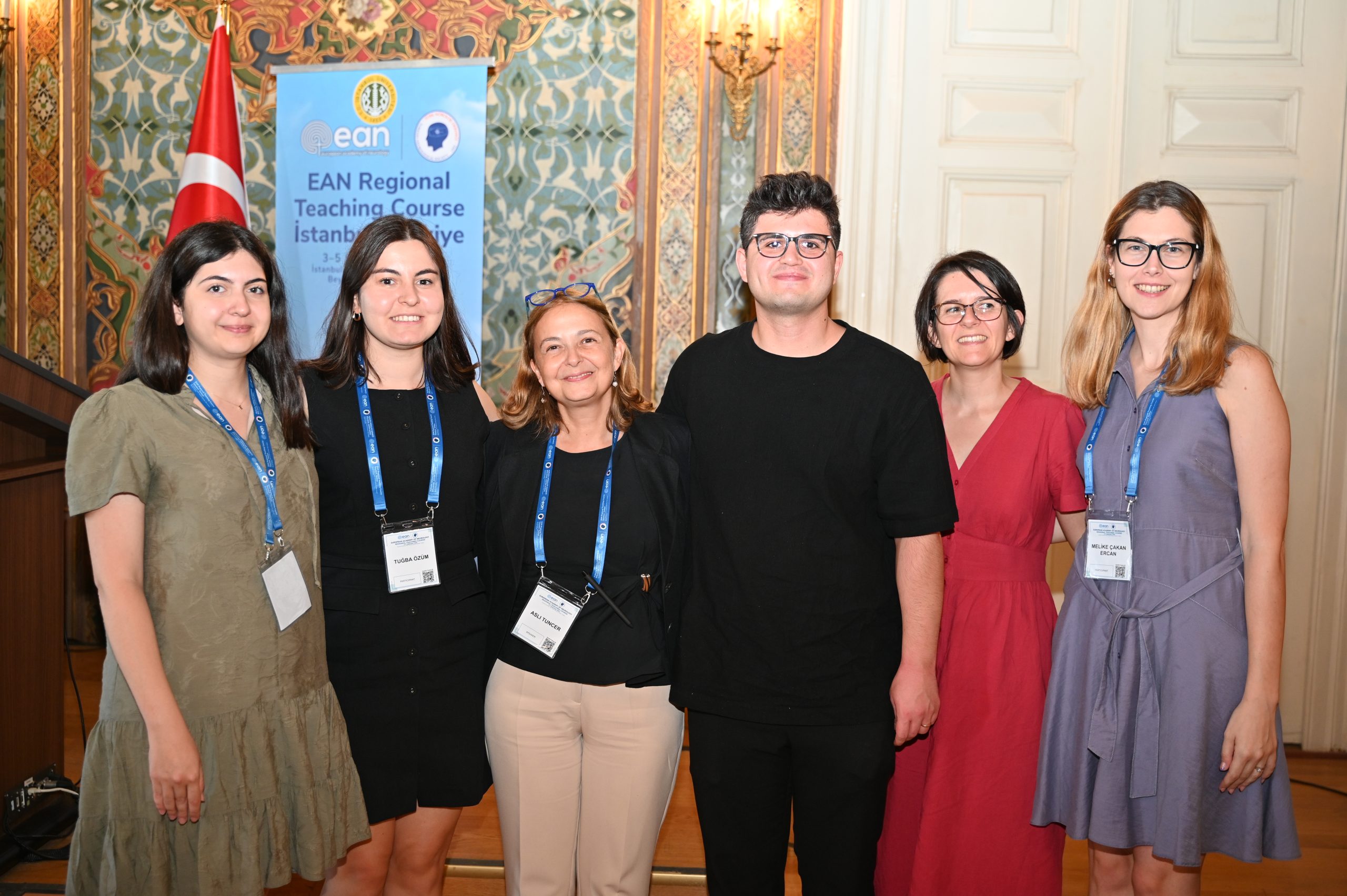
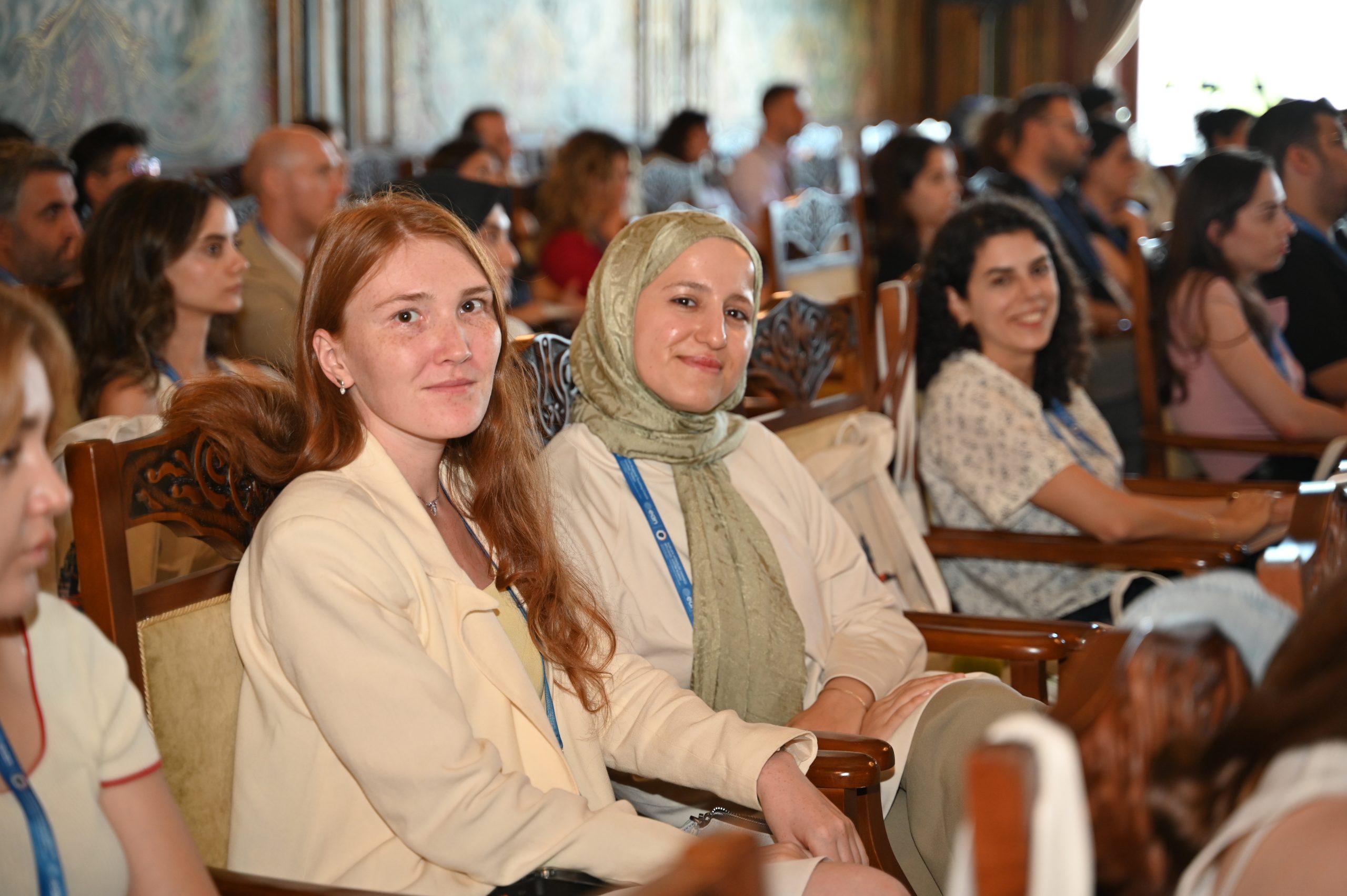
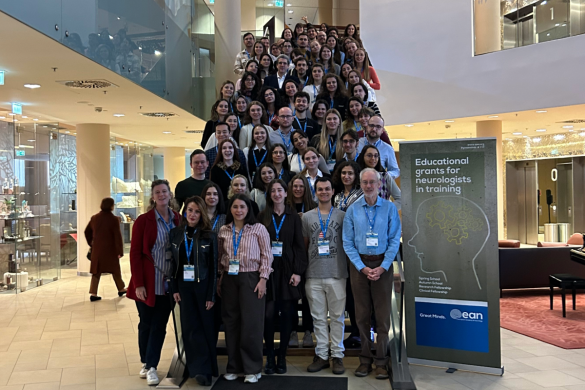
The programme also included a dedicated session on training, research opportunities, and grants for neurologists in training, highlighting educational and professional development opportunities available to early-career neurologists through the EAN.
The third day addressed autoimmune and paraneoplastic encephalitis, with particular emphasis on antibody-based diagnosis and clinical interpretation. The lectures covered the pathophysiological basis of autoimmune and paraneoplastic neurological syndromes, diagnostic neuronal antibody biomarkers, antibody-negative autoimmune encephalitis and autoimmune cerebellitis, and onconeural antibodies in paraneoplastic neurological syndromes. A final case-based interactive workshop focused on the interpretation of autoimmune and paraneoplastic antibody panels and the challenges encountered when integrating laboratory results with clinical presentation.
A particular strength of the course was the close integration of plenary teaching with interactive workshops and clinical case discussions. These sessions enabled participants to discuss real-world diagnostic problems directly with faculty members and encouraged active exchange between young neurologists and experienced national and international experts. The format provided an opportunity not only to review current evidence but also to explore practical challenges in biomarker interpretation and clinical decision-making.
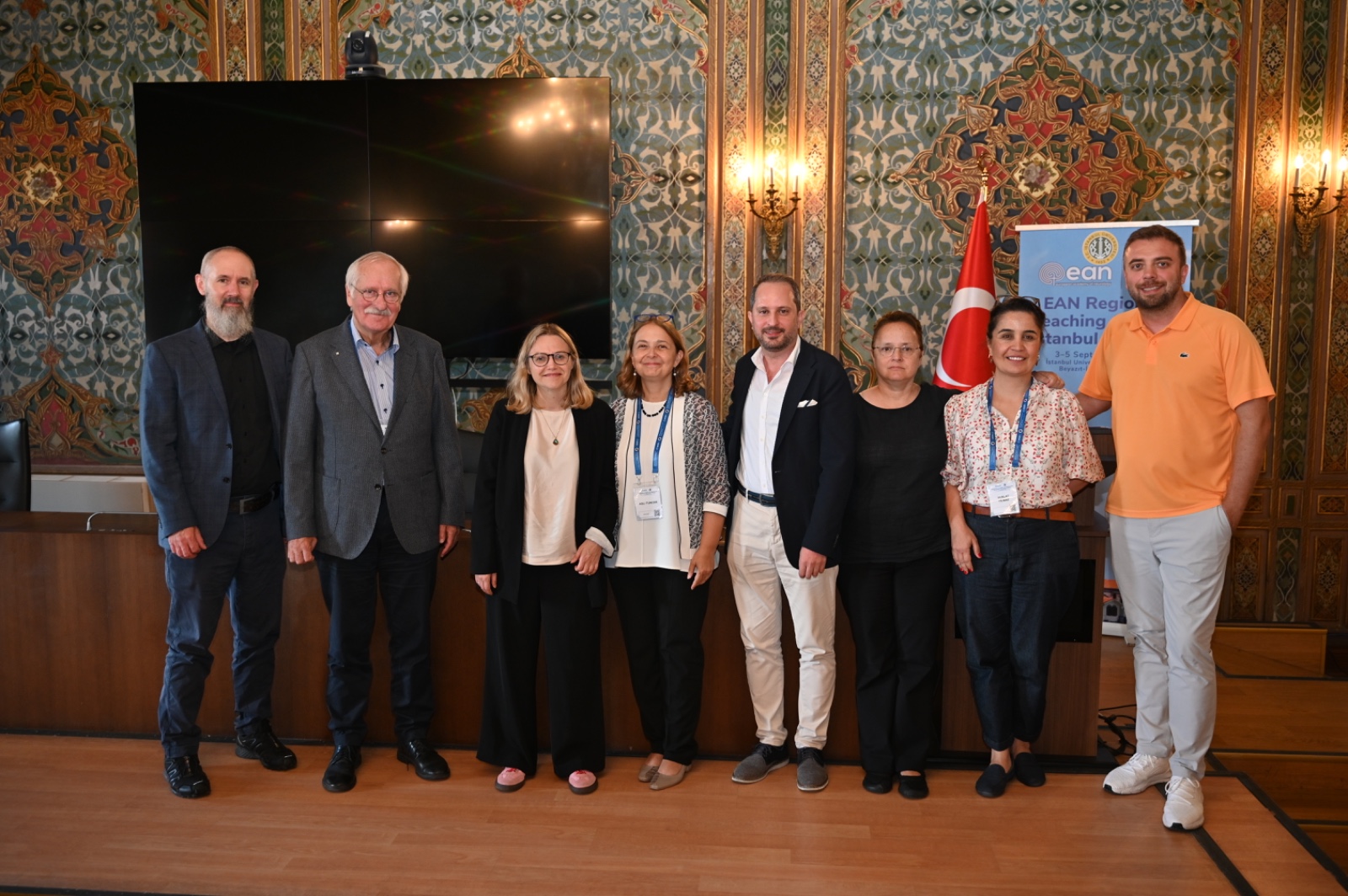
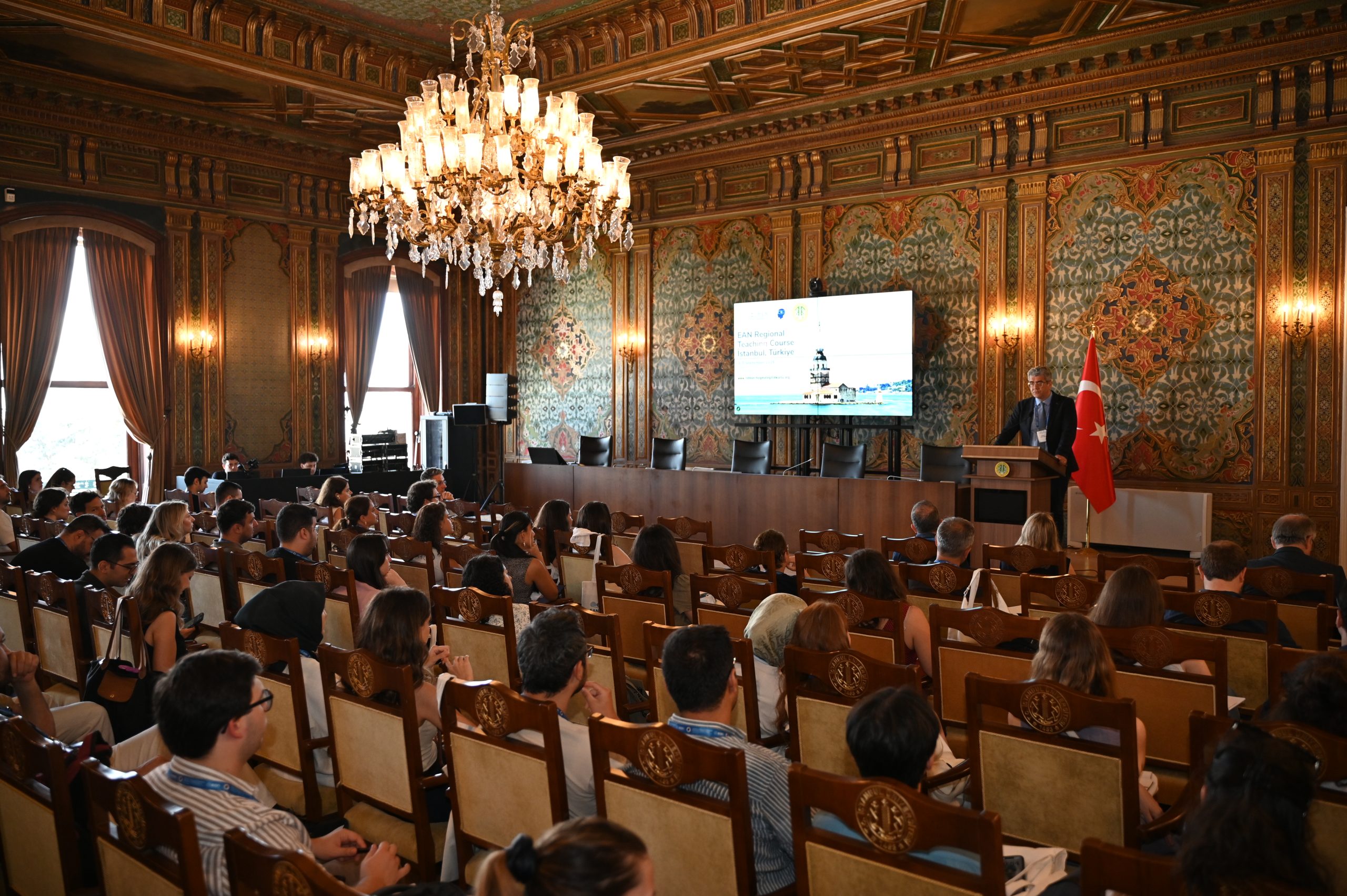
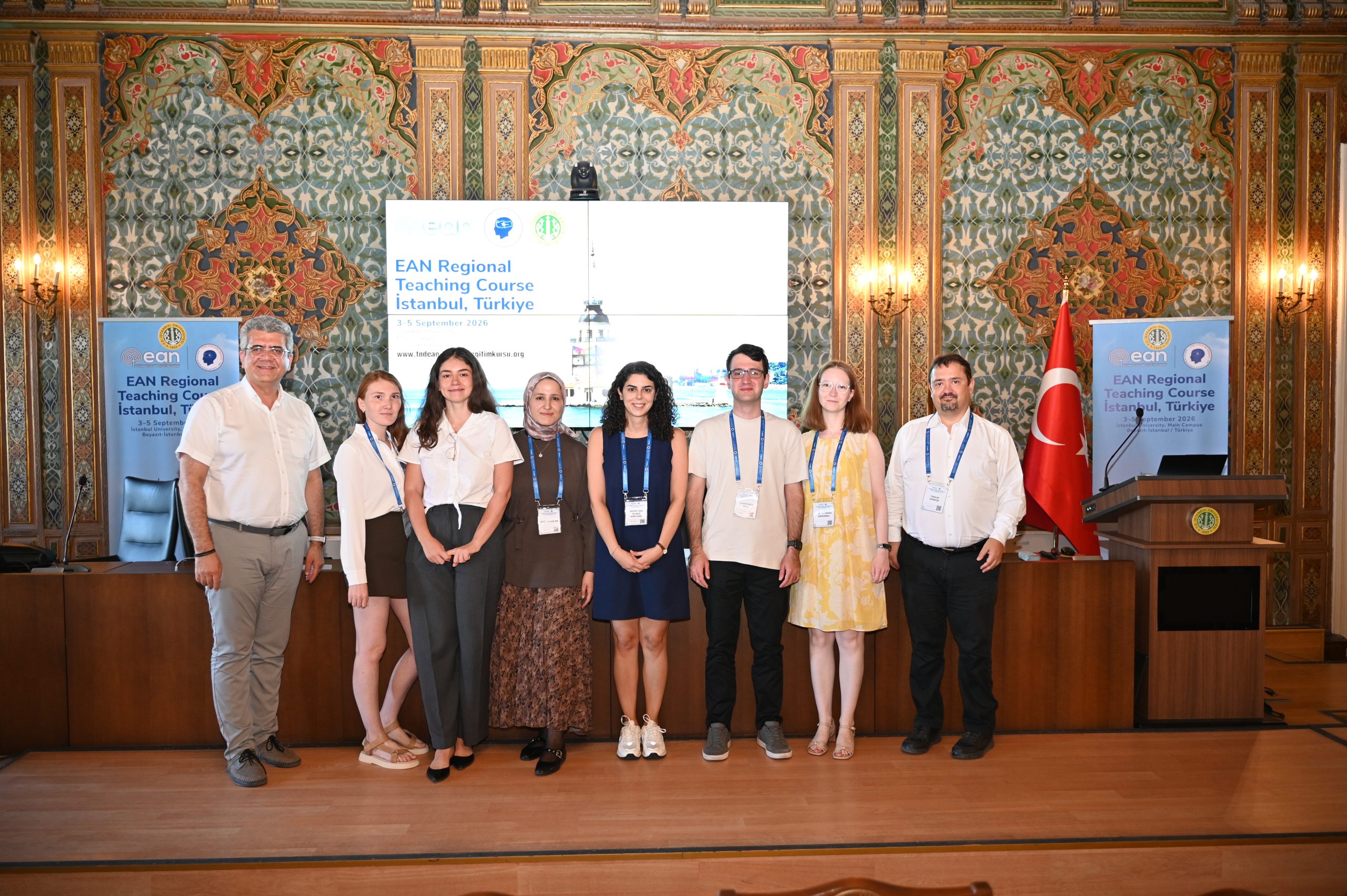
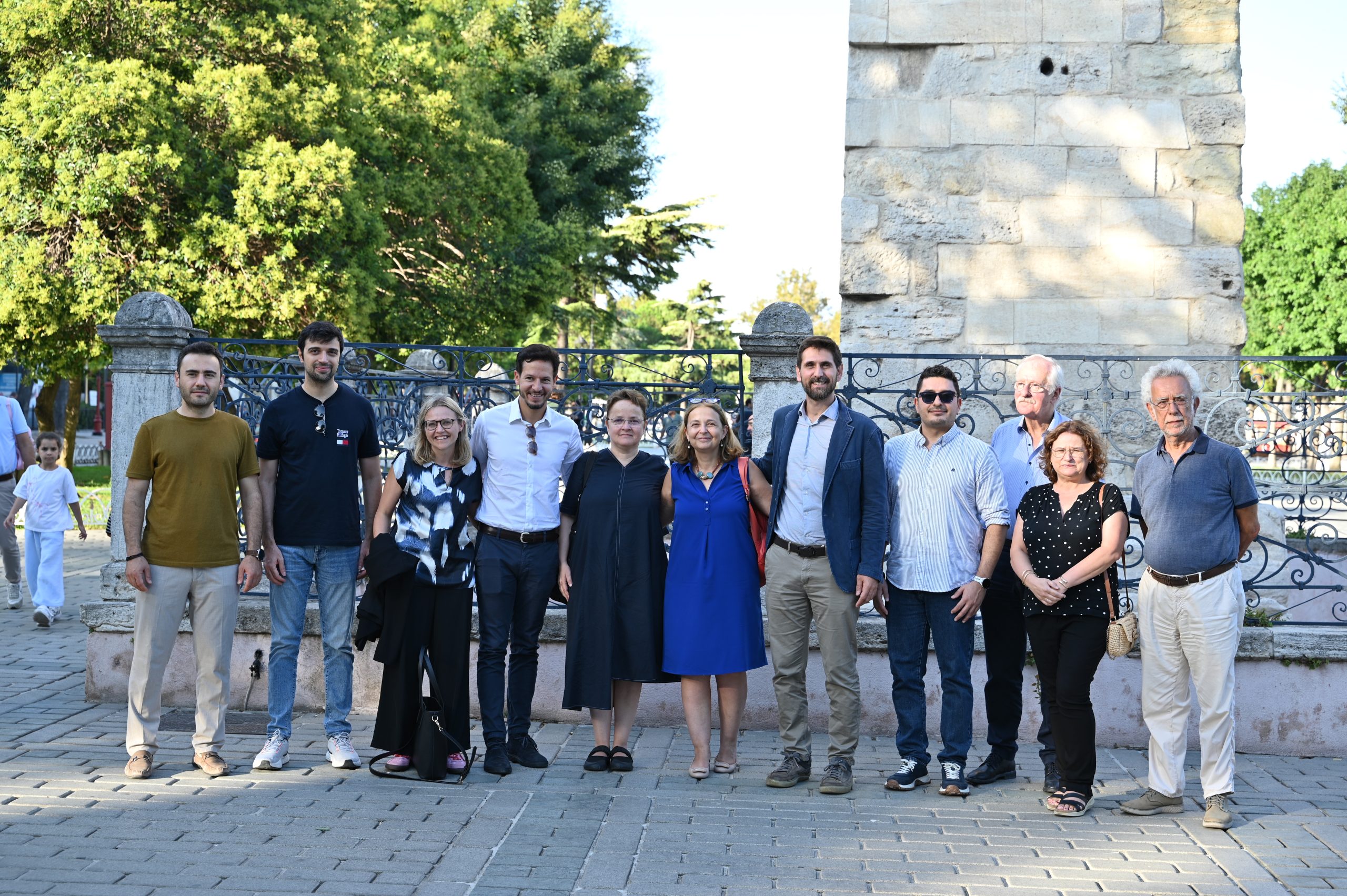
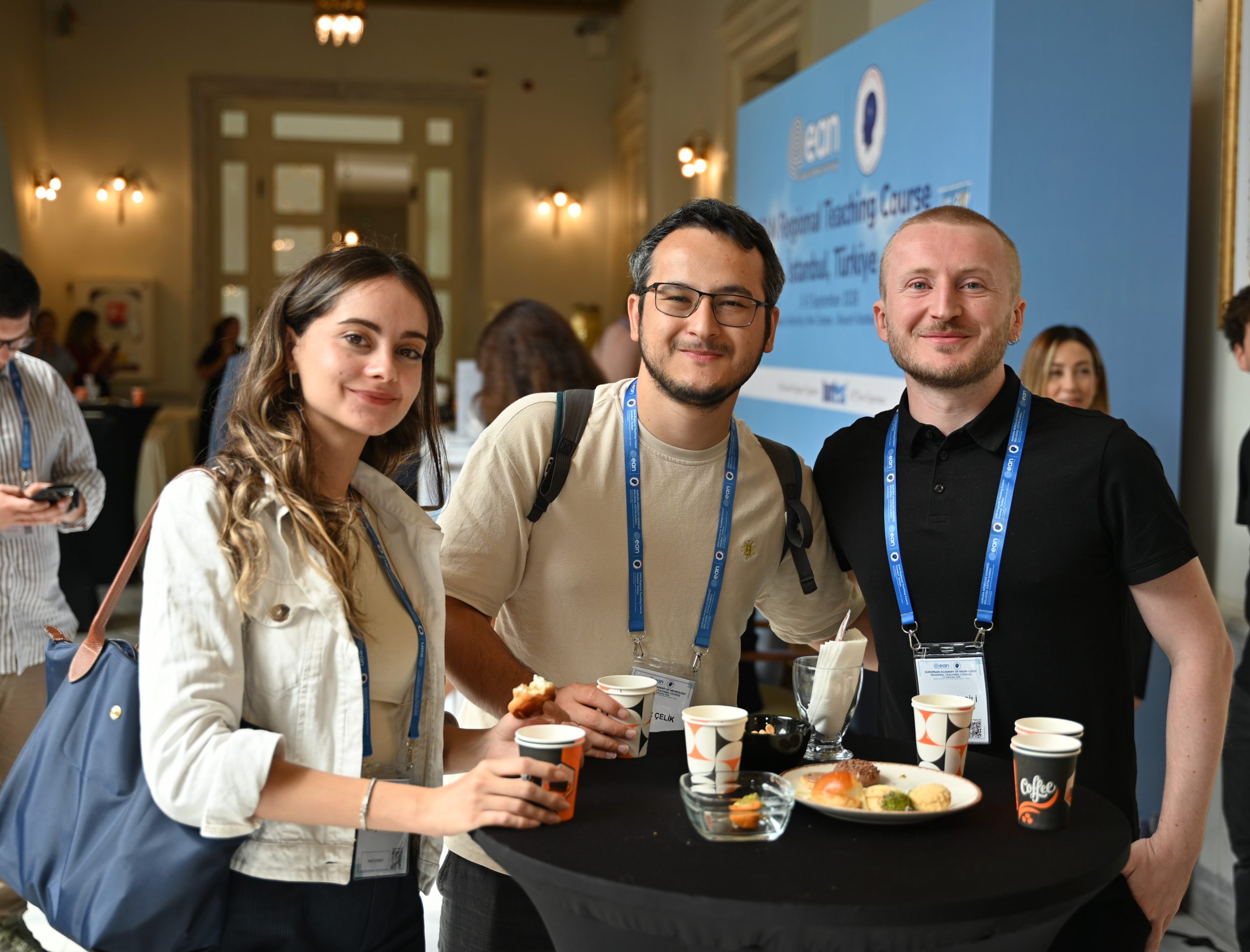
The scientific programme was complemented by opportunities for informal interaction and networking among participants and faculty. Bringing together neurologists from Türkiye and from different countries and healthcare settings contributed to an international educational environment and facilitated the exchange of clinical and academic perspectives.
The course concluded on 5 September with an optional multiple-choice examination based on the scientific programme, followed by the closing ceremony and presentation of certificates.
The Turkish Neurological Society and its Neuroimmunology Working Group sincerely thank the European Academy of Neurology for its support and collaboration, the international and national faculty for their valuable scientific contributions, Istanbul University for hosting the course, and all participants for their active engagement throughout the three-day programme.
The EAN Regional Teaching Course in Istanbul provided an intensive and highly interactive educational forum in neuroimmunology and further strengthened collaboration between the EAN, the Turkish neurological community, and colleagues from across Europe and beyond.