by Dr Katarzyna Kozala, Medical University of Vienna
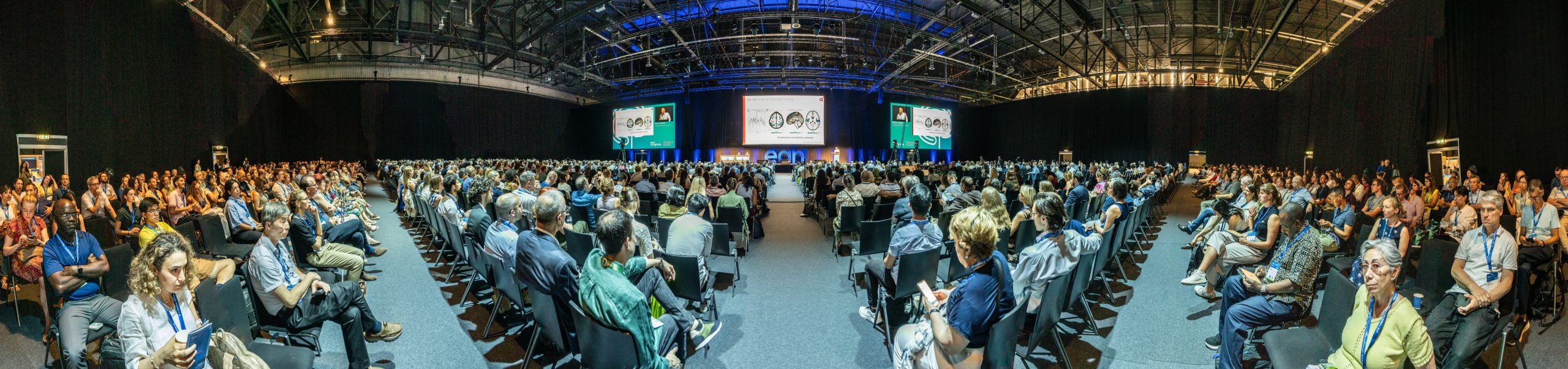
The room filled up early for one of the most popular Movement Disorders sessions at the EAN Congress 2026. Chaired by Antonella Macerollo and Roberto Erro, the symposium brought together leading experts to explore tremor syndromes from multiple perspectives—from the underlying biology and clinical diagnosis to the latest medical and surgical treatment options.
A recurring theme throughout the session was that tremor is far more than a symptom. Advances in neuroscience are revealing distinct biological mechanisms that are changing the way neurologists understand, diagnose and treat tremor syndromes.
Rick Helmich opened the scientific programme with an engaging overview of tremor pathophysiology. He explained that different tremor syndromes arise from complex interactions between distributed brain networks rather than isolated brain regions. While essential tremor, Parkinsonian tremor and dystonic tremor differ clinically, each is associated with distinct patterns of network involvement involving the cerebellum, basal ganglia and motor cortex.
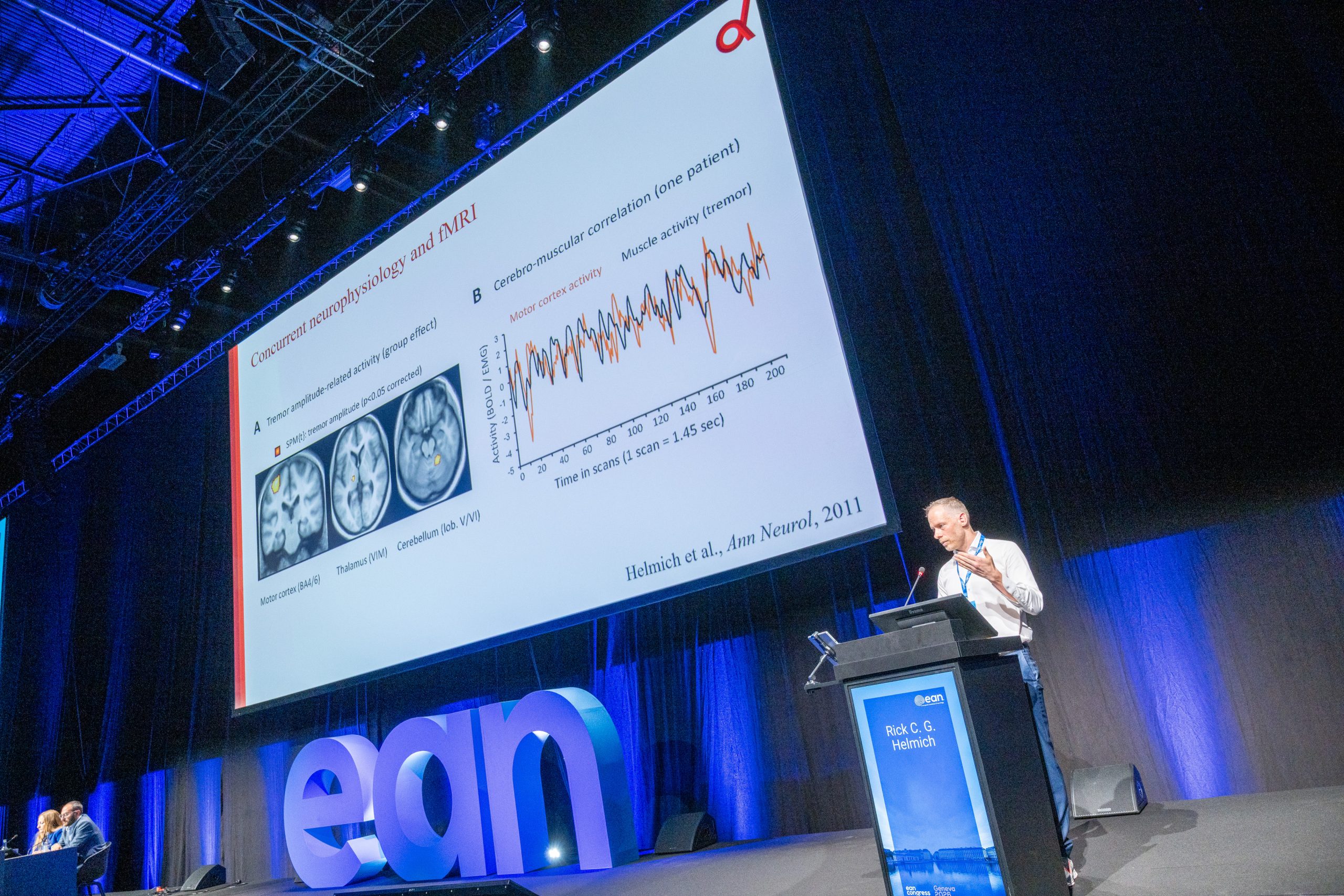
Another key message from Helmich’s lecture was the concept of an “anti-tremor network”—brain regions that may play a role in suppressing tremor rather than generating it. If confirmed in future studies, these findings could open entirely new therapeutic avenues, including targeted neuromodulation and behavioural interventions. Overall, Helmich demonstrated how advances in neurophysiology and neuroimaging are helping researchers move beyond describing tremor towards understanding the mechanisms that drive it.
Shifting the focus from laboratory to clinic, Maria Stamelou demonstrated how the current tremor classification can be applied in everyday neurological practice. Rather than presenting classification as an academic exercise, she showed how it provides a practical framework for approaching patients with tremor. As she put it, “Classification is not just taxonomy but a tool to improve care and guide research”.
Through a series of patient videos and memorable clinical cases, Stamelou highlighted the importance of careful history-taking, systematic examination and targeted investigations. She demonstrated how recognising subtle clinical signs can distinguish tremor from other movement disorders, identify functional tremor and uncover rare but treatable neurological conditions. A particularly valuable reminder was that tremor syndromes evolve over time, making regular follow-up just as important as the initial diagnosis.
Turning to treatment, Roberto Erro provided a balanced overview of current therapeutic options. While propranolol and primidone remain the standard pharmacological treatments for essential tremor, he pointed out that the evidence supporting many commonly used therapies remains surprisingly limited, and that many patients discontinue treatment because of insufficient benefit or adverse effects.
Erro also highlighted several promising developments in the treatment of tremor syndromes. Emerging therapies, together with advances in botulinum toxin, peripheral nerve stimulation and wearable technologies, reflect a growing move towards more personalised treatment strategies.
The final presentation by Antonella Macerollo focused on surgical management. Comparing deep brain stimulation with MRI-guided focused ultrasound, she discussed the strengths and limitations of both approaches while emphasising that successful outcomes depend on much more than selecting the right procedure. Careful patient selection, multidisciplinary collaboration and realistic expectations all remain essential for achieving the best possible results.
Although each lecture addressed a different aspect of tremor syndromes, they all pointed in the same direction. Better understanding of the biological mechanisms underlying tremor is already improving diagnostic accuracy and opening the door to more targeted, personalised therapies. By combining cutting-edge research with practical clinical guidance, the symposium offered an excellent overview of a field that continues to evolve at remarkable speed.