by Cecilie Nome
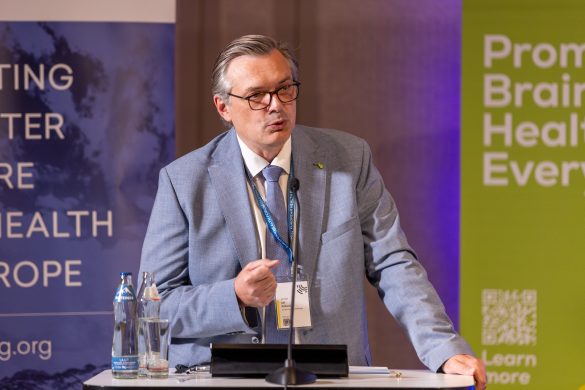
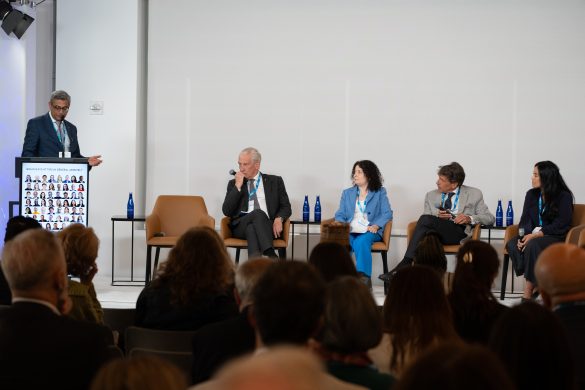
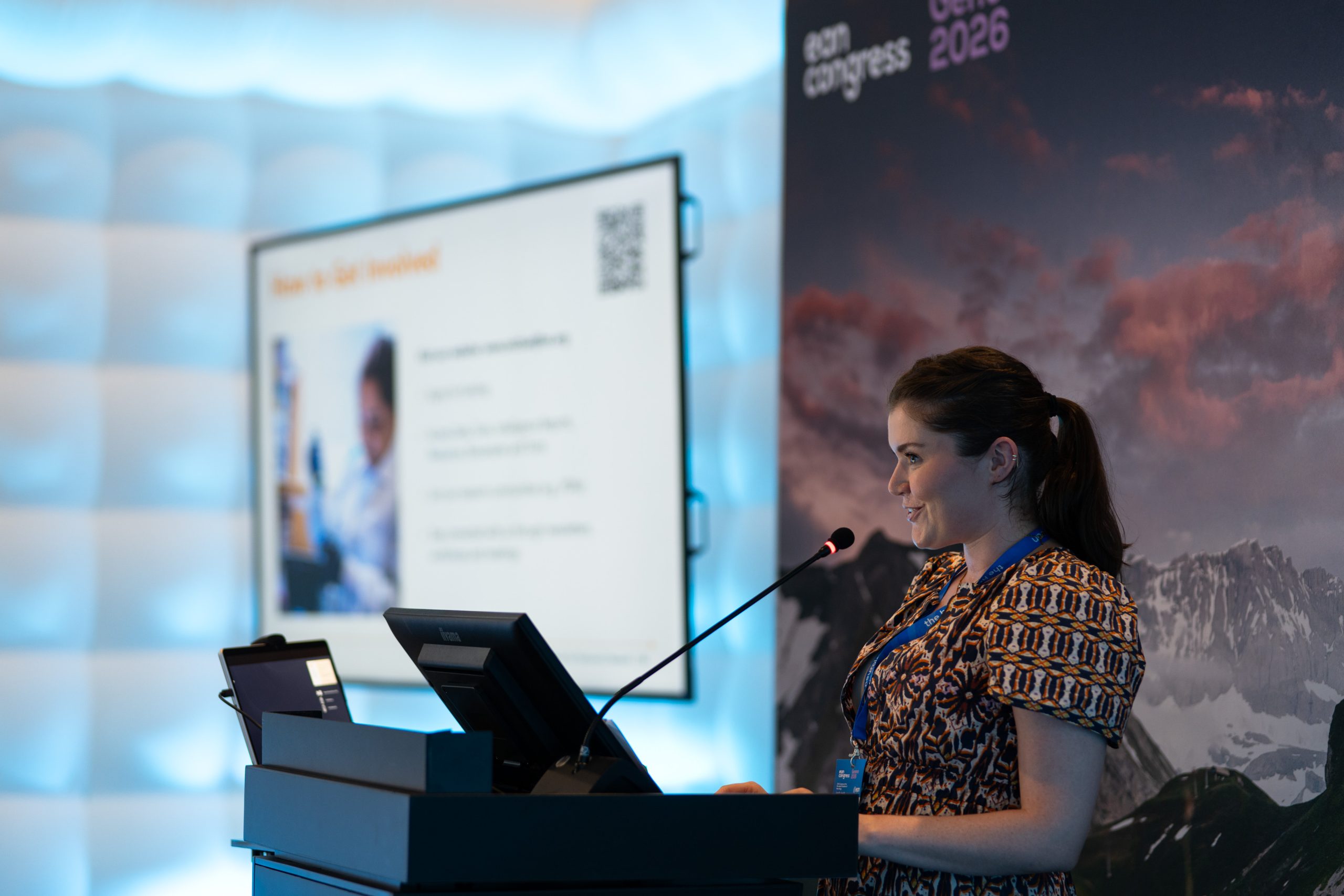
This session introduced The Michael J. Fox Foundation (MJFF), a US-based non-profit that has funded Parkinson’s disease (PD) research since 2000. The foundation supports research through grant funding, open-access data resources, patient engagement and collaborative research networks around the globe. The session outlined what is available and how neurologists, residents and researchers with an interest in Parkinson’s disease can make use of these resources.
Pamela Harrison and Olivia Devine delivered a comprehensive overview of this non-profit’s amazing activities, but one point was especially important to them: No matter what you do in researching Parkinson’s disease, the MJFF has something to offer to you.
Need someone to discuss your patients with? The foundation runs the Parkinson’s Disease Research Exchange, a free, open network for scientists working across academia, industry and clinical research with an interest in Parkinson’s disease. The group meets virtually every Wednesday, providing a regular forum for discussing current research, methodological challenges and findings across the field.
As a neurologist or researcher, you can apply for grants and access data, tools, intelligence reports and biosamples to support your research. The Therapeutics Pipeline Program is MJFF’s flagship grant programme, funding pre-clinical and clinical projects with a clear translational rationale and a pathway towards further development. Awards range from $250,000 for smaller projects to over $5 million for programmes at later stages, and applications are accepted on a rolling basis.
Several other grant programmes and initiatives for neurologists, companies and researchers were also presented. These include the GBA1-PD Research Catalyst Program, the Bridge Funding for Disrupted Neurodegenerative Research Grant Program and the Parkinson’s Disease Proteoforms Program. MJFF also co-funds the Aligning Science Across Parkinson’s (ASAP) initiative, a network of international research teams addressing basic science questions in PD.
For residents and neurologists early in their careers, the Edmond J. Safra Fellowship in Movement Disorders is worth noting. This is a two-year fellowship of $180,000 awarded to academic medical centres, which then recruit and train a movement disorder clinician-researcher. The programme runs annually and has recently expanded to 10 centres per year. The next application round is expected to open in August 2026. All MJFF initiatives and opportunities are available on their webpage.
Make sure to check out their website at https://www.michaeljfox.org/ to see how they could help your research project!