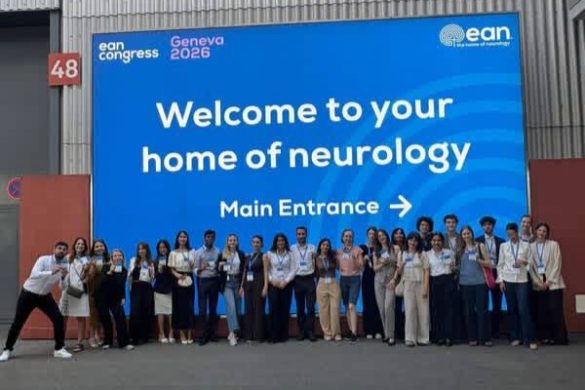
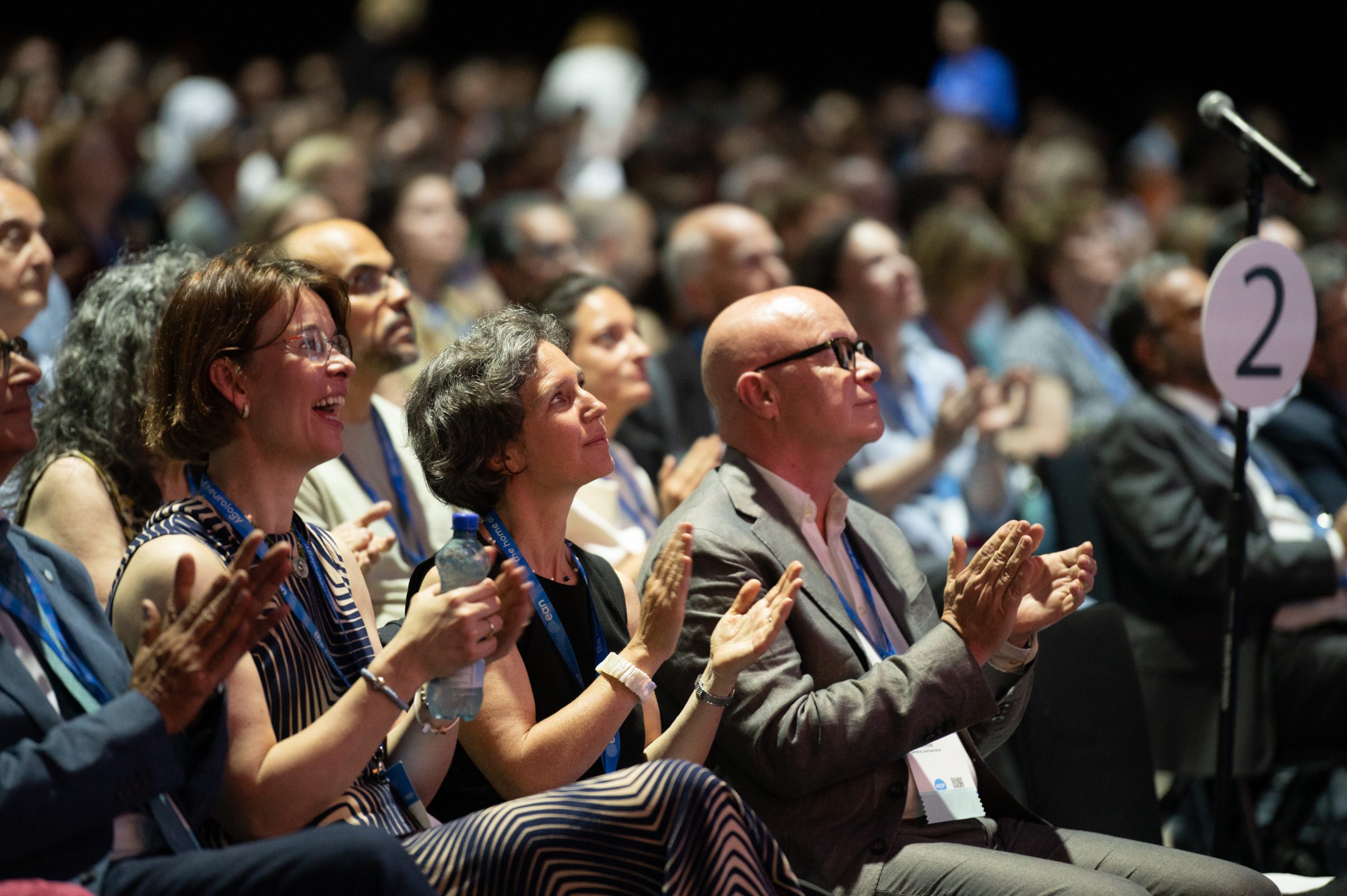
In Geneva, the 12th Congress of the European Academy of Neurology (EAN) opened with a clear message: the future of neurology will be shaped not by individual efforts alone, but by a community working together across borders, disciplines and generations.
Missed the EAN 2026 Opening Session?
You can watch a full recording on the EAN Vimeo channel – no registration necessary!
A Congress Built on Connection
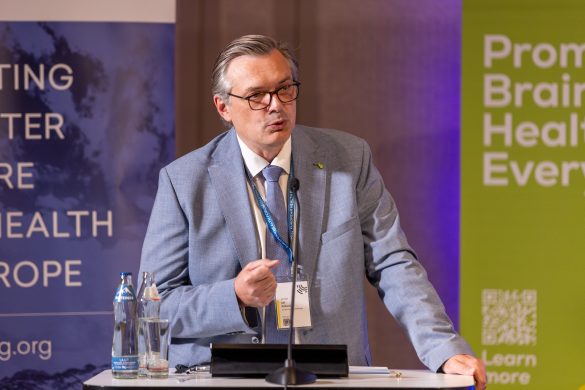
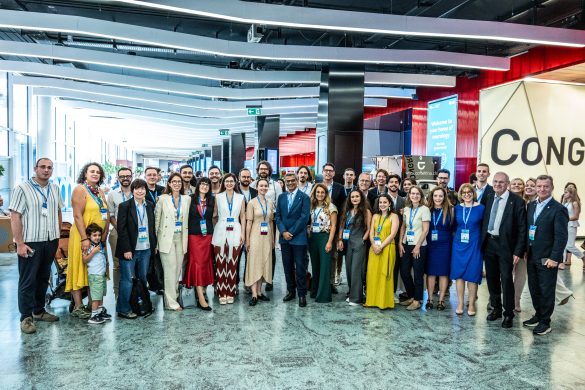
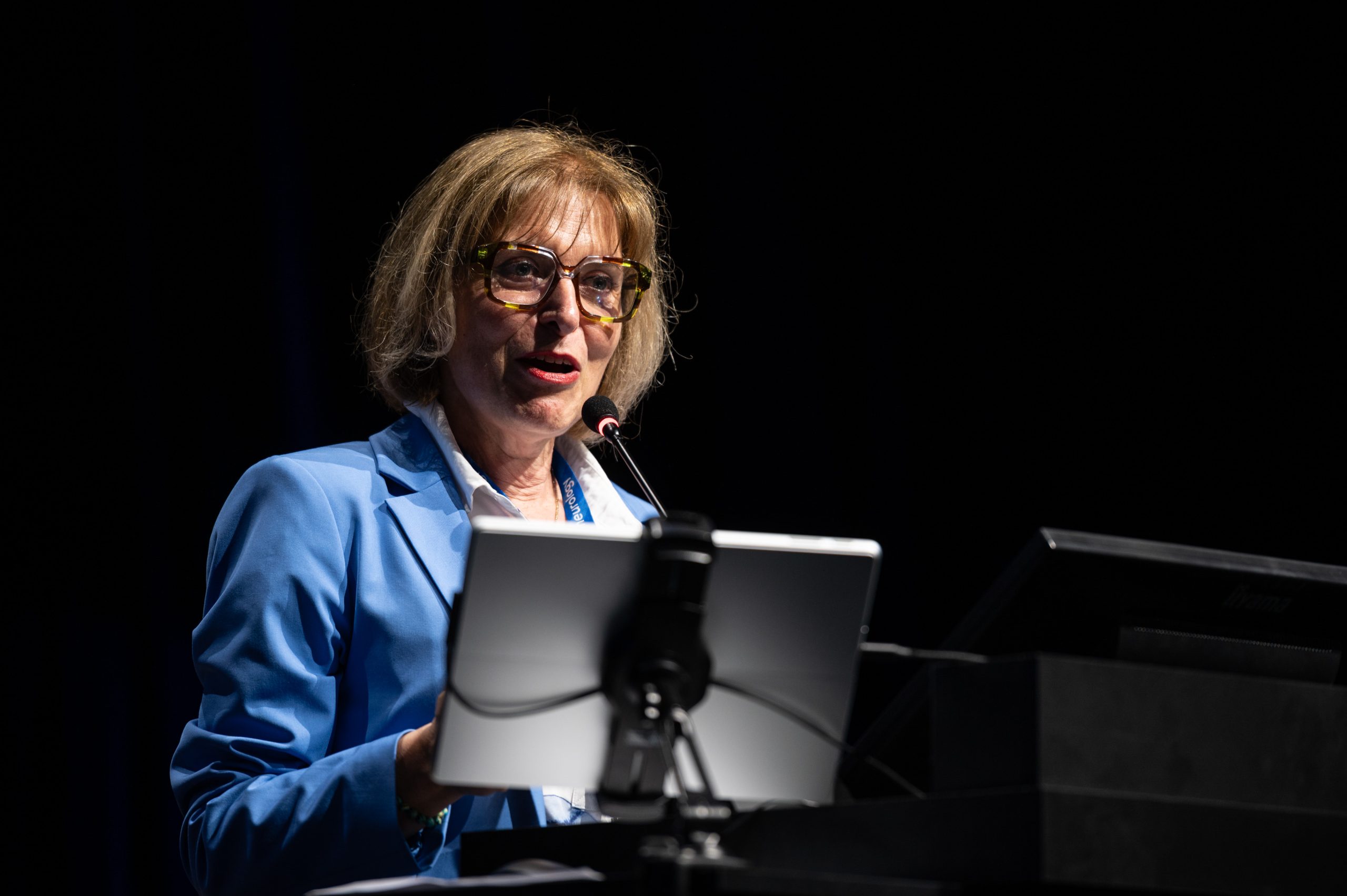
The EAN Congress 2026 officially opened in Geneva with a powerful sense of shared purpose. Welcoming participants to “my home, your home, the home of neurology,” EAN President Prof. Elena Moro set the tone for a gathering rooted in connection, collaboration and collective responsibility. Geneva, an international city known for dialogue and cooperation, offered a fitting setting for this message, as Prof. Moro reminded the audience, neurology knows no borders.
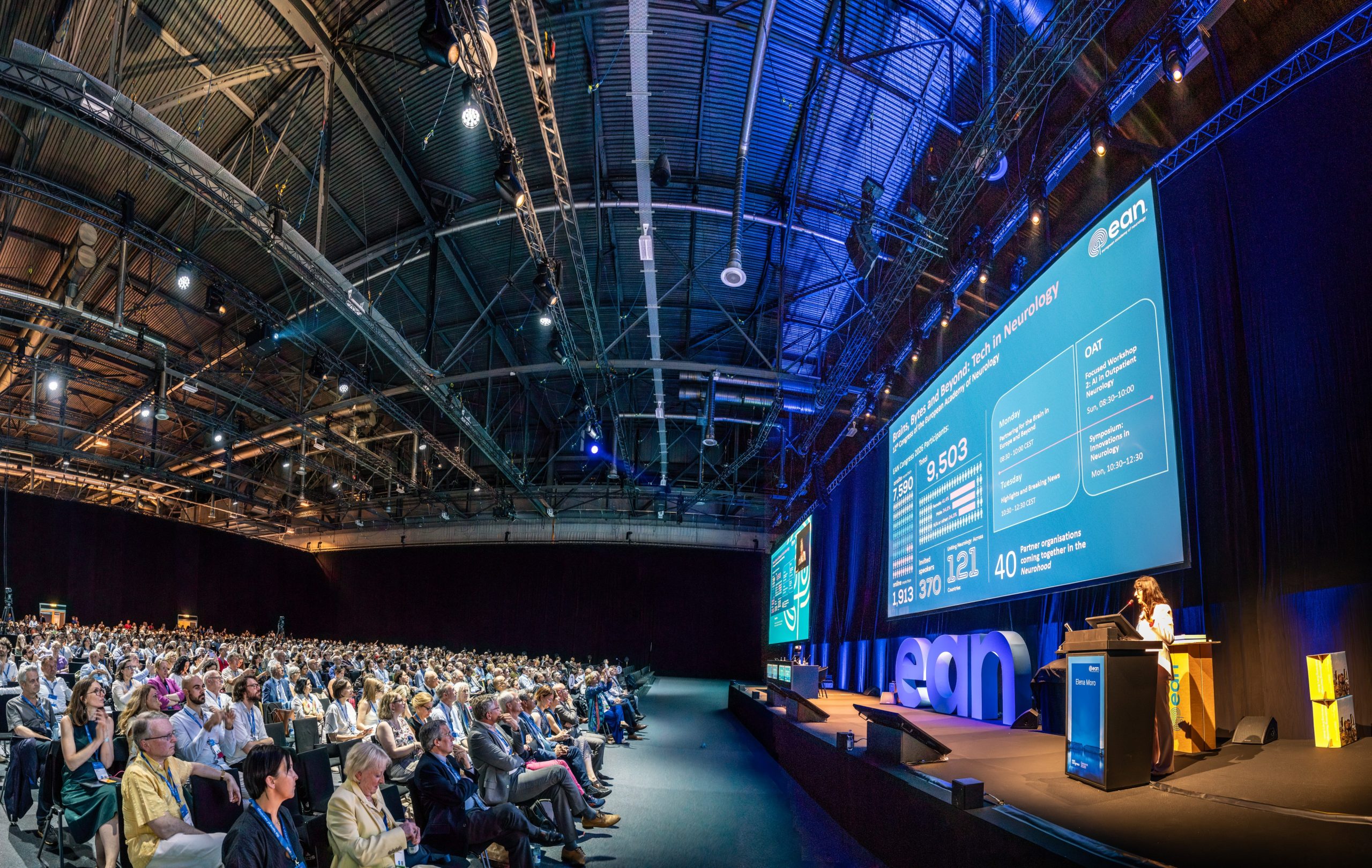
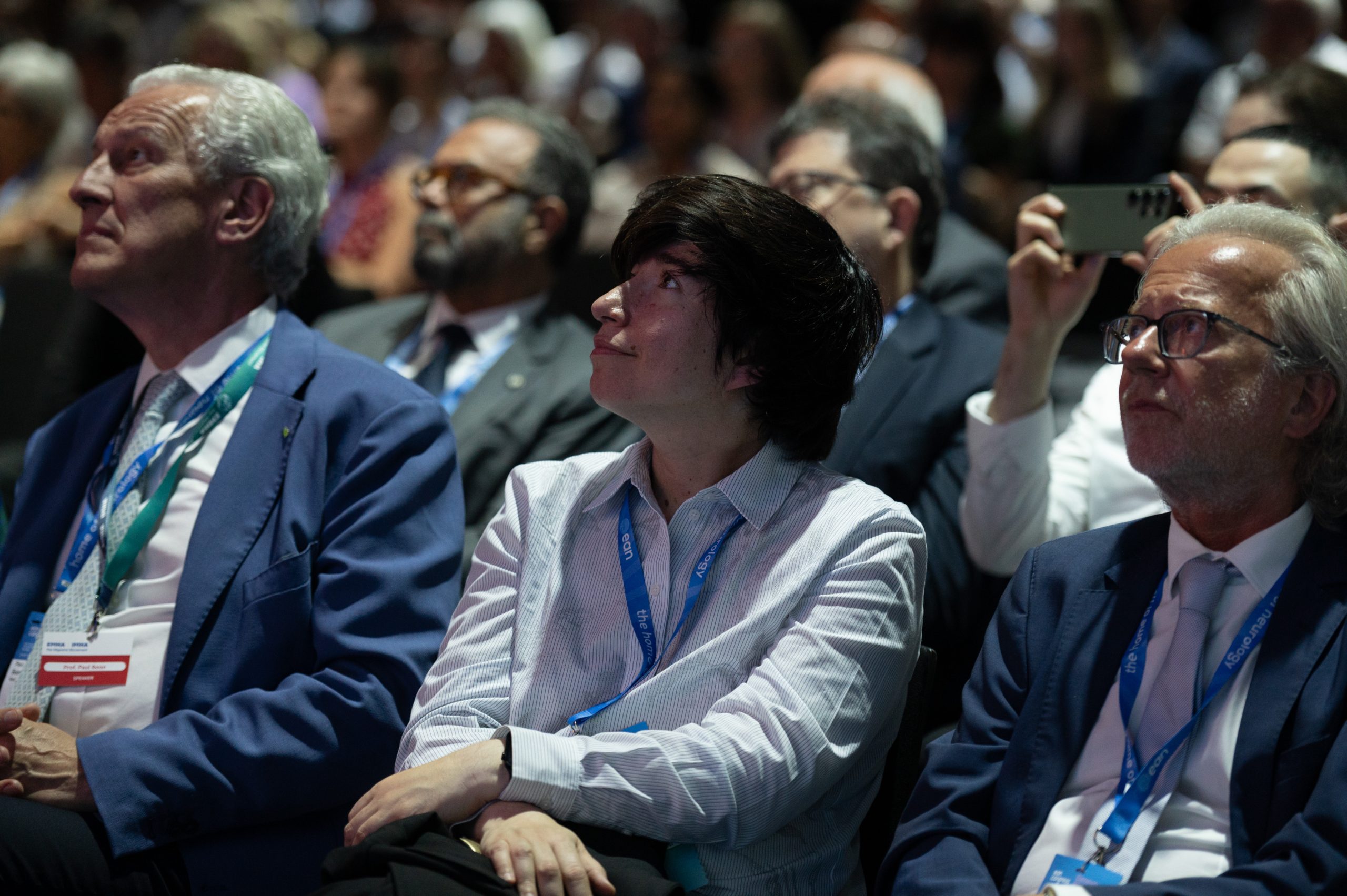
Each year, the EAN Congress brings together a vibrant community to learn, exchange ideas, strengthen professional ties and advance neurological care for patients across Europe and beyond. This year that community was out in force, with a record-breaking 7,590 participants registered to attend onsite and 1,913 more following online, making a total of 9,503 participants, representing 121 countries. More than 370 speakers contributed to the scientific programme, underlining the breadth, diversity and global relevance of the EAN community.
Technology as a Shared Opportunity
Under the overarching theme ‘Brain, Bytes, and Beyond: Technology in Neurology,’ the EAN Congress 2026 has placed innovation at the centre of its scientific programme, but the Opening Session made clear that technology is not an isolated topic. Its promise depends on how well the neurological community works together to understand, evaluate and apply it responsibly.
Sessions dedicated to artificial intelligence, digital innovation and new approaches in clinical neurology invite participants to look beyond national and disciplinary boundaries, encouraging neurologists, researchers, early-career professionals, partner organisations and patient communities to explore how emerging tools can support better care, stronger research and more equitable access.
A Declaration of Shared Priorities
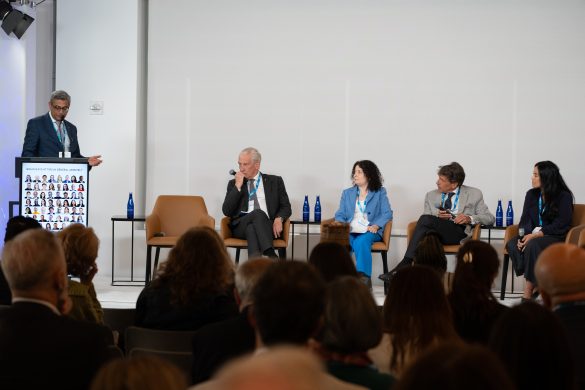
During her opening speech, Moro presented the EAN’s priorities for shaping the future of neurology across Europe, highlighting the Enhancing Neurology in Europe initiative and the associated Brussels Neurology Declaration, signed by president and delegates of national neurological societies. The EAN is advancing a common agenda focused on brain health for all, equal access to treatment and funding, improved prevention and care, a stronger neurological workforce, interventional neurology, research and innovation, and the responsible integration of new technologies and artificial intelligence.
These priorities are ambitious precisely because they cannot be achieved by one organisation, one country or one specialty alone. They depend on cooperation between national neurological societies, patient organisations, professional partners, policymakers, researchers and clinicians. The message was clear: progress in neurology requires everyone to be “in the same ship.”
Bringing Generations into the Same Conversation
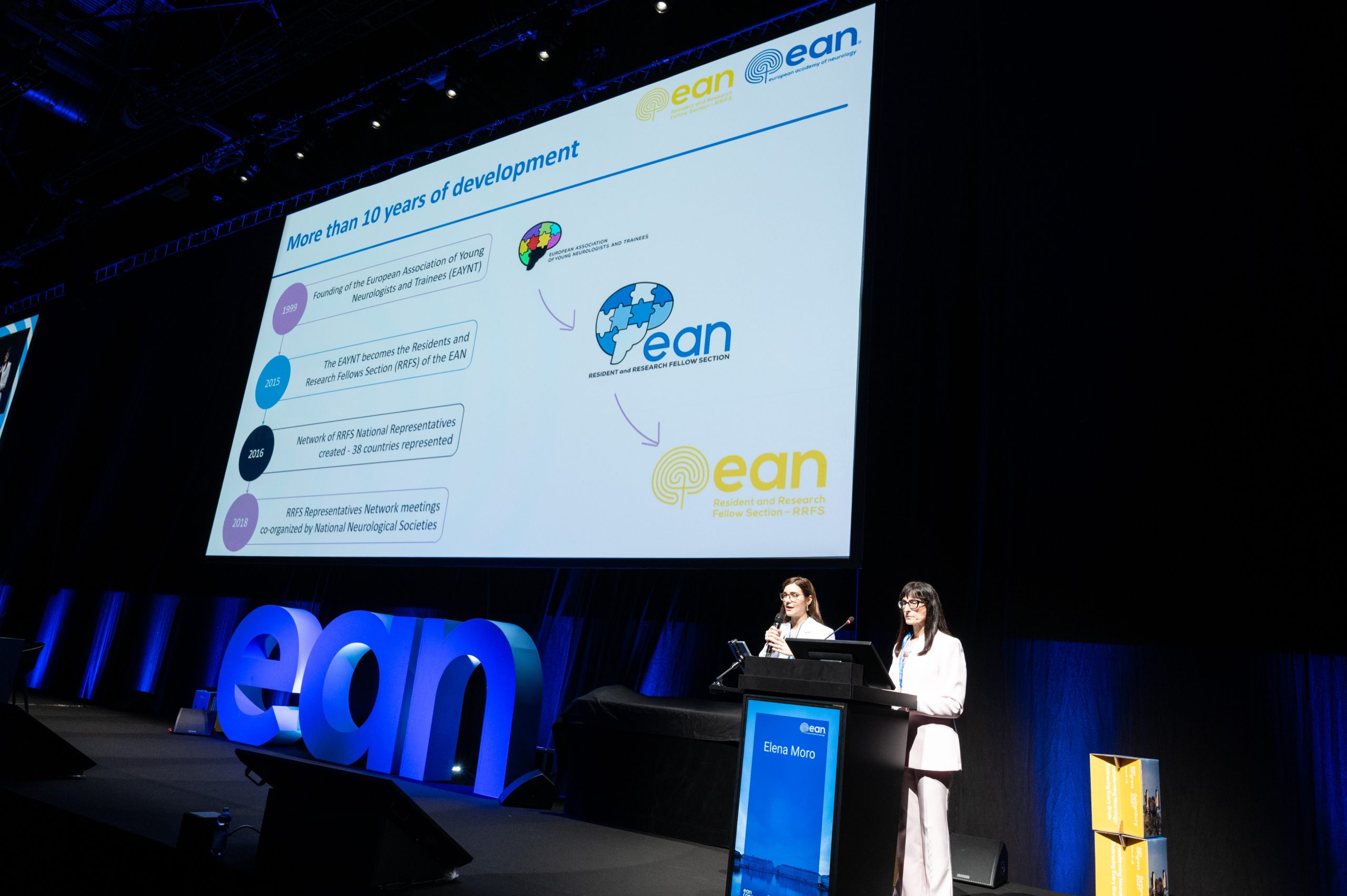
The Opening Session also highlighted how working across borders means working across generations. Alicia Gonzalez Martinez, representing the Residents and Research Fellows Section (RRFS), presented the growing role of early-career neurologists within the EAN. The RRFS, which includes representatives across panels, committees and national societies, has also had a voting voice on the EAN Board since last year’s congress, creating opportunities for younger voices to contribute actively to the development of neurology in Europe.
Brain Health as a Common Mission
Brain health was singled out as one of the strongest examples of collaboration beyond borders, with the EAN’s advocacy work now reaching from national settings to European and global policy platforms, including the European Parliament, the United Nations and collaborations with the World Health Organization to support implementation of the Intersectoral Global Action Plan.
Moro described how the Brain Health Mission has continued to expand as an inclusive platform designed to bring together neurologists, strategic partners, patient organisations and stakeholders beyond neurology. Its aim is simple but far-reaching: to make brain health a priority for all. From school-based brain health activities to Public Brain Health Day in Geneva, EAN is working to bring prevention, awareness and education into local communities. The message is that brain health begins before disease, and everyone has a role to play.
Knowledge Sharing Across the EAN Community
The president presented education, research and communication as essential bridges connecting the EAN community. Initiatives such as the eanCampus, the Academic Path programme and the Certificate in Clinical Research in Neurology provide tools for neurologists at different career stages and from different countries to learn, grow and contribute.
The Scientific and Coordinating Panels, the Guideline Production Group, and the European Journal of Neurology were all given as examples that reflect the strength of pooled expertise. The increase in the journal’s impact factor and the ongoing development of guidelines demonstrate how shared scientific effort can translate into practical resources for clinicians and researchers.
Communication was also recognised as a key connector. Through eanNews, webinars, the website, social media and interviews with national societies and patient organisations, the EAN continues to make its community more visible, more informed and more closely linked throughout the year.
A Hopeful Keynote Message
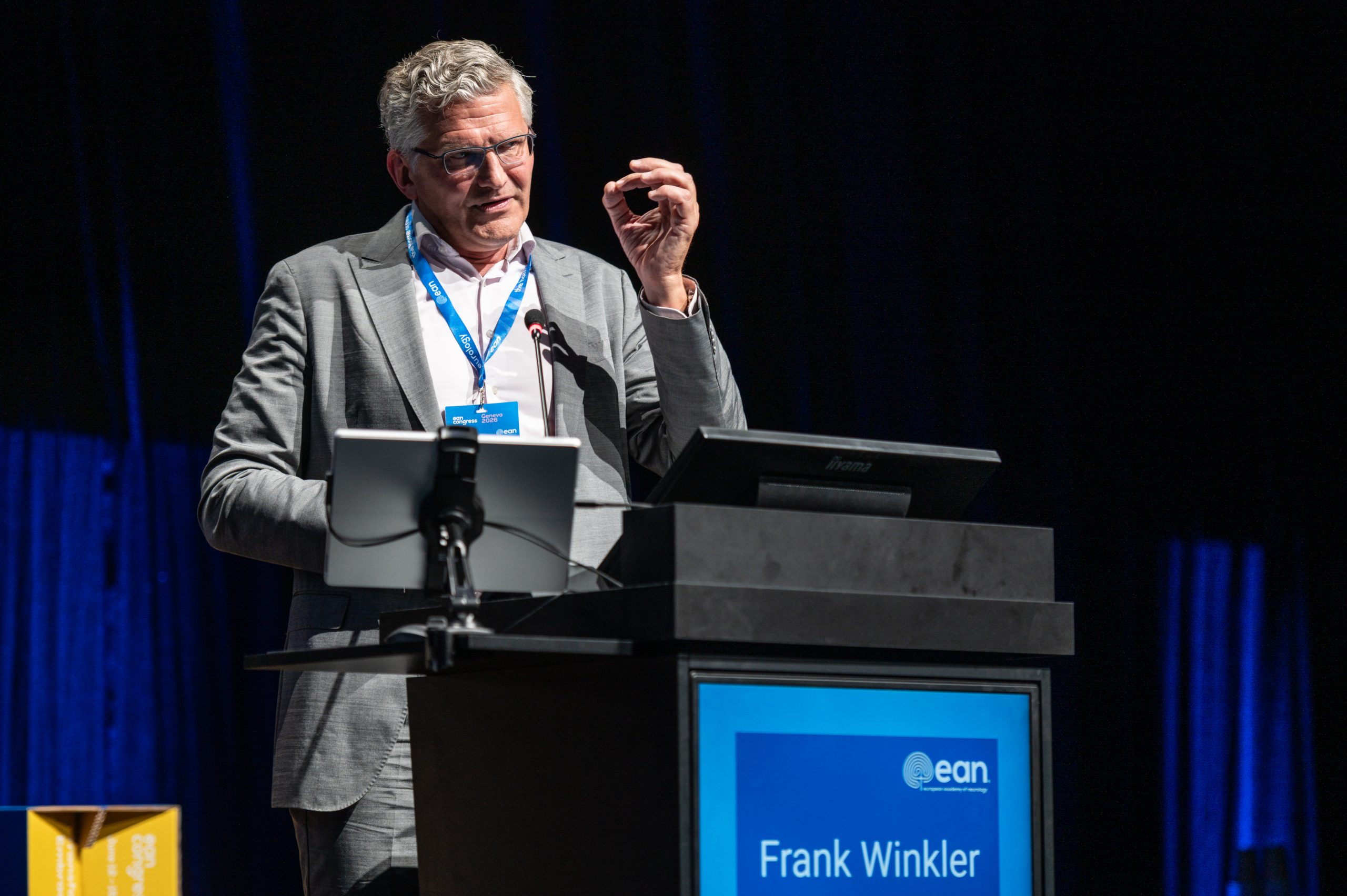
EAN Programme Committee Chair, Irena Rektorová introduced The Brain Prize Lecture by Prof. Frank Winkler, which offered a striking example of how scientific progress often emerges at the intersection of fields. His presentation on cancer neuroscience showed how looking across traditional boundaries between neurology, oncology, neuroscience and immunology can open new ways of understanding disease and developing future therapies.
Winkler demonstrated how tumour spread and treatment resistance are now understood through synaptic signalling and brain-wide network dynamics — not just local mass effects, changing how researchers design trials and where they look for therapeutic targets.
Clinicians are struggling with how to give honest, poor-prognosis information while preserving hope, but the consensus is moving toward formalised frameworks rather than individual clinical style. Winkler singled out multi-year collaborations, European institutional support, and a strong early-career pipeline as the credible basis for optimism about future progress.
Recognising Excellence, Celebrating Community
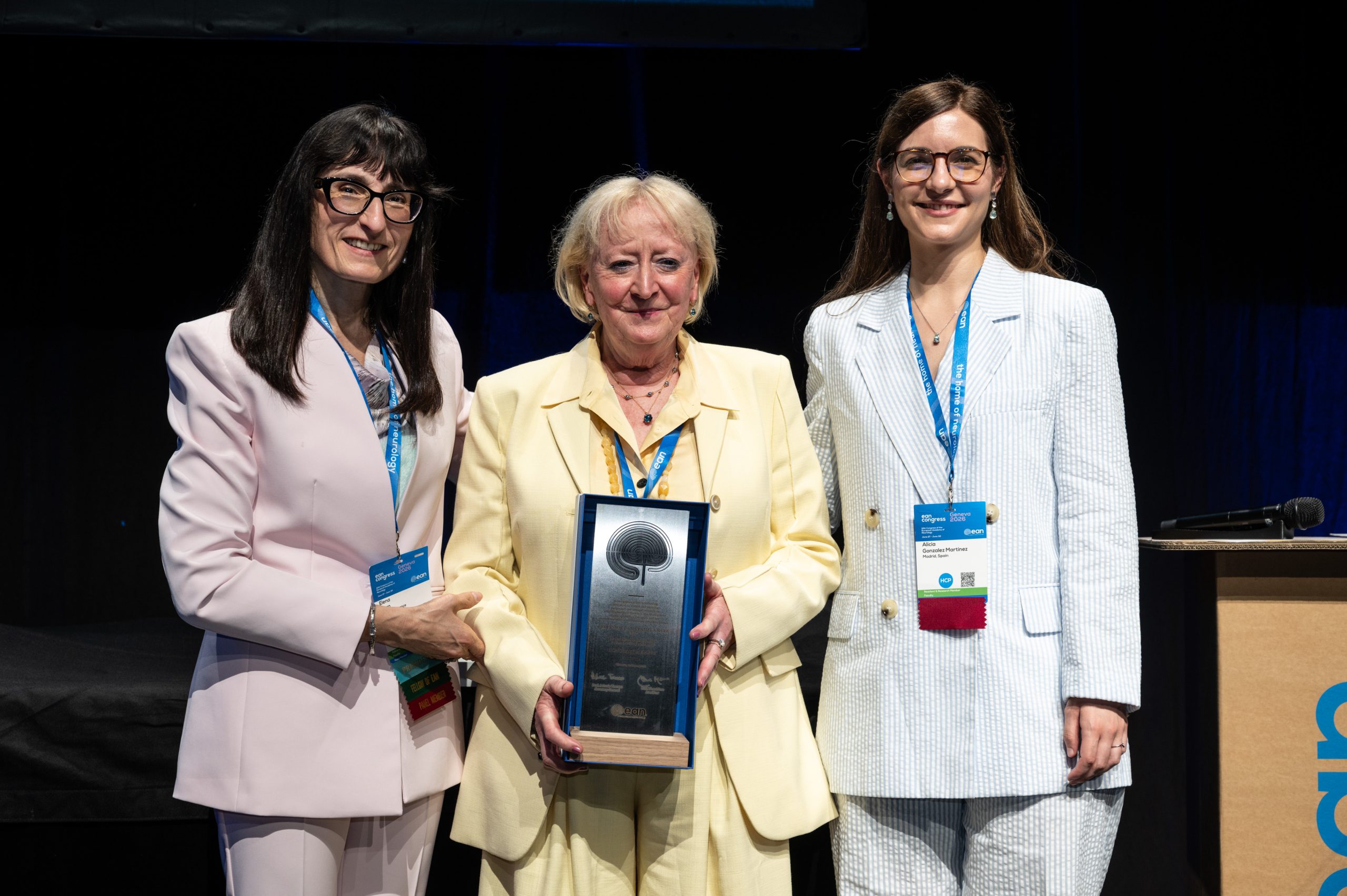
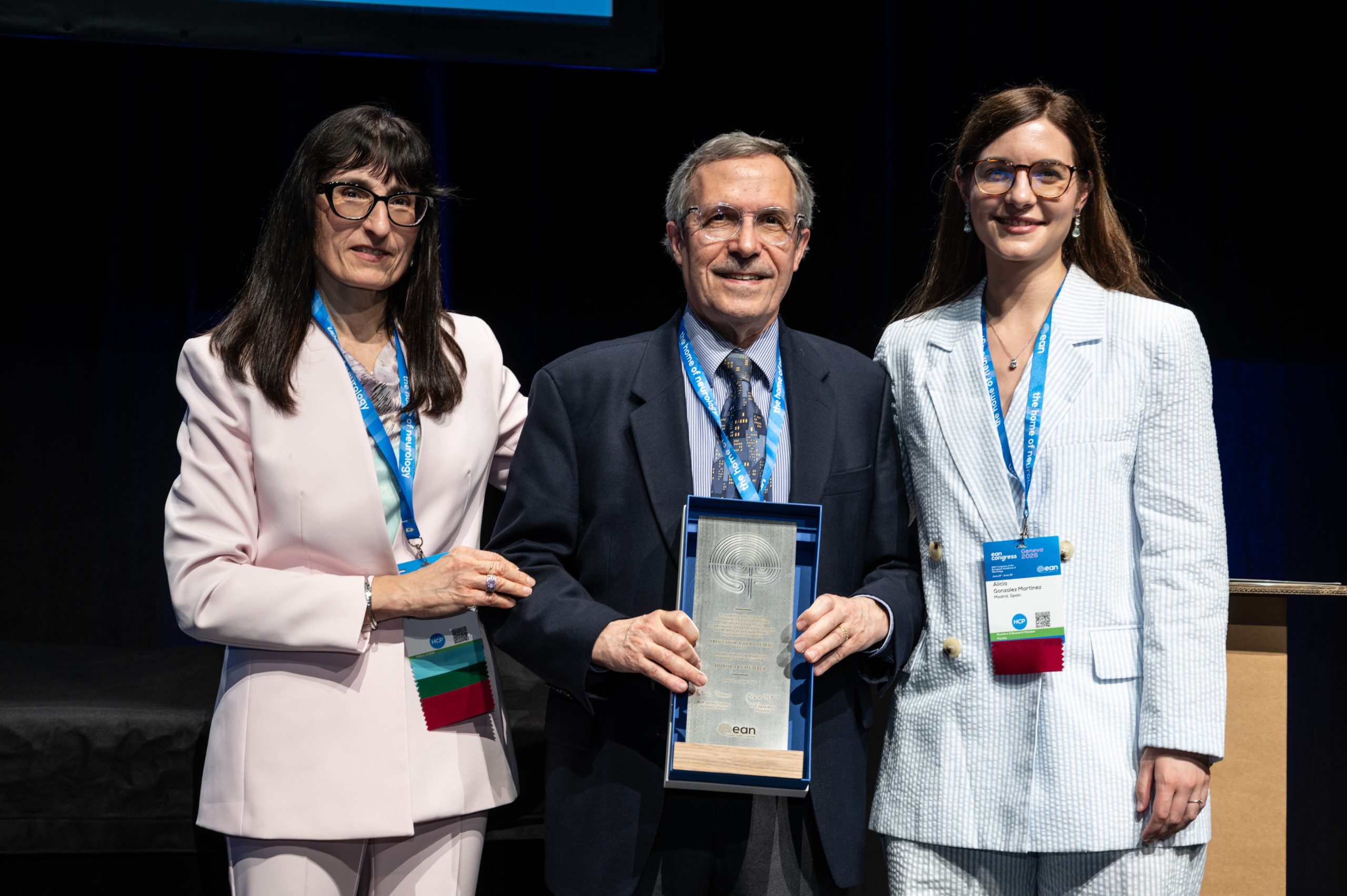
Outstanding contributions to neurology by distinguished members of the community were acknowledged with the presentation of Honorary Membership to Prof. Josep Dalmau and Prof. Pamela Shaw. These recognitions celebrated scientific excellence and long-standing dedication to the neurological community.
A Shared Future for Neurology
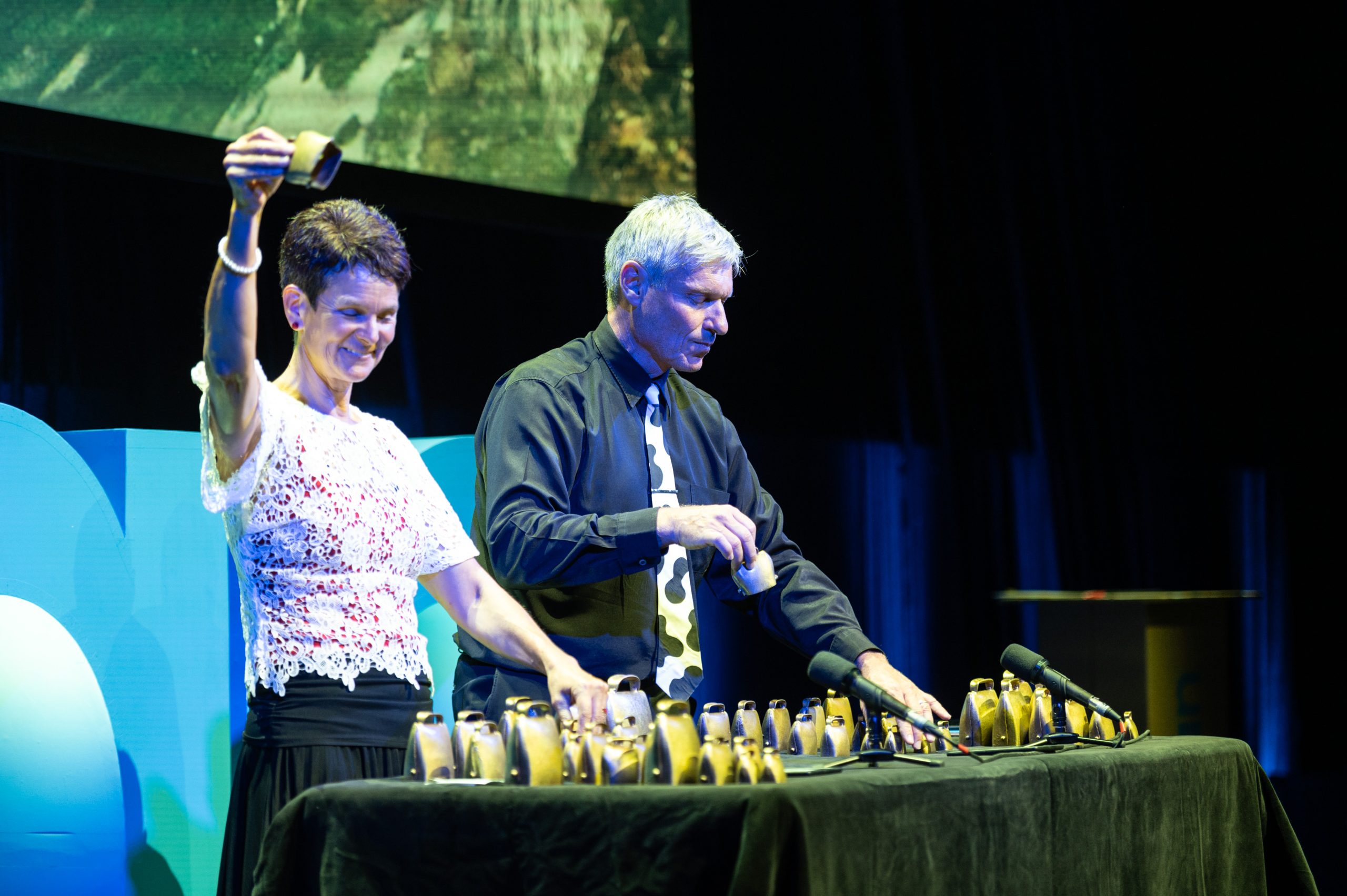
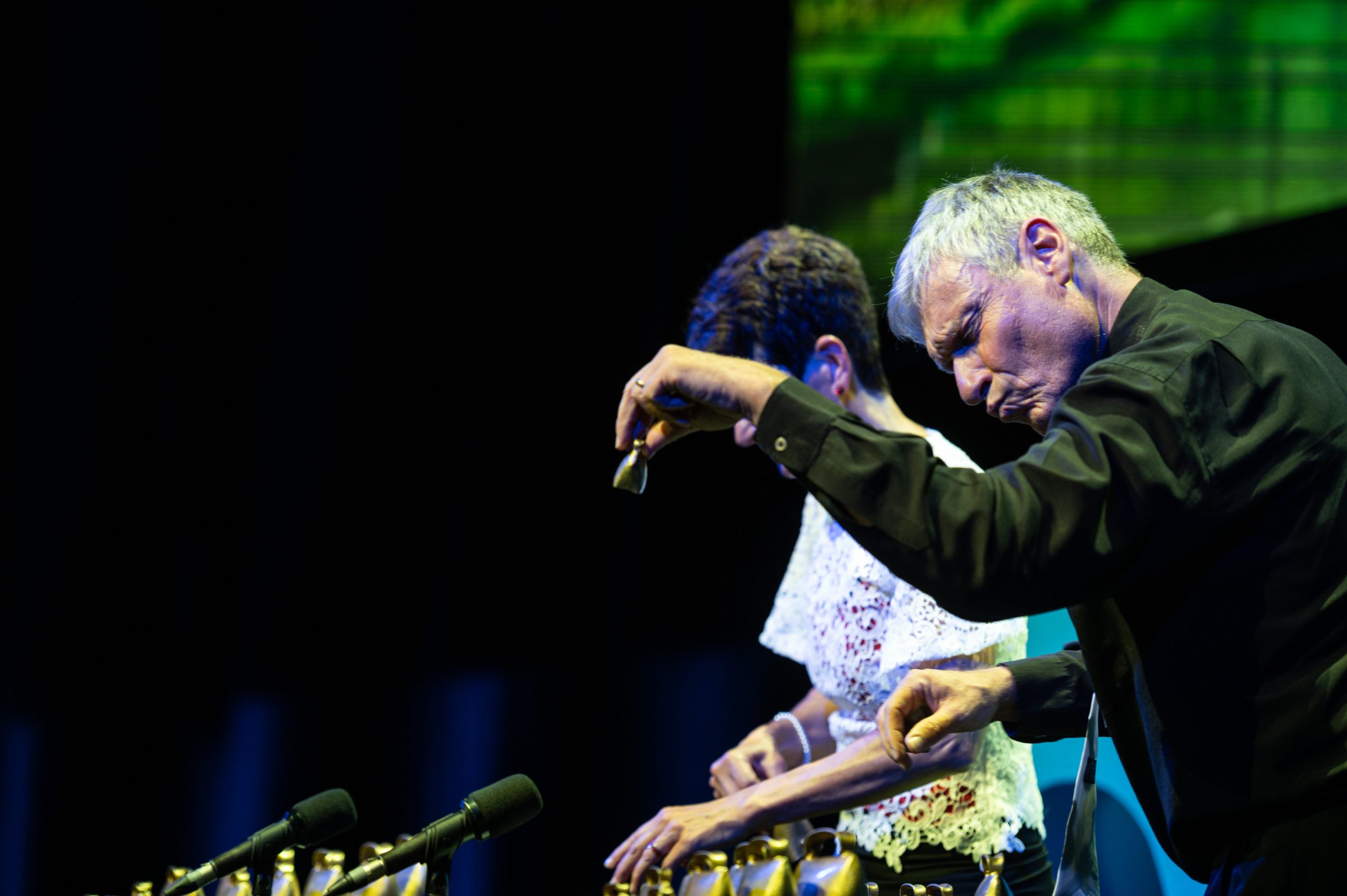
The session closed with thanks to the Swiss Neurological Society, the local organising committee, the EAN Board, committees, and the executive team, all of whom contribute to making the congress possible. A closing Swiss musical performance added a memorable cultural note, reinforcing the sense of place, community and shared experience.
As EAN 2026 unfolds in Geneva, the Opening Session has established a strong guiding theme: neurology advances when people work together across borders. Across countries, disciplines, generations and communities, the EAN continues to building a shared home for neurology – one committed to better science, better care and better brain health for all.