The EAN Congress 2026 Presidential Symposium in Geneva offered a compelling snapshot of modern neurology in motion – a field increasingly defined by its ability to turn scientific discovery into tangible benefits for patients.
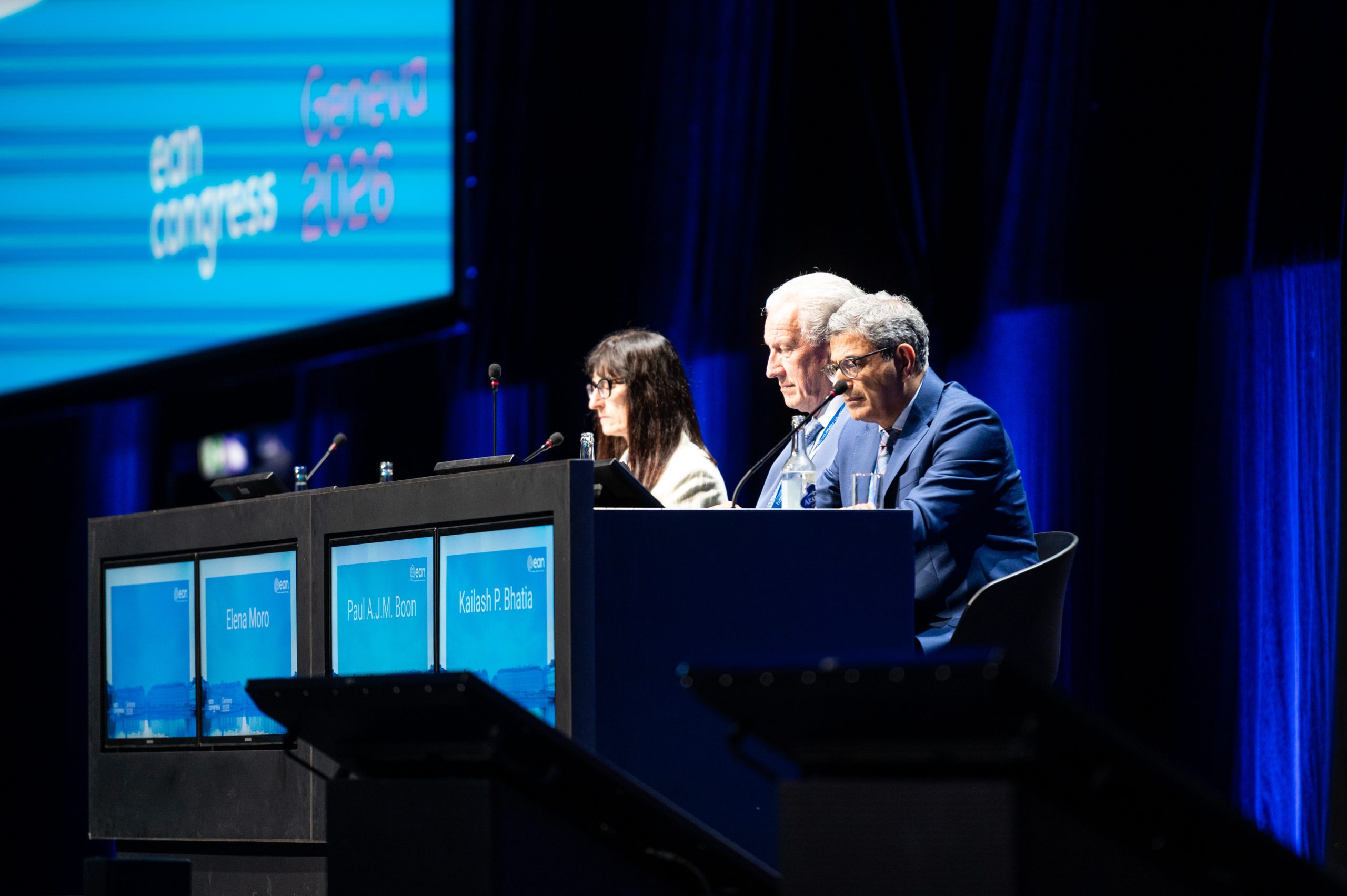
Bringing together leading experts across neurogenetics, movement disorders, neuromodulation and neuro-oncology, the session highlighted how advances in understanding disease mechanisms are reshaping diagnosis, treatment and long-term outcomes. Across all lectures, a shared message emerged: the future of neurology lies in translating insight into meaningful clinical change.
Anita Harding Award Lecture: from gene discovery to targeted therapies
Opening the session, Prof. Manju Kurian delivered the Anita Harding Award Lecture, highlighting the transformative potential of neurogenetics in childhood movement disorders. Reflecting on the legacy of Anita Harding, one of the pioneers of clinical and molecular neurology, Prof. Kurian emphasised the importance of patient-centred research that moves from bedside to bench and back again.
Her work focuses on rare paediatric neurological diseases, which, despite their individual rarity, collectively affect millions worldwide and remain largely without disease-modifying treatments. At the core of her approach is a translational pathway: identifying causative genes, understanding disease mechanisms, and developing targeted therapies.
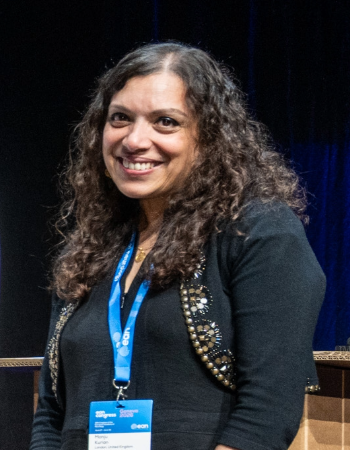
Through striking clinical examples, she demonstrated how gene discovery can directly influence patient care. In conditions such as KMT2B-related dystonia, genetic diagnosis has enabled more precise therapeutic strategies, including deep brain stimulation, leading to significant functional improvements.
Even more compelling were developments in gene therapy for disorders such as dopamine transporter deficiency and aromatic amino acid decarboxylase deficiency. These advances illustrate how insights into molecular mechanisms are no longer purely academic, but are increasingly enabling life-changing interventions – offering hope of meaningful functional improvement in these severe diseases.
Moritz Romberg Lecture: learning from patients to reshape Parkinson’s disease
In the Moritz Romberg Award Lecture, Prof. Daniela Berg provided a deeply reflective perspective on the role of clinical observation in advancing neurological knowledge. Framing her talk around fascination, persistence, and the importance of listening, she underscored that patients remain at the heart of discovery.
Her work on transcranial ultrasound as a biomarker for Parkinson’s disease exemplifies this approach. The identification of substantia nigra hyperechogenicity has contributed to earlier and more accurate diagnosis, while long-term cohort studies have helped establish its role in identifying individuals at risk of developing Parkinson’s disease.
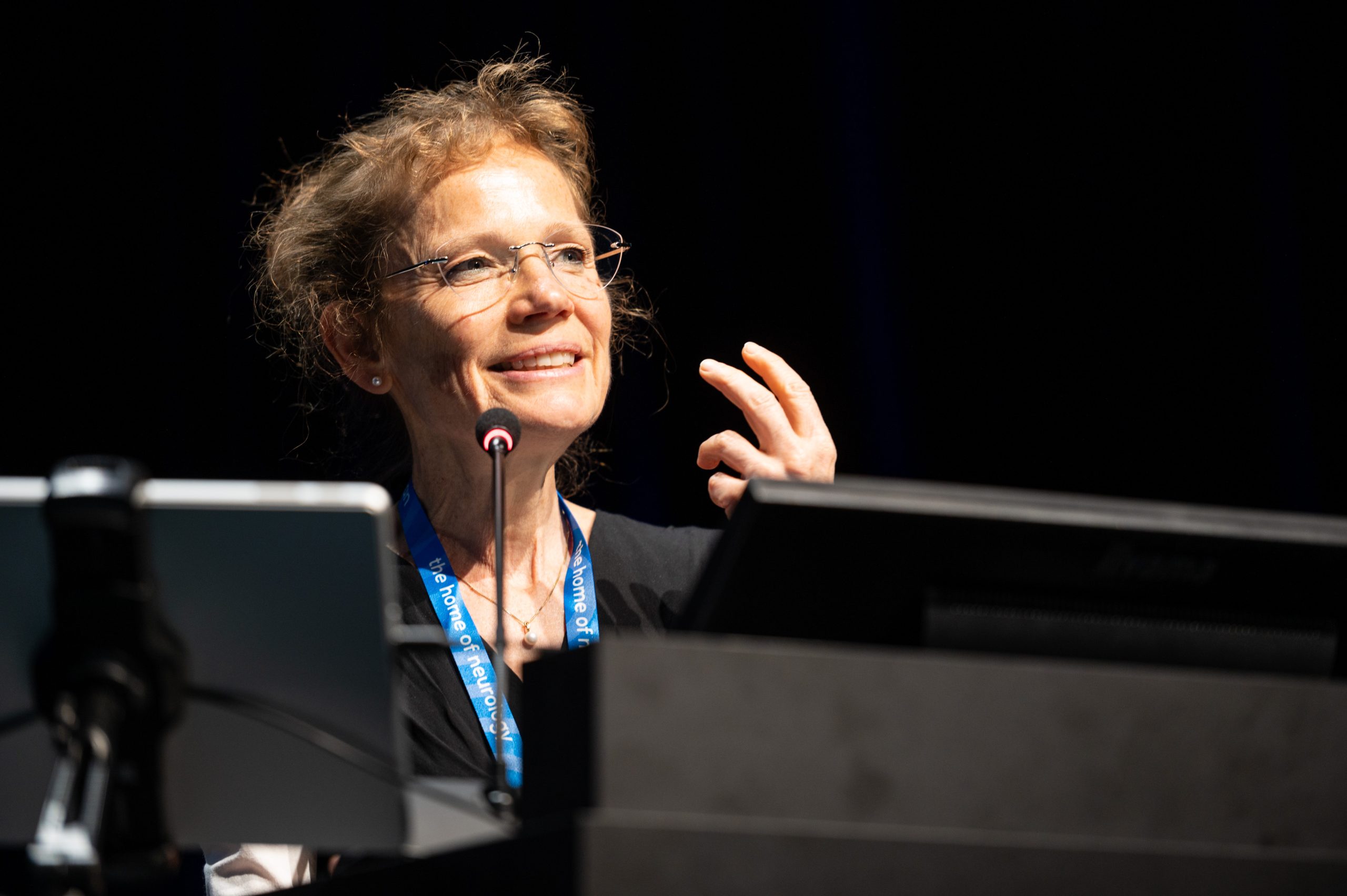
Beyond diagnostics, Prof. Berg highlighted how research into prodromal stages is reshaping the understanding of neurodegeneration, shifting focus from treatment to prevention. This evolving perspective is closely linked to brain health initiatives, which aim to reduce risk through lifestyle interventions and public health strategies.
Importantly, she demonstrated that clinical insights often arise from unexpected observations, including symptoms not traditionally considered central to neurological disease. These insights continue to refine understanding of the brain and its complex networks, reinforcing the reciprocal relationship between research and patient care.
Charles-Édouard Brown-Séquard Award Lecture: rethinking neuromodulation through networks
Prof. John Rothwell’s Brown-Séquard Award Lecture explored the rapidly evolving field of non-invasive neuromodulation. Reviewing techniques such as transcranial magnetic stimulation and transcranial electrical stimulation, he highlighted both their growing clinical relevance and the challenges that remain.
While there is strong evidence for the efficacy of neuromodulation in conditions such as depression, its broader application in neurology is still developing. A key issue, he argued, is the need for a more sophisticated understanding of how these interventions affect brain function.
Rather than simply increasing or decreasing activity in targeted brain regions, neuromodulation appears to influence complex neural networks, with effects that extend beyond the initial site of stimulation. This network-based perspective suggests that therapeutic effects may arise from facilitating adaptive plasticity, rather than directly driving neurogenesis at the target region.

Looking ahead, Prof. Rothwell pointed to emerging concepts such as digital twin models of the brain, which could allow simulation and personalisation of treatment strategies. These developments underscore the importance of a holistic approach to fully realise the potential of neuromodulation.
Camillo Golgi Award Lecture: precision medicine in neuro-oncology
Closing the symposium, Prof. Riccardo Sofietti delivered the Camillo Golgi Award Lecture, charting over four decades of progress in the understanding and treatment of low-grade gliomas. His lecture illustrated how advances in molecular biology have fundamentally transformed neuro-oncology.
Historically, glioma management relied heavily on histological classification and broad therapeutic approaches such as surgery and radiotherapy. Today, molecular profiling – including IDH mutations and 1p/19q codeletion – provides a far more precise framework for diagnosis and prognosis, enabling tailored treatment strategies.
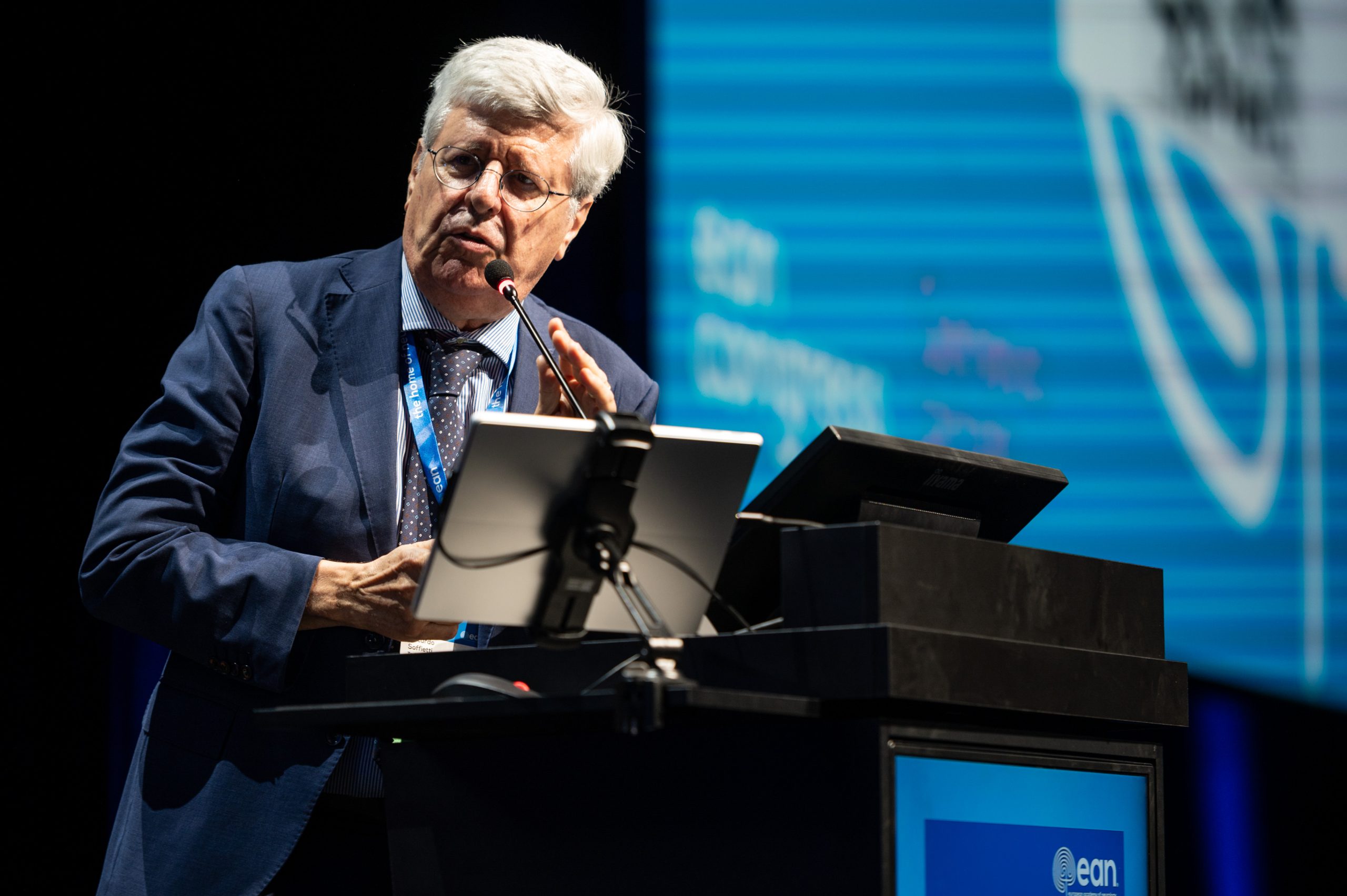
Prof. Sofietti highlighted the clinical implications of these advances, particularly the shift towards treatments that balance efficacy with long-term quality of life. For example, strategies to delay radiotherapy aim to avoid cognitive side effects, especially in younger patients with good prognosis.
A major breakthrough has been the development of targeted therapies, such as IDH inhibitors, which represent a new era of precision medicine in glioma care. At the same time, he emphasised the importance of integrating clinical endpoints beyond survival, such as seizure control, which are very important to patients and their families.
Despite these advances, significant challenges remain, including treatment resistance, tumour heterogeneity, and the need for improved biomarkers and monitoring tools. Addressing these challenges will require continued collaboration across disciplines and the integration of emerging technologies such as artificial intelligence.
A shared vision for the future of neurology
Taken together, the lectures of the EAN 2026 Presidential Symposium highlighted the breadth and depth of progress across the field. From rare genetic disorders to common neurodegenerative diseases, from network-based neuromodulation to precision oncology, each contribution demonstrated how advances in fundamental neuroscience are being translated into clinical practice.
The symposium underscored that modern neurology is no longer defined solely by diagnosis and management, but increasingly by its capacity to deliver personalised, mechanism-based interventions. At its core lies a unifying principle: that progress depends on connecting careful observation, scientific discovery and patient-centred care.
As neurology continues to evolve, the challenge – and opportunity – will be to sustain this momentum, ensuring that new insights are consistently transformed into better outcomes for patients.