by Agne Straukiene
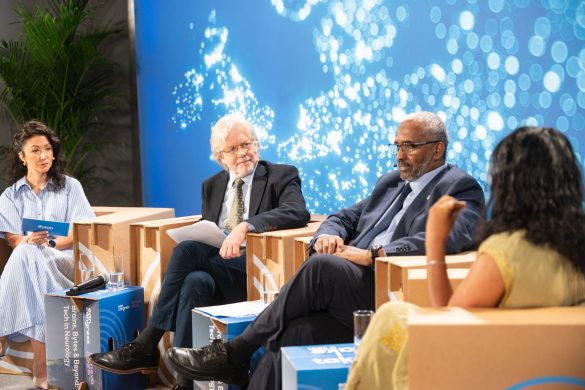
A lively and engaging EAN TV session traced how our understanding of neurological symptoms has evolved, from early attempts to map cognition onto cortical “pockets” to today’s astonishingly detailed digital brain twins. The panel brought together historians of neurology, imaging pioneers, and computational neuroscientists, creating a rare conversation that blended past, present, and future in a way that felt both accessible and genuinely exciting.
The speakers revisited the origins of localisation, from ancient ideas about cortical complexity to Broca’s dramatic bedside demonstration that speech could be disrupted by pressure on a specific frontal region. They highlighted how the field has repeatedly swung between corticocentric and connectionist perspectives, driven largely by technological breakthroughs from tractography to resting‑state fMRI. The discussion of disconnection syndromes and diaschisis was particularly insightful, emphasising how symptoms often arise from network dysfunction rather than isolated lesions.
The session then leapt into the modern era, showcasing personalised digital brain twins capable of simulating information flow, cognitive processes, and even the effects of deep brain stimulation. This part of the session was remarkable: complex computational neuroscience was explained with clarity, and the potential clinical impact especially for epilepsy surgery and Parkinson’s disease was made tangible. The ethical reflections were equally compelling, reminding us that as models become more powerful, questions of privacy, responsibility, and acceptable intervention grow more urgent.
In summary, this session offered a rich, coherent narrative of how neurology has moved from cortical maps to dynamic networks and now to computationally simulated brains. It was both a historical journey and a glimpse of the future of personalised neurology.
Watch the session below, or on our Vimeo channel, here: From Broca to digital twins – a historical perspective on understanding neurological symptoms