by Simone Salemme
This Special Session at the EAN Congress 2026 brought together global, European, and national perspectives on one of the most urgent questions in neurology today: how can we move from recognising the burden of neurological disorders to acting on it more effectively? The tone was ambitious but practical. Rather than treating brain health as a slogan, the speakers and panellists explored what it means in real health systems, across disciplines, sectors, and countries.
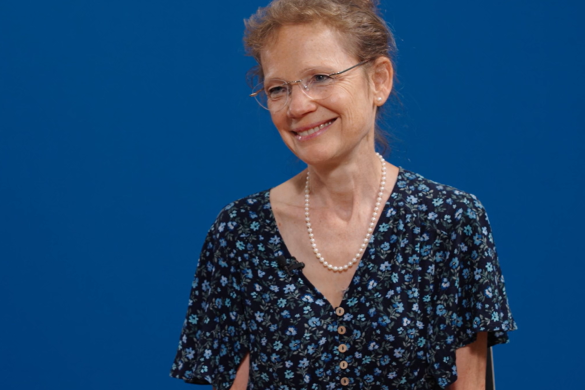
Opening the session, EAN President Elena Moro set the scene clearly. Brain health, she stressed, is now an urgent priority, and addressing it requires neurologists to work together with other professionals, policymakers, patient organisations, and public health actors. She also reminded the audience that diseases do not stop at national borders. If neurological disorders are shared challenges, then international collaboration must become part of the response.
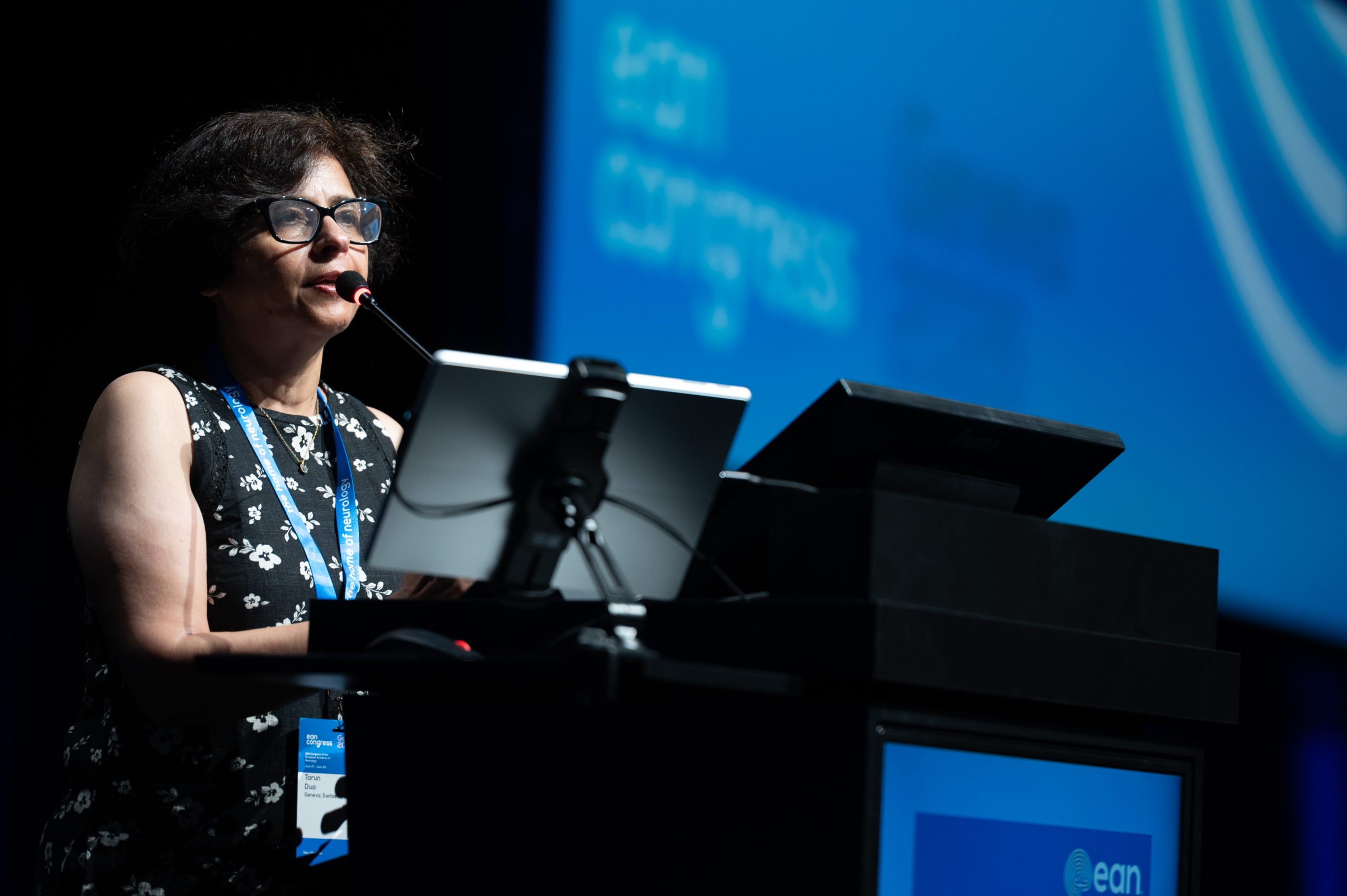
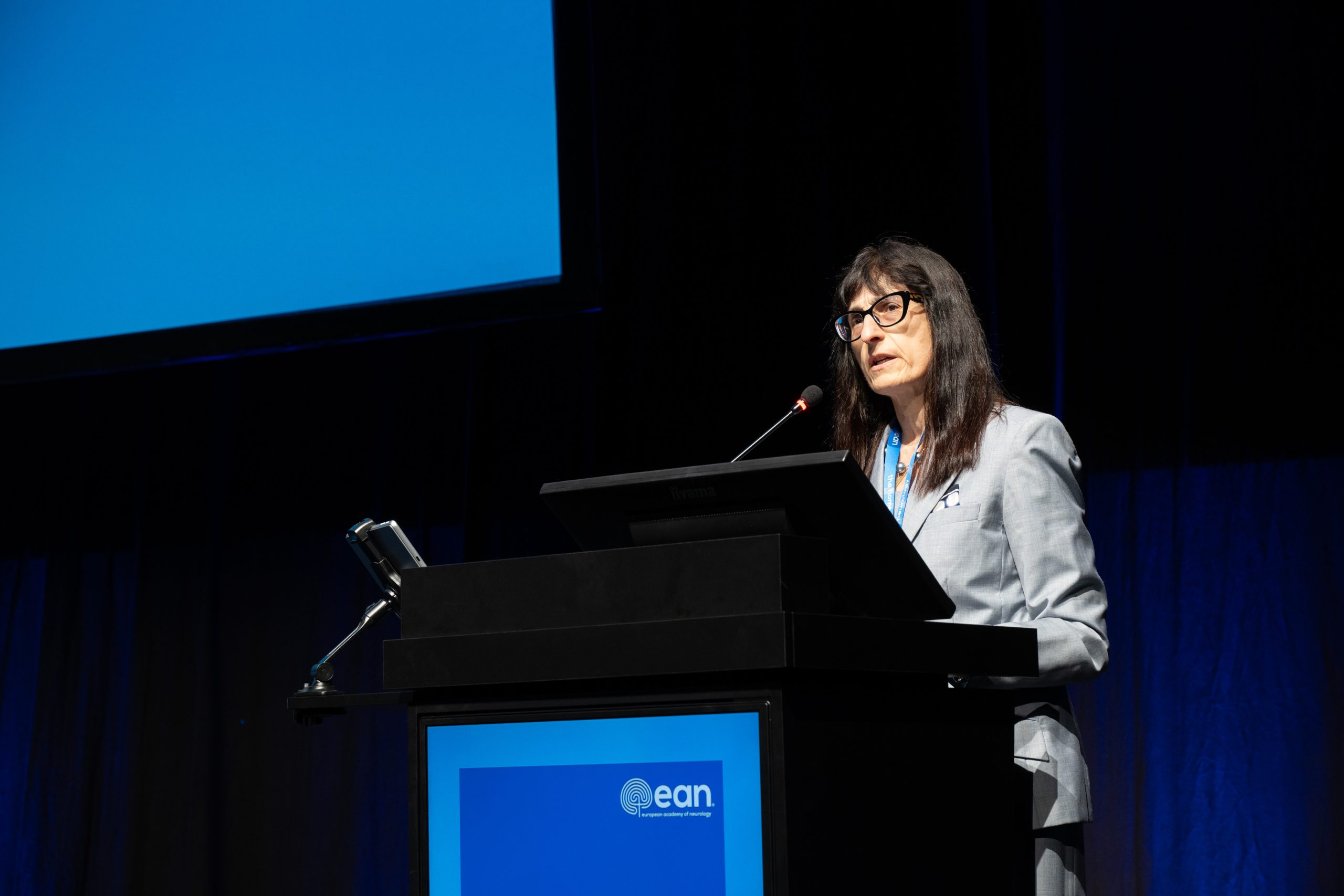
Tarun Dua, head of the Neurological, Sensory and Oral Conditions Unit at the World Health Organization, speaking on ‘Global Brain Health: IGAP and Beyond’, offered a particularly useful framework for understanding why brain health matters. She explained that the concept gives the neurological community a common language, promotes a life-course perspective, supports integration within universal health coverage and the Sustainable Development Goals, and keeps equity and inclusion at the centre. This was one of the strongest messages of the session: brain health is not only about disease management, but also about the conditions that allow people to develop, maintain, and recover brain function throughout life.
Dua also highlighted the major determinants of brain health, including access to quality services, physical health, healthy environments, safety and security, learning, and social connection. The implementation gap remains striking. Only around 20% of countries have functioning programmes for brain health promotion and prevention. The session also highlighted local experiences in implementing the Intersectoral Global Action Plan on Epilepsy and Other Neurological Disorders in Kazakhstan and Moldova.
The first panel, moderated by EAN Past President Paul Boon, focused on reducing the burden of neurological disorders in Europe through prevention. Andrea Fiorillo, President of the European Psychiatric Association, called for brain and mental health communities to stop working in silos. He also recalled recent joint experiences, including the European Brain Health Summit in Brussels in March 2026, as examples of how collaboration can be strengthened.
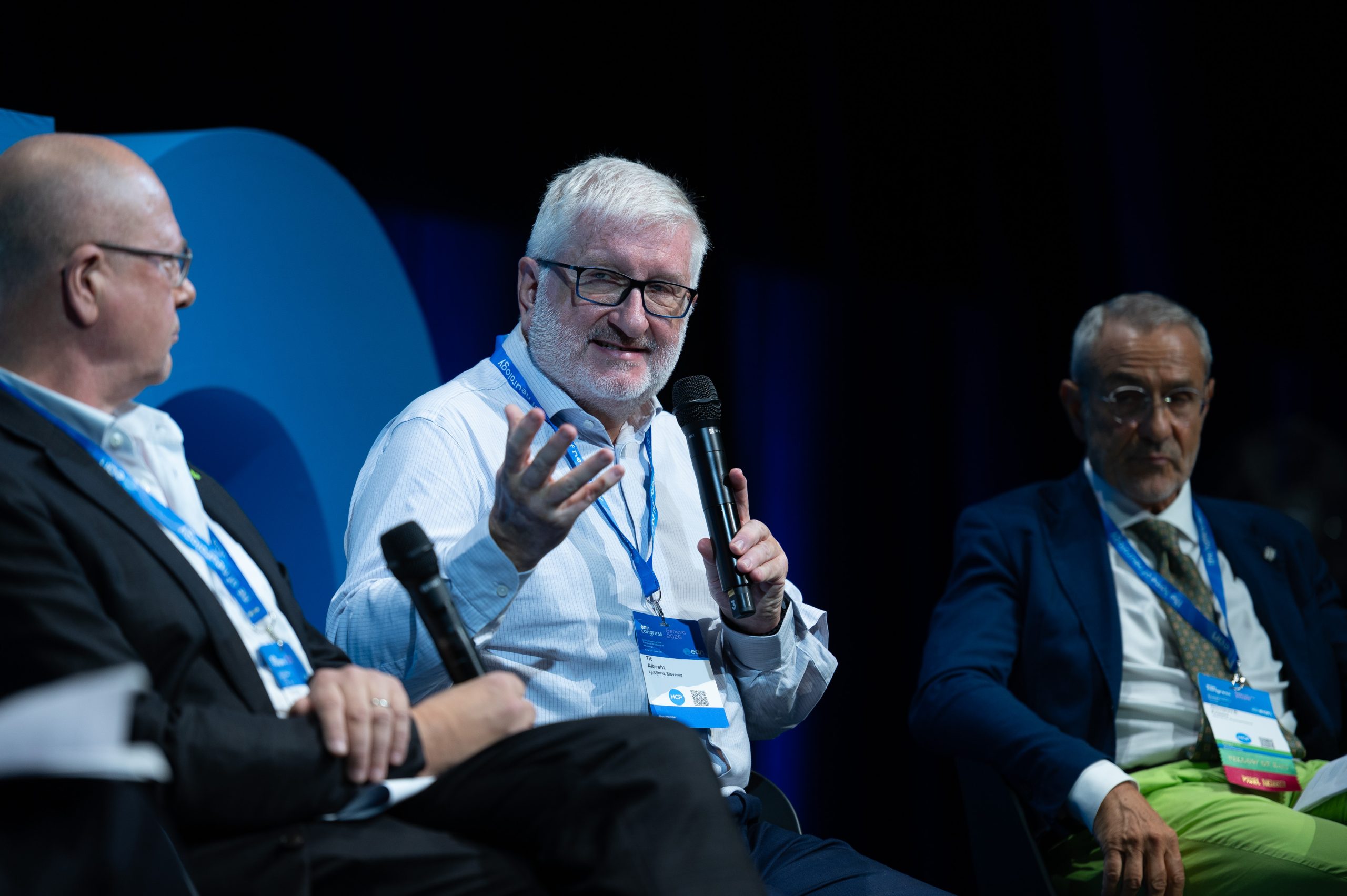
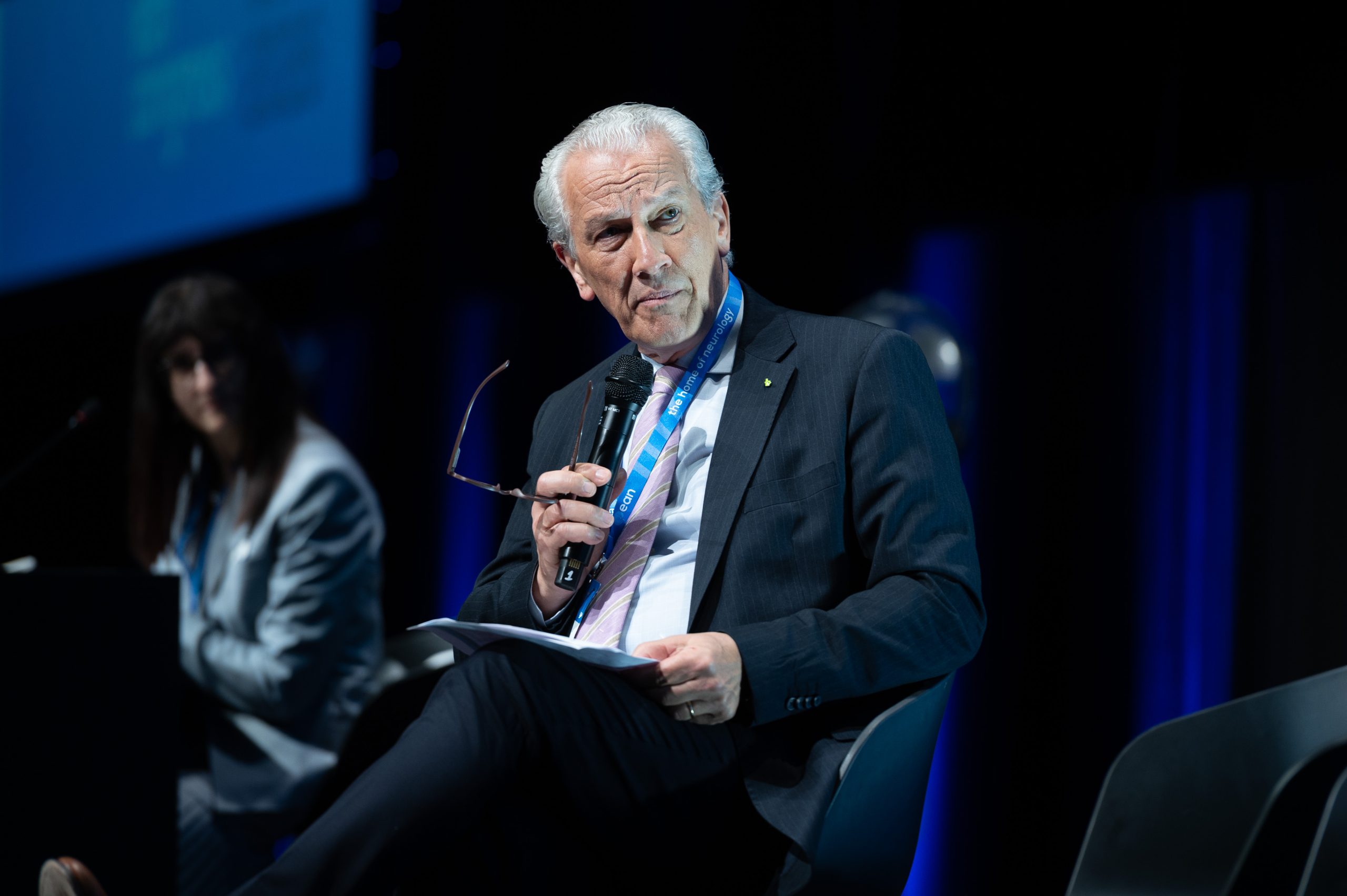
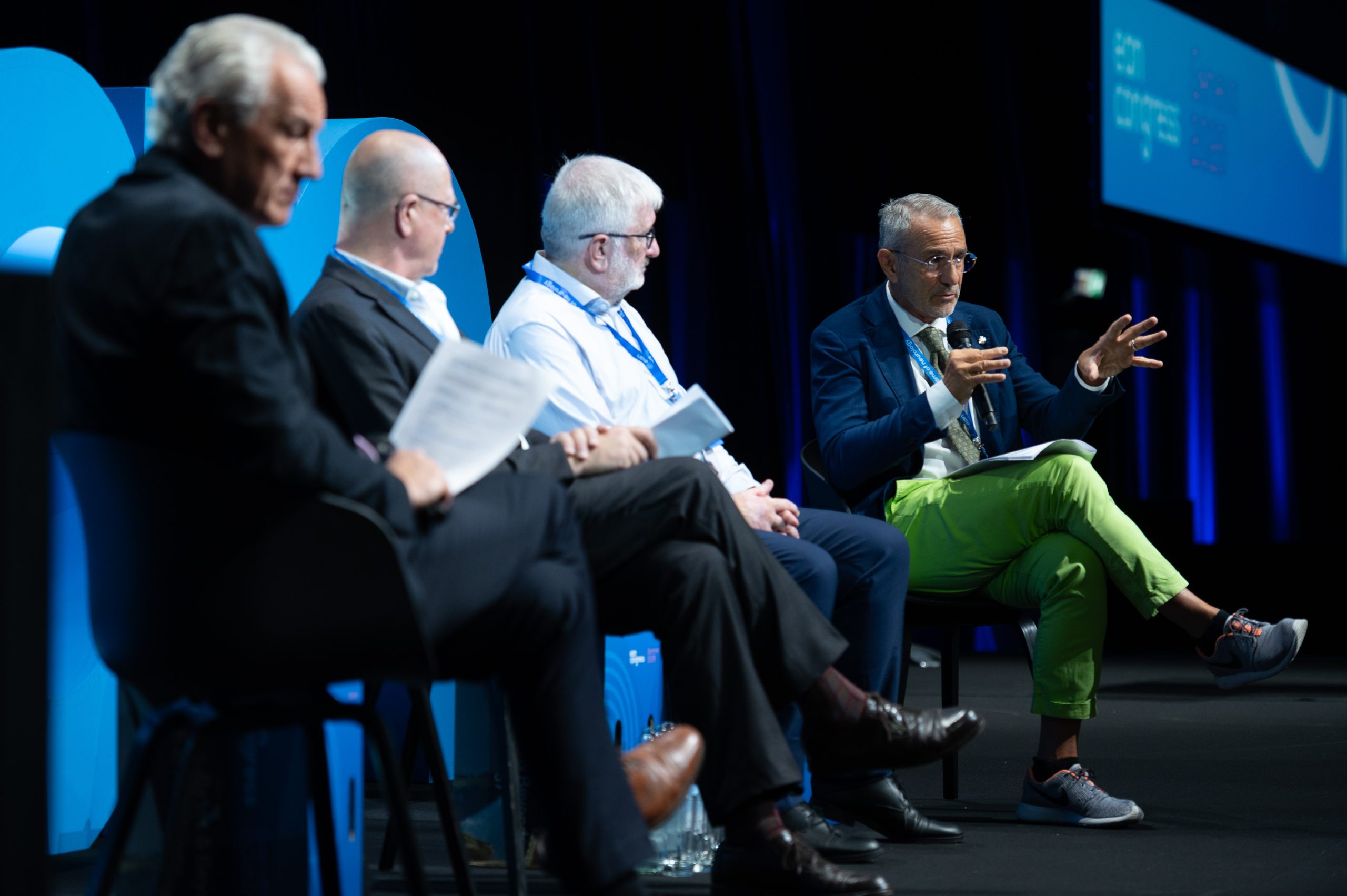
Giovanni Frisoni, Director of the Memory Clinic, Geneva University Hospitals, then brought the discussion into clinical practice. He argued that neurological care is moving from a reactive model, centred on diagnosing and treating disease after symptoms appear, towards a more proactive model focused on prevention. His presentation on the network of Brain Health Services for the prevention of cognitive impairment and dementia was one of the most concrete examples of this shift. The network now covers several countries in Europe and beyond, including the United States, Canada, and Australia. His broader message was clear: prevention will require health systems to be redesigned, not simply adjusted.
Tit Albreht, President of the European Public Health Association, expanded the discussion from services to populations. He emphasised the need for horizontal strategies that address health determinants, alongside vertical plans targeting specific diseases. This contribution was important because it placed neurology within the wider language of public health, where prevention, equity, and system design are central. Thomas Berger, a board member of the Biomedical Alliance in Europe, added another essential dimension: Europe needs stronger investment in research, but also better management and streamlining of regulatory processes.
The second panel, moderated by EAN President-Elect Kailash Bhatia, turned to global advocacy for neurology and how different organisations can join forces. Suzanne Dickson, President of the European Brain Council, described ongoing efforts to develop an ambitious intersectoral and coordinated plan for the brain at European level. Arabela Acalinei, speaking on behalf of the board of the European Federation of Neurological Associations, gave an important reminder that advocacy must meaningfully include people with lived experience. The principle was simple and powerful: policy should be shaped “by patients, not for patients”.
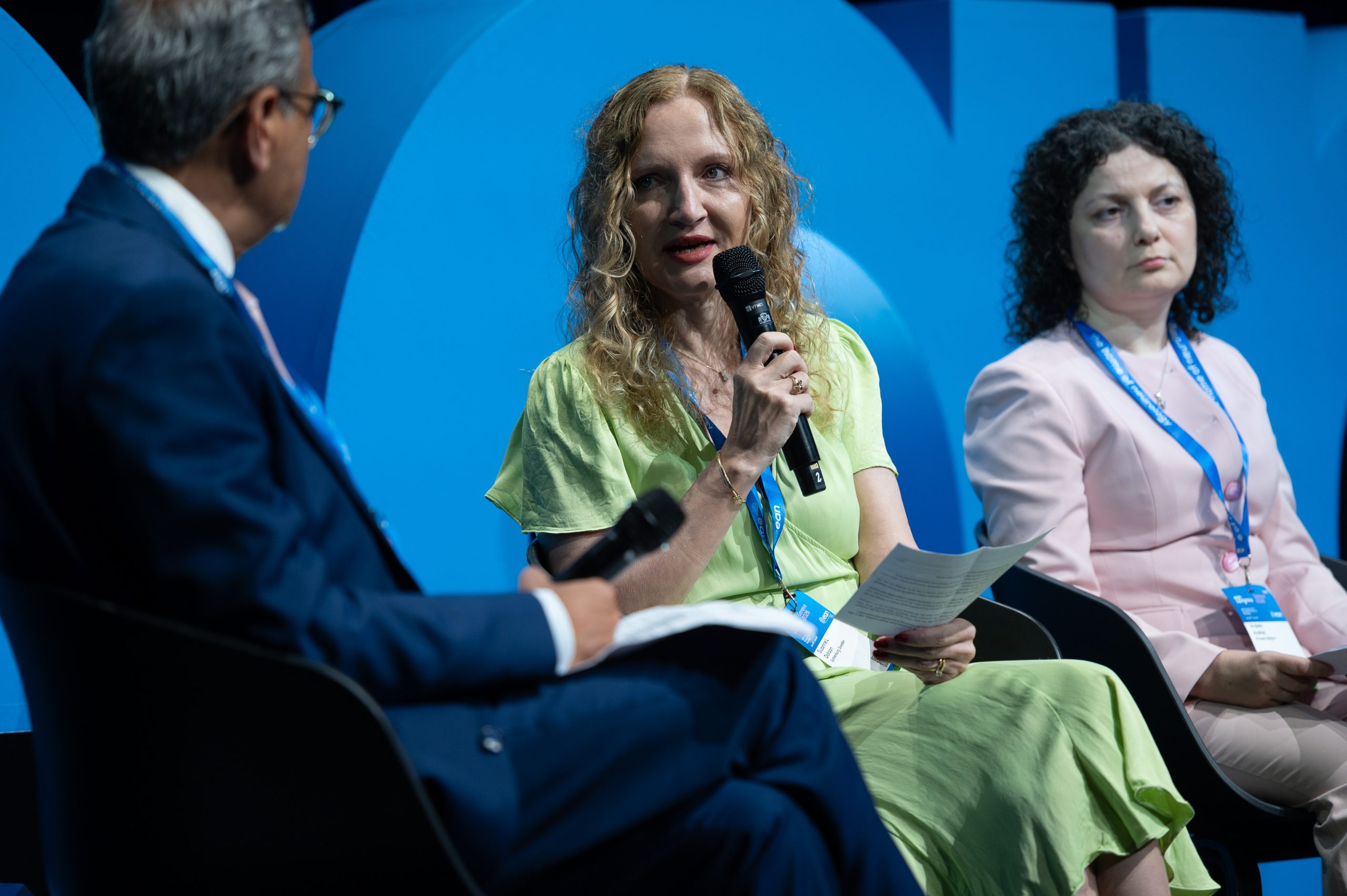
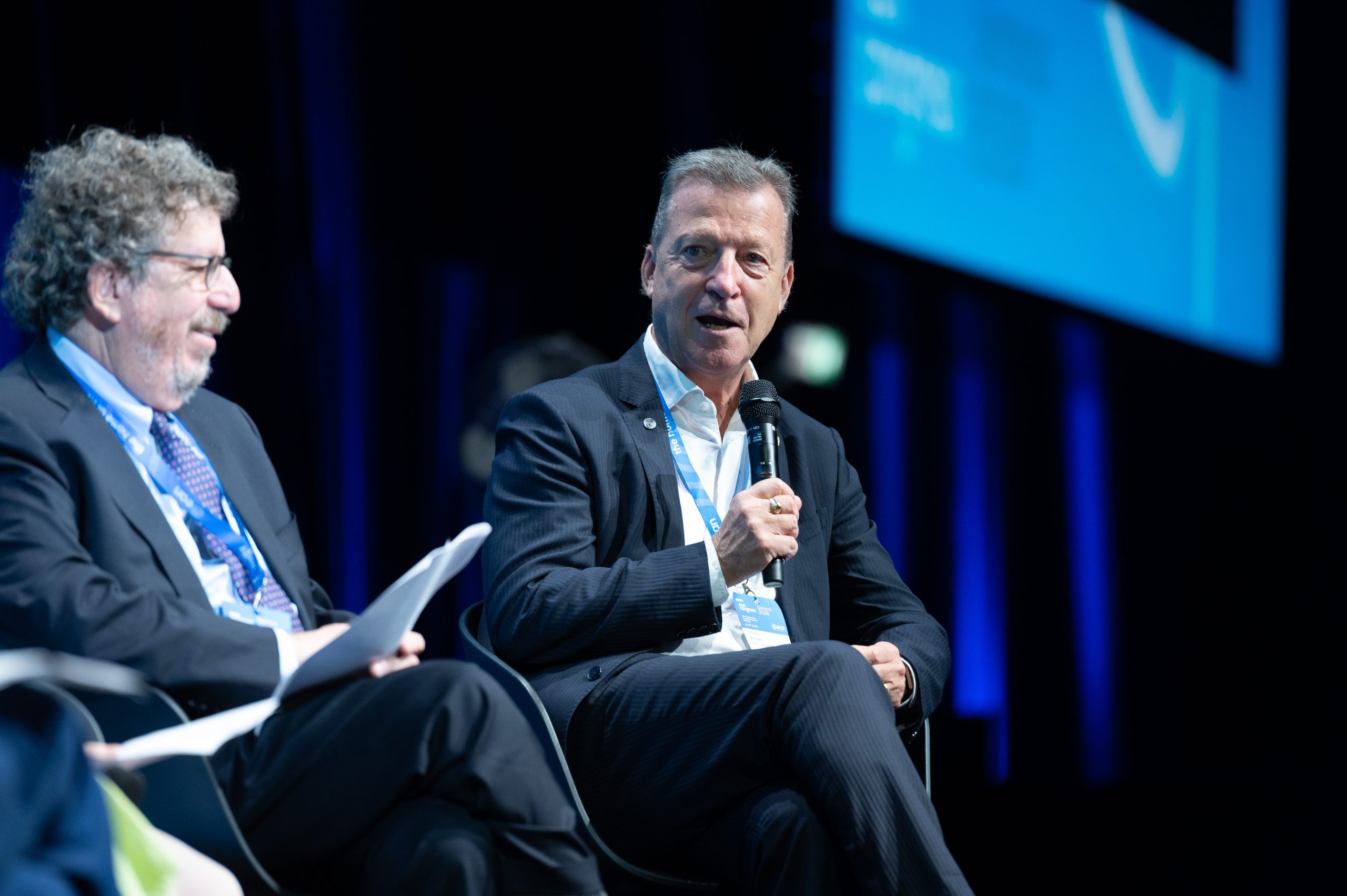
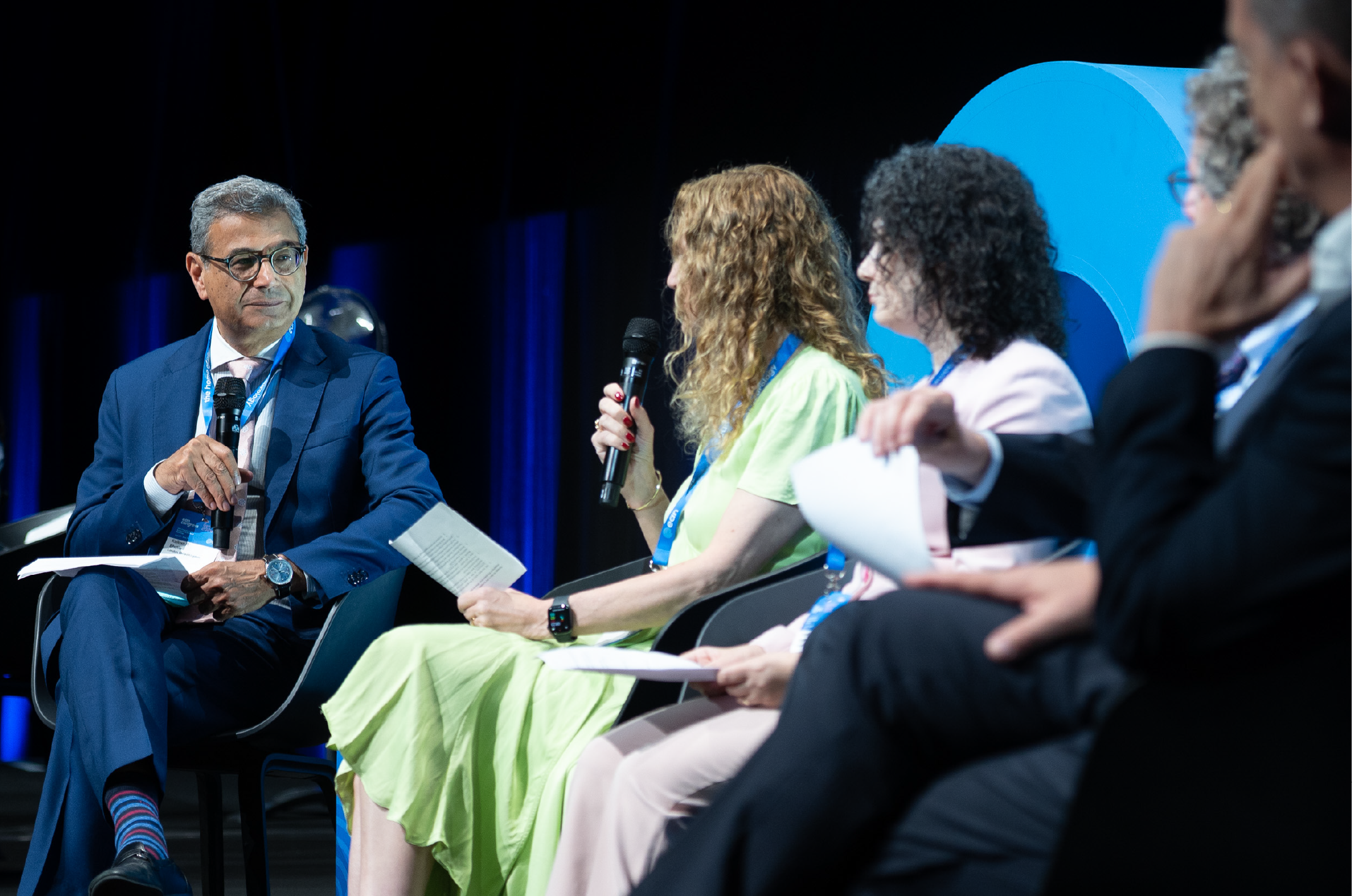
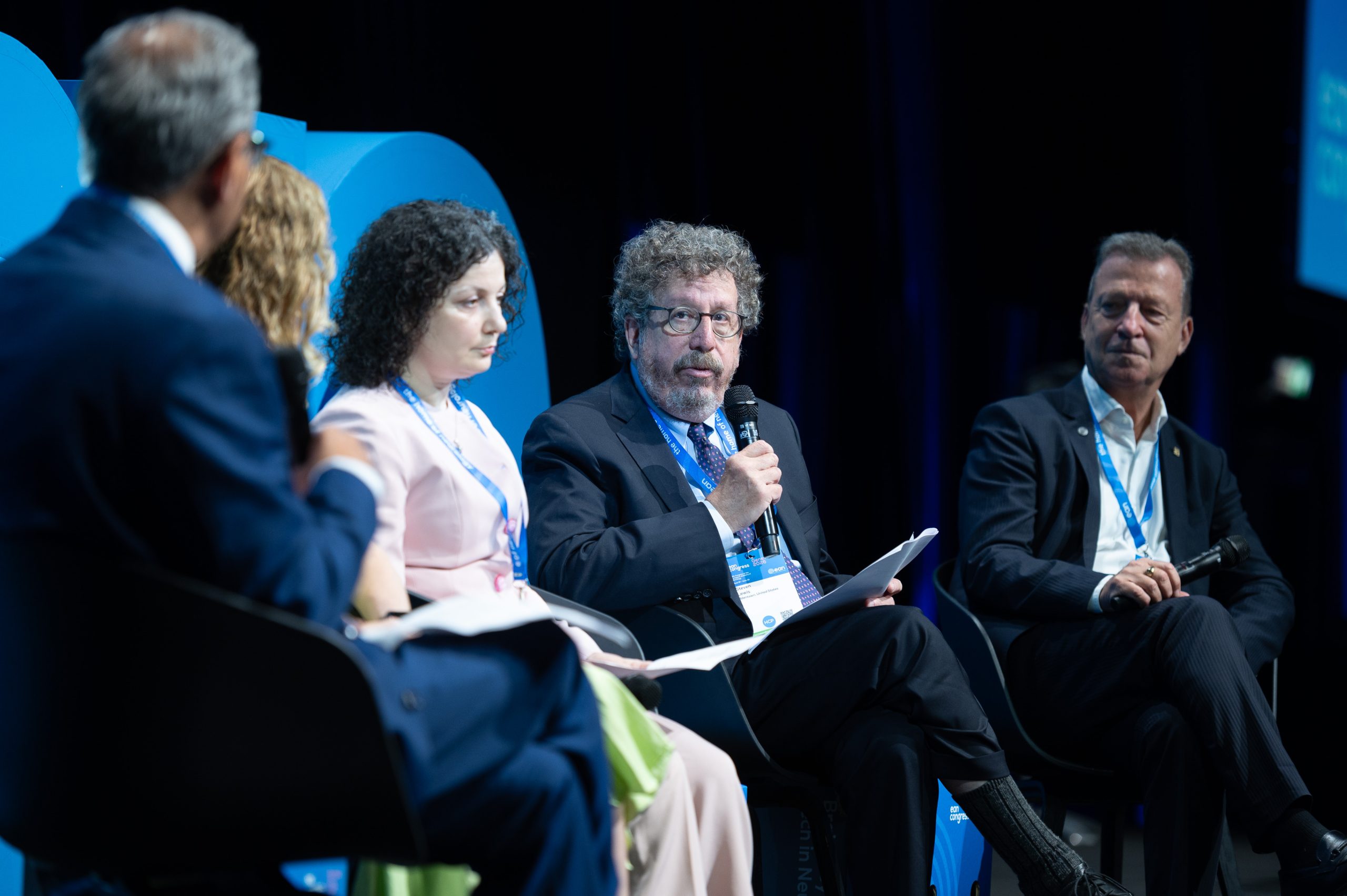
Steven Lewis, President of the World Federation of Neurology, highlighted the Federation’s work across 126 national associations in six regions, with a strong emphasis on expanding neurological education worldwide. He also referred to the recent collaboration with the EAN to increase access to the eanCampus. Finally, Claudio Bassetti, former EAN President and Chair of the Swiss Brain Health Plan, stressed that even well-resourced countries need to defragment initiatives and align efforts across disciplines and sectors. He also called for a new role for brain specialists as coordinators of these broader efforts.
Overall, the session showed that brain health has moved beyond advocacy language alone. It is becoming a practical agenda for prevention, service redesign, research, education, policy, and international cooperation. The strongest message was that neurology cannot meet future challenges by acting alone. It must work across borders, across professions, and across sectors.