by Katarzyna Kozala, Medical University of Vienna
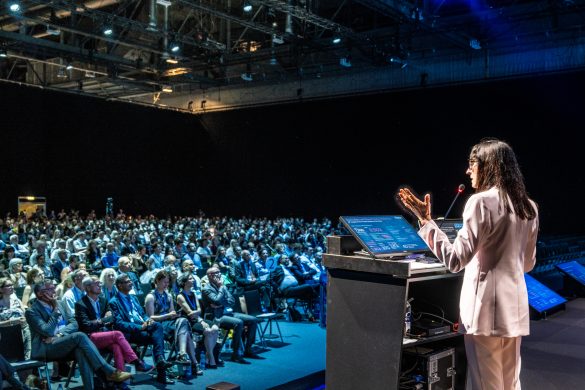
The Congress Highlights & Breaking News session offered a fitting conclusion to the EAN Congress 2026, bringing together award-winning science, the year’s most important clinical advances and a look towards the future of the EAN.
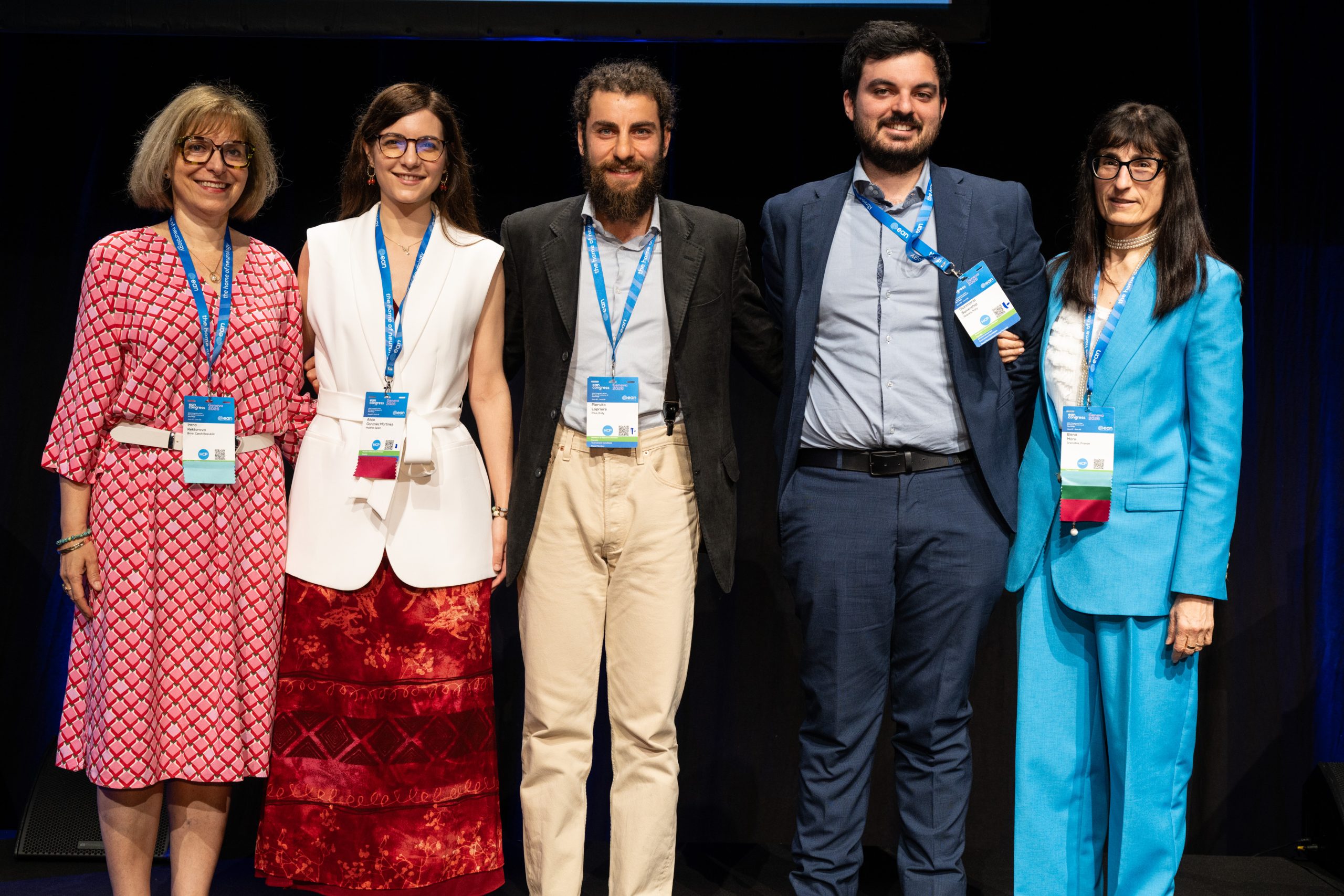
The session opened with the presentation of the EAN Tournament Awards, recognising outstanding contributions in both basic and clinical neuroscience. The Basic Science Tournament Award was presented to Gianmaria Senerchia for her work on REST inhibition as a therapeutic and diagnostic target in amyotrophic lateral sclerosis (ALS). The Clinical Science Tournament Award went to Piervito Lopriore for leading a multinational study that expanded our understanding of the clinical and genetic spectrum of TWNK-related disorders.
The programme that followed brought together highlights from across the neurological spectrum. Although the presentations covered movement disorders, cerebrovascular diseases, multiple sclerosis and neuroimmunology, dementia and cognitive disorders, and epilepsy, a common message emerged across all specialties: better understanding of disease biology is driving more personalised approaches to diagnosis and treatment.
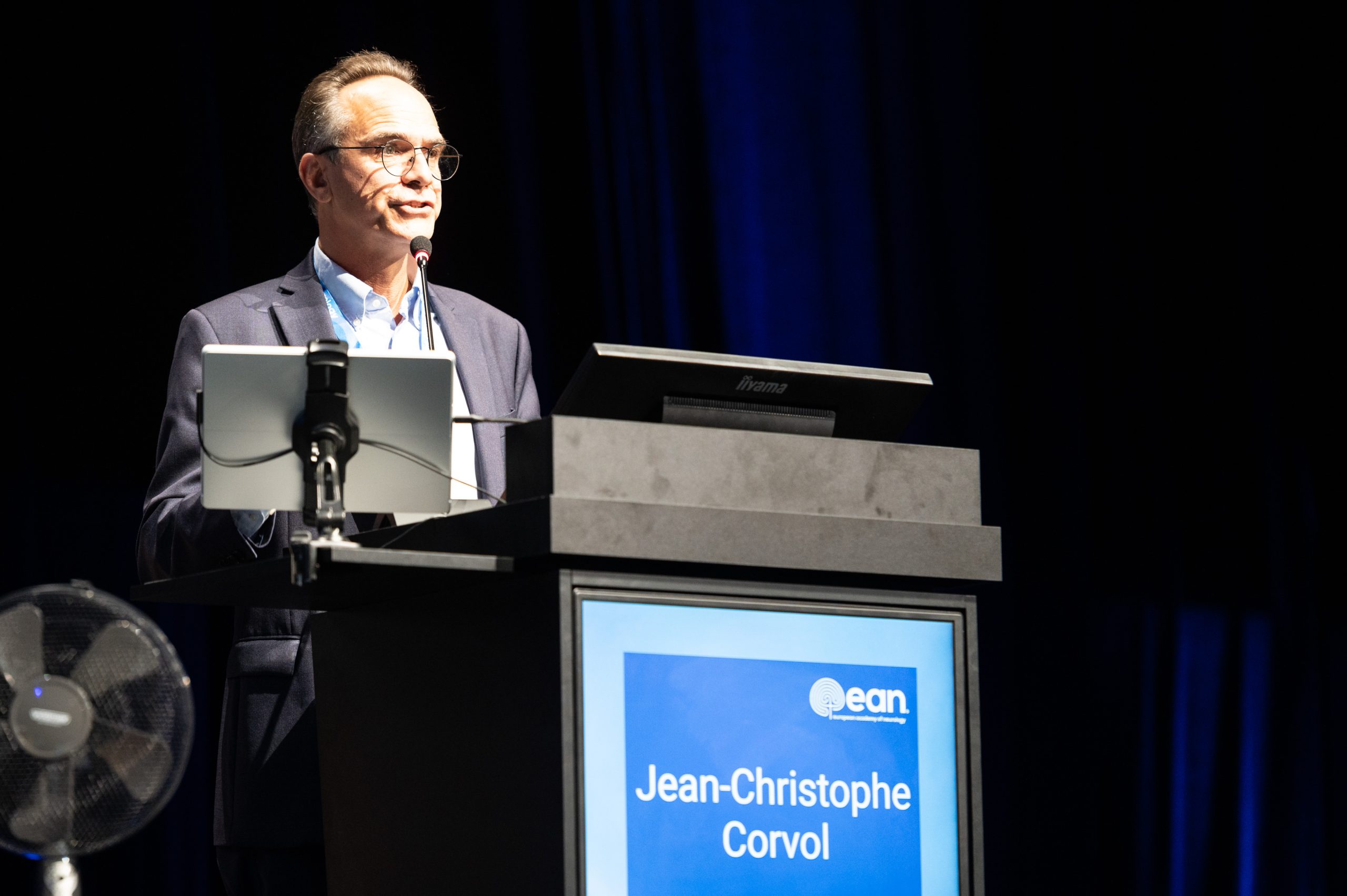
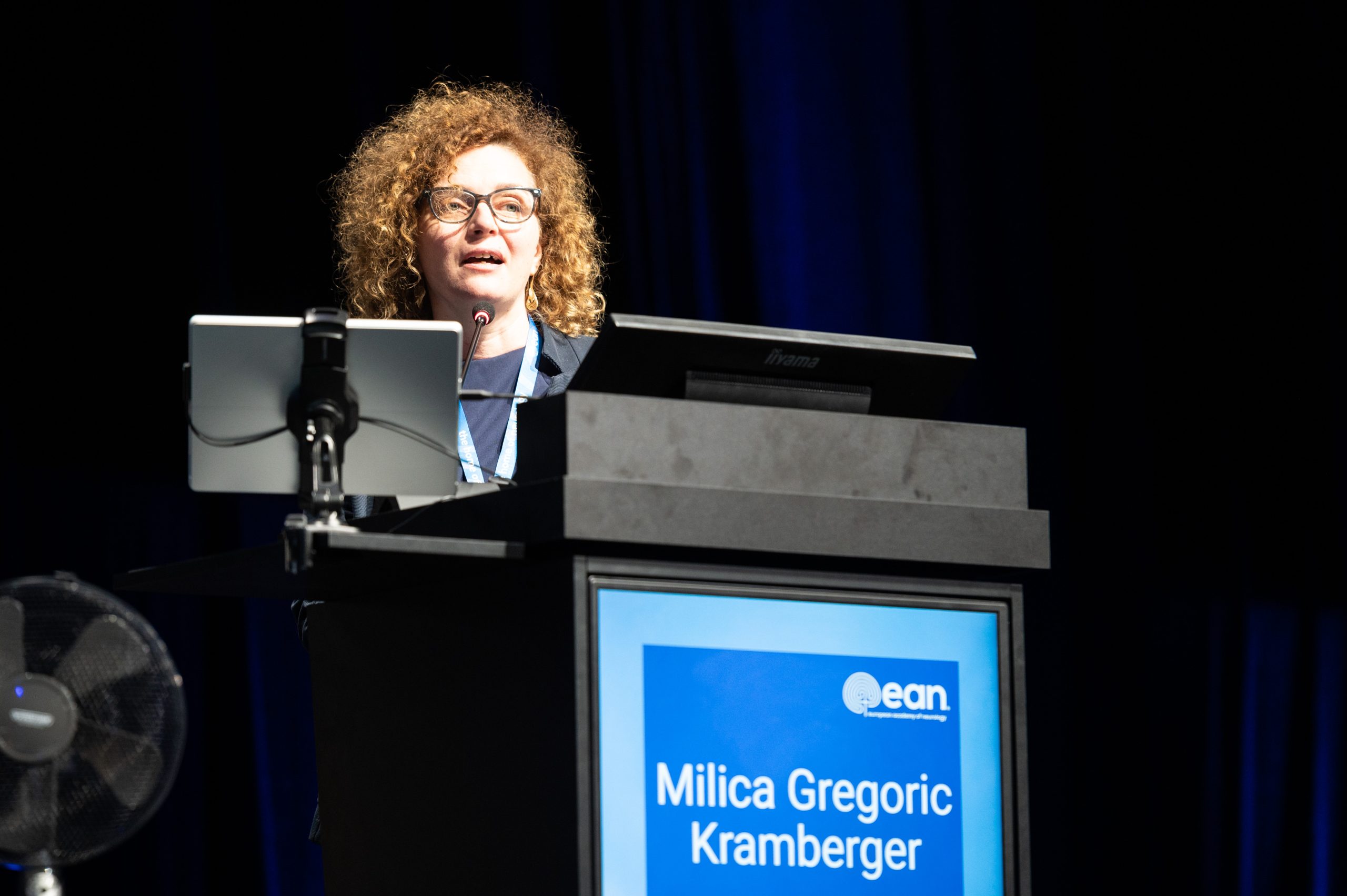
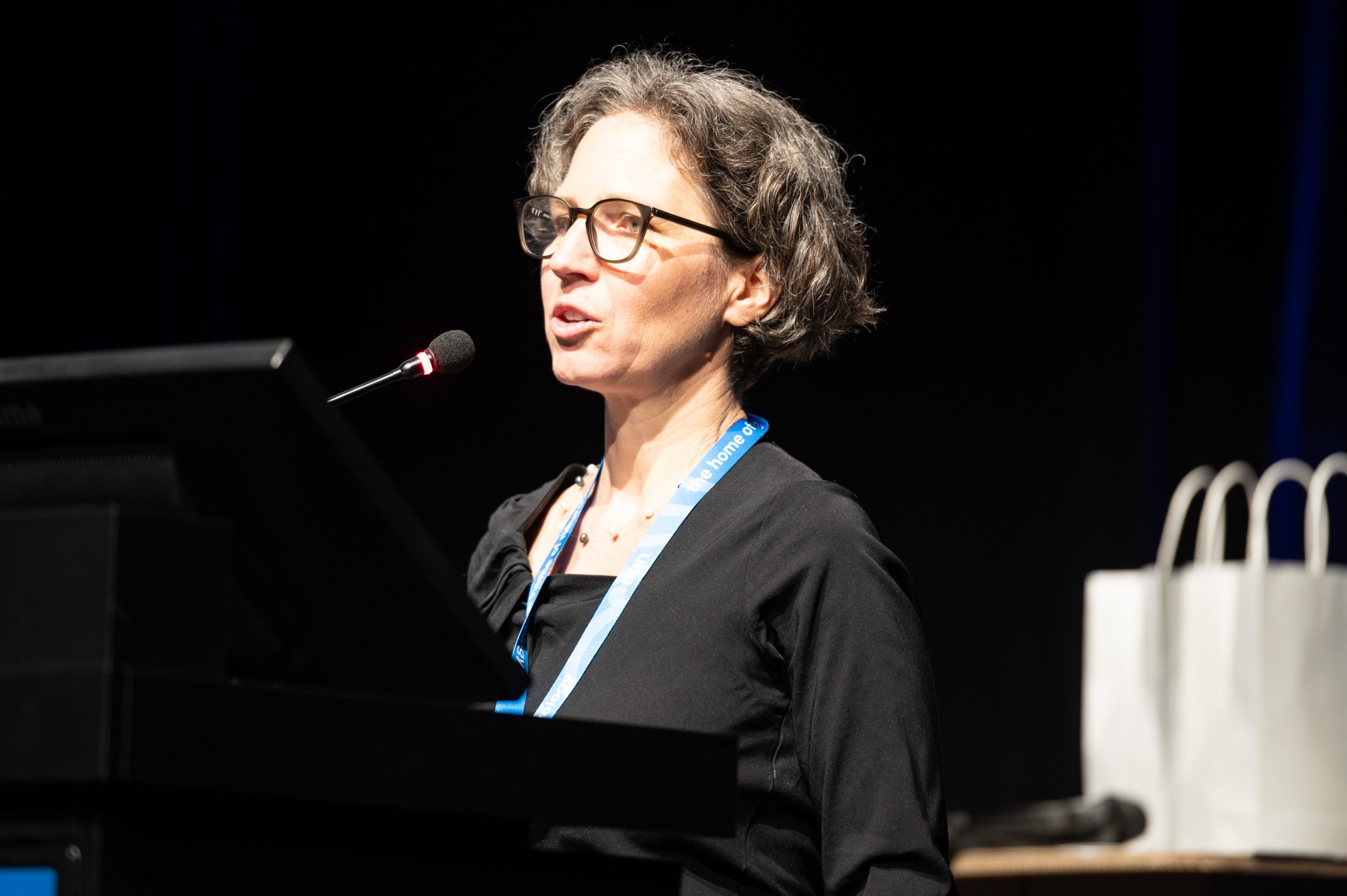
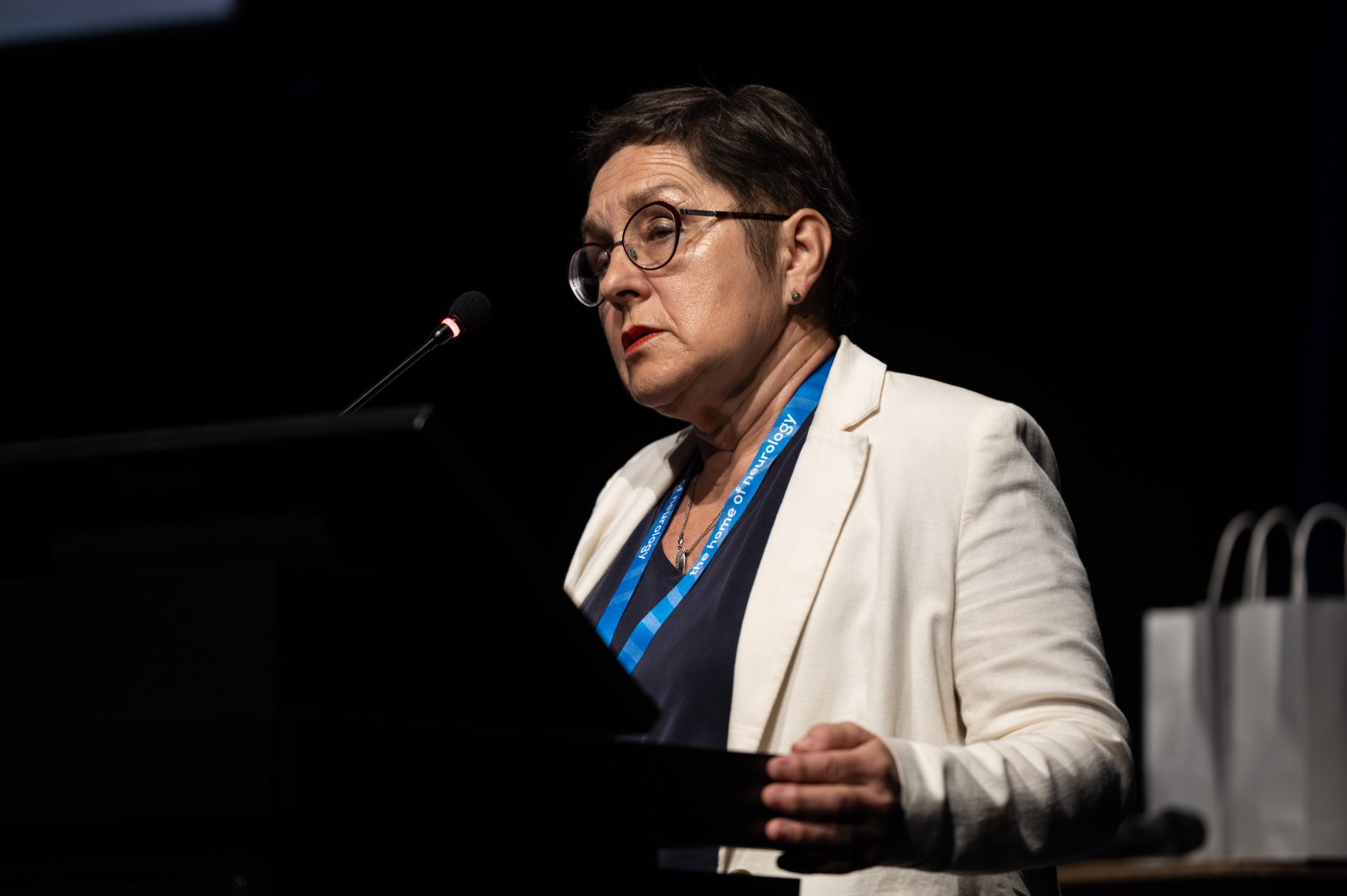
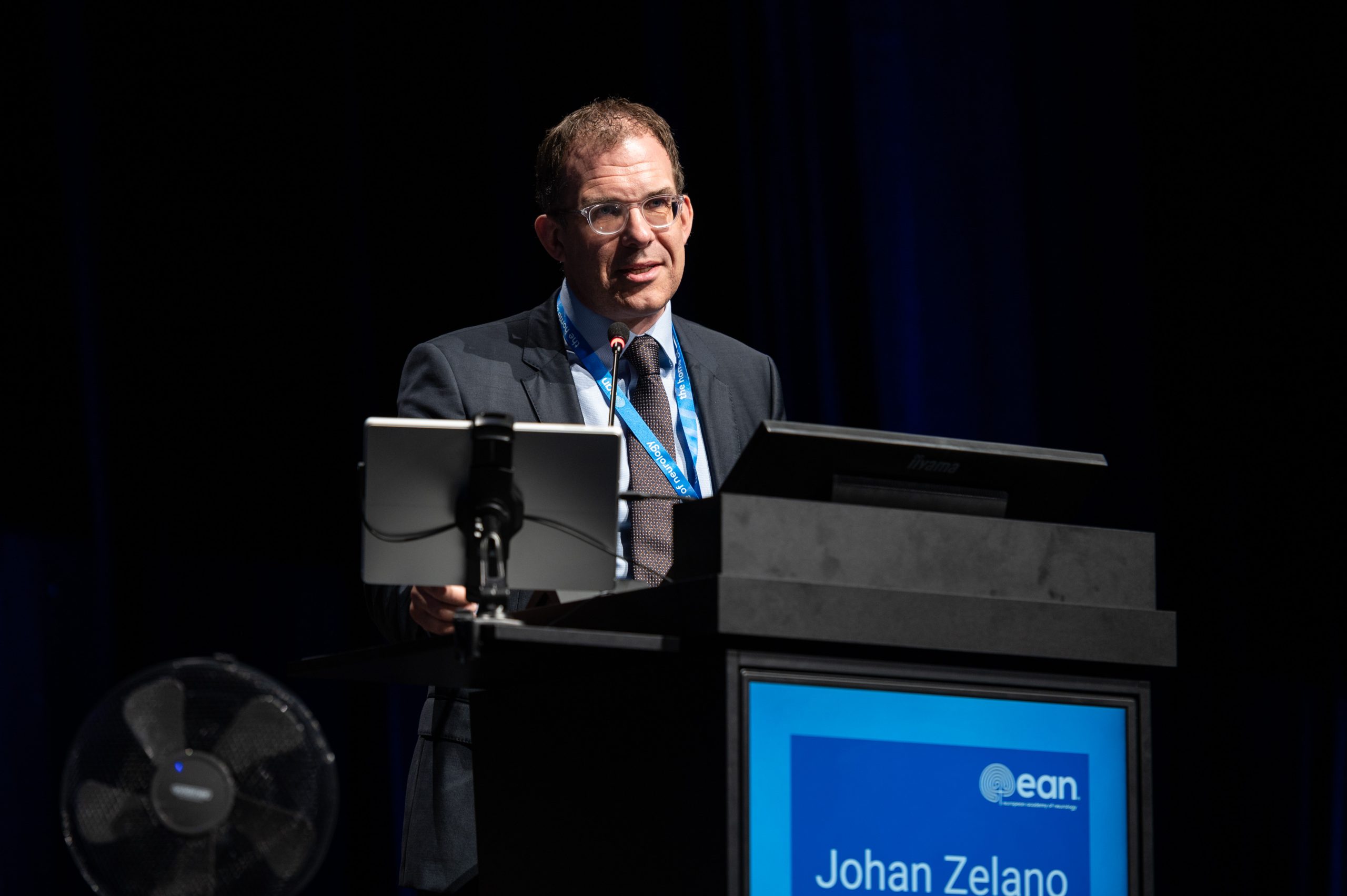
Presenting the movement disorders highlights, Jean-Christophe Corvol reviewed advances ranging from tremor research and Parkinson’s disease to dementia with Lewy bodies. Among the recurring themes were network-based concepts of disease, the continued development of focused ultrasound and deep brain stimulation, and the growing ambition to bring precision medicine into routine clinical care. While recent precision medicine trials have produced mixed results, the field continues to move steadily towards more targeted therapeutic strategies.
In cerebrovascular diseases, Zuzana Gdovinová highlighted how patient selection is becoming increasingly important for acute treatment decisions. New evidence continues to refine the role of mechanical thrombectomy across different patient populations, while research into inflammation and secondary prevention is opening additional therapeutic perspectives. Rather than applying a single strategy to every patient, stroke care is becoming progressively more individualised.
Summarising developments in multiple sclerosis and neuroimmunology, Caroline Pot highlighted the impact of the updated McDonald criteria, the expanding use of imaging and fluid biomarkers, and encouraging progress with emerging therapies. Beyond multiple sclerosis, biomarkers are also beginning to reshape the diagnosis and monitoring of autoimmune neurological diseases, bringing precision medicine closer to everyday clinical practice.
For dementia and cognitive disorders, Milica Gregoric Kramberger described a field undergoing rapid transformation. Biomarkers, artificial intelligence and disease-modifying therapies are increasingly becoming part of routine clinical discussions, while clinicians are also learning to better recognise mixed pathologies and personalise diagnostic pathways. Throughout the presentations, one idea repeatedly surfaced: technological advances are only valuable when they ultimately improve patient care.
Finally, Aleksandar Ristic showed how epilepsy research is becoming increasingly connected with other neurological disciplines. New findings on neuronal hyperexcitability, cognition and network dysfunction illustrate how insights from one subspecialty may influence another, reinforcing the importance of collaboration across the neurological community.
Across the congress, researchers repeatedly highlighted the importance of biomarkers, advanced imaging, artificial intelligence and a deeper understanding of disease mechanisms. Together, these developments are steadily moving neurology towards precision medicine and more individualised patient care.
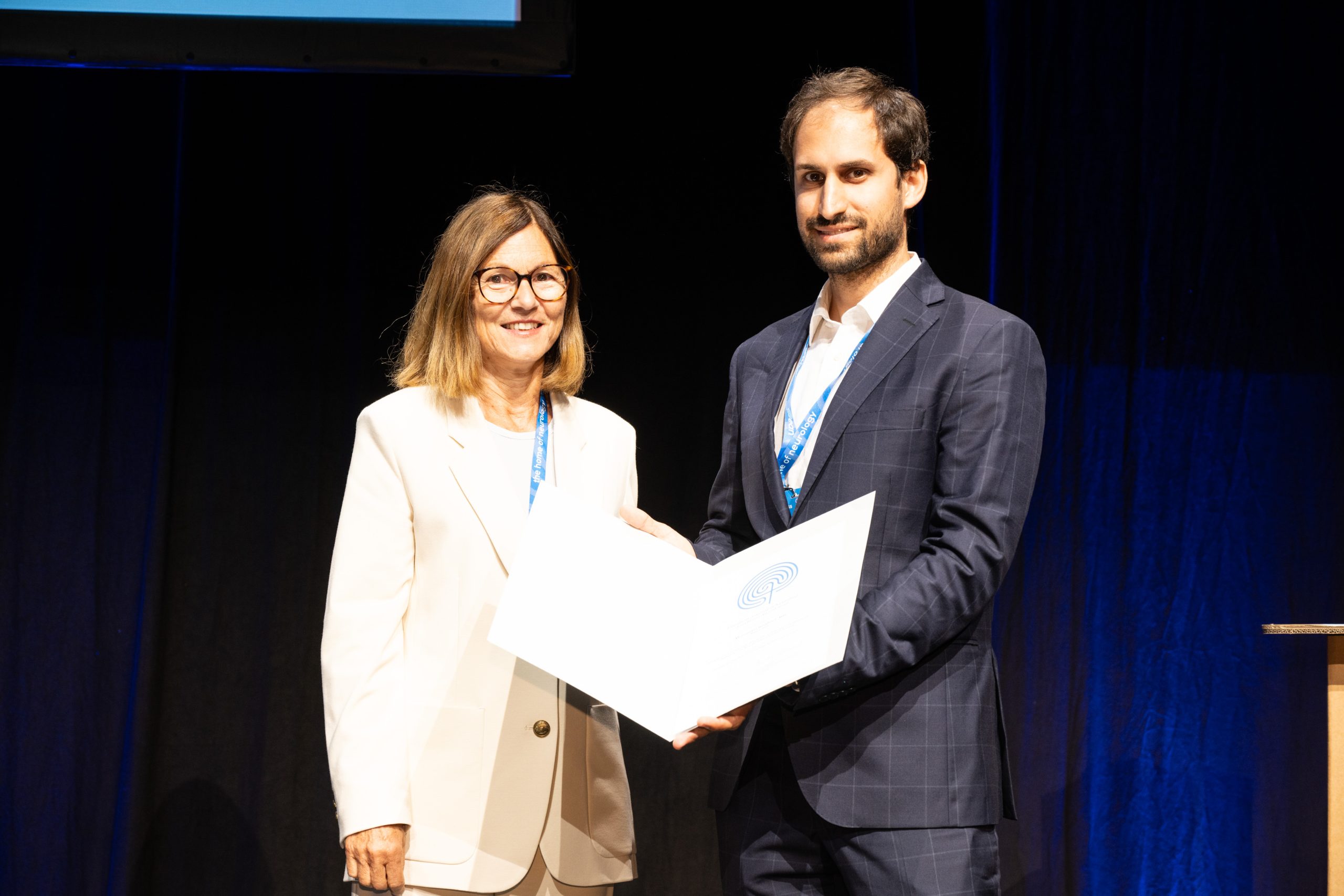
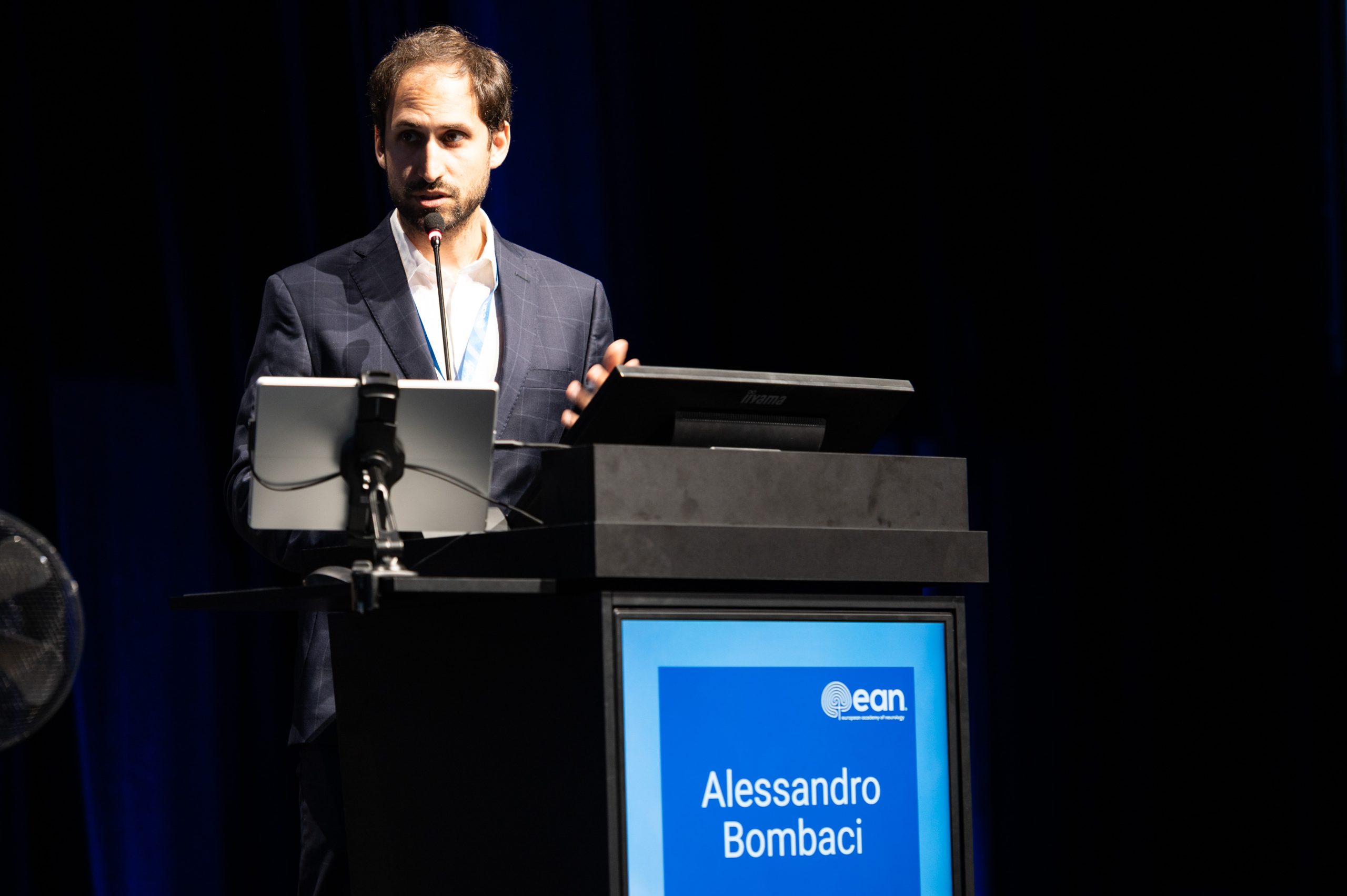
Before the session came to a close, the Jes Olesen Award for best original research submitted to the European Journal of Neurology was presented to Alessandro Bombaci for his work on a novel early diagnostic and prognostic biomarker in amyotrophic lateral sclerosis (ALS), recognising another outstanding contribution from the next generation of neurological researchers.
The session concluded with a look towards the future of the EAN. The next EAN Congress will take place in Gothenburg, Sweden, under the overarching theme Transforming Neurology: Embracing Every Brain.
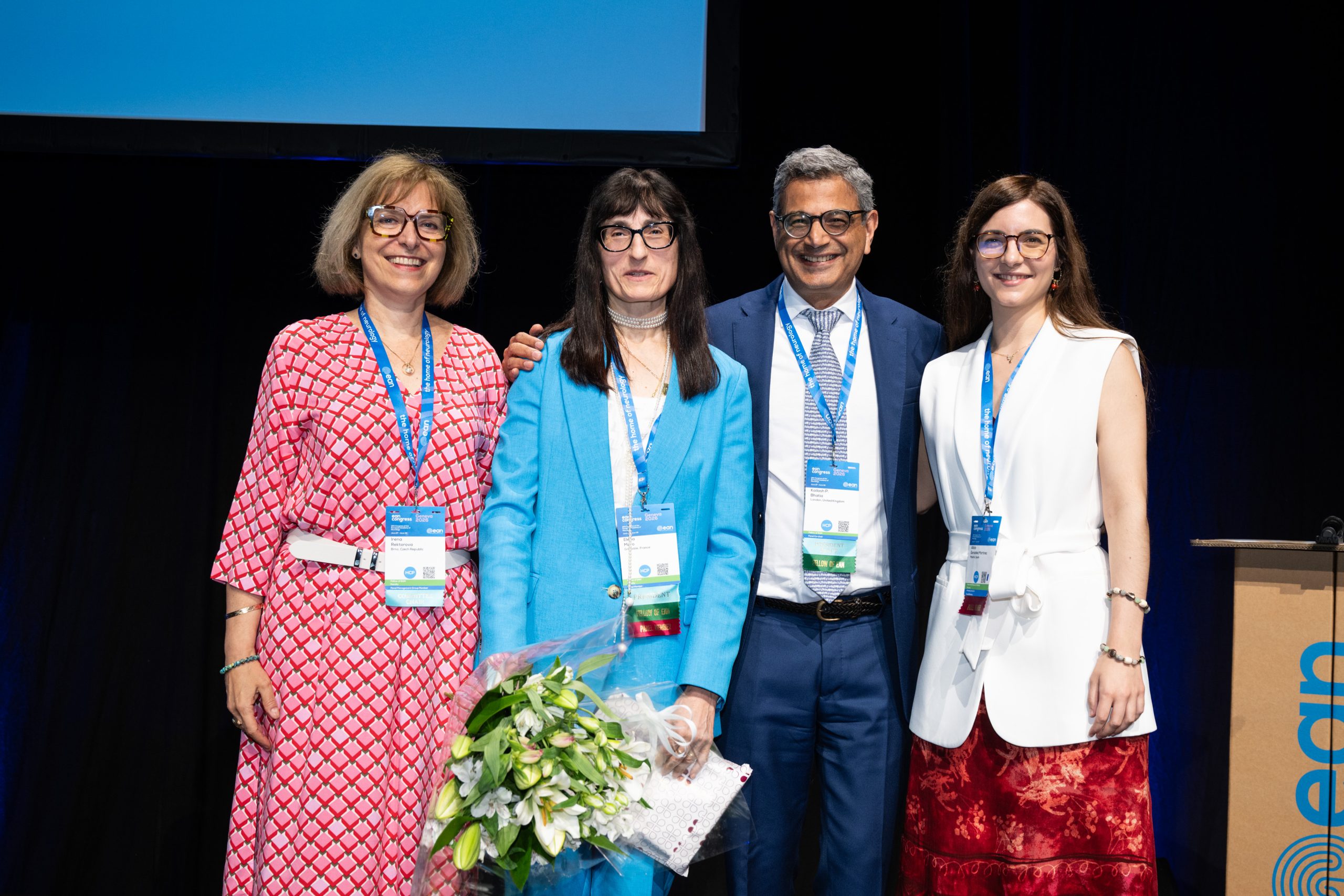
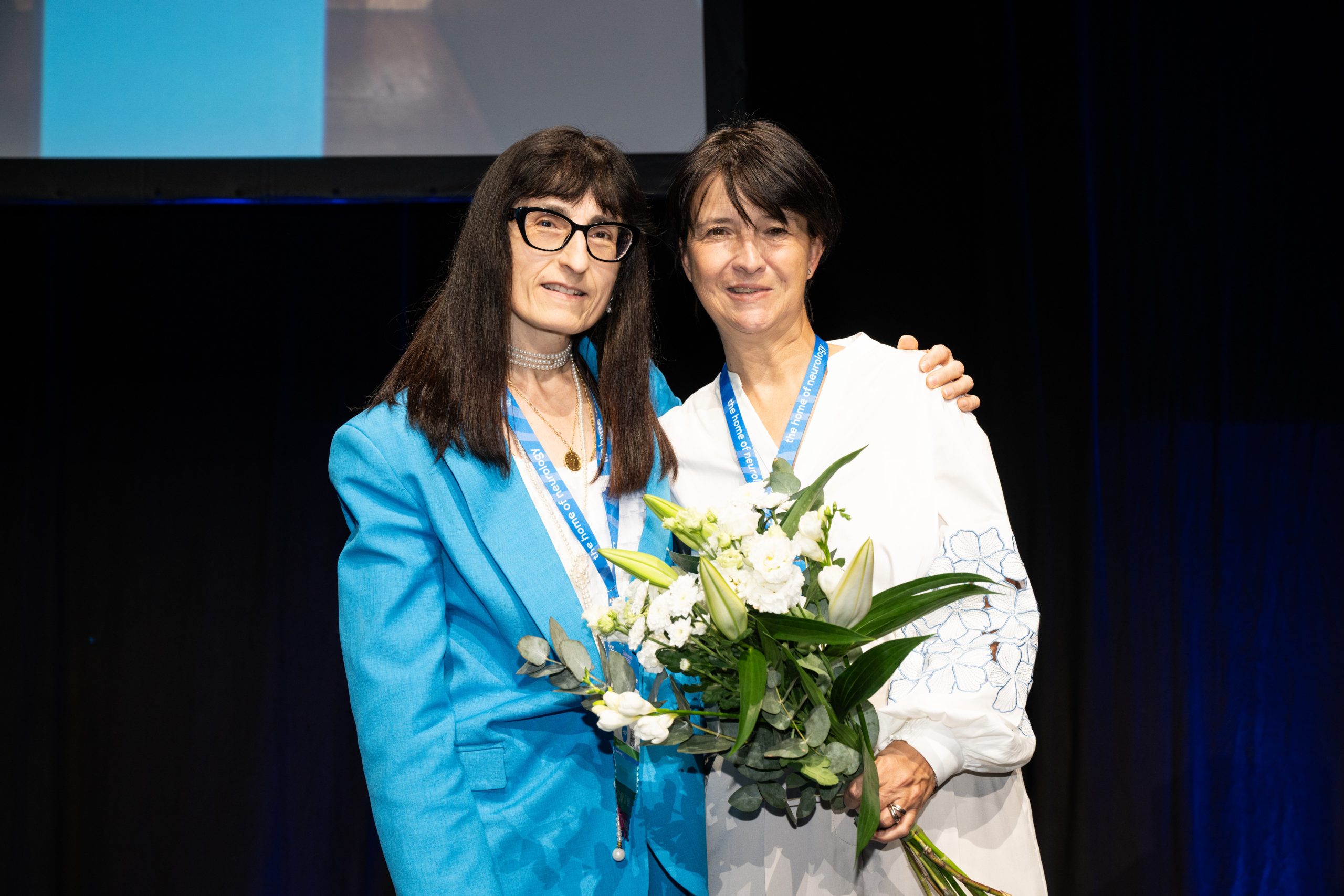
The closing ceremony also marked the handover to the new EAN leadership, with Kailash Bhatia officially taking office as EAN President, while Elena Moro moves into the role of Past President. The organisers, speakers, volunteers and everyone who contributed to the success of the congress received a heartfelt thank you for making this year’s meeting possible. After four days of inspiring science, lively discussion and international collaboration, the Congress Highlights & Breaking News session provided a fitting conclusion to this year’s event and an exciting look ahead to the next chapter of European neurology.