by Simone Salemme
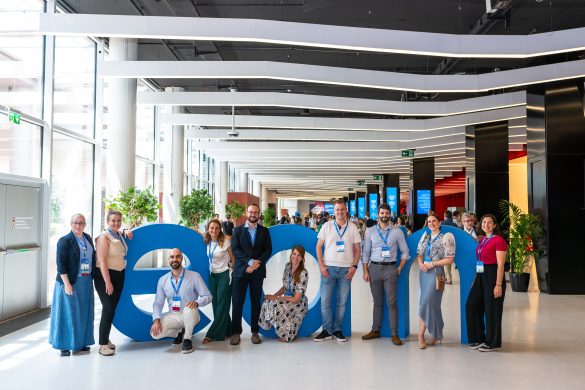
Public Brain Health Day returned to the EAN Congress in Geneva with a clear and practical message: brain health is not only a specialist topic, but a public priority. The event brought together clinicians, patient advocates, public health experts, people with lived experience, and members of the wider community to discuss how brain health can be understood, protected, and promoted in daily life.
Watch the full recording of the Public Brain Health Day here
Opening the session, Caroline Pot, President of the Swiss Neurological Society, highlighted the actionability of brain health. She reminded participants that what is good for the heart is often good for the brain, while also stressing that brain health requires a broader perspective. Biological, social, environmental, and behavioural factors all shape neurological health, and public engagement is essential if prevention and awareness are to move beyond professional discussions.
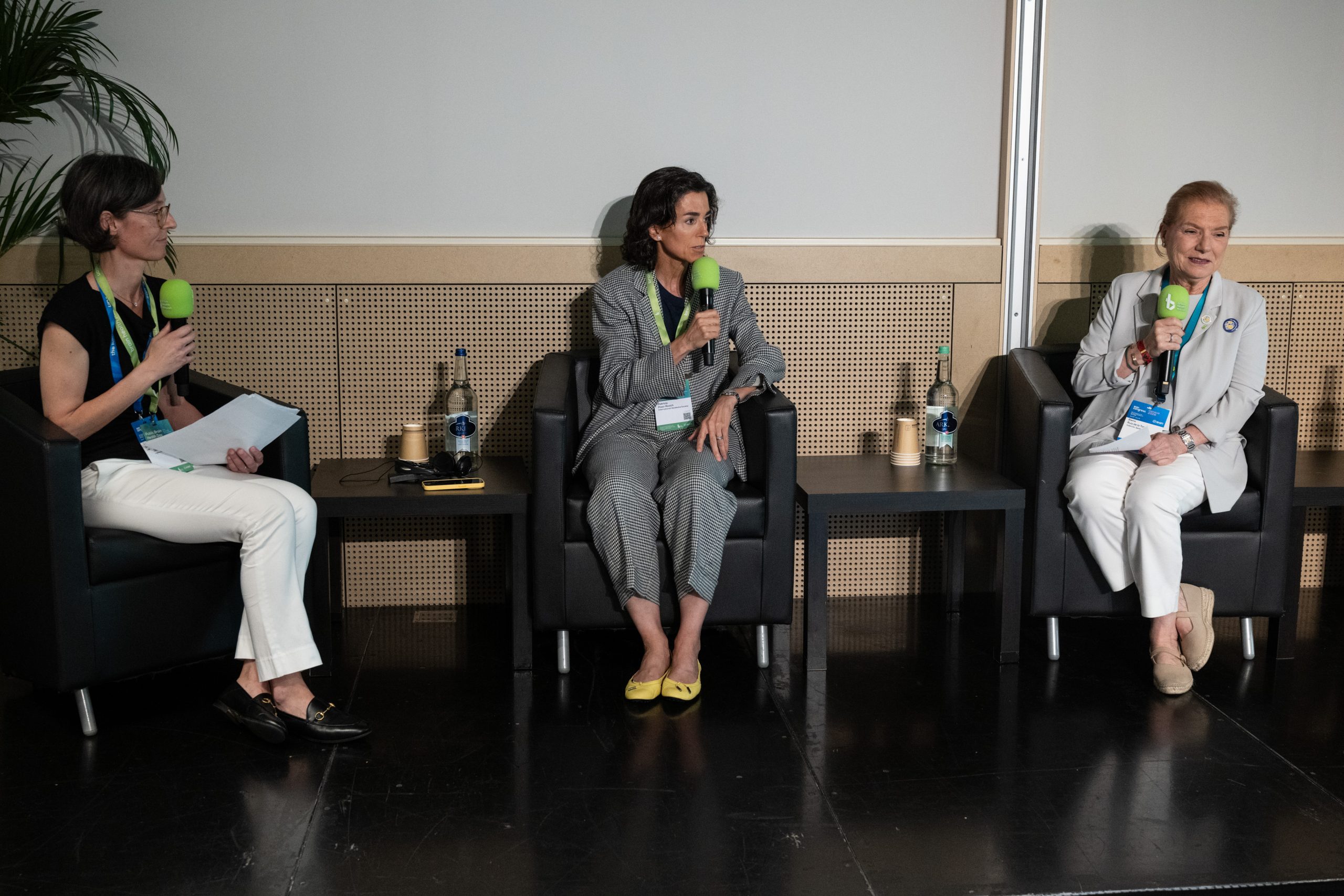
The first thematic session focused on headache disorders, moderated by Chiara Zecca. Elena Ruiz de la Torre, Executive Director of the European Migraine and Headache Alliance, introduced the alliance’s work across 62 countries and emphasised the need to raise awareness of both the overall burden of headache disorders and the specific impact of migraine. Patricia Pozo-Rosich, President-Elect of the International Headache Society, described migraine as a complex brain disorder that affects up to one in five adult women. She reminded the audience that migraine involves much more than pain: sensory, visual, language, light, sound, and smell-related symptoms can profoundly affect daily functioning.
The discussion also gave strong space to lived experience. Ruiz de la Torre described how people with headache may not even want to remember what an attack feels like, underlining the traumatic and unpredictable nature of the condition. Migraine can interrupt the most important moments of life, with consequences for work, relationships, opportunities, and dignity. Pozo-Rosich also discussed anti-CGRP therapies, which have changed the treatment landscape for some patients, while stressing that environmental factors, including pollution and climate change, increasingly shape migraine management and brain health more broadly.
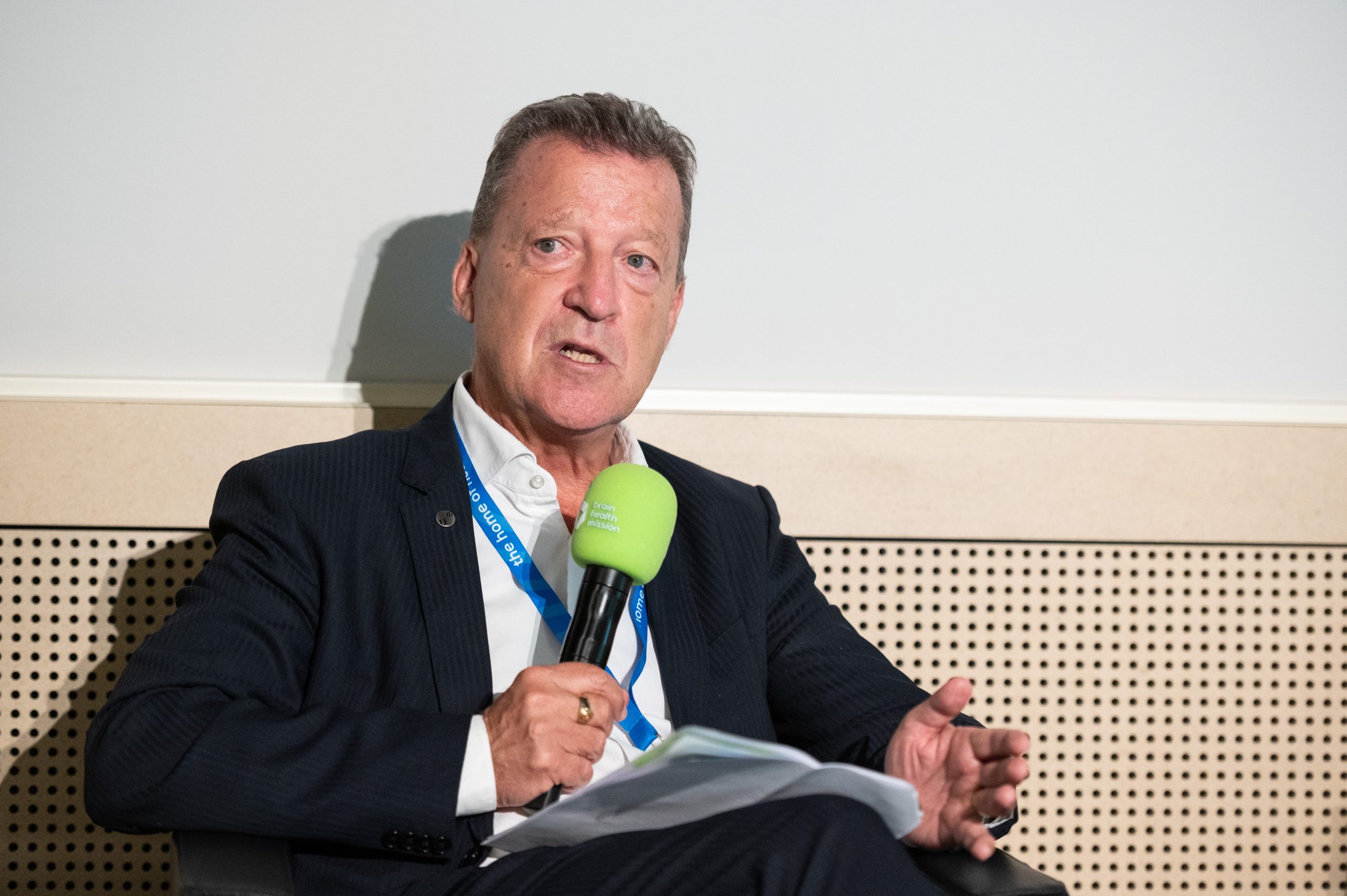
The second session, moderated by Caroline Pot, explored the relationship between sleep and the brain. Claudio Bassetti, Chair of the Swiss Brain Health Plan, summarised the concept powerfully: “sleep by the brain, sleep for the brain”. Sleep, he explained, is central to restoration and brain function. Luisa Welter, Young Section Board Member of the European Sleep Foundation, highlighted the wider societal impact of poor sleep, from reduced productivity to traffic accidents. The speakers also noted that sleep has too often been framed as a lifestyle choice, whereas evidence now supports its recognition as a medical and public health issue.
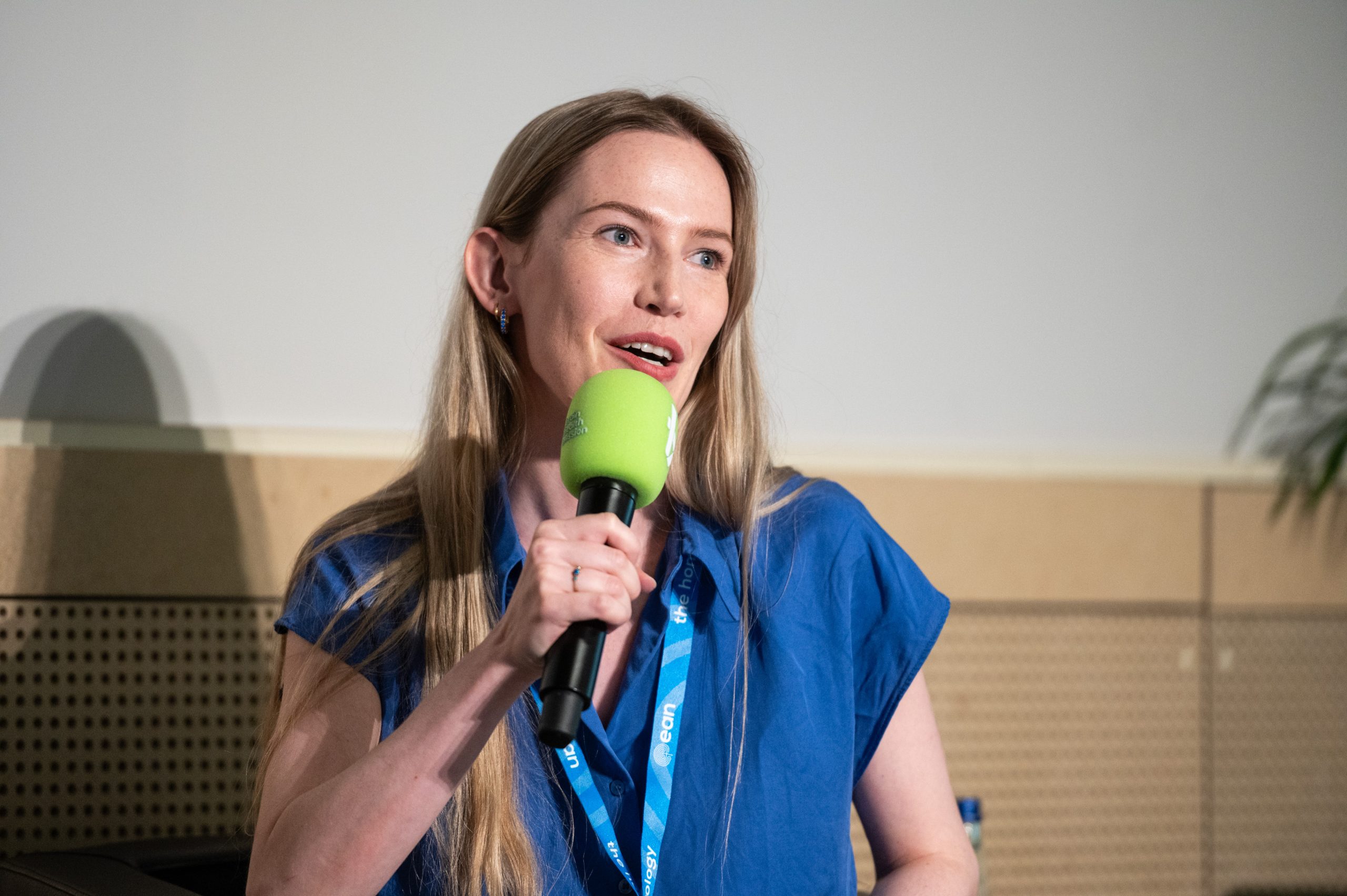
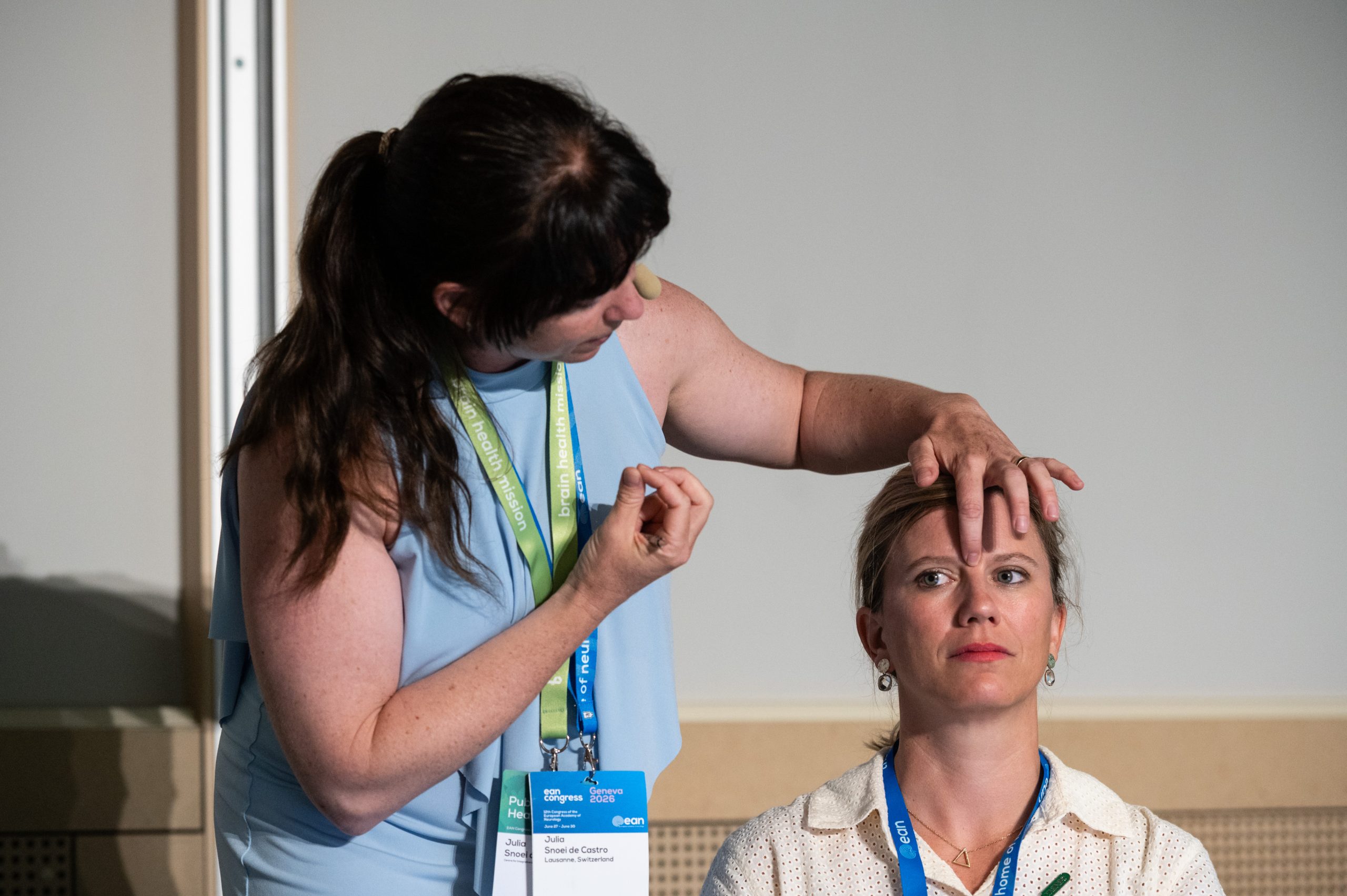
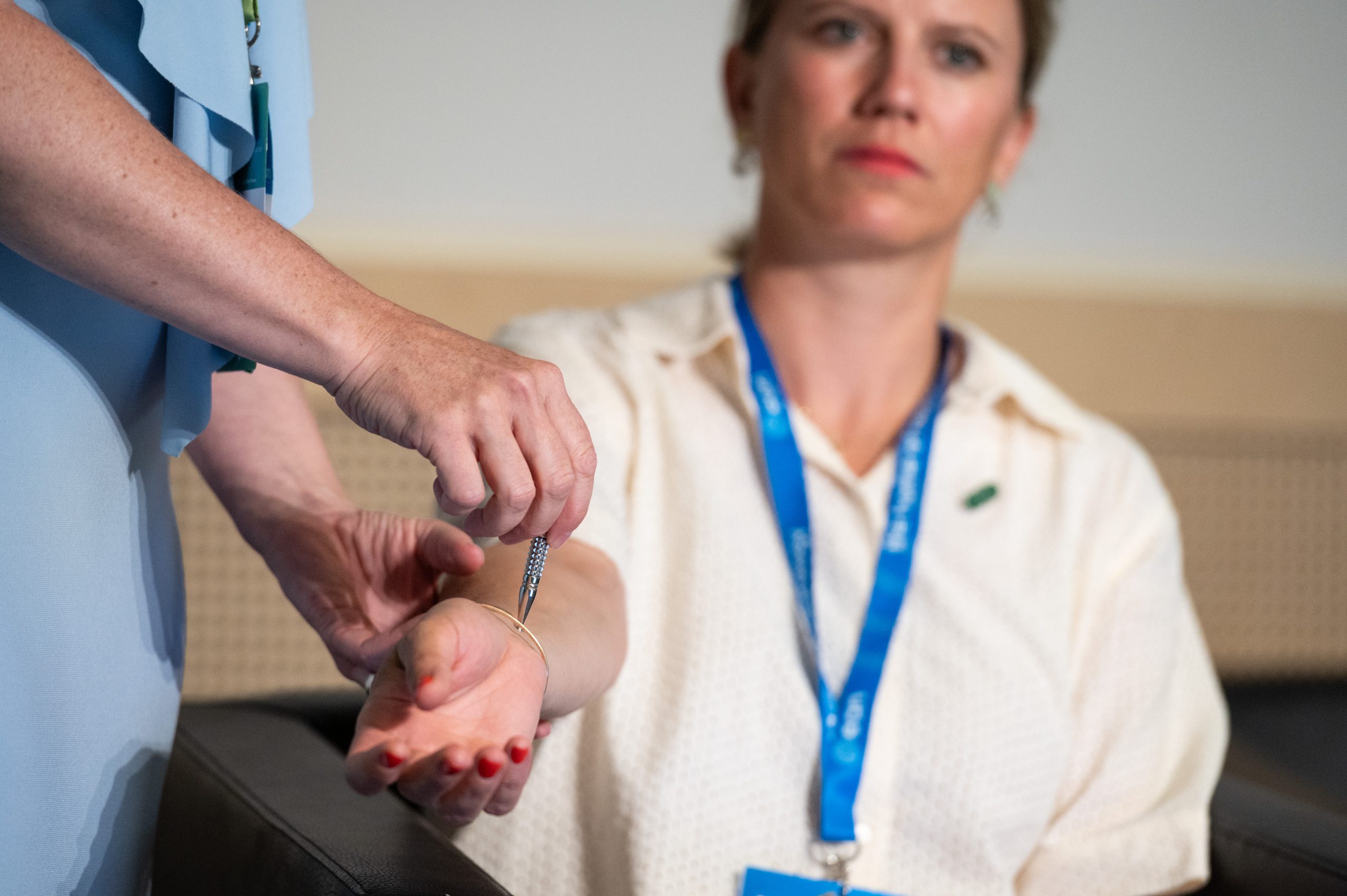
Julia Snoei de Castro then led a practical session on acupressure and acupuncture in neurology, inviting the audience to consider how traditional medicine can enter the brain health dialogue. Using Chinese medicine as an example, she described a model that connects external and internal elements, energy, balance, and the nervous system. A live demonstration with a participant from the audience made the session especially engaging, showing how history-taking, observation, and pressure points may be used within this approach.
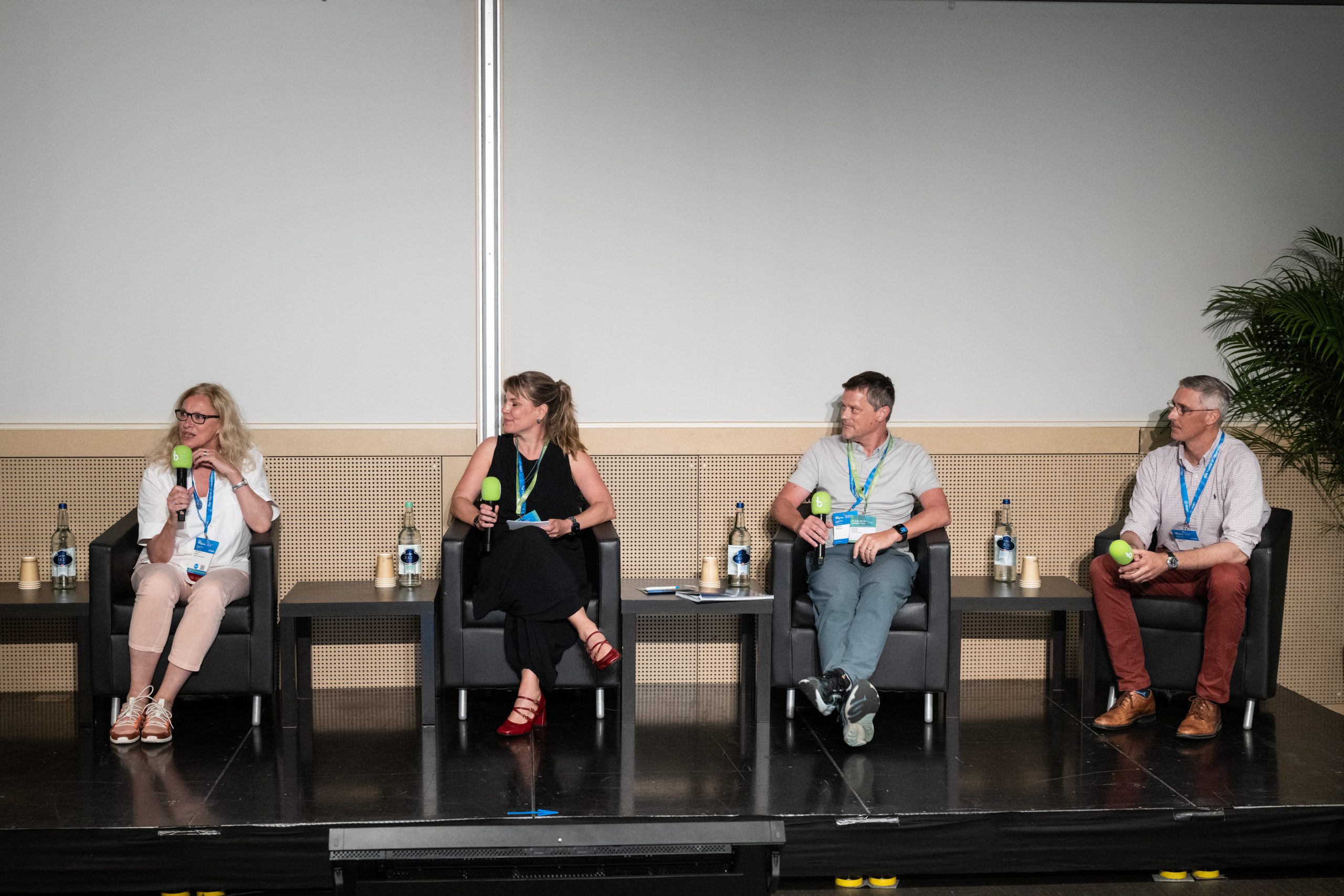
The epilepsy session, moderated by Silke Biethahn, placed awareness, stigma, management, and lived experience at the centre. Margitta Seeck reminded the audience that epilepsy has a wide range of symptoms, extending far beyond the commonly recognised image of convulsive seizures with loss of consciousness. She also returned to the importance of sleep and medication adherence in seizure management. Nicolas Steiner and Jon Mark Walls shared powerful personal perspectives, describing how epilepsy can affect safety, mental health, independence, access to medication, and life choices across countries and health systems.
The final session focused on the Swiss Competence Center for Brain Health. Bassetti described its pillars: awareness, interprofessional training, research on determinants, brain health promotion, and empowerment of patients and caregivers. Neerja Chowdhary, Technical Officer at the World Health Organization, connected this work to the Intersectoral Global Action Plan on Epilepsy and Other Neurological Disorders, stressing the need to work with countries, build capacity in primary and community care, and support non-specialist professionals in managing conditions that affect brain health.
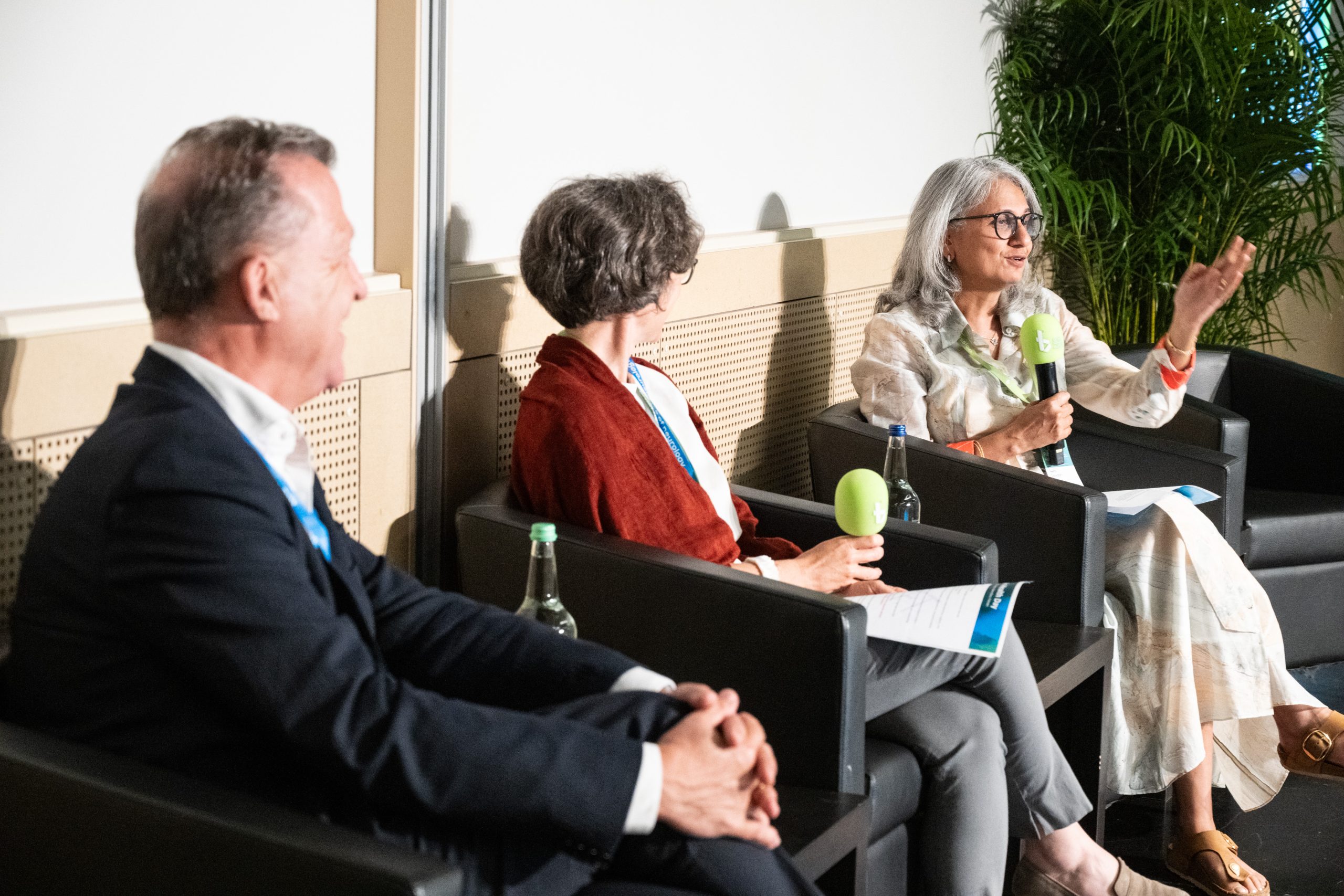
The session closed with a message that captured the spirit of the day: brain health is not only neurology. It reaches into environments, behaviours, services, communities, and policy. As Chowdhary put it, “Brain health is everyone’s business”.