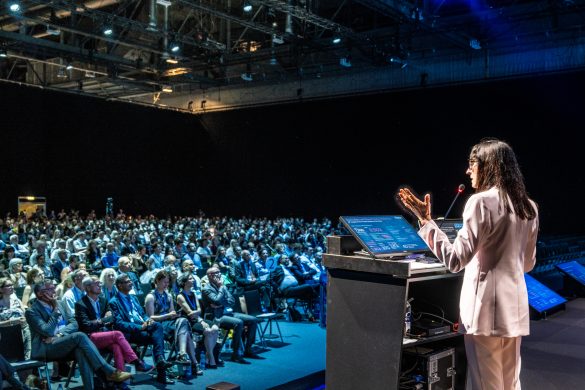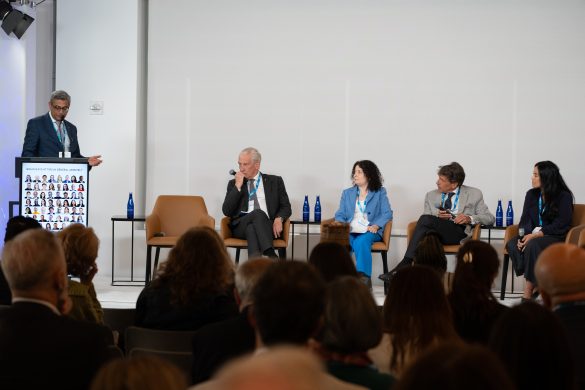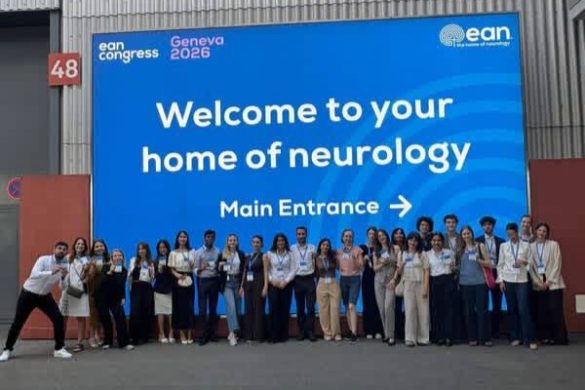
Every year, thousands of neurologists arrive at the European Academy of Neurology (EAN) congress with ambitious goals—but the attendees who get the most value are not necessarily simply the ones who attend the most sessions; they’re the ones who attend with a strategy.
Insights from our Pre-Congress Networking Session with delegates, held on the Friday before the congress, suggest five ways you can turn a few days at the EAN Congress 2026 into career-long benefits.
1. Plan before you arrive
“I checked the congress website and picked out interesting sessions. I’ve also downloaded the congress app to see which sessions sound appealing or might be less crowded, as I’ve heard some can be really busy.”
The programme is packed with world-class science—but that’s also the biggest challenge. Many attendees report having two or three must-see sessions running simultaneously.
The most successful delegates:
- Build a personalised schedule before travelling.
- Use the Congress app to bookmark priority sessions (Android | iOS).
- Identify backup sessions in case rooms reach capacity.
- Coordinate plans with colleagues to divide and share learning.
Preparation means spending less time deciding where to go—and more time learning.
2. Prioritise practical learning
Clinical relevance is what most delegates are looking for. Attendees want to pick up knowledge they can start applying as soon as they get back home: new diagnostics, treatment updates, practical knowledge like EEG and EMG skills, insight from case discussions, and practical workshops.
If hands-on and e-hands-on courses are available in your area of interest, they’re often the highest-value investment you can make.
3. Don’t try to see everything
“If I couldn’t rewatch the sessions, I would feel like I was missing out since so many happen at the same time. That’s a key issue for me.”
Experienced attendees accept that they can’t attend every session. Aside from the fact that you can’t be at two simultaneous sessions, filling your day with sessions can also be a challenge
Instead, the best ways to manage your time are:
- Focus on the presentations most relevant to their practice.
- Make use of session recordings and on-demand content.
- Balance scientific sessions with networking opportunities.
The goal isn’t maximum attendance—it’s maximum impact.
4. Treat networking as part of the programme
“Networking is also very important. Connecting with colleagues from other countries can lead to future collaborations or simply help us learn and improve by sharing our approaches.”
Some of the most valuable conversations happen outside the lecture theatre.
Attendees actively seek opportunities to meet neurologists from other countries, find future research collaborators, connect with mentors, and explore leadership opportunities within the EAN community.
Those conversations often lead to collaborations, publications, and career opportunities long after the congress ends.
5. Think beyond this year’s congress
The delegates who gain the greatest return see the congress as the beginning—not the end—of professional development.
Many use the meeting to:
- Identify future mentors.
- Develop research collaborations.
- Explore subspecialty training.
- Build international networks.
- Plan abstracts and presentations for next year’s meeting.
Rather than asking, “What sessions should I attend?”, they’re asking, “Where do I want my career to be in 12 months?”
Make every hour count
The 12th Congress of the European Academy of Neurology offers far more than scientific presentations. It’s an opportunity to sharpen clinical skills, expand your professional network and create momentum for your career.
With a little planning—and a willingness to balance learning, networking and practical skills—you can leave with far more than a notebook full of lecture notes.
Talk to Natalie and contribute to more articles like this one!
Natalie is an AI voice agent who is helping us to capture insights from key sessions at the EAN Congress 2026. You can chat to her in your own time, shortly after each of our three plenary sessions and after the Public Brain Health Day, and we will turn the combined input from participants into new articles for eanNews.
Find out more at Natter & Natalie at EAN Congress 2026 – ean.org