by Isabella Colonna
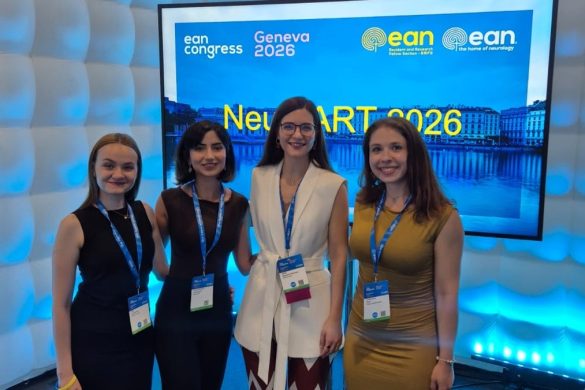
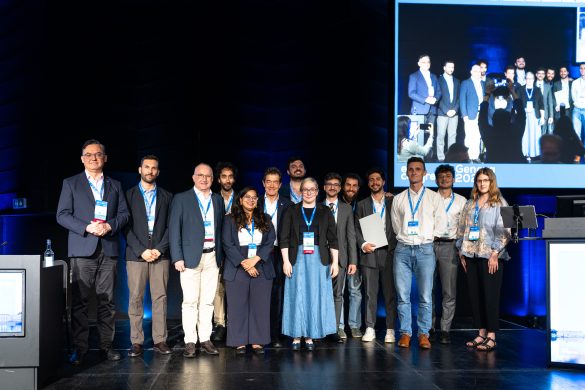
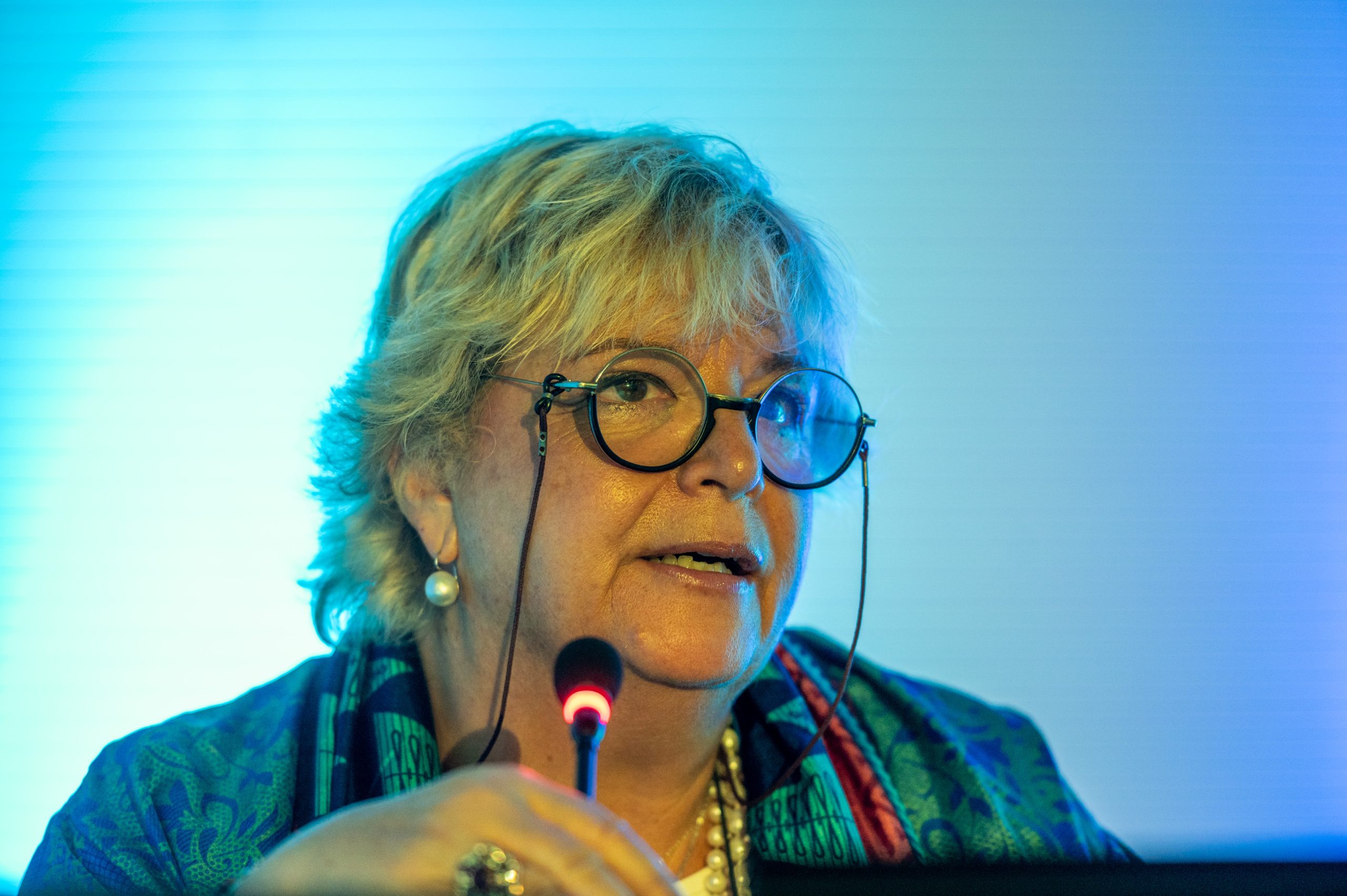
This joint session at the EAN Congress 2026, held in cooperation with the European Psychiatric Association (EPA), was highly interesting and provided valuable insights into current challenges and future directions in brain and mental health. Titled ‘The Biological and Social Determinants of Neurological and Mental Health: Toward a Unified Brain Health Perspective’, it was chaired by EAN Communications Committee Chair, Matilde Leonardi (Italy), and EPA President-Elect, Celso Arango (Spain),
The first lecture, delivered by Celso Arango, emphasised the importance of primary prevention in psychiatry, which remains under-researched and under-implemented compared with other medical fields, such as cardiovascular disease and cancer, despite evidence showing that preventive interventions may generate substantial economic benefits. He also highlighted that the mean age of onset for psychiatric disorders is approximately 14.5 years, underscoring the need to implement preventive strategies well before this age. He then discussed the biological and environmental risk factors associated with psychiatric disorders, including parental stress, delayed parenthood, prenatal exposure to alcohol and addictive substances, school bullying, and cannabis use. In the final part of his presentation, he described several important initiatives currently being implemented in Spain to promote primary prevention in psychiatry.

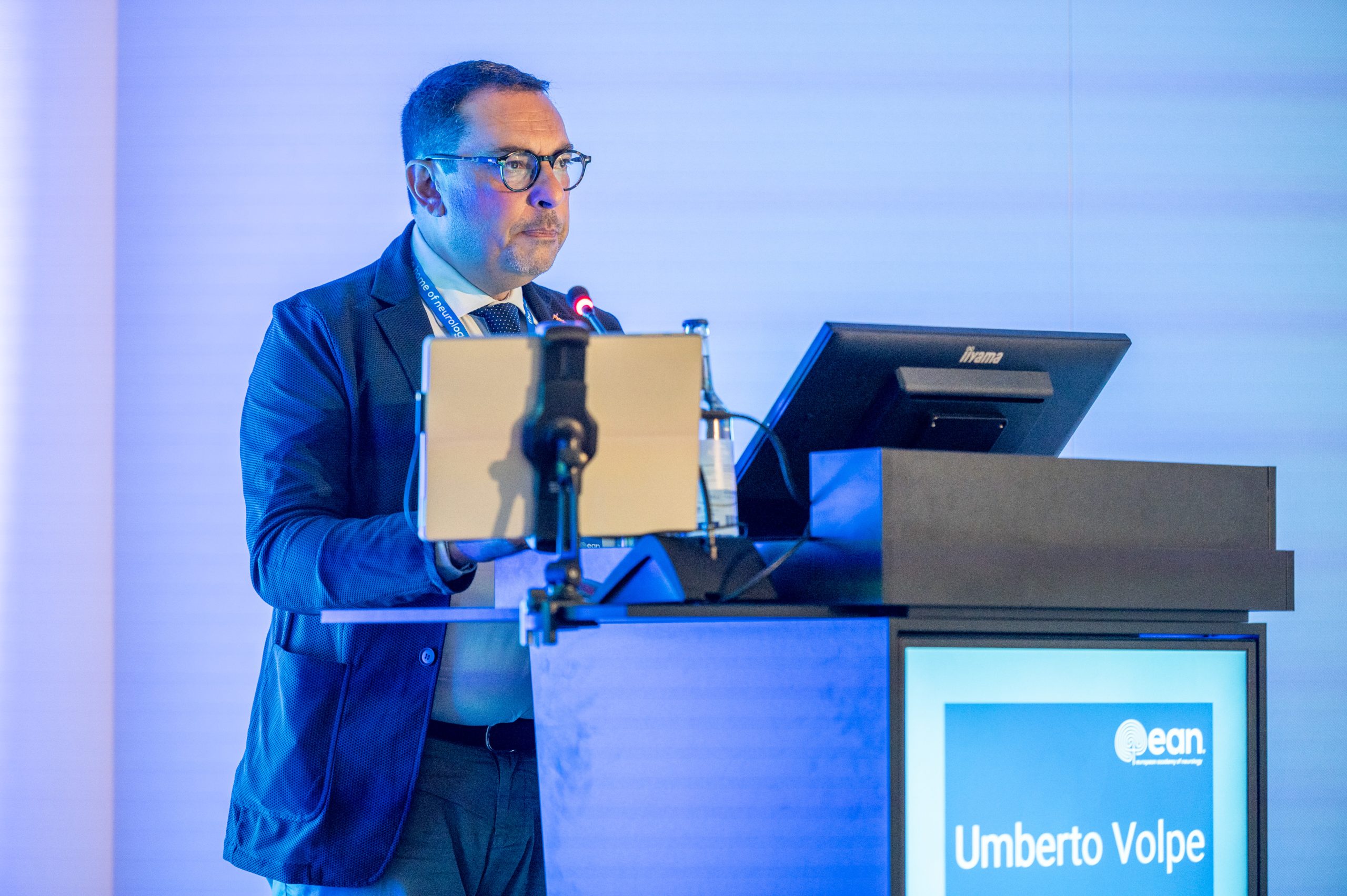
The second lecture, delivered by Umberto Volpe (Italy), began by highlighting the increase in psychiatric disorders observed after the COVID-19 pandemic, while also noting the contribution of other factors, including armed conflicts and their economic consequences. He pointed out that considerable variability still exists across Europe in areas such as clinical decision-making and psychiatric emergency care, underlining the need for greater harmonisation of mental health services at the European level. In response to these challenges, the European Psychiatric Association has established several task forces focusing on topics such as precision psychiatry, brain and mental health across the lifespan, public mental health, the design of psychiatric facilities, stigma reduction, and the protection of the mental health of vulnerable populations.
The third lecture, presented by Justyna Paprocka (Poland), focused on neurodevelopmental disorders, which represent a major global health challenge, affecting hundreds of millions of people worldwide. She explained that these disorders have multifactorial origins, involving genetic, environmental, and developmental factors. She also emphasised that the visible clinical symptoms represent only part of the condition, as many underlying vulnerabilities remain hidden. Particular attention was given to the neurodevelopmental windows of vulnerability, critical periods during which the developing brain is especially sensitive to environmental influences. These include the period from prenatal life to early childhood and the period from childhood to early adulthood. Paprocka provided an overview of the major neurodevelopmental disorders and highlighted that child neurology is entering the era of precision medicine, with ongoing research into genetically targeted therapies. Finally, she stressed the importance of lifelong, multidisciplinary care for individuals with these disorders.
This session concluded with a lively and insightful discussion involving many participants, which generated stimulating perspectives and further reflections on the topics presented.
Overall, the session reinforced that brain health and mental health cannot be addressed through isolated clinical pathways alone, but require prevention, early-life interventions, service harmonisation, and lifelong multidisciplinary care.