by Mihai Radu Ionescu
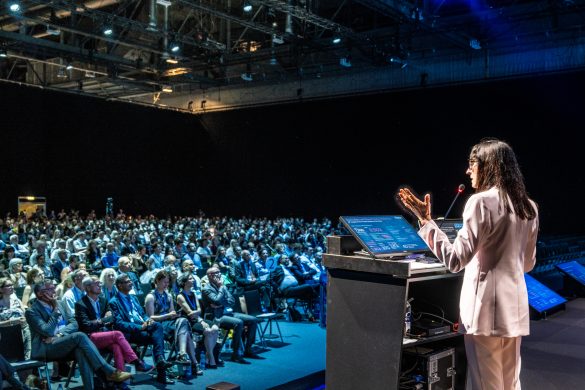
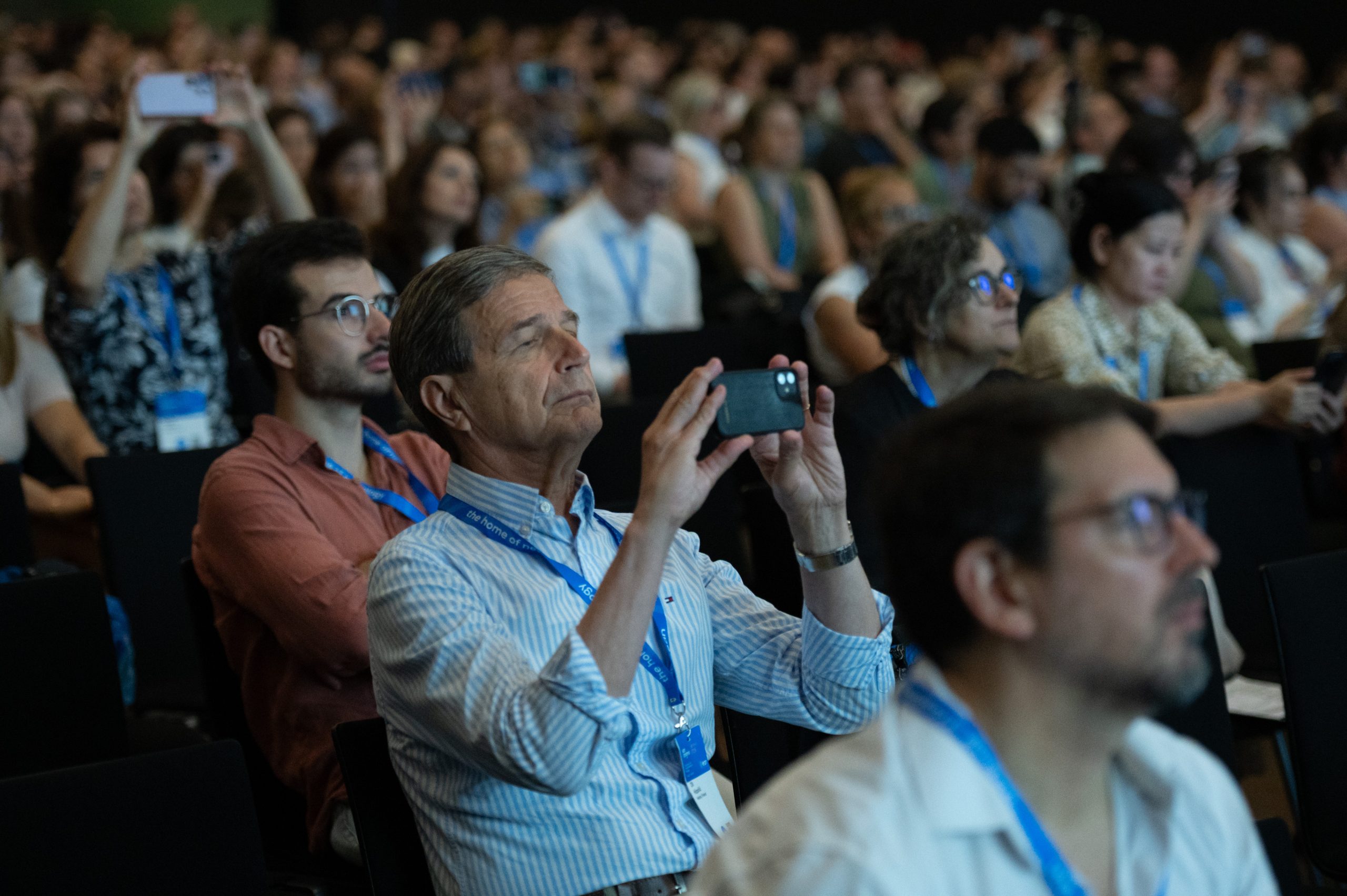
Migraine is a major focus of current neurological practice, with several new guideline recommendations highlighting migraine‑specific treatments such as anti‑CGRP monoclonal antibodies, gepants, and ditans. This growing interest was reflected in an almost completely full room.
Patricia Pozo‑Rosich (Vall d’Hebron, Barcelona, Spain) opened the session with an overview of evidence‑based guidelines for preventive migraine therapy. She presented a comprehensive review of current data and emphasised a key shift: migraine‑specific therapies, including CGRP monoclonal antibodies, are now recommended as first‑line options for both episodic and chronic migraine.

Pozo‑Rosich underscored that the older practice of reserving migraine‑specific drugs for “refractory” cases is outdated and negatively affects patient outcomes. According to Pozo‑Rosich, stigma surrounding migraine remains one of the greatest barriers to appropriate treatment, often delaying escalation and limiting access to more effective—though sometimes more costly—therapies.
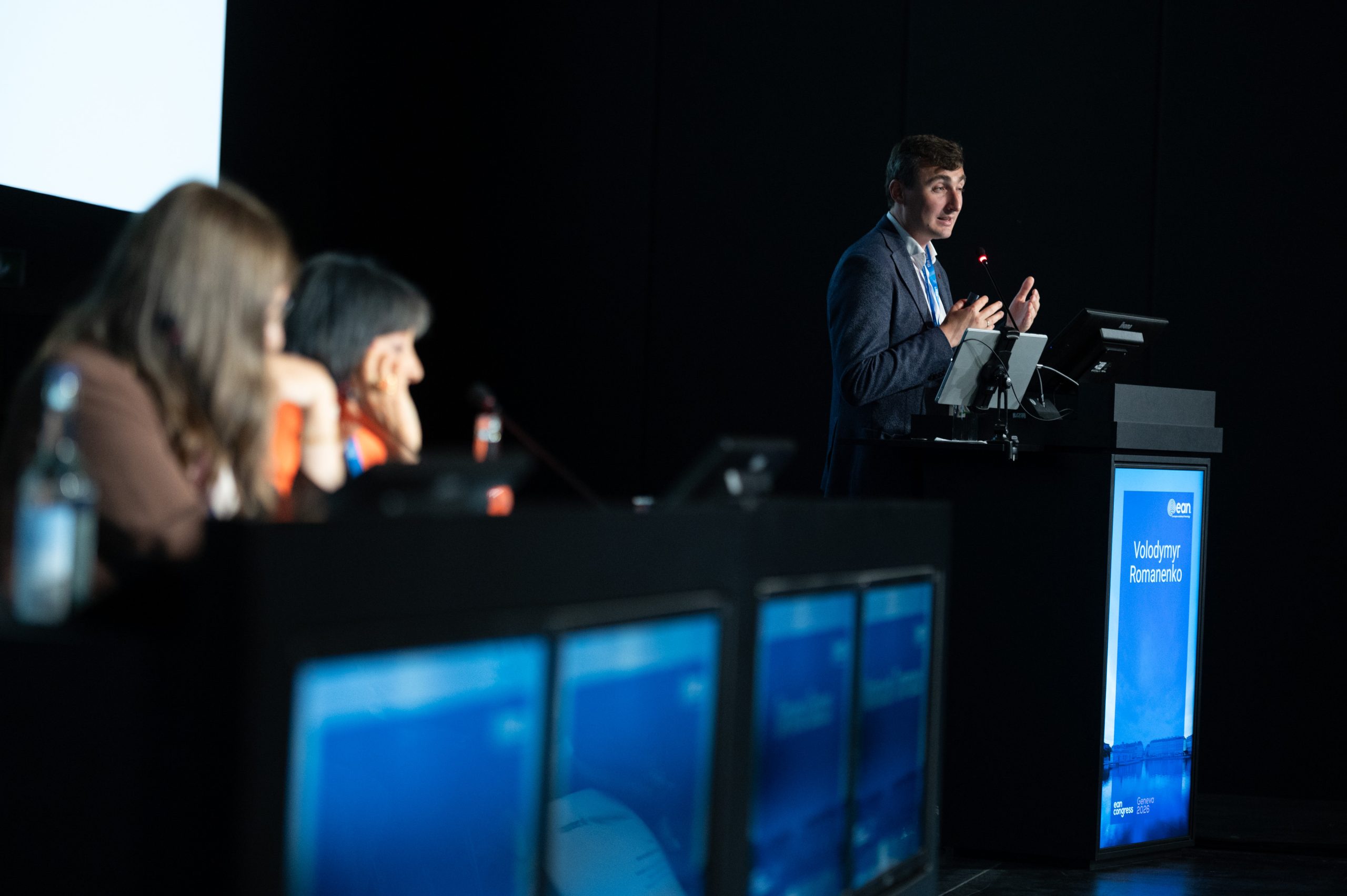
Volodymyr Romanenko (Ukrainian Headache Research Society, Kyiv, Ukraine) followed with a dynamic presentation on evidence‑based acute migraine treatments. He began by outlining the SICS–IHS joint guideline methodology, highlighting the importance of producing high‑quality guidelines that ensure consistency, transparency, and completeness.
His talk then shifted to a pragmatic review of recommended acute therapies, the strength of evidence supporting each option, and practical considerations illustrated through case vignettes. Romanenko succeeded in making a complex body of data accessible, offering clear, clinically applicable recommendations for acute migraine management.
Simona Sacco (University of L’Aquila, Italy), chair of the session, delivered the third talk, focusing on how clinicians should implement both acute and preventive therapy guidelines. She provided a clear explanation of treatment escalation pathways and practical strategies for optimising therapy.
Sacco stressed that what is often labeled as “treatment failure” may simply reflect suboptimal use of a therapy to which the patient could respond. She highlighted the importance of individualised treatment plans and tailoring interventions to patient needs. Her talk concluded with the paradigm shift introduced by anti‑CGRP agents: aspirational goals such as complete migraine freedom may become reasonable targets in the future.
The final presentation, by Marina de Tomasso (University of Bari, Italy), explored the central mechanisms underlying CGRP‑targeted therapies and their relationship to migraine outcomes. She emphasised that migraine is fundamentally a central nervous system disorder, while CGRP monoclonal antibodies act peripherally yet produce meaningful central effects.
Tomasso proposed that these therapies may influence disease biology and brain plasticity, raising the possibility that they could function as disease‑modifying agents.
The end of the session sparked numerous questions from both in‑person and online participants, reflecting the high level of interest in headache medicine among practicing neurologists.