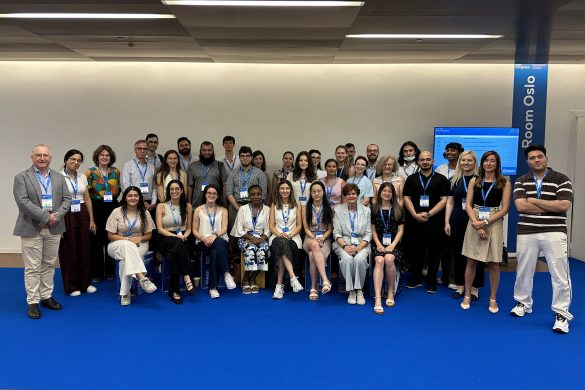
by Prof. Gurgen Hovhannisyan, President of the Armenian Neurological Association
The EAN Regional Teaching Day, organised by the Armenian Neurological Association, was held on 22 May 2026 in Yerevan, Armenia, at the Radisson Blu Hotel, immediately preceding the BRAIN 2026 Congress. The meeting provided an excellent opportunity to bring together neurologists, residents, and healthcare professionals from Armenia to learn from distinguished European experts through a combination of state-of-the-art lectures and interactive case-based workshops. The event highlighted the strong collaboration between the European Academy of Neurology (EAN) and the Armenian Neurological Association in promoting high-quality neurological education in the region.
Prof. Elena Moro, President of the EAN, welcomed the participants and highlighted the importance of EAN educational initiatives in strengthening neurological training, fostering international collaboration, and supporting professional development across Europe. She emphasised the academy’s commitment to making high-quality education accessible to neurologists throughout the region and encouraged participants to become actively involved in EAN educational and scientific activities.
Prof. Riccardo Soffietti (Italy) delivered an inspiring lecture on the neurological complications of tumours, providing a comprehensive overview of the diagnosis and management of neurological manifestations associated with primary and metastatic brain tumours. During the interactive workshop, participants discussed challenging clinical cases, focusing on practical diagnostic strategies and multidisciplinary treatment approaches.
Prof. Milica Gregorič Kramberger (Slovenia) presented the latest advances in dementia, covering the role of fluid and imaging biomarkers, early diagnosis, and emerging disease-modifying therapies. Her workshop centred on real-life clinical cases that illustrate the integration of biomarkers into routine practice and the management of patients across different stages of cognitive impairment.
Prof. Antonio Toscano (Italy) focused on immune-mediated muscle diseases and disorders of the neuromuscular junction. His lecture reviewed current diagnostic algorithms, recent therapeutic developments, and the importance of early recognition of these conditions. The accompanying workshop encouraged active discussion of complex patient cases and practical approaches to diagnosis and treatment.
Dr Nina Vashchenko, representing the EAN Residents and Research Fellows Section (RRFS), introduced participants to the wide range of educational opportunities offered by the EAN, including fellowships, training courses, research programmes, and networking initiatives designed to support young neurologists throughout their careers.
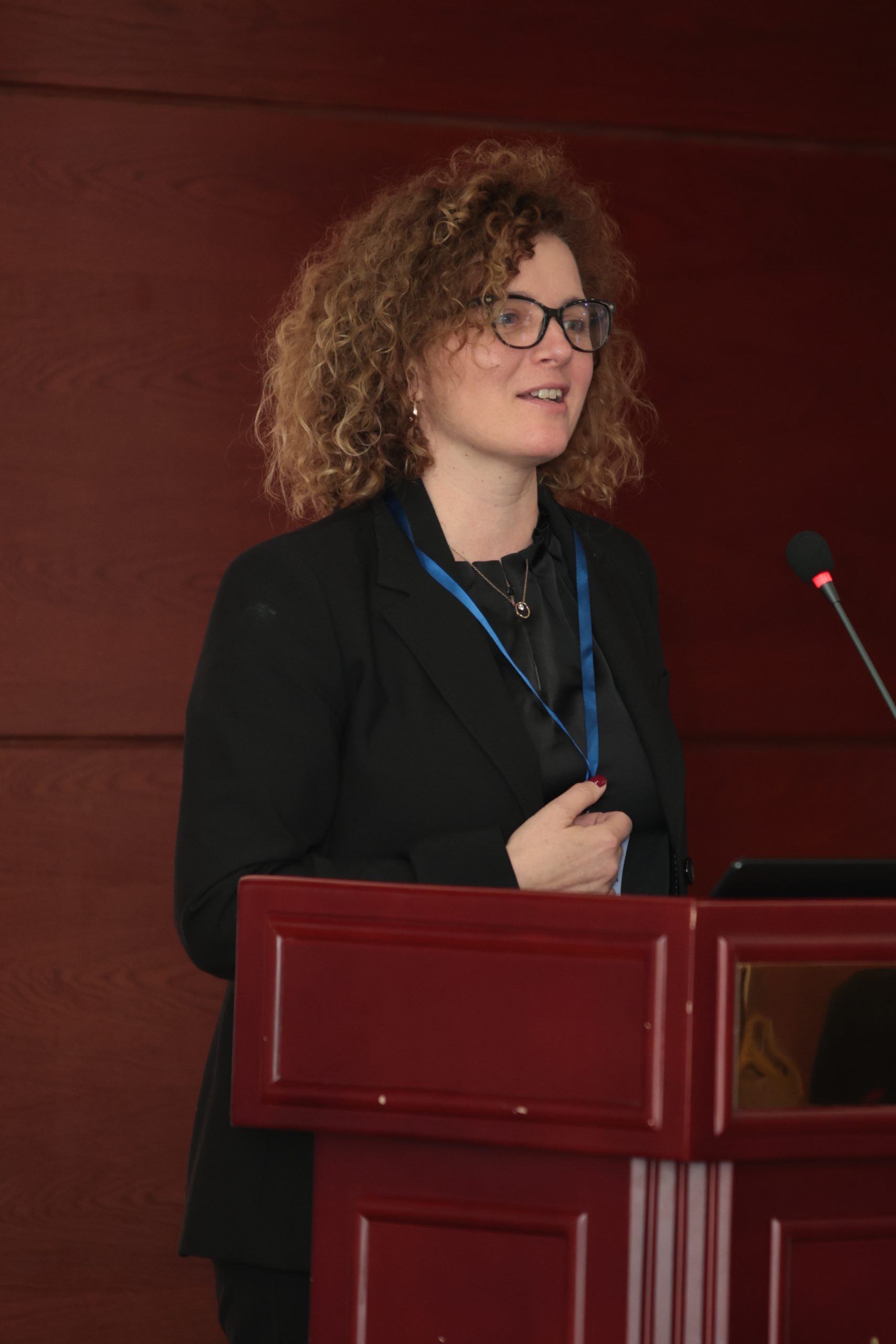
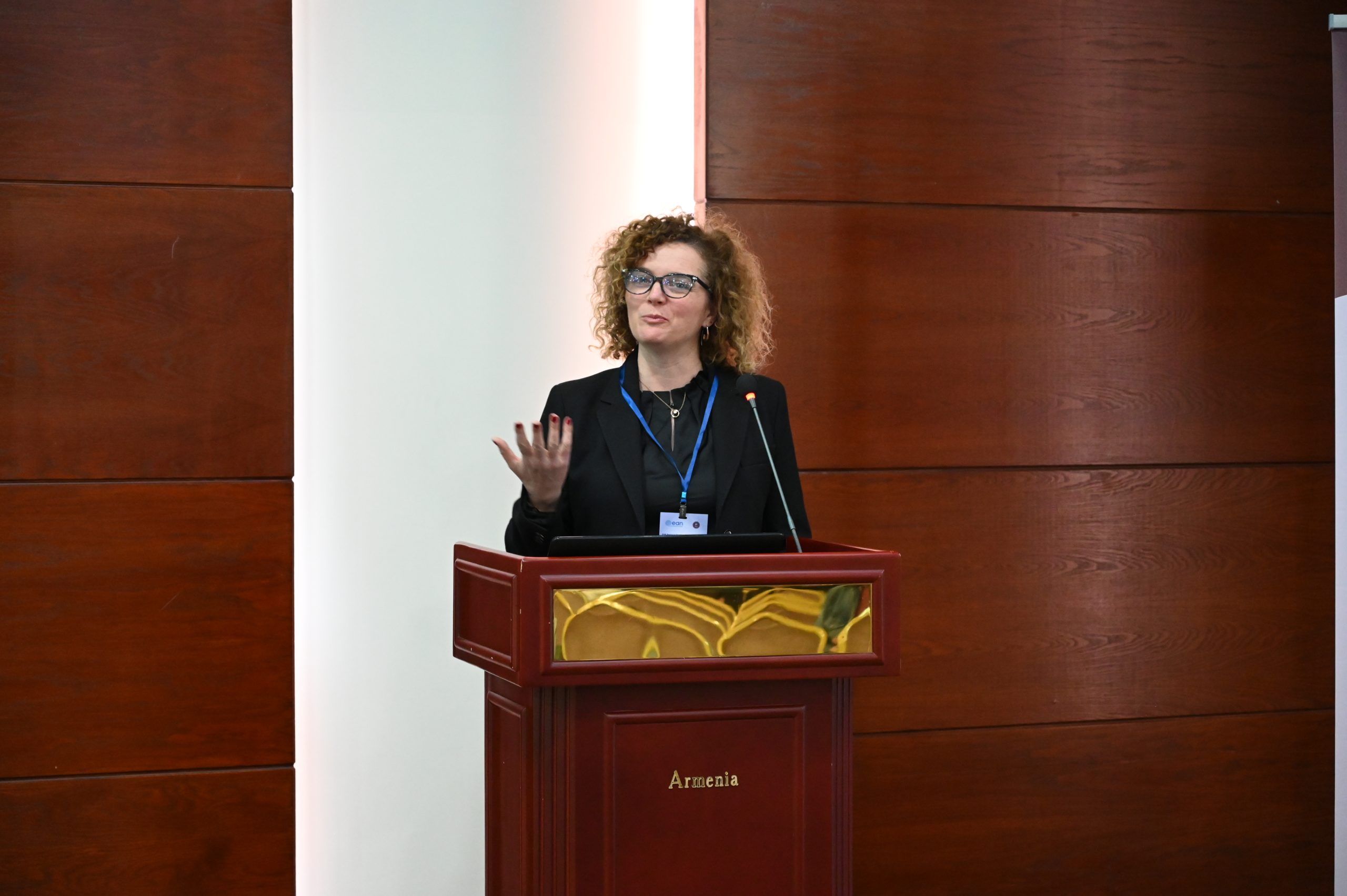
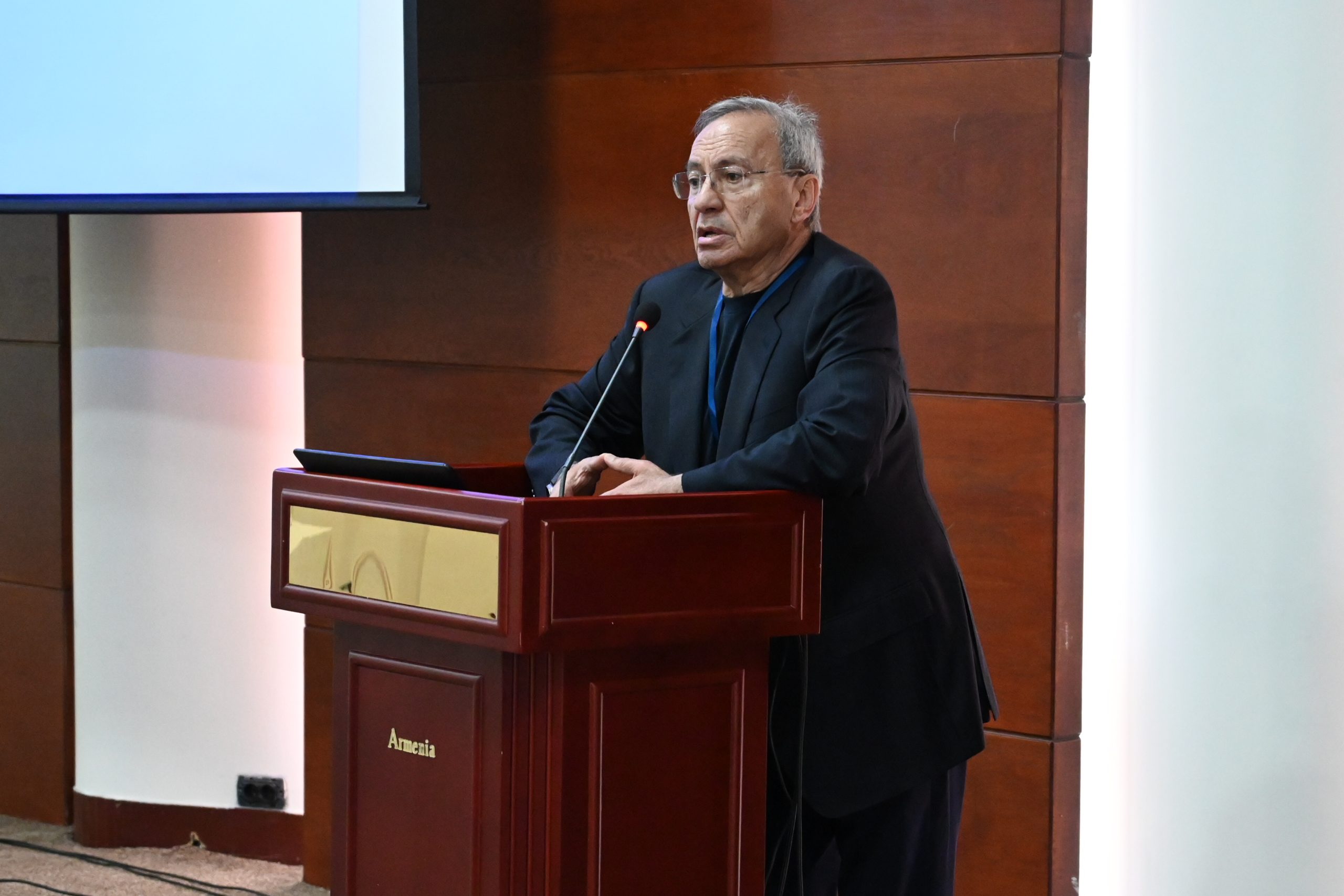
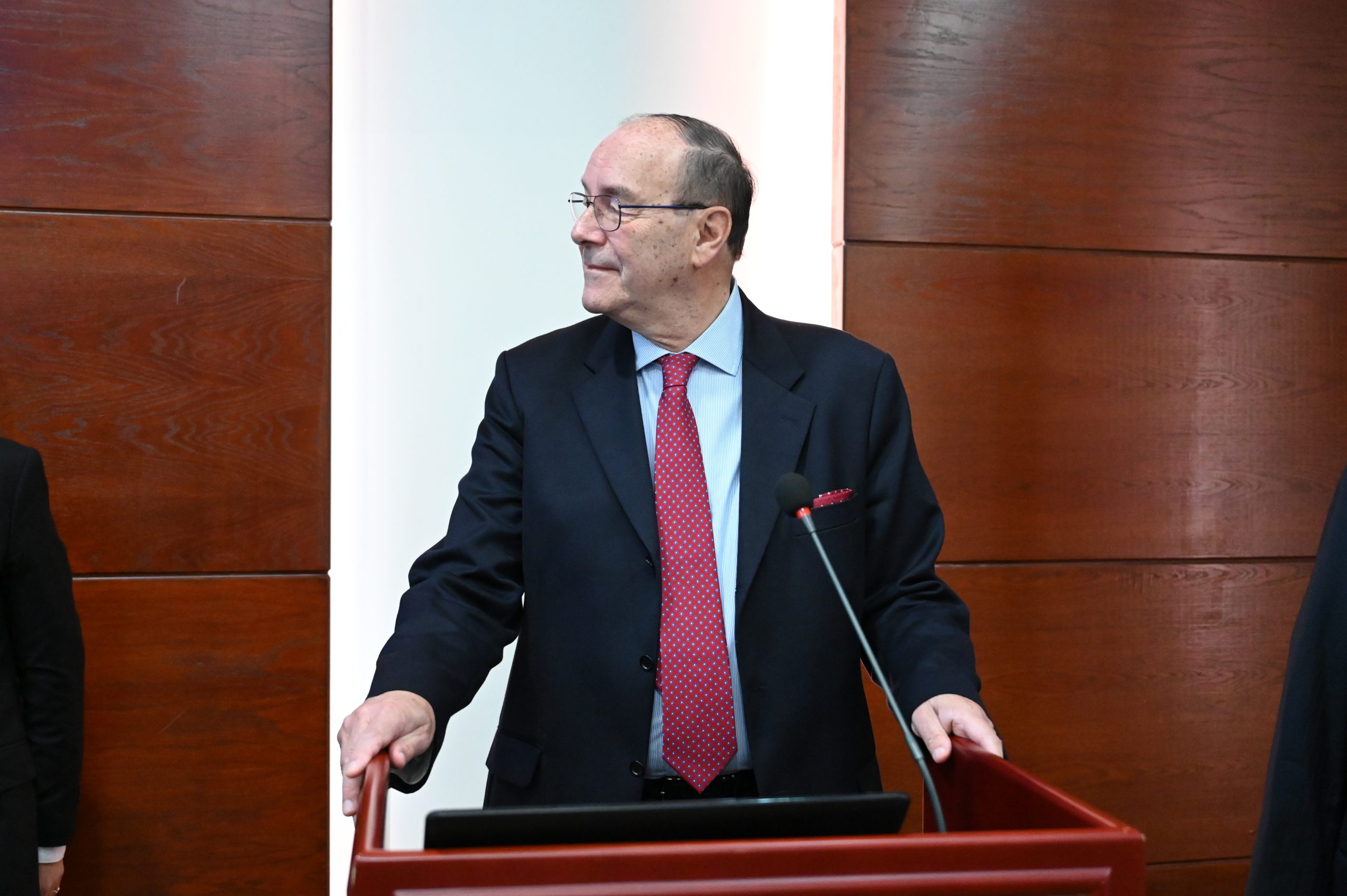
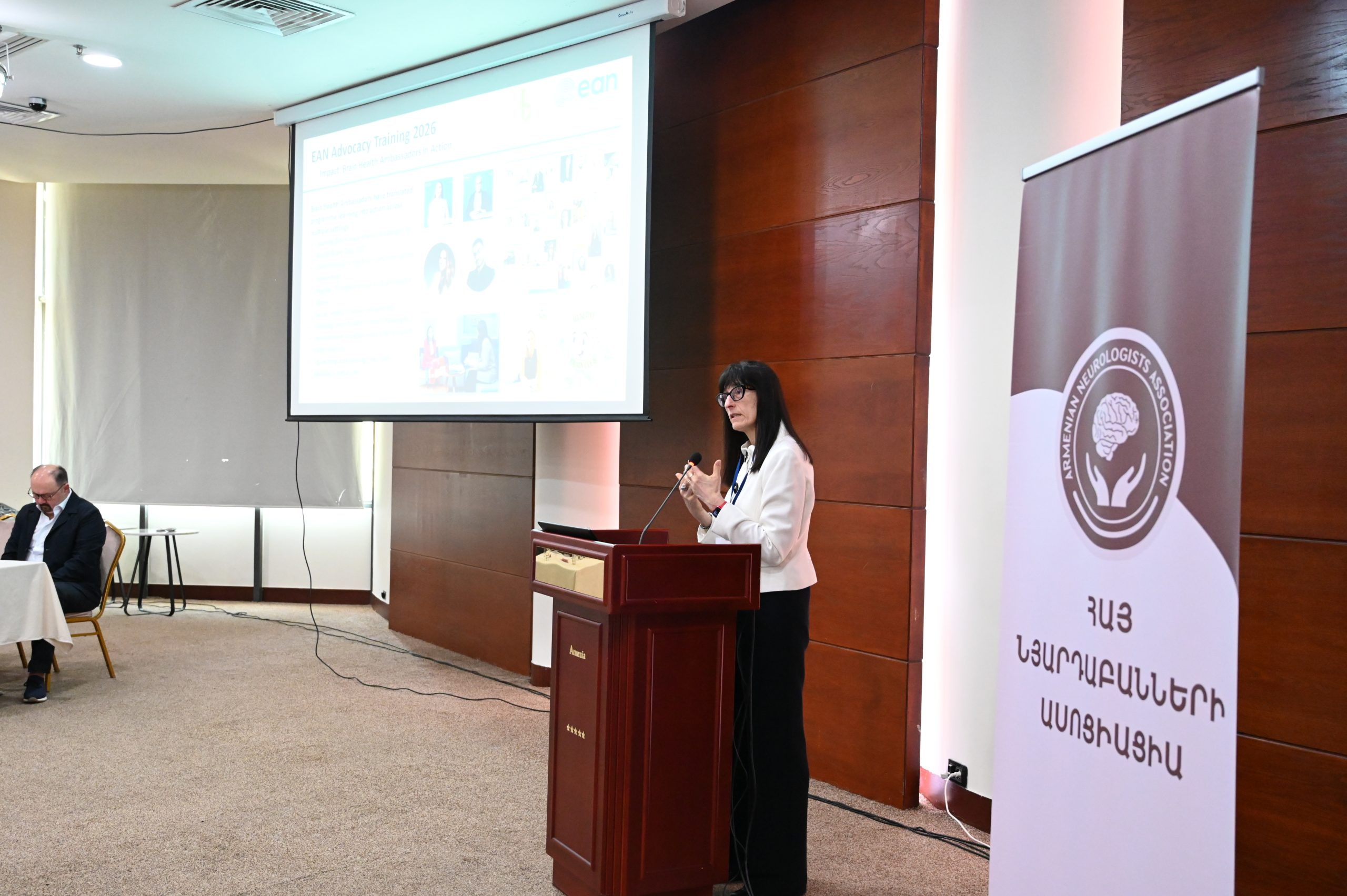
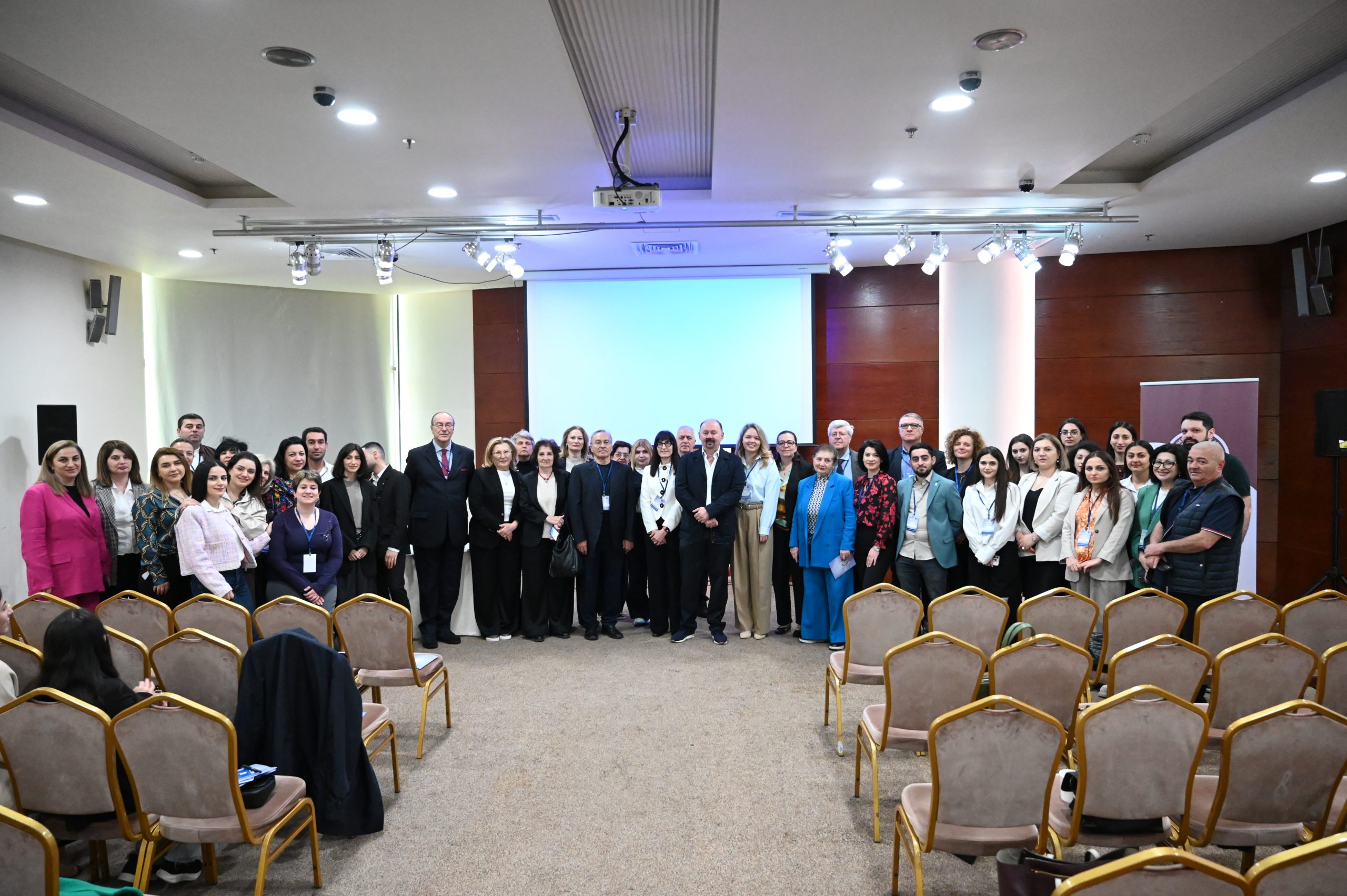
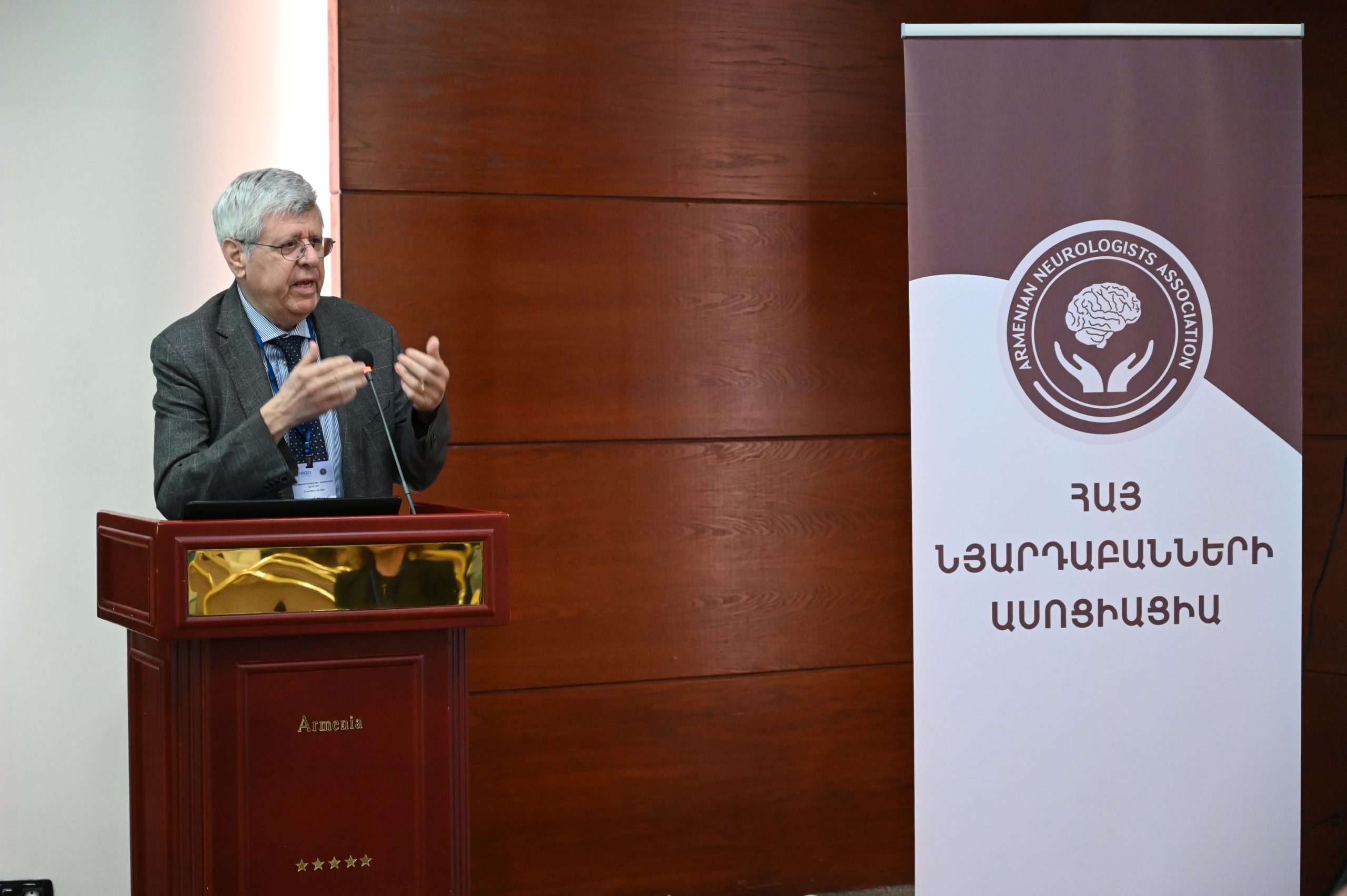
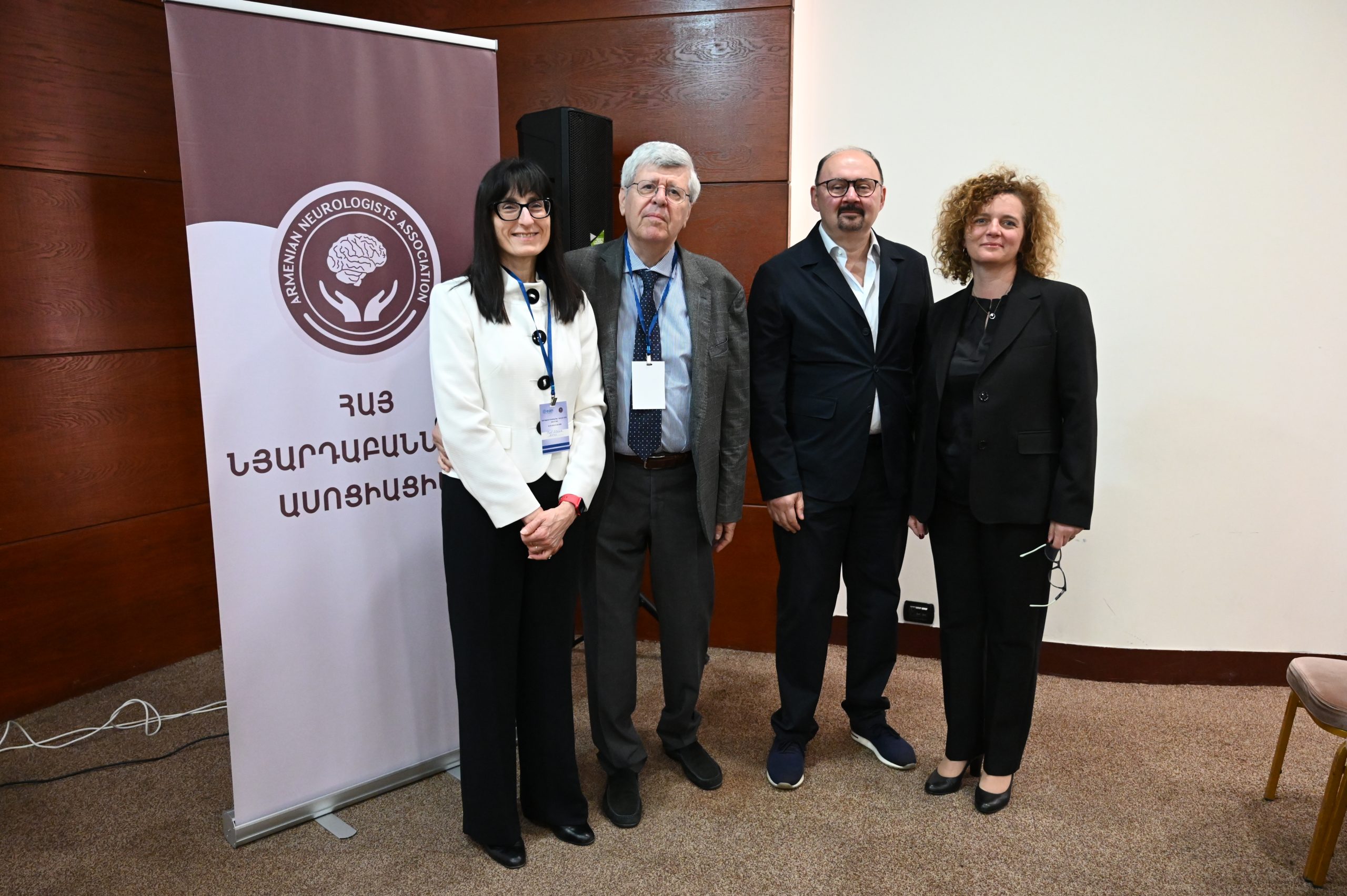
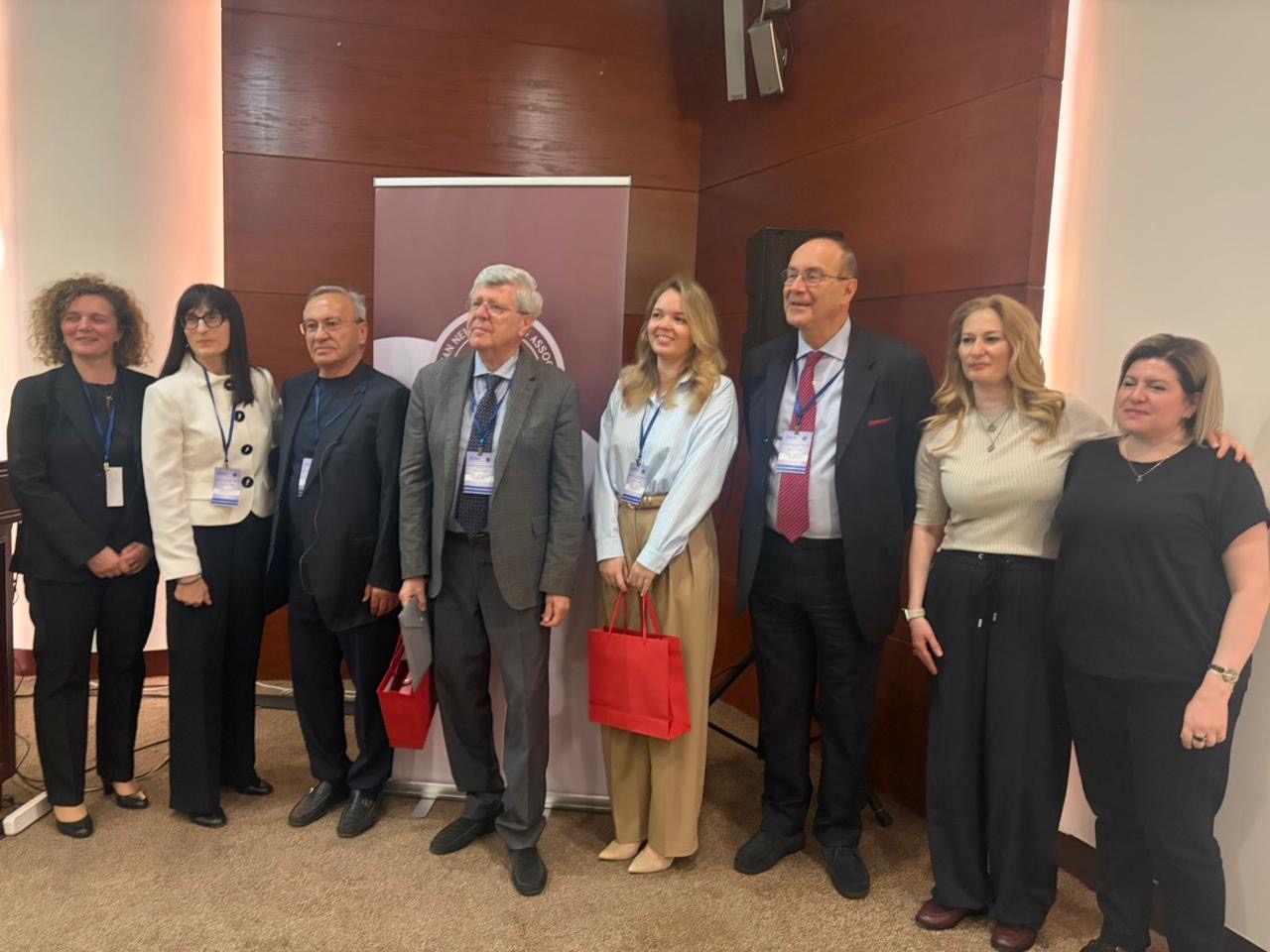
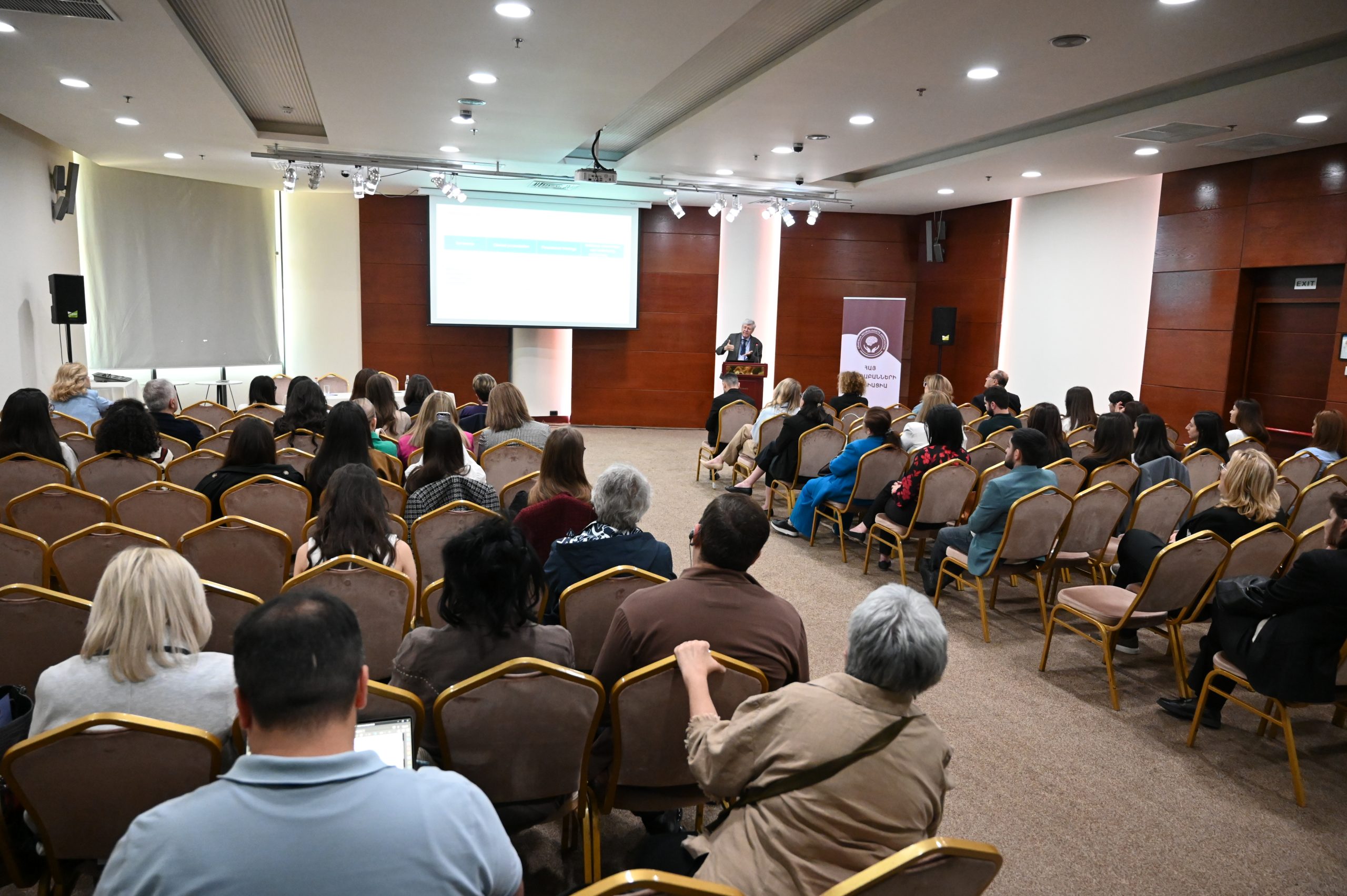
The EAN Regional Teaching Day attracted a large audience of neurologists, residents, and other healthcare professionals, who actively participated in discussions throughout the programme. The interactive format, combining evidence-based lectures with practical workshops, was highly appreciated by participants and created an excellent environment for exchanging clinical experience and strengthening professional collaboration.
The Armenian Neurological Association sincerely thanks the EAN for the opportunity to organise this educational event, as well as the distinguished international faculty for their outstanding contributions. The EAN Regional Teaching Day in Yerevan was a great success and represents another important step in strengthening neurological education and international cooperation in Armenia.