by Dr Magdalini Krommyda, Consultant Neurologist MD, FRCP, EAN Ambassador of Neurology and Brain Health, Project Coordinator, Greek Brain Health School Challenge
This May, the Greek Brain Health School Challenge reached a memorable milestone, with an exciting award ceremony in Thessaloniki, celebrating the growing impact of brain health education within school communities across Greece. In just two years, the initiative has rapidly evolved far beyond a school competition, developing into a nationwide effort that brings together students, educators, families, healthcare professionals, and institutional partners around a shared goal: promoting brain health awareness and wellbeing from an early age.
As regional coordinator, it was particularly rewarding and inspiring to witness the initiative’s remarkable growth this year. More than 200 projects were submitted by schools from every corner of the country, including public and private schools, special education settings, and schools from remote mainland and island regions. This impressive breadth of participation highlighted not only the universal relevance of brain health, but also the enthusiasm with which students and teachers embraced the opportunity to explore the topic through creativity, collaboration, and innovation.
The Brain Health School Challenge is led by the European Academy of Neurology (EAN) as part of the Brain Health Mission, and organised locally in collaboration with the Hellenic Neurological Society and the Institute of Educational Policy, with the support of the Institute of Preventive Neurology and Brain Health ‘Mindful Mind’. The initiative invites students from primary, middle, and secondary schools to explore brain health through interdisciplinary and creative approaches combining art, science, storytelling, and digital media.
The range of submissions this year was both diverse and inspirational. Students created posters, presentations, songs, videos, board games, comics, theatrical concepts, and neurodiversity-focused initiatives that promoted inclusion, awareness, and active participation. Beyond their creativity, many projects demonstrated a sophisticated understanding of the factors that influence lifelong brain health. Themes such as healthy daily habits, physical activity, nutrition, quality sleep, emotional resilience, digital wellbeing, social connection, and the inclusion of neurodiverse individuals featured prominently, reflecting many of the key pillars of the global brain health movement.
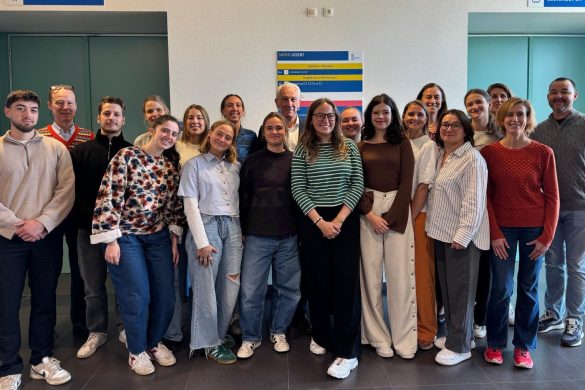
The award ceremony itself evolved from a celebration of achievements into an interactive brain health awareness event, where students proudly showcased their work to an enthusiastic audience of educators, parents, healthcare professionals, and peers. Supported by the local organising committee, healthcare specialists, and volunteers, the event featured a range of engaging educational activities focused on brain health, vision and hearing care, exercise, nutrition, emotional wellbeing, and healthy digital habits. Representatives of the Brain Health Mission, the Hellenic Neurological Society, the Institute of Educational Policy and the Regional Directorate of Education of Central Macedonia, joined the celebration, underscoring the growing support for the initiative.
The event was further enriched by the participation of UNICEF Greece, whose interactive activities, photo booth, and educational materials created a welcoming and playful environment while reinforcing children’s rights to health, wellbeing, and inclusion.
Perhaps the most powerful takeaway from this year’s Brain Health School Challenge is the clear demonstration that young people are eager and able to engage meaningfully with complex health topics when given the right tools, encouragement by their educators, and creative freedom. Their projects revealed not only knowledge, but also empathy, critical thinking, and a genuine desire to contribute positively to their communities.
As the Greek Brain Health School Challenge continues to grow, it is becoming an increasingly important part of a broader international effort to place brain health at the centre of education, prevention, and public awareness. By empowering children and adolescents to understand, value, and protect their brain health from an early age, the initiative is helping to cultivate a culture of wellbeing that can benefit individuals, families, and society for generations to come. The seeds planted through this year’s challenge will extend far beyond the classroom, shaping healthier habits, more inclusive communities, and a future where brain health is recognised as a fundamental component of lifelong health and quality of life.