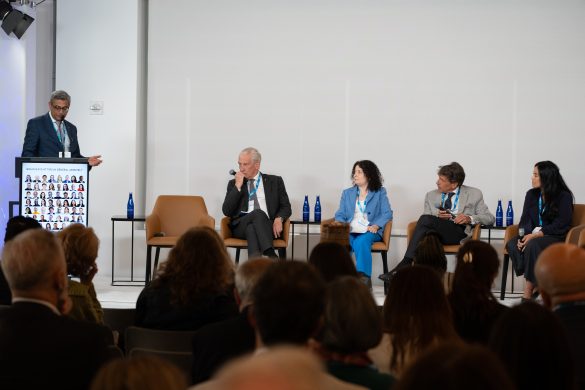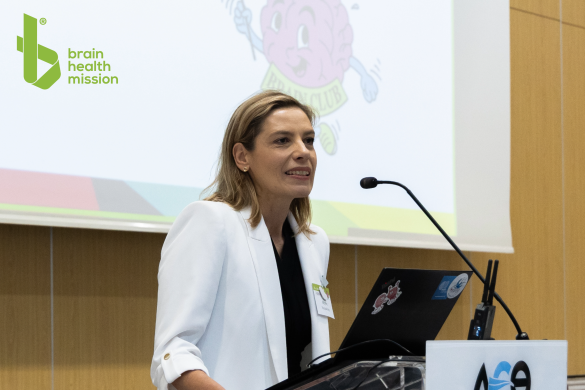
Brain health is shaped every day by how we live, learn and work. As people spend a significant portion of their lives at work, workplaces have a unique opportunity, and responsibility, to protect, support and strengthen brain health throughout their life. This was the central message of the Brain Health Mission’s (BHM) World Brain Day event, hosted using Natter, an AI-powered conversation platform that enables participants to engage in a series of structured one-to-one discussions while anonymously capturing insights and identifying common themes across conversations. Held on 22 July under the theme Brain Health at Work: Building workplaces that protect, support and strengthen brain health throughout life the event brought together more than 30 participants from across the brain health ecosystem, including healthcare professionals, researchers, employers, employees and advocates, the event explored how modern working life influences brain health and what can be done to create healthier working environments.
Introducing the event, BHM Co-Chair Prof. Paul Boon reminded participants that brain health extends far beyond the workplace itself. World Brain Day, he noted, is not only about raising awareness, but about rethinking how our environments can better support brain health — the intended outcome of the discussions. As he put it:
“This means workplaces have a real opportunity—not only to reduce harm, but to actively protect and strengthen brain health throughout life.”
Work influences brain health – and vice versa
Structured as a series of short, peer-to-peer discussions, the Natter event invited participants to reflect on three questions: How does the way we work today affect our brain health? What do workplaces often overlook when it comes to supporting it? And what should the workplace of the future do differently?
The conversations made one thing clear: the way we work — from our workload and workplace culture to our physical environment and relationships with colleagues and managers — has a direct impact on our brain health. Long hours, always-on digital habits, and rigid, one-size-fits-all approaches to work were repeatedly identified as pressures on cognitive wellbeing. At the same time, participants agreed that these pressures are not inevitable — many can be addressed through practical changes and by recognising brain health as an organisational priority. As one participant put it:
“In terms of prevention, brain health in the workplace is very important, but it’s not something human resources departments discuss much. Topics like reasonable working hours, good work–life balance, and similar issues are complex and often not well addressed.”
The always-on digital habits in the workplace came through strongly as a theme, with one participant reflecting on the pressure of constant connectivity:
“Nowadays, we are all reachable by email and messages all the time, which greatly affects mental well-being and brain health in general. The expectation to always be available and to respond almost instantly can be very burdensome.”
From wellbeing initiative to strategic priority
One of the most encouraging themes to emerge was that workplaces do not need to start from scratch. Many organisations already have wellbeing initiatives that support mental health, such as quiet spaces, employee assistance programmes, flexible working arrangements and awareness campaigns. Brain health builds on these foundations while taking a broader view, encompassing mental health, neurological health and cognitive wellbeing throughout working life.
Sleep and headache emerged as particularly relatable examples. Many participants recognised how poor sleep affects concentration, decision-making and productivity, while conditions such as migraine—despite being common—remain widely overlooked in workplace conversations. These everyday experiences highlight a simple opportunity: build on existing wellbeing initiatives to support brain health more broadly. One participant, reflecting on their experience in a hospital setting, illustrated this with several examples:
“For example, if someone loses a family member, they might get only two or three days off, even though it significantly affects them. If you have a chronic disease, the workplace schedule doesn’t adjust to your needs, which also affects you. Let’s say you have epilepsy or migraine headaches — support is very limited. In a hospital setting, when there is a serious illness going around, the time given for psychological support is usually very limited as well.”
Brain health is everyone’s concern
When asked which stakeholder group has the greatest responsibility for protecting brain health at work, participants gave a notably balanced response: individuals, employers, colleagues and healthcare professionals were all seen as having an important role to play. The message was consistent throughout the discussions: improving brain health at work is a shared responsibility.
Practical actions discussed during the event included creating opportunities for social connection, encouraging movement throughout the working day, supporting flexibility where possible, reducing stigma around neurological and mental health conditions, and fostering workplace cultures where brain health is openly recognised and valued.
The future of work relies on brain health
Looking ahead, participants envisioned workplaces where brain health is recognised not as an optional wellbeing initiative, but as a strategic priority that supports inclusion, productivity, innovation and long-term sustainability. The Brain Health Mission’s World Brain Day Natter Session demonstrated that meaningful progress does not always require major new programmes. Often, it begins by recognising the value of brain health, building on what already works and making it part of everyday working life.
If the future of our society aims to be healthier, more inclusive and more sustainable, brain health at the workplace must be a central part of the conversation.