Rising temperatures, poor air quality and the spread of infectious diseases could increase the burden of neurological disorders across Europe, with vulnerable communities facing the greatest risks.
Speaking to Euronews Health at the European Health Forum Gastein, Ulf Kallweit, Chair of the EAN Environmental Influences in Neurology Task Force and an Observer on the EAN Board explained how climate change could worsen existing neurological conditions and increase the risk of developing others.
Read more: Climate change is putting Europe’s brain health at risk | Euronews
Heat is a particular concern. Kallweit, who took part in a high-level session on regulatory protection of brain health at the EHFG, noted that stroke cases rise as temperatures climb above 30°C and warned that heat-related strokes could account for a larger proportion of cases within the next 20 to 30 years.
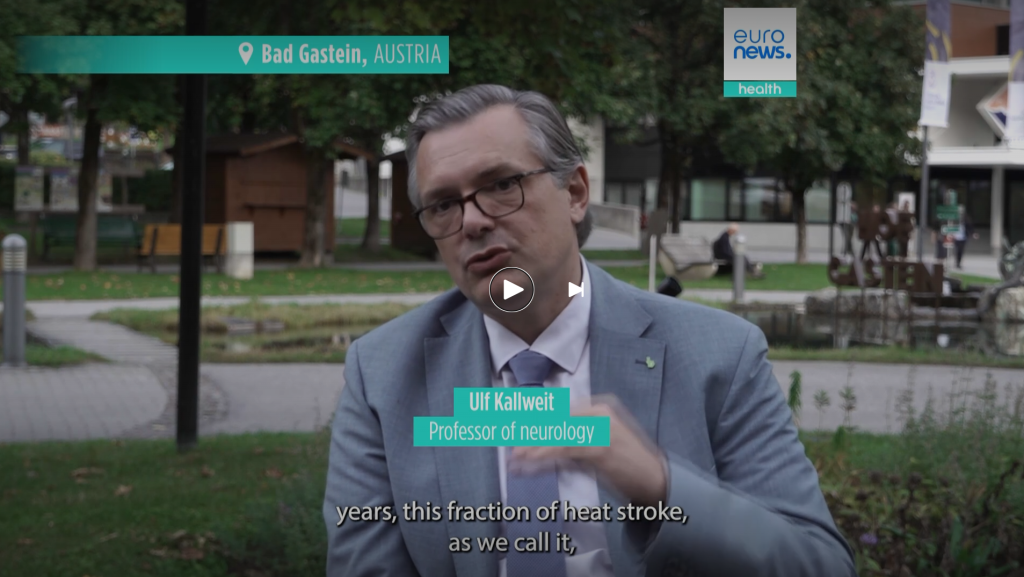
Hot nights can also disrupt sleep. When overnight temperatures remain above 20°C, the body struggles to cool down, making deep sleep and recovery more difficult. Kallweit highlighted the potential longer-term consequences of prolonged poor sleep, including increased risks of stroke and dementia.
Rising temperatures are also changing where ticks and mosquitoes can survive, affecting the geographical spread of infections. Some, such as Lyme borreliosis can cause neurological complications.
These risks are not shared equally. Children, pregnant women, older people and those with pre-existing health conditions are particularly vulnerable. People living in deprived neighbourhoods may face additional pressures, including poor housing conditions and limited access to healthy food.
The growing environmental burden makes action increasingly important. Policymakers can help reduce risks by limiting exposure to heat and pollution and improving living conditions, particularly for those least able to protect themselves. However, a recent Lancet report suggests progress is too slow and uneven across sectors and calls for an integrated climate-health strategy, including stronger heat-warning systems, greener cities, resilient health services, faster decarbonisation, cleaner heating, sustainable transport and diets, greater protection for vulnerable groups, and renewed political and public engagement.