Leading Irish and European experts gather in Dublin for World Brain Day
DUBLIN, 22 July 2026 — A coalition of Irish and European organisations representing people affected by neurological conditions, researchers and clinicians, has called on Ireland to use its Presidency of the Council of the European Union to champion the development of a European Neurological Health Strategy.
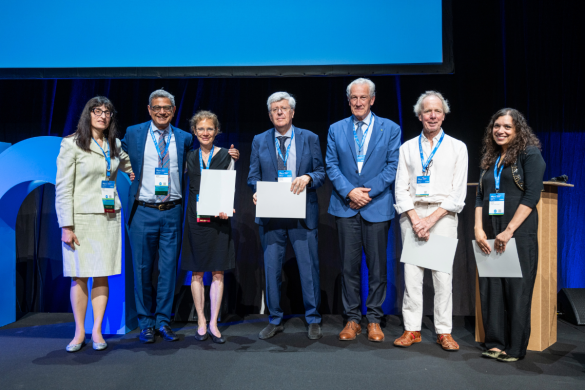
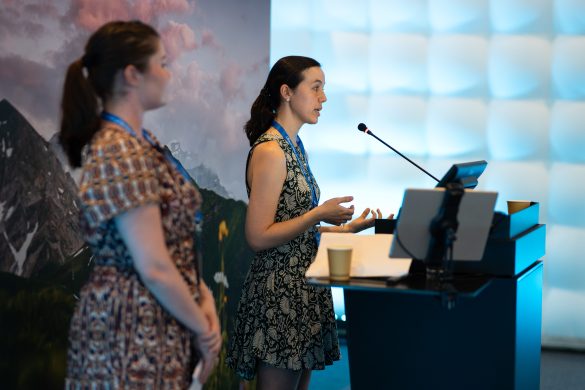
The appeal comes as leading Irish and European experts gather in Dublin for a World Brain Day event organised by the Neurological Alliance of Ireland, FutureNeuro Research Ireland Centre and partners as part of Ireland’s programme of Associated Presidency Events. Minister for Health Jennifer Carroll MacNeill TD will deliver the keynote address.
Neurological conditions are a growing public health challenge across Europe. They are among the leading causes of disability and premature death in the EU, according to a major Europe-wide study published in The Lancet Public Health, and their impact is expected to increase as Europe’s population continues to age.
Around 860,000 people in Ireland are living with a neurological condition, part of a growing burden across Europe estimated to cost more than €300 billion a year.
Chief Executive of the Neurological Alliance of Ireland, Magdalen Rogers, said Ireland had a unique opportunity to drive European action on neurological health:
“Ireland’s Presidency comes at a pivotal moment, as neurological health is receiving unprecedented attention at EU level. Patient groups have been at the forefront of advocating for a coordinated, strategic response to the growing impact of neurological conditions across Member States. As Ireland’s national umbrella organisation for neurological patient groups, we are leading out on the call for the Irish Presidency to champion a European Neurological Health Strategy. Such a strategy would strengthen healthcare systems, accelerate research and innovation, and ultimately improve the lives of millions of people living with neurological conditions across Europe.”
Other speakers include Kieran O’Donnell, Minister of State for Older People and Housing, Billy Kelleher MEP, a member of the European Parliament’s Committee on Public Health (SANT), and Nina Carberry MEP, Co-Chair of the European Alzheimer’s Alliance.
The event will see the launch of the Declaration on Advancing Neurological Health During Ireland’s EU Presidency, a joint statement calling on the Irish Presidency to place neurological health firmly on the European agenda and support the development of a European Neurological Health Strategy.
Momentum for action is growing at European level. Earlier this year, the European Parliament’s Committee on Public Health (SANT) agreed to prepare an own-initiative report on neurological health.
MEP Kelleher commented:
“As an Irish member of the European Parliament’s Committee on Public Health, I am pleased to see this important discussion taking place in Dublin during Ireland’s EU Presidency. Bringing together leading clinicians, researchers, patient advocates and policymakers from across Europe will provide valuable perspectives that can contribute to the wider debate on neurological health when the issue comes before the Committee later this year.”
Professor Gianpiero Cavalleri, Professor of Human Genetics at RCSI University of Medicine and Health Sciences and Deputy Director of FutureNeuro Research Ireland Centre, said research and innovation can play a critical role in improving neurological health across Europe:
“Ireland’s research community is well placed to help inform Europe’s response to neurological conditions. Ireland is developing strong, integrated scientific and clinical networks that can link clinical and a variety of genomic datasets to speed accurate diagnosis, connect patients to European rare disease initiatives such as ERDERA, and develop more personalised approaches to care. That progress depends on sustained support at both EU and national level: recognising neurological research as a priority in the next EU Framework Programme, and ensuring the national Electronic Health Record is enabled for research.”
Professor Elena Moro, Past President of the European Academy of Neurology added:
“We can all see now that Europe really needs a comprehensive neurological health strategy. And more importantly that it addresses the full range of neurological conditions while bringing together prevention, research, care and rehabilitation. Only through a coordinated approach can we meet the growing burden of brain disorders and improve the lives of millions of people across Europe”
A report arising from the event will be shared with Irish and European policymakers to inform the SANT Committee’s work on a European Neurological Health Strategy and wider EU policy development.